Rabbits, with their endearing nature and delicate needs, require a carefully curated diet. A significant component of this diet is the introduction of safe herbs, offering essential nutrients and potential health benefits. This guide provides a comprehensive overview of how to safely and effectively integrate herbs into your rabbit’s diet, ensuring their well-being and a balanced nutritional intake.
Understanding the difference between beneficial and harmful herbs is paramount. This guide details the selection, preparation, and portioning of various safe herbs to maximize their nutritional value and minimize any potential risks. It offers practical advice on introducing new herbs gradually, monitoring your rabbit’s response, and addressing any potential issues that may arise.
Introduction to Rabbit Herb Feeding
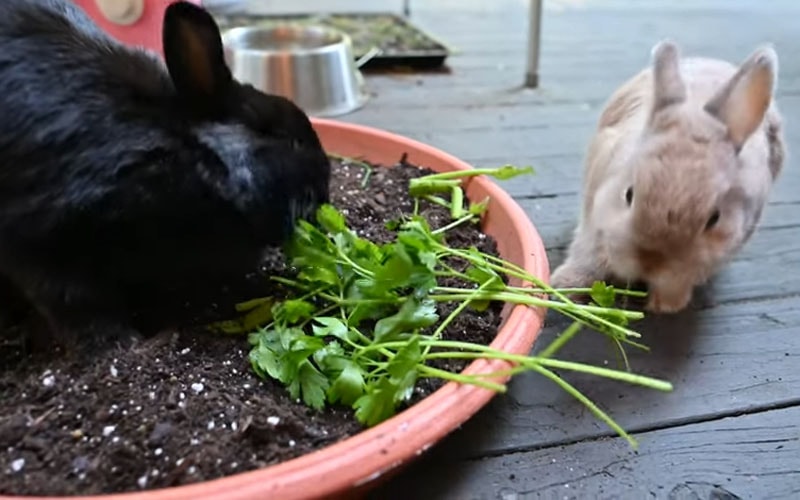
Fresh herbs can be a valuable and nutritious addition to a rabbit’s diet. They provide essential vitamins, minerals, and fiber, supporting digestive health and overall well-being. However, not all herbs are suitable for rabbits. Proper selection and preparation are crucial for ensuring their safety and enjoyment.A balanced diet for rabbits includes a variety of fresh foods, and herbs play a significant role in supplementing their nutritional needs.
Knowing which herbs are safe and how to incorporate them into their diet is essential for rabbit owners to provide a healthy and enriching experience.
Safe and Unsafe Herbs for Rabbits
Many herbs are safe and beneficial for rabbits, providing a variety of nutrients. However, some herbs can be toxic or cause digestive upset. Careful consideration of the herb’s properties is vital to avoid potential harm.
Ways Rabbits Consume Herbs
Rabbits can consume herbs in several ways. They naturally graze and browse, making fresh herbs a natural part of their diet. Offering herbs in small, fresh bunches allows them to nibble at their leisure. Some rabbits might prefer herbs that are finely chopped or shredded, which can be presented as part of a meal. Additionally, herbs can be incorporated into leafy greens and vegetables to increase palatability.
Making Herbs Appealing to Rabbits
Rabbits have varied preferences for different flavors and textures. To encourage consumption of herbs, consider offering a variety of options. Freshly cut or chopped herbs are often more appealing than dried herbs. Providing herbs in a visually appealing manner, such as in small bunches or scattered around the enclosure, can also stimulate their interest. Introducing new herbs gradually can help them get accustomed to the taste and texture.
Common Safe Herbs for Rabbits
| Herb Name | Benefits | Risks | Notes |
|---|---|---|---|
| Dandelion Greens | Excellent source of vitamins A and C, and minerals like potassium. Promotes healthy digestion. | High in oxalates in large quantities. Avoid excessive amounts. | Offer in moderation. Avoid the flower heads and roots. |
| Clover | Good source of protein, vitamins, and minerals. Excellent for promoting healthy digestion and overall well-being. | May cause digestive upset in some rabbits if consumed in large quantities. | Choose white or red clover, avoid other varieties. |
| Parsley | Provides vitamins and minerals. Can aid digestion and freshen breath. | High in oxalates, may cause digestive upset if consumed in excess. | Offer in moderation. |
| Mint | Has mild digestive benefits. May also act as a natural breath freshener. | In high amounts, can cause digestive upset. | Offer sparingly. |
Types of Safe Herbs for Rabbits
A variety of safe herbs can enrich a rabbit’s diet, providing essential nutrients and promoting digestive health. These herbs, when offered in moderation, can supplement their primary food sources, like hay and pellets. Careful selection and preparation are crucial to ensure the safety and well-being of your furry friend.
Safe Herbs for Rabbit Consumption
A balanced diet for rabbits includes a wide range of fresh, safe herbs. These additions offer a variety of vitamins, minerals, and fiber, complementing the nutritional value of their primary diet. Always research the specific herb to ensure its safety for rabbits before introducing it to their diet.
Preparation Methods for Herbs
Preparing herbs correctly is vital for both palatability and safety. Thorough washing is essential to remove any dirt or pesticides. Herbs can be offered fresh, dried, or finely chopped. Consider the rabbit’s preferences and the specific herb when deciding on the preparation method. Avoid using herbs that have been treated with pesticides or other harmful chemicals.
Examples of Nutritious Herbs
Several herbs are excellent sources of vitamins, minerals, and fiber, beneficial to rabbit health. These include dandelion greens, parsley, and plantain. Always ensure the herbs are fresh and free from contaminants.
Portion Sizes for Rabbits
Offering herbs in appropriate quantities is crucial. Start with small portions to observe your rabbit’s response. Adjust the amount based on your rabbit’s size, activity level, and overall health. Overfeeding can lead to digestive upset. A general guideline is to offer a small amount (a few leaves or stems) with each feeding.
Nutritional Comparison of Safe Herbs
| Herb | Vitamin Content | Fiber Content | Protein Content |
|---|---|---|---|
| Dandelion Greens | Good source of Vitamin A, Vitamin C, and Vitamin K | High fiber content | Moderate protein content |
| Parsley | Good source of Vitamin A, Vitamin C, and Vitamin K | Moderate fiber content | Moderate protein content |
| Plantain | Good source of Vitamin C | High fiber content | Moderate protein content |
| Clover | Good source of Vitamin A, Vitamin K, and iron | High fiber content | Moderate protein content |
| Yarrow | Contains vitamins and minerals, including iron and vitamin K | Moderate fiber content | Low protein content |
Always consult with a veterinarian for personalized advice regarding your rabbit’s diet.
Preparing Herbs for Rabbit Consumption
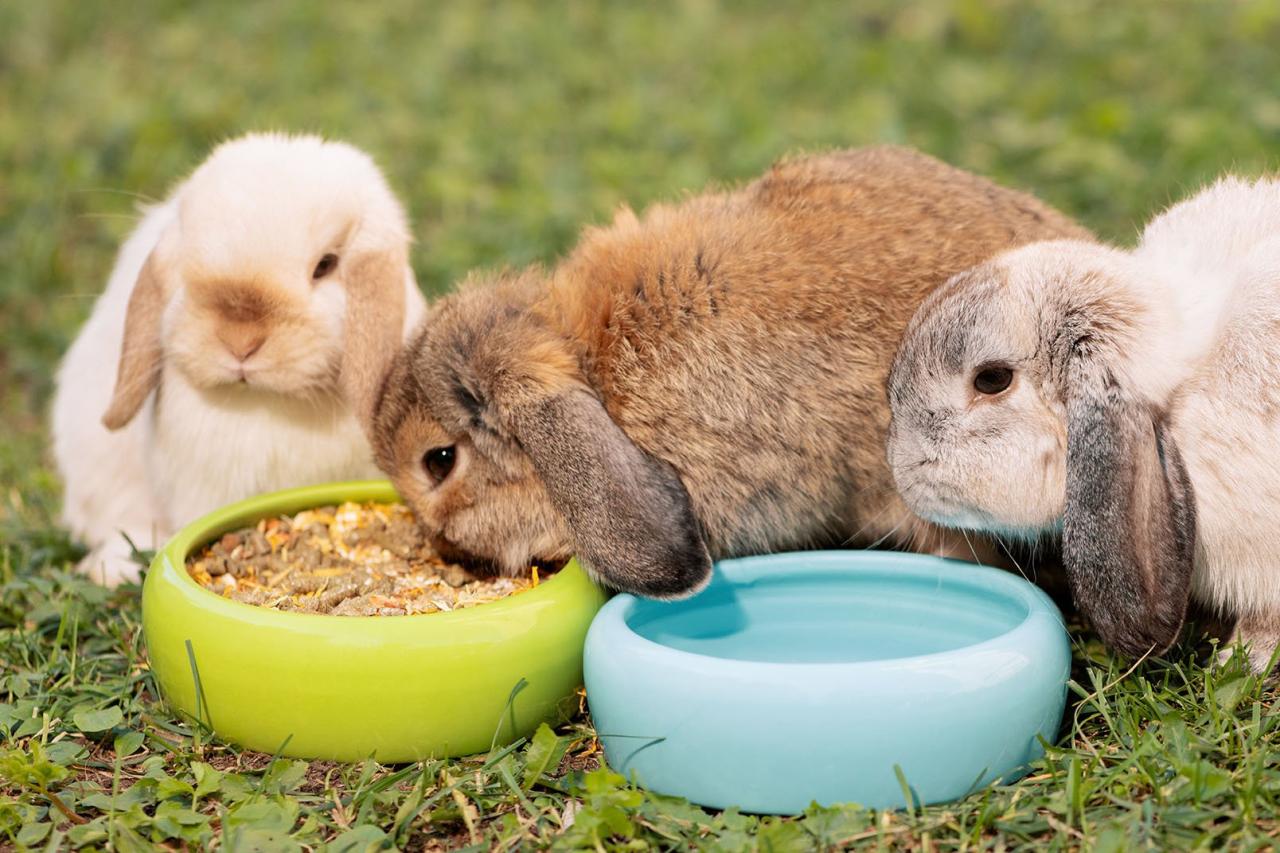
Proper preparation of herbs is crucial for ensuring rabbit safety and maximizing nutritional benefits. Washing, drying, and chopping herbs effectively removes potential contaminants and makes them palatable and digestible for rabbits. Careful selection and preparation methods also minimize the risk of introducing harmful substances into their diet.
Washing Herbs
Thorough washing is essential to remove dirt, dust, and pesticides that may be present on the herbs. This step is critical for maintaining the health and well-being of your rabbits. Use cool, clean water and gently rinse the herbs under running water, paying particular attention to removing any visible debris or dirt.
Drying Herbs
Drying herbs effectively preserves their nutrients and flavor, while also making them easier to store and incorporate into rabbit meals. This step is important to prevent the growth of bacteria and molds, which can be harmful to rabbits. Various methods can be used, including air drying, dehydrating, or using a food dehydrator. Air drying is a common and readily available method.
Chopping Herbs
Properly chopping herbs ensures that rabbits can easily consume them and that the nutrients are accessible. Small, manageable pieces are ideal to prevent choking hazards and to encourage proper digestion. Using a sharp knife or herb shears will help to ensure even, manageable sizes.
Removing Harmful Parts
It is imperative to remove any potentially harmful parts of the herbs before feeding them to your rabbits. Some plants, even if generally safe, may have parts that are toxic. Thorough examination is vital for avoiding any potential health issues. Look for thorns, stems, or other parts that may cause discomfort or harm to your rabbits.
Step-by-Step Guide for Preparing Different Herbs
This guide provides a standardized approach to preparing various herbs for rabbits. It details washing, drying, and chopping techniques for each herb, emphasizing the removal of any potentially harmful components.
- Parsley: Gently rinse under cool water, removing any visible debris. Air dry completely, then chop into small, manageable pieces. Discard any yellowed or wilted leaves.
- Dandelion Greens: Rinse thoroughly under cool water to remove dirt and debris. Air dry or dehydrate. Remove the tough stems before chopping into small pieces.
- Clover: Gently rinse under cool water. Air dry completely, then chop into small, manageable pieces. Discard any wilted or damaged leaves.
- Mint: Rinse thoroughly under cool water. Air dry or dehydrate. Remove the tough stems and chop into small, bite-sized pieces.
Herb Preparation Methods Table
This table provides a concise summary of the different preparation methods for various herbs commonly fed to rabbits.
| Herb | Washing Method | Drying Method | Chopping Method |
|---|---|---|---|
| Parsley | Gently rinse under cool water | Air dry | Chop into small pieces |
| Dandelion Greens | Thorough rinse under cool water | Air dry or dehydrate | Chop into small pieces, removing stems |
| Clover | Gently rinse under cool water | Air dry | Chop into small pieces |
| Mint | Thorough rinse under cool water | Air dry or dehydrate | Chop into bite-sized pieces, removing stems |
Managing Herb Portions and Frequency
Proper herb portioning and frequency are crucial for maintaining a healthy and happy rabbit. Overfeeding can lead to digestive upset, while underfeeding may not provide sufficient nutritional benefits. Careful attention to these factors ensures optimal herb consumption and supports the rabbit’s overall well-being.Herb feeding is not a one-size-fits-all approach. Individual rabbit needs vary based on factors like age, size, and overall health.
Understanding these variations allows for personalized feeding schedules that support optimal health.
Recommended Portion Sizes
Determining the appropriate herb portions requires considering the rabbit’s size and age. Young rabbits have smaller stomachs and require smaller portions than adult rabbits. Similarly, larger rabbits will need larger portions compared to smaller ones. Monitoring the rabbit’s weight and body condition will assist in determining the correct amount.
Frequency of Herb Feeding
Rabbits benefit from regular herb feedings, which are usually done several times a day. The exact frequency depends on the rabbit’s individual needs. However, it’s generally recommended to offer fresh herbs in small portions several times a day, rather than large portions once a day.
Monitoring Rabbit Reactions
Rabbits may react differently to new herbs. It’s important to monitor the rabbit for any signs of digestive upset, such as diarrhea, vomiting, or lethargy. If any of these issues arise, discontinue the herb immediately and consult a veterinarian. Observing the rabbit’s behaviour and noting any changes is crucial for recognizing potential problems.
Gradual Introduction of New Herbs
Introducing new herbs into the rabbit’s diet should always be done gradually. Start with small portions and observe the rabbit’s response. This gradual introduction helps to avoid any potential digestive issues that might arise from a sudden change in diet. By introducing herbs slowly, the rabbit’s digestive system can adjust to the new food source, reducing the risk of adverse reactions.
Suggested Herb Portion Sizes (based on rabbit weight)
| Herb | Small Rabbit (under 2 kg) | Medium Rabbit (2-4 kg) | Large Rabbit (over 4 kg) |
|---|---|---|---|
| Dandelion Greens | 1-2 tablespoons | 2-4 tablespoons | 4-6 tablespoons |
| Clover | 1-2 tablespoons | 2-4 tablespoons | 4-6 tablespoons |
| Parsley | 1 teaspoon | 2 teaspoons | 4 teaspoons |
| Carrot Tops | 1-2 tablespoons | 2-4 tablespoons | 4-6 tablespoons |
Note: These are approximate guidelines. Always adjust portions based on the rabbit’s individual needs and response. Consult a veterinarian for specific dietary recommendations.
Avoiding Harmful Herbs for Rabbits
Rabbits, with their delicate digestive systems, are susceptible to herb poisoning. Understanding which herbs are toxic and the symptoms of poisoning is crucial for responsible rabbit care. This section highlights the importance of avoiding these harmful plants and provides guidance on what to do if your rabbit accidentally consumes a toxic herb.
Toxic Herbs for Rabbits
Many seemingly harmless herbs can be detrimental to a rabbit’s health. A thorough understanding of which plants to avoid is essential to ensuring a rabbit’s well-being. Careless introduction of potentially harmful herbs can lead to serious health complications.
- Oleander (Nerium oleander): All parts of the oleander plant are extremely toxic to rabbits. Ingestion can cause severe cardiovascular issues, leading to potentially fatal arrhythmias and heart failure. The plant’s beauty should not overshadow its danger.
- Autumn Crocus (Colchicum autumnale): All parts of this plant contain colchicine, a potent toxin that affects the gastrointestinal and nervous systems. Symptoms can range from digestive upset to neurological issues, and even death. Avoid this plant completely.
- Lilies (Lilium species): All parts of lilies, including the pollen, are toxic to rabbits. Ingestion can lead to kidney failure, often within 24-48 hours. Even a small amount can cause significant harm.
- Azaleas and Rhododendrons (Rhododendron species): These popular ornamental shrubs contain toxins that can affect the rabbit’s cardiovascular system and central nervous system. Symptoms may include tremors, difficulty breathing, and even death.
- Castor Bean (Ricinus communis): The seeds of the castor bean plant are highly toxic. Even a small amount can cause severe gastrointestinal distress, kidney damage, and potentially death.
Symptoms of Herb Poisoning in Rabbits
Recognizing the symptoms of herb poisoning is crucial for timely intervention. Early detection can significantly improve the chances of successful treatment.
- Gastrointestinal Issues: Vomiting, diarrhea, loss of appetite, abdominal pain, and lethargy are common signs of gastrointestinal distress. These symptoms can indicate a broader range of potential causes, but are often an early warning sign of herb poisoning.
- Nervous System Problems: Tremors, seizures, incoordination, and changes in behavior (e.g., aggression, unusual stillness) may point to nervous system involvement. These can range from mild to severe.
- Cardiovascular Problems: Rapid or irregular heartbeat, difficulty breathing, and weakness can indicate heart problems. These symptoms often appear quickly after ingestion.
- Kidney Failure: Loss of appetite, lethargy, and reduced urine production are common indicators of kidney failure. This is a serious condition that requires immediate veterinary attention.
Importance of Avoiding Toxic Herbs
The complete avoidance of toxic herbs is paramount for rabbit health and well-being. A rabbit’s digestive system is not equipped to handle these substances, making even small amounts dangerous.
Action Plan if a Rabbit Ingests a Toxic Herb
Immediate action is crucial if you suspect your rabbit has ingested a toxic herb. Contact your veterinarian immediately. Be prepared to provide details about the herb ingested, the amount, and the time of ingestion. Providing this information to your veterinarian will allow them to assess the situation and develop an effective treatment plan.
Supplementing with Herbs
Supplementing a rabbit’s diet with carefully selected herbs can offer valuable support for their overall well-being. Beyond basic nutritional needs, herbs can play a crucial role in maintaining optimal digestive health, supporting dental health, and bolstering the immune system. This section delves into the specific ways herbs can be integrated into a rabbit’s care routine.While a balanced pellet-based diet is fundamental, herbs can provide supplementary nutrients and potentially aid in addressing specific health concerns.
The key is to introduce herbs gradually and in moderation, always ensuring the chosen herbs are safe for rabbits.
Role of Herbs in Digestive Health
Herbs can contribute significantly to maintaining a healthy digestive tract in rabbits. Certain herbs possess properties that can aid in digestion, preventing issues like bloating, gas, and digestive upset. Proper digestion is crucial for nutrient absorption and overall rabbit health.
Improving Dental Health Through Herbs
Chewing on certain herbs can help naturally wear down teeth, preventing dental issues associated with overgrown or misaligned teeth. This is especially important for rabbits prone to dental problems. Regular chewing on appropriate herbs can be a natural preventative measure.
Supporting Immune Function with Herbs
Many herbs contain compounds that may support the rabbit’s immune system, promoting resistance to various illnesses. By incorporating safe herbs into the diet, rabbit owners can help strengthen their pet’s natural defenses.
Herb Selection for Rabbit Health
The following table provides a guide to selecting herbs for specific rabbit health needs. It’s crucial to consult with a veterinarian before introducing any new herbs, especially for rabbits with pre-existing conditions.
| Herb | Health Benefit | How to Use | Cautions |
|---|---|---|---|
| Chamomile | Digestive aid, calming effect | Small amounts, ideally dried. Can be added to hay or pellets. | Avoid large quantities, as it may cause drowsiness. |
| Dandelion greens | Liver support, digestive aid, rich in vitamins | Small amounts, thoroughly washed, and dried. Offer as a supplement. | Avoid if the rabbit has liver problems. |
| Nettle | Immune support, nutrient boost | Small amounts, dried and finely chopped, added to the diet. | Avoid if the rabbit has kidney issues. |
| Yarrow | Anti-inflammatory, wound healing | Small amounts, dried and finely chopped, as a supplement. | Avoid if the rabbit is prone to bleeding. |
| Peppermint | Digestive aid, reducing gas | Small amounts, dried and finely chopped, added to the diet. | Avoid if the rabbit has heart problems. |
Herb-Based Treats and Treats
Enhancing a rabbit’s diet with delectable herb-based treats can be a rewarding experience for both you and your furry friend. These treats offer a tasty way to introduce a variety of beneficial herbs into their diet, promoting their overall well-being and enriching their daily routine. Careful selection and preparation are crucial to ensure these treats are both enjoyable and nutritious.
Incorporating Herbs into Rabbit Snacks
A variety of methods can be used to incorporate herbs into rabbit snacks, offering both palatable and nutritional options. Simply mixing finely chopped herbs with their regular food is a simple and effective approach. Another approach is to use herbs as a topping for their favorite treats like pellets or hay. You can also create small, bite-sized treats by shaping the herb mixture into appealing forms.
The key is to ensure the herbs are finely chopped and that the treat is not overly large, preventing choking hazards.
Creative Herb-Based Rabbit Treats
Encouraging variety in a rabbit’s diet is crucial for their overall health and well-being. Innovative herb-based treats not only provide nutritional value but also stimulate their natural curiosity and foraging instincts. By using a combination of safe herbs and creative preparation methods, you can make these treats an enjoyable and enriching part of their daily routine.
Examples of Herb-Based Rabbit Treats
| Treat Name | Ingredients | Preparation | Notes |
|---|---|---|---|
| Mint-Basil Bites | Finely chopped fresh mint and basil | Mix the herbs with a small amount of rabbit-safe fruit puree (like apple or banana) and form into small, bite-sized balls. | A refreshing treat with a pleasant aroma and taste. Ensure the fruit puree is used sparingly to avoid impacting the herb-focused nature of the treat. |
| Parsley-Carrot Sticks | Finely chopped fresh parsley and grated carrot | Mix the herbs and carrot, roll into small, thin sticks, and let them dry slightly for a crispier texture. | A healthy and crunchy treat that combines the nutritional benefits of both ingredients. Adjust the amount of carrot based on your rabbit’s preferences. |
| Chamomile-Oatmeal Cookies | Finely chopped fresh chamomile, rolled oats, and a small amount of rabbit-safe honey or molasses | Mix all ingredients together, form into small, flat cookies, and let them dry completely. | A soothing and calming treat perfect for bedtime. Honey or molasses should be used in very small quantities. Consider using other natural sweeteners instead. |
| Dill-Cucumber Bites | Finely chopped fresh dill and finely grated cucumber | Mix the herbs and cucumber, form into small, bite-sized pieces. | A refreshing treat perfect for warm weather. Cucumber provides hydration, which is beneficial for rabbits. |
Troubleshooting Herb-Related Issues
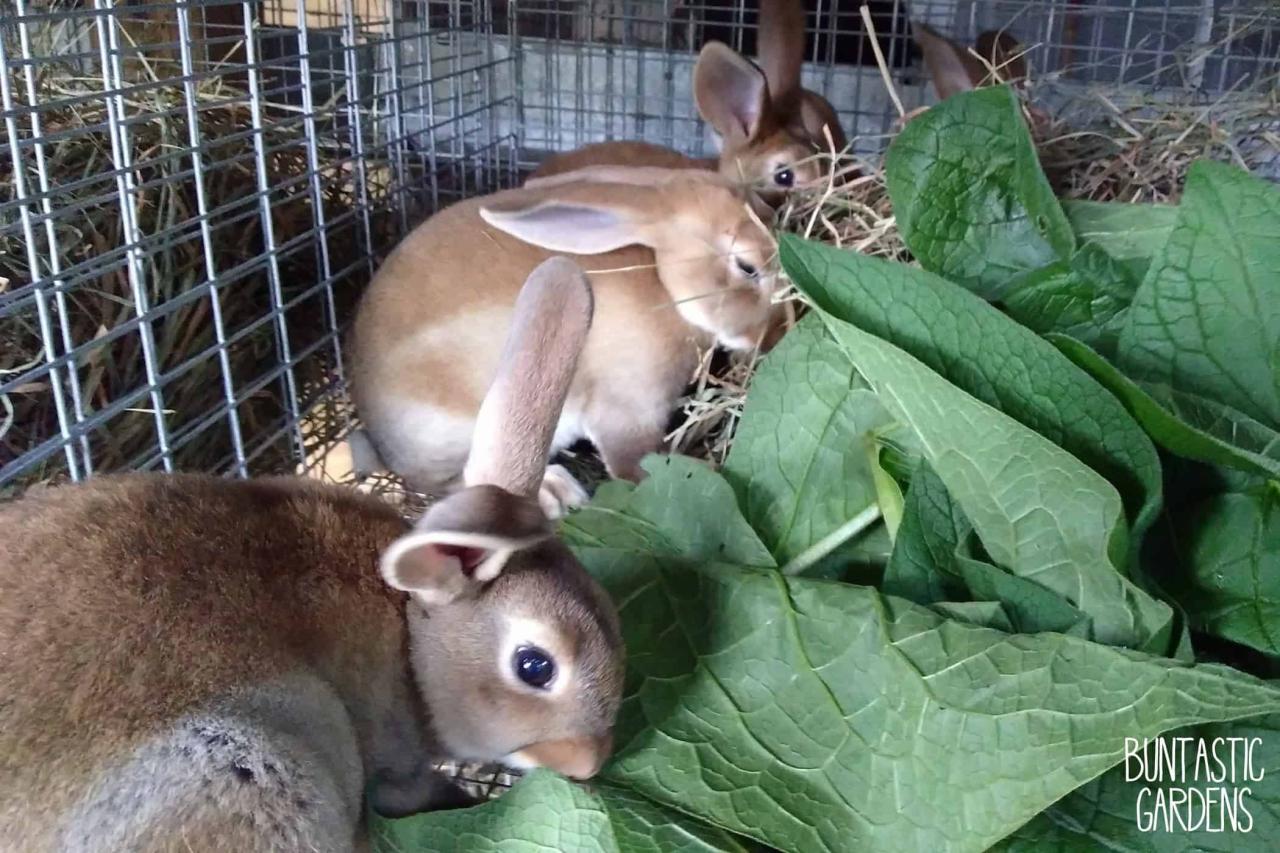
Providing appropriate and safe herbs for rabbits is crucial for their well-being. However, potential issues can arise, requiring careful observation and prompt action. This section details common problems and their management.Understanding the potential challenges in herb feeding allows rabbit owners to react swiftly and effectively, preventing complications and ensuring the rabbit’s continued health and happiness.
Identifying Digestive Issues
Digestive upset is a frequent concern when introducing new herbs to a rabbit’s diet. Observing changes in their stool consistency, frequency, and overall behavior is essential. Soft, watery stools or diarrhea, along with lethargy or loss of appetite, could indicate digestive issues. These symptoms can arise from an overconsumption of certain herbs, or an inability to digest certain plant fibers.
A gradual introduction of new herbs, ensuring proper chewing and digestion, is essential.
Managing Allergic Reactions
Some rabbits might exhibit allergic reactions to certain herbs. Allergic reactions can manifest in various ways, including skin irritation, itching, swelling, or hives. A new herb should be introduced gradually, observing the rabbit’s reaction carefully. If any signs of an allergic reaction appear, the herb should be immediately discontinued. Consulting a veterinarian is highly recommended if the allergic reaction is severe or persistent.
Addressing Respiratory Problems
Certain herbs, particularly those with strong aromas, can irritate the respiratory system. Symptoms of respiratory problems include sneezing, coughing, or difficulty breathing. These issues could stem from the herb’s volatile compounds or pollen. Rabbits with pre-existing respiratory conditions are more vulnerable. Introducing herbs gradually, and monitoring for any signs of respiratory distress, is vital.
If respiratory problems occur, consulting a veterinarian is crucial.
Table of Common Herb-Related Issues
| Issue | Symptoms | Possible Causes | Solutions |
|---|---|---|---|
| Digestive Upset | Watery or soft stools, diarrhea, loss of appetite, lethargy | Overconsumption of certain herbs, difficulty digesting plant fibers, introducing too many herbs at once | Reduce the amount of the suspected herb, offer familiar, easily digestible foods, monitor stool consistency, consult a veterinarian if symptoms persist. |
| Allergic Reaction | Skin irritation, itching, swelling, hives, loss of appetite, lethargy | Sensitivity to certain herb compounds, introducing herbs too quickly | Discontinue the suspected herb immediately, monitor for further reactions, consult a veterinarian for guidance. |
| Respiratory Problems | Sneezing, coughing, difficulty breathing, nasal discharge | Exposure to strong-smelling herbs, irritation from volatile compounds or pollen | Reduce or eliminate the suspected herb from the diet, monitor breathing patterns closely, consult a veterinarian if symptoms persist. |
Final Summary
In conclusion, providing rabbits with a balanced diet, enriched with carefully chosen herbs, is crucial for their overall health and well-being. This comprehensive guide offers a structured approach to understanding and implementing this essential aspect of rabbit care. By following the guidelines provided, rabbit owners can confidently incorporate safe herbs into their pet’s diet, supporting their health and ensuring a happy and thriving companion.
Remember that responsible herb feeding is vital for a rabbit’s optimal health.