Rabbits are fascinating creatures requiring specific dietary needs to thrive. Understanding how to feed rabbits properly is crucial for their health and well-being. This guide delves into the essential aspects of rabbit nutrition, from the importance of hay and fresh vegetables to identifying potentially harmful foods. We’ll explore the unique digestive system of rabbits and the nutritional needs of various breeds, ensuring you have the knowledge to provide the best care for your furry friend.
A balanced diet is paramount to maintaining a rabbit’s health and happiness. This comprehensive guide covers everything from the fundamental nutritional components rabbits require to practical feeding tips, ensuring you provide the optimal diet for your rabbit’s unique needs. This information empowers rabbit owners to provide optimal care, leading to a healthier and happier rabbit.
Introduction to Rabbit Feeding
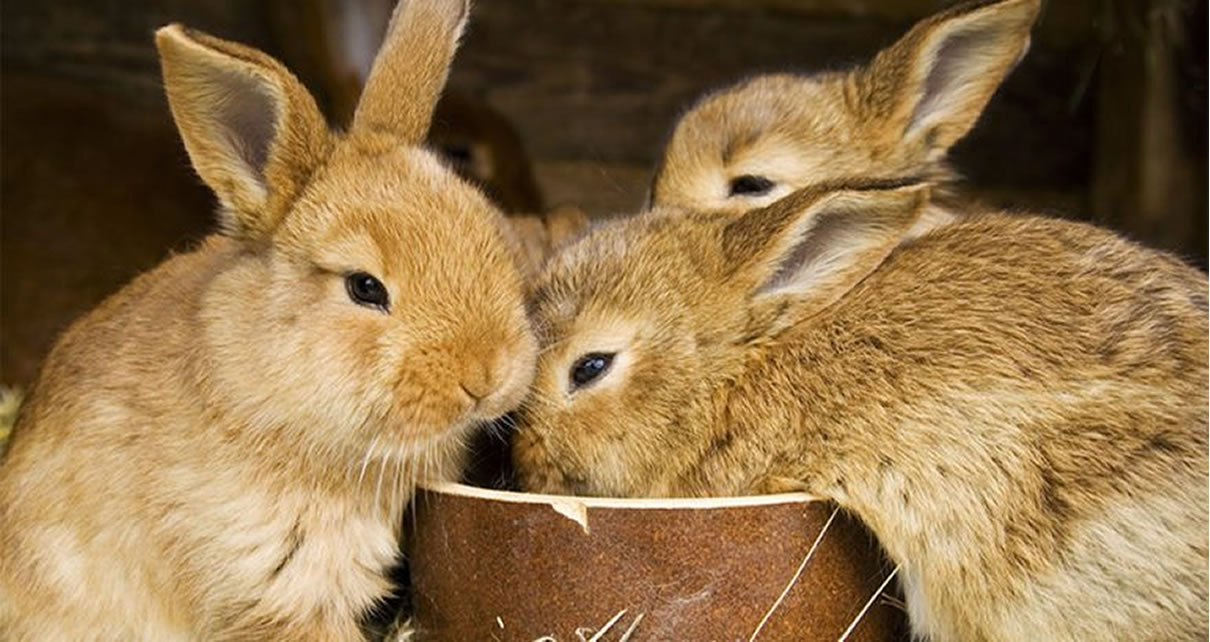
Proper rabbit nutrition is crucial for their overall health and well-being. Rabbits, with their unique digestive systems, require a specific diet to thrive. A balanced and appropriate diet prevents numerous health issues, from digestive problems to dental disease and obesity. Understanding these needs and providing the correct food types and quantities is essential for rabbit owners.Rabbit digestion is highly sensitive.
Their digestive systems are designed to process plant-based foods, and abrupt dietary changes or inappropriate food choices can lead to serious consequences. This section Artikels the importance of proper rabbit nutrition, the dietary needs of rabbits, potential health problems associated with poor feeding practices, and nutritional requirements across different breeds.
Dietary Needs of Rabbits
Rabbits are herbivores, meaning their primary food source must be plant-based. Their digestive systems are specifically adapted for digesting fibrous plant material. This unique system includes a large cecum, a pouch-like organ where bacteria ferment plant matter. These bacteria break down complex carbohydrates into usable nutrients. A diet deficient in fiber can disrupt this delicate balance, potentially leading to digestive upsets and other health complications.
Potential Health Consequences of Improper Feeding
Improper feeding practices can have significant adverse effects on rabbit health. A diet lacking essential nutrients can result in various deficiencies, affecting their coat, bones, and overall vitality. Overfeeding or providing inappropriate foods can lead to obesity, digestive issues like bloating and impaction, and dental problems from malocclusion. These issues are often exacerbated by the rabbits’ inability to regulate their food intake effectively.
Types of Rabbits and Nutritional Requirements
While various breeds of rabbits exist, their fundamental nutritional requirements remain largely consistent. Most breeds have similar digestive systems and dietary needs, although some breeds may have specific needs due to their size or temperament. For example, a larger breed might require a slightly higher calorie intake compared to a smaller one. However, the underlying principle of a balanced diet rich in fiber remains paramount for all breeds.
There is no significant variation in nutritional requirements across different rabbit breeds.
Key Nutritional Components
A well-balanced rabbit diet must include essential nutrients to support their overall health. The table below Artikels the key components and their daily requirements. These values are general guidelines and individual needs may vary. Consult with a veterinarian for personalized advice.
| Nutrient | Daily Requirement | Source |
|---|---|---|
| Fiber (crude fiber) | > 18% | Hay (Timothy, Orchardgrass, Alfalfa), leafy greens |
| Protein | 12-18% | Hay, pellets, occasional fresh vegetables |
| Vitamins (A, D, E, K) and Minerals (calcium, phosphorus) | Varied | Hay, leafy greens, pellets, occasional treats |
Essential Foods for Rabbits
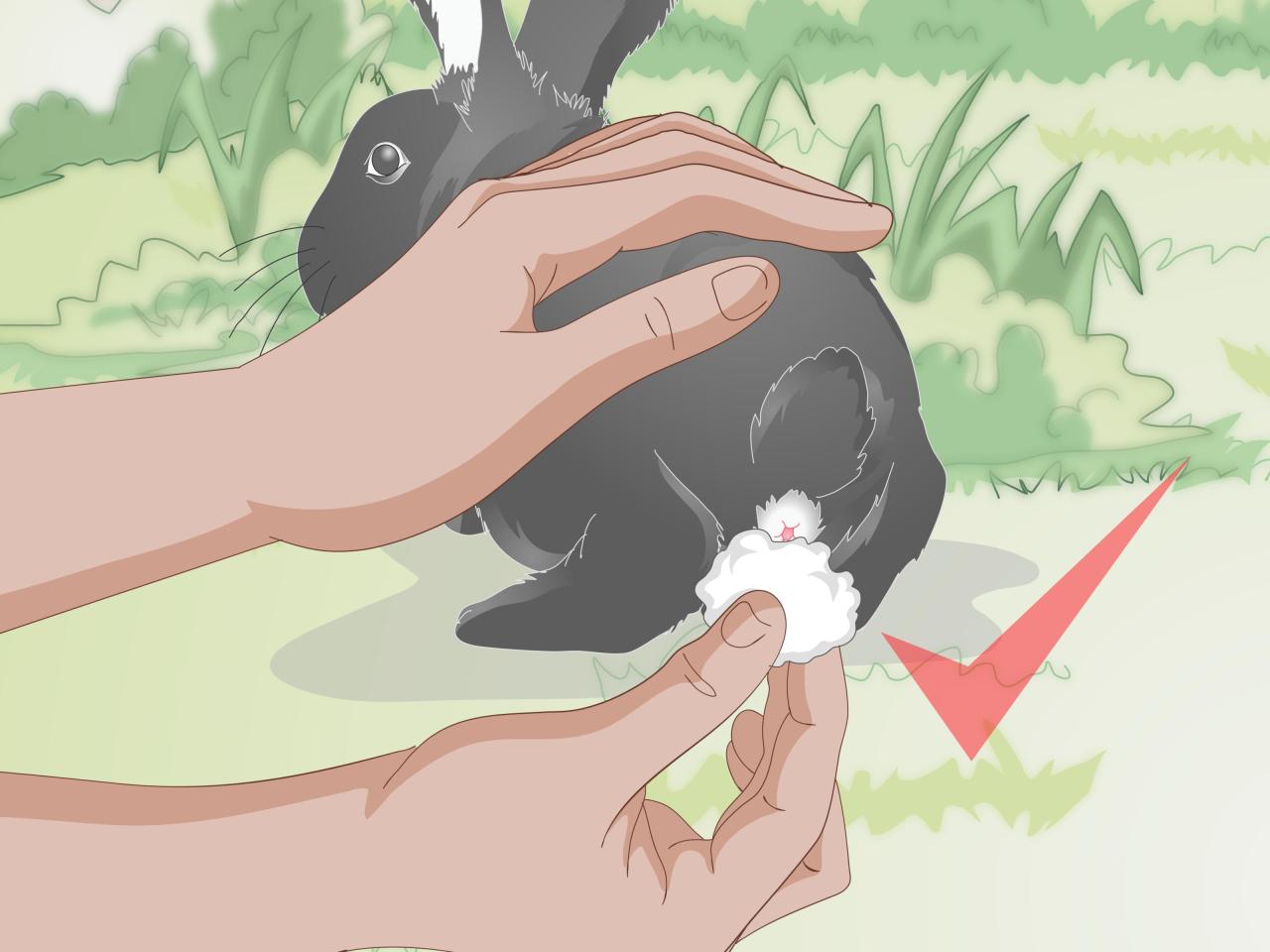
A rabbit’s diet is crucial for its overall health and well-being. Providing the correct balance of essential foods ensures a happy and thriving companion. Understanding the needs of your rabbit and tailoring their diet accordingly is vital.Proper rabbit nutrition is not just about feeding them; it’s about providing a diet that supports their natural digestive system, which is highly specialized for consuming plant matter.
This includes the right types and amounts of hay, vegetables, pellets, and water. A well-balanced diet prevents digestive issues, promotes healthy growth and development, and contributes to a long and happy life for your rabbit.
The Crucial Role of Hay
Hay forms the foundation of a rabbit’s diet. It provides essential fiber, which is vital for maintaining a healthy digestive system. Rabbits rely on constant chewing to keep their teeth worn down, and hay plays a key role in this process. The continuous grinding action aids in preventing dental problems and promotes healthy digestion. It also provides a significant portion of the daily fiber requirement, aiding in the movement of food through the digestive tract.
The consistent consumption of hay also keeps rabbits feeling full and satisfied.
The Importance of Fresh Vegetables
Fresh vegetables provide rabbits with essential vitamins and minerals beyond what hay can offer. A variety of vegetables is key to ensuring a comprehensive nutrient intake. Crucially, these additions complement the fiber-rich hay, providing a balanced diet that supports overall health and well-being. Vegetables contribute vital nutrients that support various bodily functions.
The Necessity of Fresh Water
Fresh, clean water is absolutely essential for all rabbits. It’s required for hydration, digestion, and overall bodily functions. Water is crucial for maintaining the appropriate consistency of digestive processes, and proper hydration helps prevent potential health problems. Providing a constant supply of fresh water is paramount to a rabbit’s health and well-being.
Appropriate Amount of Pellets for Different Breeds
Rabbit pellets should be considered a supplemental food source, not a primary one. The amount of pellets depends on the age, breed, and activity level of the rabbit. Younger rabbits and those with higher activity levels may need more pellets than older, more sedentary rabbits. Consult with a veterinarian to determine the appropriate amount of pellets for your specific rabbit.
Small amounts of pellets are best given as a supplement to a diet rich in hay and vegetables.
A Balanced Daily Feeding Schedule
A consistent feeding schedule promotes healthy digestion and prevents overeating. A balanced schedule should include unlimited access to hay, a portion of fresh vegetables, and a controlled amount of pellets. This helps maintain the natural foraging behavior of rabbits. A typical daily schedule could involve unlimited hay, 1-2 cups of fresh vegetables, and a small amount of pellets (usually about 1/4 cup).
Remember to adjust portion sizes based on your rabbit’s individual needs.
Comparing Different Types of Hay
| Hay Type | Fiber Content | Other Nutrients |
|---|---|---|
| Timothy Hay | High | Good source of protein, vitamins, and minerals |
| Oat Hay | Moderate | Good source of energy, vitamins, and minerals |
| Alfalfa Hay | Moderate | Higher in protein and calcium, often used for growing rabbits. |
Alfalfa hay, while containing higher protein and calcium, is often recommended only for growing rabbits or those with specific dietary needs. Timothy hay is a popular choice for its balanced nutritional profile. Oat hay is a good option as a supplement to the diet, offering additional energy and nutrients. Always prioritize hay as the primary food source in a rabbit’s diet.
Avoiding Harmful Foods
Proper rabbit nutrition hinges on providing a balanced diet free from potentially toxic substances. A comprehensive understanding of harmful foods is crucial for ensuring the health and well-being of your furry friend. Knowing what to avoid is as important as knowing what to feed.Many seemingly harmless foods can be detrimental to rabbits. These substances can cause various health issues, ranging from digestive upset to severe organ damage.
Careful observation and avoidance of these items are essential for maintaining optimal rabbit health.
Common Toxic Foods for Rabbits
A rabbit’s digestive system is specifically adapted for consuming plant-based foods. Certain human foods, while safe for us, can be extremely dangerous for rabbits. This is due to differences in digestive processes and metabolic capabilities. Understanding these differences is key to creating a safe and healthy diet for your rabbit.
List of Foods to Strictly Avoid
The following list highlights foods that should never be given to your rabbit. Their potential for causing harm significantly outweighs any perceived benefit.
- Chocolate: Contains theobromine, a compound toxic to rabbits. Ingestion can lead to symptoms such as hyperactivity, tremors, and even seizures.
- Avocado: Contains persin, a toxin that can be harmful to rabbits. This toxin can cause gastrointestinal upset, lethargy, and potentially more severe issues.
- Grapes and raisins: The exact mechanism is not fully understood, but grapes and raisins are known to be toxic to rabbits. They can lead to kidney failure in rabbits.
- Onions and garlic: These contain compounds that can damage red blood cells, leading to anemia and other health problems in rabbits. Even small amounts can be harmful.
- Macadamia nuts: While toxic to many animals, including dogs, macadamia nuts can also cause severe illness in rabbits. Symptoms can range from tremors and weakness to potentially fatal complications.
- Salty foods: Excess salt can cause severe health problems for rabbits, such as dehydration and electrolyte imbalances.
- Sugary foods: Excessive sugar intake can lead to dental issues, digestive problems, and weight gain in rabbits. Avoid candy, cookies, and other sweets.
- Dairy products: Rabbits are not equipped to digest dairy products, which can cause digestive distress and discomfort.
- Alcohol: Like other animals, alcohol is toxic to rabbits. Avoid giving them any alcoholic beverages.
- Processed foods: Avoid any processed foods, as they are often high in salt, sugar, and other harmful additives that are not suitable for rabbits.
Symptoms of Rabbit Poisoning
Recognizing the signs of poisoning is crucial for prompt veterinary intervention. Early detection can significantly improve the chances of a successful recovery.
- Loss of appetite: A decrease in eating habits is often one of the initial signs.
- Lethargy and weakness: Rabbits may become sluggish and less active than usual.
- Diarrhea or vomiting: Changes in digestive function can indicate poisoning.
- Tremors or seizures: These are more serious signs that require immediate veterinary attention.
- Difficulty breathing: Problems with respiration can be indicative of severe poisoning.
- Changes in urination or defecation: Variations in these bodily functions can suggest internal issues.
- Dehydration: Rabbits may show signs of dryness, including sunken eyes.
Table of Foods to Avoid and Their Harmful Effects
This table summarizes the harmful effects of some common foods that rabbits should not consume.
| Food | Harmful Effect |
|---|---|
| Chocolate | Can cause hyperactivity, tremors, and seizures |
| Avocado | Can cause gastrointestinal upset and lethargy |
| Grapes/Raisins | May lead to kidney failure |
| Onions/Garlic | Can damage red blood cells, potentially leading to anemia |
| Macadamia Nuts | Can cause tremors, weakness, and potentially fatal complications |
Feeding Practices and Tips
Proper feeding practices are crucial for a rabbit’s overall health and well-being. A balanced diet, consistent schedule, and attentive monitoring of eating habits contribute significantly to their longevity and happiness. Understanding the nuances of feeding allows you to provide the best possible care for your furry friend.
Hay Feeding Methods
Hay forms the cornerstone of a rabbit’s diet, providing essential fiber for digestive health. Offering hay in a readily accessible manner ensures continuous consumption. Avoid using small, shallow bowls as these can lead to hay wastage. Instead, use a large, heavy-duty hay rack or a sturdy container to prevent spillage and ensure the hay remains fresh and clean.
Make sure the hay is always fresh and free of mold or dust. Consider using multiple hay stations around the enclosure to allow for greater accessibility and prevent competition among multiple rabbits.
Fresh Vegetable Serving
Fresh vegetables should be offered in moderation, supplementing the hay-based diet. Provide a variety of vegetables, ensuring portions are small and appropriate for the rabbit’s size and age. Introduce new vegetables gradually to prevent digestive upset. Washing and chopping vegetables into bite-sized pieces enhances palatability and ease of consumption. Ensure that any leafy greens are not overly wilted or damaged.
Importance of a Consistent Feeding Schedule
A regular feeding schedule fosters a predictable routine for the rabbit, which promotes digestive health and overall well-being. Consistent meal times establish a pattern of eating and digestion, preventing digestive problems. A consistent schedule reduces the likelihood of overeating and promotes healthier weight management. It’s important to maintain the same feeding schedule for the rabbit to maintain a healthy digestive system and ensure the rabbit is getting the correct nutrition.
Monitoring Rabbit Health Through Eating Habits
Monitoring a rabbit’s eating habits is a valuable tool for assessing their health. Observe any changes in appetite, such as decreased or increased consumption, or a change in food preferences. Changes in eating habits can signal underlying health issues. A rabbit that suddenly stops eating could indicate a medical problem, while excessive eating could suggest a metabolic disorder.
Regular observation of their eating habits allows for early detection of potential health problems.
Step-by-Step Guide for Feeding Rabbits
- Assess the rabbit’s needs: Consider the rabbit’s age, breed, size, and activity level to determine appropriate portion sizes.
- Provide unlimited hay: Ensure constant access to high-quality hay to support healthy digestion.
- Offer fresh vegetables in moderation: Introduce new vegetables gradually and in small portions to avoid digestive issues.
- Maintain a consistent feeding schedule: Feed at roughly the same time each day to establish a predictable routine.
- Monitor eating habits: Observe for any changes in appetite, such as decreased or increased consumption, or unusual food preferences.
- Adjust portions as needed: Observe the rabbit’s weight and adjust portions to maintain a healthy weight.
Feeding Tips for Different Rabbit Ages and Sizes
| Rabbit Age | Feeding Tip |
|---|---|
| Young Rabbits (under 6 months) | Provide smaller portions of hay, vegetables, and pellets, and monitor closely for signs of overeating or digestive upset. |
| Adult Rabbits (6 months to 2 years) | Offer unlimited hay, a variety of vegetables in moderation, and appropriate pellets. |
| Senior Rabbits (over 2 years) | Adjust portion sizes of vegetables and pellets to maintain a healthy weight. Monitor for dental problems and provide softer foods as needed. |
| Small Rabbits | Offer smaller portions of food compared to larger rabbits, and monitor for signs of overeating or digestive issues. |
| Large Rabbits | Provide larger portions of food to meet their increased nutritional needs. |
Supplementation and Special Needs
Proper rabbit nutrition goes beyond just providing essential foods. Supplementing their diet with specific vitamins and minerals, and understanding their unique needs, is crucial for maintaining their overall health and well-being. This section will address when and how to supplement, highlighting the importance of these nutrients and common health issues linked to nutritional deficiencies.Understanding a rabbit’s nutritional needs is key to their well-being.
By recognizing when and how to supplement, you can ensure optimal health and address potential issues proactively.
When to Supplement a Rabbit’s Diet
Supplementation isn’t always necessary for healthy rabbits on a balanced diet. However, certain situations warrant supplementation, including growing rabbits, pregnant or lactating does, and those recovering from illness or injury. Senior rabbits may also require adjustments to their nutritional intake. Additionally, rabbits with specific health conditions, such as dental problems, may need supplemental feeding approaches.
Importance of Vitamins and Minerals
Vitamins and minerals are essential for various bodily functions, impacting everything from bone health to immune function. Vitamin A, for instance, is vital for healthy vision and immune response. Calcium and phosphorus are crucial for strong bones and teeth, especially during growth and reproduction. Many rabbits require supplemental vitamin and mineral supplementation. A balanced diet of fresh hay, pellets, and vegetables generally provides most of the necessary nutrients, but supplementation may be necessary in specific cases.
Common Rabbit Health Issues Related to Nutrition
Nutritional deficiencies can manifest in various ways. Dental problems, such as malocclusion, can lead to difficulty chewing and eating, impacting nutrient intake. Obesity can also arise from an imbalanced diet, causing various health complications. A lack of essential vitamins and minerals can result in a range of symptoms, including weakened immune systems, slowed growth, and skeletal abnormalities.
It is important to be vigilant in identifying early warning signs.
Addressing Nutritional Deficiencies in Rabbits
Addressing nutritional deficiencies requires a careful approach. Consult with a veterinarian to determine the specific nutritional needs of your rabbit. They can provide tailored recommendations based on the rabbit’s individual circumstances and health conditions. Dietary changes and supplementation should always be implemented under veterinary supervision.
Examples of Appropriate Supplements and Their Use
Calcium supplements, often in powdered form, are beneficial for pregnant or lactating rabbits and growing kits. Vitamin supplements can be added to the diet, often in a liquid form, to ensure sufficient intake. Always follow the manufacturer’s instructions regarding dosage and frequency.
Table of Common Rabbit Health Issues and Potential Nutritional Causes
| Health Issue | Potential Nutritional Cause |
|---|---|
| Dental Problems (e.g., malocclusion) | Inadequate hay intake, lack of proper chewing surfaces, inappropriate food choices |
| Obesity | High intake of high-calorie foods (e.g., excessive pellets, treats), insufficient exercise |
| Weak Immune System | Lack of essential vitamins (e.g., Vitamin A), insufficient intake of leafy greens |
Understanding Different Rabbit Breeds

Rabbit breeds exhibit a fascinating diversity, each with unique characteristics, including variations in size, coat type, and temperament. Recognizing these breed-specific traits is crucial for providing optimal care, including tailoring feeding practices to meet individual nutritional requirements. A deeper understanding of breed-specific needs allows for more effective management of digestive health and overall well-being.
Dietary Differences Between Breeds
Different rabbit breeds have varying nutritional needs, influenced by factors like their size, activity level, and overall metabolism. Giant breeds, for instance, will require a greater daily intake of food compared to smaller breeds. Breed-specific differences in digestive systems also play a role in determining the appropriate types of feed and the quantity that should be consumed.
Specific Nutritional Needs of Each Breed
The specific nutritional needs of each breed are closely tied to their individual size, growth rate, and activity level. Larger breeds, like Flemish Giants, require a higher calorie intake compared to smaller breeds, like Dutch rabbits. Likewise, the nutritional needs of breeding rabbits differ from those of non-breeding rabbits. Additionally, the presence of specific health conditions or genetic predispositions may influence the dietary requirements of particular breeds.
Influence of Breed on a Rabbit’s Digestive System
Breed plays a crucial role in shaping a rabbit’s digestive system. The digestive system’s efficiency in processing feed varies between breeds, impacting the amount and type of food required. Some breeds are predisposed to digestive issues if not fed an appropriate diet, emphasizing the importance of breed-specific considerations in feeding regimens.
Comparison of Feeding Requirements for Different Rabbit Ages
Young rabbits, or kits, have different nutritional needs compared to adult rabbits. Kits require a higher concentration of nutrients for rapid growth and development. As rabbits mature, their dietary requirements change, reflecting the adjustments in their metabolic needs. Senior rabbits also have unique nutritional needs, often requiring a diet that supports their aging bodies.
Examples of Different Rabbit Breeds and Their Feeding Needs
Flemish Giants, known for their large size, require a higher daily intake of high-quality hay and pellets compared to smaller breeds like Dutch rabbits. Dwarf breeds generally need less food than larger breeds. Breed-specific needs should always be considered, as a one-size-fits-all approach to feeding is not appropriate.
Table Comparing Average Daily Food Intake for Different Breeds
| Breed | Average Daily Food Intake |
|---|---|
| Flemish Giant | Approximately 150-200 grams |
| Dutch Rabbit | Approximately 50-100 grams |
| Dwarf Lop | Approximately 75-125 grams |
Note: These are approximate values and may vary based on individual rabbit size, activity level, and overall health. Consult with a veterinarian or experienced rabbit breeder for personalized feeding recommendations.
End of Discussion
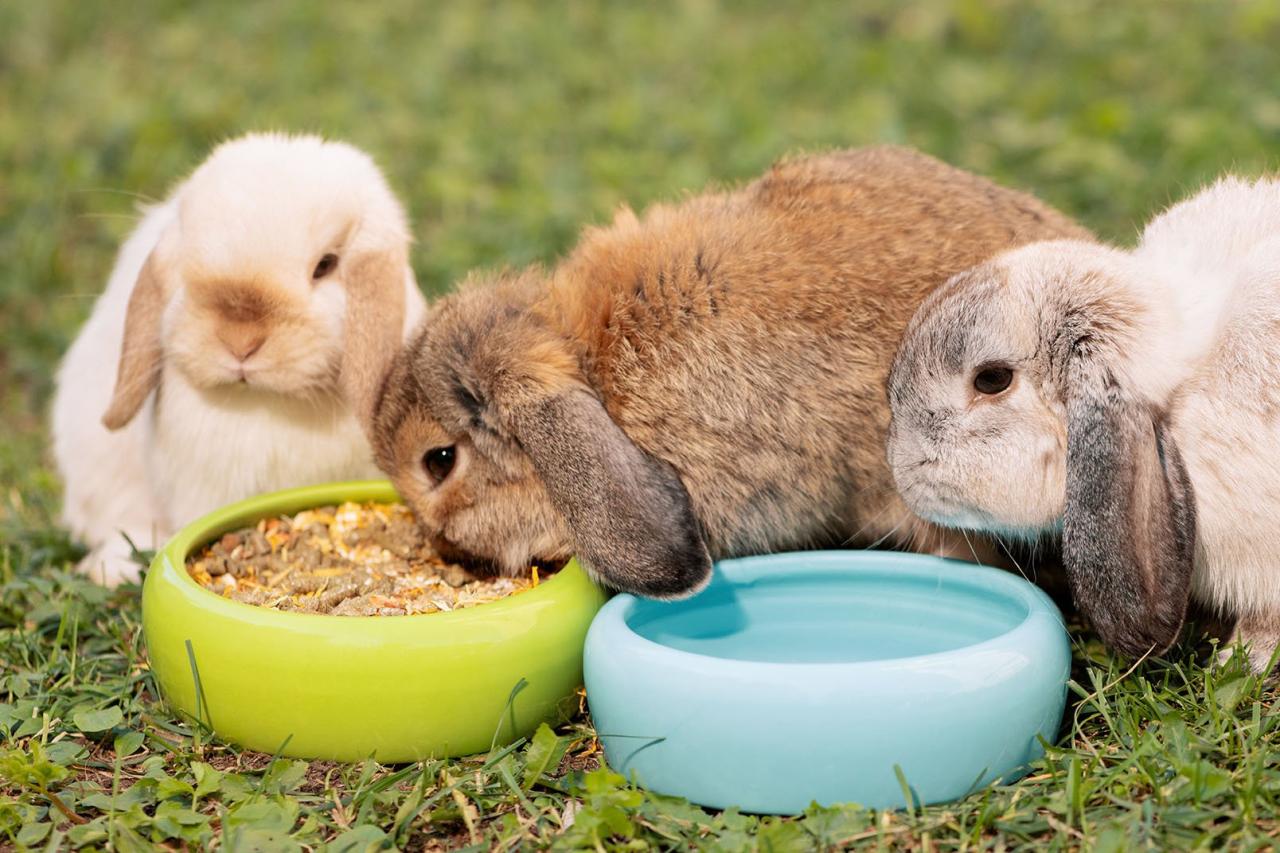
In conclusion, this comprehensive guide has explored the multifaceted world of rabbit nutrition. By understanding the importance of hay, fresh vegetables, and appropriate pellets, along with recognizing harmful foods, you can ensure your rabbit receives a balanced and nutritious diet. Remember that consistency in feeding practices and monitoring your rabbit’s health through their eating habits are vital for their overall well-being.
This guide provides a strong foundation for responsible rabbit care, promoting a long and healthy life for your furry companion.