Rabbit breeding, a fascinating pursuit, offers a rewarding connection with these charming creatures. This comprehensive guide delves into the intricacies of rabbit husbandry, from initial considerations to ongoing care. Understanding the breeds, their specific needs, and the breeding process is crucial for successful rabbit propagation.
This guide explores various aspects of rabbit breeding, including the breeds’ characteristics, ideal housing and environment, nutritional requirements, the breeding process itself, health management, and post-birth care. Thorough record-keeping and ethical considerations are also highlighted, promoting responsible and successful rabbit breeding practices.
Introduction to Rabbit Breeding
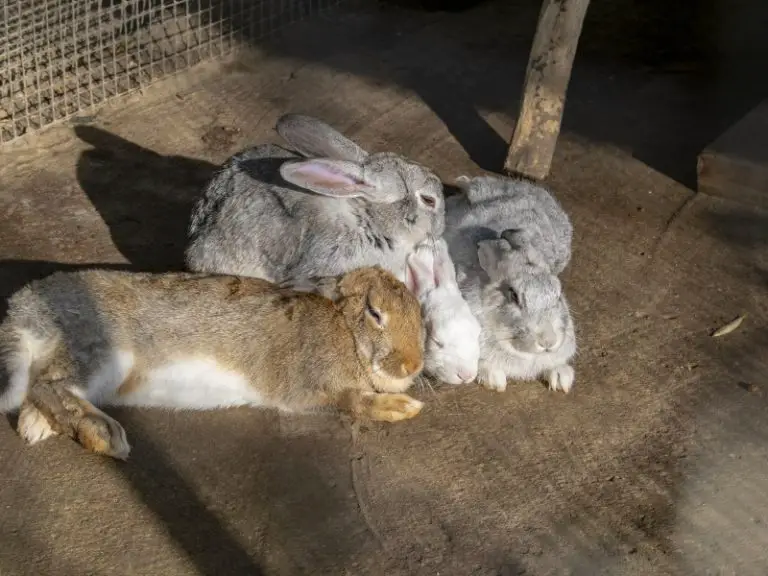
Rabbit breeding is a rewarding hobby and a valuable agricultural pursuit, offering a fascinating insight into animal husbandry. From the gentle companionship of domestic rabbits to the production of high-quality meat and fur, rabbit breeding encompasses a wide range of applications. This involves careful selection of breeding stock, understanding the specific needs of each breed, and meticulous record-keeping to maintain healthy and productive lines.
A comprehensive understanding of rabbit breeding is crucial for success.Rabbit breeding necessitates a deep understanding of various aspects, including breed characteristics, husbandry practices, and health management. Success hinges on choosing suitable breeds, maintaining optimal living conditions, and ensuring proper nutrition and veterinary care. Thorough research and preparation are essential for a thriving rabbitry.
Rabbit Breeds and Their Characteristics
Understanding the different rabbit breeds is paramount for successful breeding. Various breeds exhibit unique physical traits, temperaments, and suitability for different purposes. Some breeds are prized for their soft fur, while others are raised primarily for meat production. A good understanding of these differences is essential when selecting breeding stock.
- Giant breeds, like the Flemish Giant, are known for their large size, gentle disposition, and suitability for meat production. These rabbits require ample space and a robust diet.
- Small breeds, such as the Dwarf Lop, often possess unique coat patterns and are popular pets. They are generally easier to handle and can thrive in smaller enclosures.
- Fur-focused breeds, such as the Rex, are highly valued for their dense, velvety fur. Breeding these rabbits requires meticulous attention to coat care and proper husbandry techniques.
History of Rabbit Breeding
Rabbit breeding has a rich history, evolving from its origins as a source of food and fur to a modern hobby and agricultural practice. Early domestication of rabbits involved selective breeding to produce desirable traits. Over time, various breeds emerged, each with its own unique characteristics.
- Early records show that rabbits were domesticated in Europe centuries ago.
- The development of rabbit breeding societies and organizations facilitated the standardized selection and categorization of breeds.
- Today, rabbit breeding continues to evolve, with breeders constantly working to improve the health, temperament, and productivity of their animals.
Knowledge and Skills Required
Successful rabbit breeding necessitates a comprehensive knowledge base and a set of practical skills. From understanding rabbit anatomy and physiology to implementing proper husbandry techniques, numerous factors contribute to successful breeding practices. Careful planning and execution are critical for managing a healthy and productive rabbitry.
- Understanding rabbit health, including common diseases and preventative measures, is essential.
- Proper nutrition is crucial for maintaining optimal health and reproductive success. A balanced diet is essential for breeding.
- Appropriate housing and environment are key to ensuring the well-being of the rabbits. Adequate space, cleanliness, and ventilation are critical factors.
Comparison of Rabbit Breeds Suitable for Breeding
The following table provides a concise comparison of various rabbit breeds suitable for breeding, highlighting their size, temperament, and lifespan. This table aids in choosing a breed that aligns with specific needs and goals.
| Breed | Size (approx.) | Temperament | Lifespan (approx.) |
|---|---|---|---|
| Flemish Giant | Large | Gentle, docile | 8-10 years |
| Rex | Medium | Friendly, playful | 7-9 years |
| Dwarf Lop | Small | Active, curious | 7-8 years |
| Dutch | Medium | Friendly, adaptable | 7-9 years |
Housing and Environment
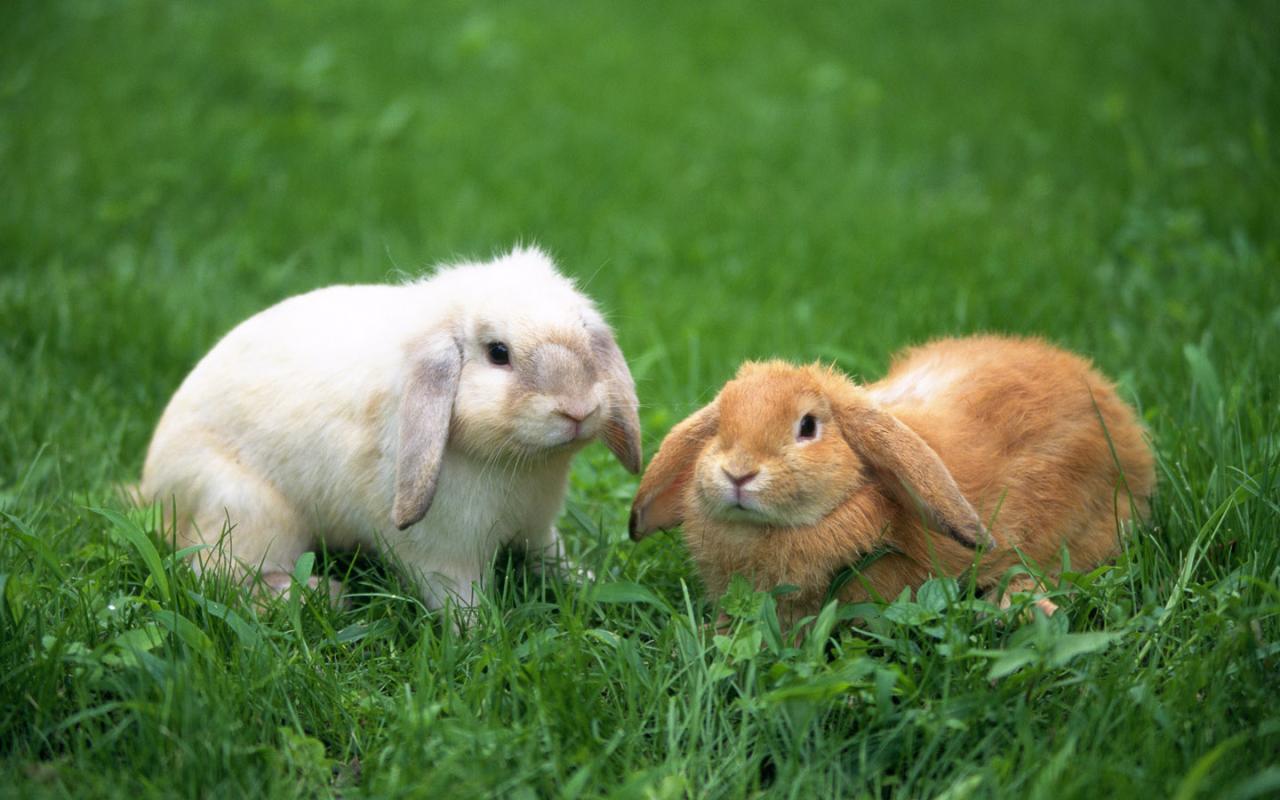
Providing suitable housing is crucial for the health and well-being of your rabbits. A comfortable and stimulating environment directly impacts their physical and mental health, promoting longevity and happiness. Proper housing goes beyond simply providing a space to live; it’s about mimicking their natural habitat as closely as possible to ensure optimal comfort and prevent stress.Optimal housing conditions should prioritize safety, hygiene, and opportunities for natural behaviors.
A well-designed hutch or cage will prevent injury, promote good health, and allow your rabbits to thrive. Understanding the ideal conditions and features of different housing options is key to making the right choice for your rabbits.
Ideal Housing Conditions
Maintaining suitable temperatures and ventilation is essential for rabbit health. The ideal temperature range for rabbits is between 60°F and 70°F (15°C and 21°C). Avoid extreme temperatures, as these can lead to illness or stress. Adequate ventilation is also critical to prevent the buildup of ammonia and moisture, which can cause respiratory problems and other health issues.
Ensure proper airflow within the housing, and consider using wire mesh floors to promote airflow and prevent urine buildup. Avoid placing the hutch in direct sunlight or drafty areas.
Hutch Features
A well-designed hutch provides a safe and comfortable space for rabbits. Essential features include a spacious nesting box, where rabbits can feel secure and comfortable for rest and breeding. The nesting box should be large enough to accommodate the rabbit’s size and allow for comfortable movement. Also, readily available and easily accessible food and water dispensers are vital for maintaining their nutritional needs.
Litter trays are crucial for hygiene and should be large enough to catch waste effectively. The hutch should also be constructed of durable, non-toxic materials, resistant to chewing.
Enrichment and Exercise
Providing enrichment and exercise opportunities is paramount to maintaining a rabbit’s physical and mental well-being. Rabbits are naturally active animals, and lack of exercise can lead to obesity, boredom, and behavioral problems. Offer a variety of toys, such as cardboard boxes, tunnels, and chew toys. Ensure there is adequate space for rabbits to explore and exercise within the hutch or run.
Outdoor runs can offer more space for exercise and interaction with the environment.
Housing Options Comparison
Different housing options cater to varying needs and preferences. Hutches provide a contained space, ideal for individual rabbits or small families. Indoor cages offer more control over the environment but may limit space and interaction. Outdoor runs provide more space and freedom, but require more attention to weather conditions and security to prevent escapes.
Essential Housing Supplies
The following table Artikels essential supplies for rabbit housing, including quantities and quality considerations.
| Supply | Quantity | Quality Considerations |
|---|---|---|
| Hutch/Cage | One per rabbit or family | Durable, non-toxic materials, proper size |
| Nesting Box | One per rabbit or family | Appropriate size, comfortable material |
| Food and Water Dispensers | Two per rabbit or family | Easy to fill and clean, durable |
| Litter Tray | One per rabbit or family | Large enough, absorbent material |
| Toys/Enrichment Items | Multiple | Safe for rabbits to chew and play with |
| Run (if applicable) | One per rabbit or family | Secure, weather-resistant materials |
Nutrition and Feeding
Proper nutrition is crucial for the health and well-being of rabbits, impacting their growth, reproduction, and overall lifespan. A balanced diet tailored to their specific needs is essential for maintaining their optimal condition. This section will detail the nutritional requirements of rabbits, the types of food suitable for them, and appropriate feeding schedules for different life stages.A balanced diet for rabbits primarily consists of high-fiber foods, providing the necessary nutrients for their digestive system.
This includes hay, pellets, and fresh vegetables. Understanding these components and their roles in the rabbit’s diet is vital for successful rabbit breeding.
Nutritional Needs of Rabbits
Rabbits are herbivores, meaning their diet primarily consists of plant-based materials. Their digestive systems are uniquely adapted to process fibrous plant matter, making hay a cornerstone of their diet. Pellets provide supplementary nutrients, and fresh vegetables contribute vitamins and minerals. A diet lacking in any of these essential components can lead to digestive issues, nutrient deficiencies, and other health problems.
Types of Food Suitable for Rabbits
A rabbit’s diet should consist of several key components to ensure a balanced intake of nutrients. Hay forms the bulk of their diet, providing essential fiber for proper digestion and gut health. High-quality grass hay, such as Timothy hay, is a great choice.
- Hay: Hay is the most important component of a rabbit’s diet. It provides essential fiber for digestion and helps maintain a healthy gut. Timothy hay is a popular choice due to its nutritional content and digestibility. Avoid using alfalfa hay for adult rabbits, as it’s higher in protein and calcium, which can lead to health issues in older rabbits.
- Pellets: Rabbit pellets provide supplementary nutrients, including vitamins and minerals. Select a pellet specifically formulated for rabbits. These pellets should complement the hay, not replace it.
- Fresh Vegetables: Fresh vegetables can be given as treats, but should be offered in moderation. Offer a variety of vegetables, such as leafy greens, carrots, and bell peppers. Be mindful of potentially harmful vegetables like onions, garlic, and rhubarb.
Feeding Schedule and Portion Sizes
The appropriate feeding schedule and portion sizes depend on the rabbit’s age, size, and activity level. Young rabbits require more frequent feedings to support their growth. Lactating does also need more frequent and larger meals.
- Weanlings (young rabbits): Weanlings require more frequent feedings to support their growth. Provide small amounts of food several times a day. The frequency will decrease as they mature.
- Adult Rabbits: Adult rabbits can typically be fed once or twice daily. Portion sizes should be adjusted based on the rabbit’s individual needs and activity level.
- Gestating Does: During pregnancy, does require increased nutritional intake to support the developing kits. Increase the amount of pellets and hay, and offer fresh vegetables. Monitor the doe’s weight gain and adjust feeding as needed.
- Lactating Does: Lactating does require the most nutritional support, as they produce milk to nourish their kits. Provide high-quality pellets, hay, and fresh vegetables in generous portions.
Preventing Overfeeding and Providing Fresh Water
Overfeeding can lead to obesity and related health problems. Always ensure the food portions are appropriate for the rabbit’s size and activity level. Fresh water should be available at all times, as dehydration can quickly become a serious issue for rabbits.
Sample Rabbit Feeding Schedule
The following table provides a sample feeding schedule for different life stages of rabbits, including gestation and lactation. Adjust portions based on individual rabbit needs.
| Life Stage | Hay | Pellets | Vegetables | Frequency |
|---|---|---|---|---|
| Weanlings (3-6 weeks) | Small portions, multiple times daily | Small portions, multiple times daily | Small portions, multiple times daily | 3-4 times daily |
| Adult Rabbits | Unlimited access | 1/4 cup per rabbit per day | Small portions, daily | 1-2 times daily |
| Gestating Does | Unlimited access | Increased to 1/2 cup per day | Increased portions, daily | 1-2 times daily |
| Lactating Does | Unlimited access | Increased to 3/4 cup per day | Increased portions, daily | 2-3 times daily |
Breeding Process and Management
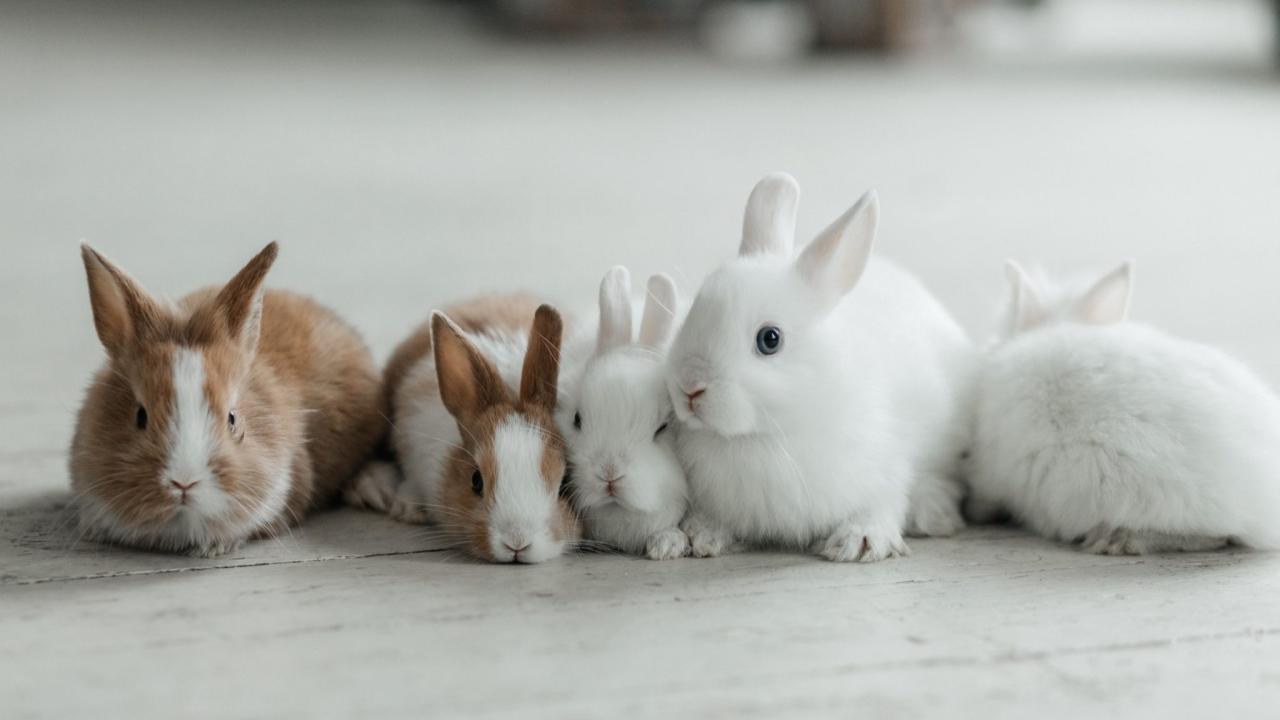
Rabbit breeding, when managed responsibly, can be a rewarding experience, yielding healthy offspring and contributing to a thriving rabbitry. Careful attention to the breeding process, from initial pairing to post-natal care, is essential for the well-being of both the parents and the young. This section will detail the critical aspects of rabbit breeding management, emphasizing the importance of responsible practices.Proper breeding management not only ensures the health and well-being of the rabbits but also safeguards against potential genetic issues and promotes the production of healthy, desirable offspring.
This involves a comprehensive understanding of rabbit physiology, careful selection of breeding pairs, and diligent monitoring throughout the gestation and nursing periods.
Signs of Sexual Maturity
Rabbits reach sexual maturity at varying ages, influenced by breed and environmental factors. Visual cues and behavioral patterns are key indicators of readiness for breeding. In females, the development of prominent vulva and the presence of regular estrus cycles, typically accompanied by restlessness and mounting behavior, are significant signs. Males exhibit increased aggression and a more pronounced musculature, particularly around the genitalia.
These signs, coupled with appropriate physical examination, assist in determining readiness for breeding.
Pairing Rabbits
Carefully selecting breeding pairs is crucial to minimize health risks and maintain desirable traits within the rabbit population. Breeding closely related rabbits can lead to the expression of recessive genetic defects, compromising the health and longevity of offspring. Evaluating the lineage and health history of potential breeding pairs is paramount, considering factors like freedom from genetic diseases and potential temperament compatibility.
Breeding rabbits with demonstrably different physical characteristics or traits can result in desirable offspring. A proper balance of characteristics within the breeding stock can ensure the health and desired traits of the offspring.
Identifying Pregnant Rabbits and Monitoring Gestation
Identifying pregnant rabbits often relies on visual and physical observations. A subtle swelling of the abdomen, noticeable after approximately 2 weeks of breeding, can be a sign of pregnancy. Regular monitoring of the rabbit’s behavior and appetite can further aid in the assessment of pregnancy. The gestation period for rabbits is approximately 30-32 days. Maintaining a consistent environment and ensuring adequate nutrition are crucial during this period.
Keeping a meticulous record of breeding dates and monitoring the rabbit’s weight can assist in anticipating potential issues.
Care for Pregnant and Nursing Rabbits
Pregnant rabbits require a comfortable, spacious environment with adequate bedding and shelter. Maintaining a consistent temperature and minimizing stress are paramount during this period. Providing a balanced diet rich in essential nutrients is essential to support the developing fetuses. Post-partum, the nursing mother requires a diet with elevated protein and nutrient content to support lactation and the growth of the young.
Providing ample space for the mother and her offspring, while carefully observing the mother’s behavior and the young’s development, is crucial for their well-being.
Rabbit Breeding Process
| Step | Description |
|---|---|
| Pairing | Select appropriate breeding pairs based on health and desired traits. Monitor mating activity and ensure successful breeding. |
| Pregnancy Detection | Observe physical changes in the doe, like abdominal swelling. Monitor behavior and appetite. |
| Gestation Period Monitoring | Maintain consistent environment and provide appropriate nutrition. Monitor weight and behavior. |
| Pre-Delivery Care | Ensure ample space and comfort. Maintain proper diet. Provide quiet and stress-free environment. |
| Delivery and Post-natal Care | Assist with delivery if necessary. Monitor the mother and offspring for any complications. Provide ample nutrition to the mother. |
Health and Disease Management
Maintaining the health of your rabbits is paramount to their well-being and longevity. Proactive health management, including preventative measures and prompt veterinary attention, is crucial for successful rabbit breeding. This section will detail common health issues, their symptoms, and the importance of preventative care.
Common Health Problems in Rabbits
Rabbits, like other domesticated animals, are susceptible to various health issues. Understanding these common problems is essential for recognizing potential problems early and ensuring appropriate care. Prompt identification and treatment can significantly improve the rabbit’s chances of recovery.
- Dental Problems: Malocclusion, or improper bite alignment, is a common issue. Overgrown teeth, particularly incisors, can lead to discomfort, difficulty eating, and pain. This can occur due to inadequate nutrition, improper chewing, or genetic predisposition. Regular dental check-ups and trimming are crucial to prevent these issues.
- Respiratory Infections: Upper respiratory infections (URIs) are prevalent in rabbits. Symptoms include sneezing, nasal discharge, and difficulty breathing. These infections are often contagious, so prompt isolation of affected rabbits is essential to prevent the spread.
- Gastrointestinal Stasis: This condition, characterized by a slowdown or cessation of intestinal movement, is a serious issue. Symptoms include loss of appetite, lethargy, and abdominal distension. Proper diet, hydration, and environmental enrichment can help prevent this condition. Stress and sudden dietary changes can also trigger this problem.
- Ear Infections: Rabbits are prone to ear infections, which can be caused by bacteria or fungi. Symptoms include head shaking, scratching at the ears, and discharge. Regular cleaning and monitoring are vital to prevent ear infections.
- Eye Problems: Conjunctivitis and other eye infections can occur. Symptoms include redness, discharge, and squinting. These problems can often be treated with appropriate veterinary care.
Symptoms and Treatments for Various Rabbit Illnesses
Accurate identification of symptoms is critical for effective treatment. Rabbits often exhibit subtle signs of illness, making early detection challenging. Prompt veterinary intervention is essential for successful treatment.
- Dental Problems: Symptoms include difficulty eating, weight loss, drooling, and pain when chewing. Treatment involves dental care, potentially including trimming overgrown teeth by a veterinarian.
- Respiratory Infections: Symptoms include sneezing, nasal discharge, difficulty breathing, lethargy, and a loss of appetite. Treatment typically involves antibiotics, supportive care, and isolation to prevent further spread.
- Gastrointestinal Stasis: Symptoms include loss of appetite, lethargy, abdominal distension, and decreased fecal production. Treatment focuses on stimulating intestinal movement, rehydration, and adjusting the diet. This may require veterinary intervention.
- Ear Infections: Symptoms include head shaking, scratching at the ears, discharge, and redness. Treatment involves cleaning the ears and using appropriate ear medications prescribed by a veterinarian.
- Eye Problems: Symptoms include redness, discharge, squinting, and pain. Treatment depends on the specific cause, ranging from topical eye drops to more extensive veterinary care.
Importance of Regular Veterinary Check-Ups
Regular veterinary check-ups are vital for maintaining the health of your rabbits. These check-ups allow for early detection of potential health problems, enabling prompt intervention and preventing more serious issues. Veterinarians can identify early signs of illness, administer vaccinations, and provide preventive care.
Preventative Measures for Common Rabbit Diseases
Preventive measures can significantly reduce the risk of rabbit diseases. Maintaining a clean and healthy environment, a balanced diet, and providing adequate exercise are essential preventative steps.
- Hygiene: Keeping the rabbit’s cage and environment clean helps prevent the spread of infections. Regular cage cleaning and disinfection are essential.
- Nutrition: A balanced diet helps support the rabbit’s immune system. Ensure appropriate nutritional needs are met to avoid deficiencies.
- Stress Reduction: Reducing stress minimizes the risk of illness. Providing a safe and stimulating environment, minimizing sudden changes, and ensuring proper socialization can contribute to reducing stress.
Table of Common Rabbit Illnesses and Their Symptoms
This table provides a quick reference guide for common rabbit illnesses and their associated symptoms. Early identification of these symptoms can lead to timely intervention and treatment.
| Illness | Symptoms |
|---|---|
| Dental Problems | Difficulty eating, weight loss, drooling, pain when chewing |
| Respiratory Infections | Sneezing, nasal discharge, difficulty breathing, lethargy, loss of appetite |
| Gastrointestinal Stasis | Loss of appetite, lethargy, abdominal distension, decreased fecal production |
| Ear Infections | Head shaking, scratching at the ears, discharge, redness |
| Eye Problems | Redness, discharge, squinting, pain |
Rabbit Care After Birth
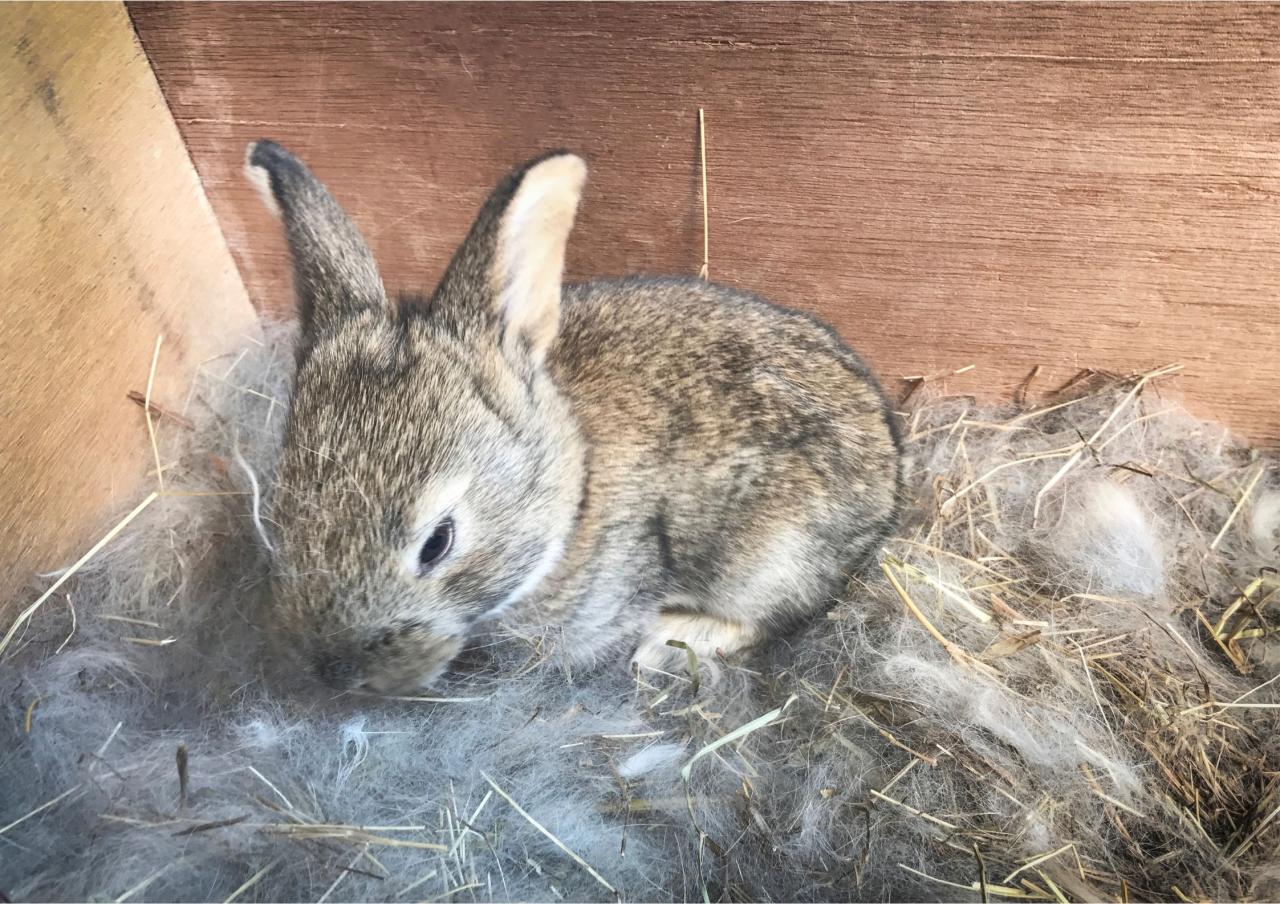
Newborn rabbits, or kits, require meticulous care to ensure their survival and healthy development. Proper care after birth significantly impacts the mother’s health and the kits’ future well-being. The mother rabbit, the doe, plays a crucial role in this process, but human intervention can be essential for optimal outcomes.Understanding the specific needs of the kits, such as their feeding and housing requirements, allows for proactive management and minimizes potential risks.
Monitoring the doe and kits for signs of illness or distress is critical for timely intervention. This proactive approach ensures a high survival rate for the kits and a healthy, productive breeding program.
Feeding Newborn Rabbits
The doe’s milk is the primary source of nutrition for newborn rabbits for the first few weeks of life. However, supplemental feeding may be necessary if the doe isn’t producing enough milk or if the kits are not nursing adequately. Proper feeding methods are crucial to ensure optimal growth and development.
- Provide a warm, dry, and draft-free environment for the kits. This is critical for maintaining their body temperature, which is crucial in the early stages of life.
- Ensure the doe has access to a constant supply of fresh water. Adequate hydration is vital for both the doe and the kits.
- Observe the kits for signs of hunger, such as restlessness or whimpering. Prompt intervention can prevent issues.
- Monitor the kits for any signs of weight loss or poor growth. Regular monitoring allows for timely intervention if issues arise.
Housing and Environment
Creating a suitable environment for the doe and kits is essential for their well-being. The environment must support the needs of the mother and ensure optimal development for the young.
- The nesting box should be spacious enough to accommodate the doe and the kits without feeling cramped. This ensures the kits have adequate space to move around and develop.
- Maintain a clean and hygienic environment. Regular cleaning prevents the buildup of harmful bacteria and parasites, protecting both the doe and the kits.
- Keep the temperature consistent and appropriate for the rabbit species. Avoid extreme temperatures, which can stress the doe and kits.
- Ensure the nesting area is well-insulated to maintain a constant temperature, particularly for the newborn kits.
Monitoring for Illness or Distress
Regular monitoring is crucial for identifying and addressing potential problems early.
- Regularly check the kits for signs of illness or distress. Symptoms can include lethargy, loss of appetite, diarrhea, or abnormal breathing patterns.
- Monitor the doe for signs of illness or distress. This includes changes in appetite, lethargy, or unusual behavior.
- Isolate any sick kits or the doe to prevent the spread of illness.
- Observe the kits for proper nursing behavior and signs of distress. If the kits are not nursing, supplemental feeding may be necessary.
Weaning Process
The weaning process, gradually transitioning the kits to solid food, is critical for their development.
- Begin introducing solid food gradually, around 3-4 weeks of age. This involves offering small amounts of high-quality rabbit pellets, hay, and fresh vegetables.
- Continue to offer milk or a milk substitute alongside the solid food until the kits are fully transitioned.
- Continue monitoring the kits for any signs of digestive upset after the transition to solid food.
- Ensure the kits have access to fresh water at all times. Water is vital for their overall health and development.
Identifying and Addressing Potential Problems
Early detection and prompt intervention are key to addressing potential issues.
- Dehydration: Observe the kits for signs of dehydration, such as dry noses or sunken eyes. Provide fresh water immediately and consider a supplemental oral rehydration solution if necessary.
- Diarrhea: Note any signs of diarrhea, which can be a symptom of various infections or dietary indiscretions. Isolate the affected kit and consult a veterinarian for guidance.
- Respiratory Problems: Monitor for labored breathing or nasal discharge. Consult a veterinarian promptly.
- Malnutrition: Regular monitoring for weight loss or poor growth. Adjust feeding strategies or consult a veterinarian as needed.
Steps to Care for Newborn Rabbits
A systematic approach ensures the well-being of the kits.
- Daily Observation: Carefully inspect each kit for any signs of illness or distress. Look for lethargy, poor appetite, or abnormal behavior.
- Cleanliness: Maintain a clean and hygienic environment for the kits. This minimizes the risk of disease.
- Temperature Control: Ensure the environment is warm and draft-free. Maintain a consistent temperature, especially for the newborn kits.
- Feeding Support: Provide supplementary feeding if the doe isn’t nursing adequately or the kits are not nursing properly.
- Hygiene: Regularly clean and sanitize the housing area to prevent disease outbreaks.
- Veterinary Care: Consult a veterinarian if any issues arise or if the kits show signs of illness.
Breeding Record Keeping
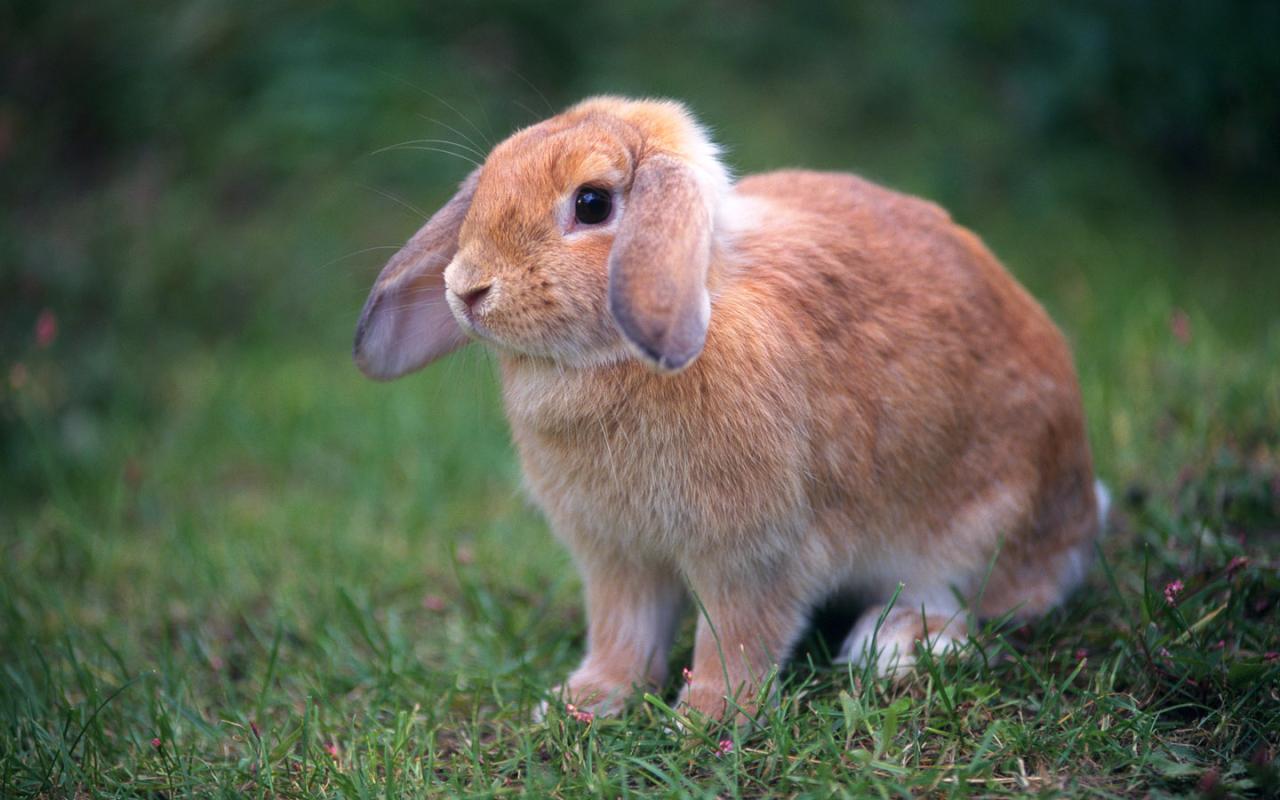
Maintaining detailed breeding records is crucial for successful rabbit breeding. Thorough documentation allows breeders to track lineage, identify patterns, and make informed decisions about future pairings, ultimately improving the overall quality and health of their rabbit stock. Accurate records are essential for responsible breeding and serve as a valuable resource for future generations of rabbit enthusiasts.
Importance of Breeding Records
Comprehensive breeding records are invaluable tools for rabbit breeders. They provide a historical context for understanding the traits and characteristics passed down through generations. This allows for the identification of desirable traits and the avoidance of undesirable ones, improving the quality of the rabbit stock. By meticulously documenting breeding activities, breeders can pinpoint successful pairings, identify potential genetic weaknesses, and enhance the overall health and productivity of their rabbits.
Information to Include in Breeding Records
Accurate and detailed records are essential for tracking rabbit lineages. These records should include specific information about each breeding event, offspring, and related details. This meticulous documentation ensures that breeders have a complete history of their rabbits and can analyze patterns to enhance breeding practices.
- Dates: Record the precise dates of mating, birth, and any other significant events related to the breeding process. This chronological documentation provides a clear timeline of events.
- Pairings: Note the specific sire (male) and dam (female) involved in each breeding. Include the identification numbers or names of both parents to ensure accurate lineage tracking.
- Offspring Details: Document the number of kits (young rabbits) born, their sex, and any notable physical characteristics or health conditions observed. This detailed information helps identify potential genetic predispositions or other relevant traits.
- Health Status: Record any health issues or vaccinations administered to the parents and offspring. This information aids in managing the health of the rabbit population.
- Litter Size: Note the number of offspring born in each litter, which can be valuable in evaluating reproductive health.
Breeding Log Template
A structured breeding log template facilitates the organization and retrieval of crucial breeding information. This template should include fields for all the essential data points described previously. The consistency and completeness of the records are critical for accurate analysis and future breeding decisions.
| Date | Sire ID/Name | Dam ID/Name | Mating Date | Litter Size | Sex of Offspring | Health Notes | Date of Birth | Offspring ID |
|---|---|---|---|---|---|---|---|---|
| 2024-10-26 | 123 | 456 | 2024-10-15 | 8 | 4 Male, 4 Female | All kits healthy | 2024-10-26 | 1-8 |
| 2024-11-15 | 789 | 101 | 2024-11-05 | 6 | 3 Male, 3 Female | One kit showing slight weakness | 2024-11-15 | 9-14 |
Using Records to Improve Breeding Practices
Breeding records enable the identification of patterns and trends. This analysis helps breeders understand which pairings are most successful, which traits are being passed down, and what areas may require improvement. The ability to analyze historical data is critical for enhancing breeding practices and achieving desired outcomes.
- Identifying Successful Pairings: Reviewing past breeding records allows breeders to identify pairings that consistently produce healthy and desirable offspring. This knowledge guides future breeding decisions.
- Tracking Traits: By documenting the characteristics of offspring, breeders can observe the inheritance of specific traits, such as coat color, size, and temperament. This insight allows for the selective breeding of animals with desirable traits.
- Addressing Genetic Issues: Breeding records can highlight any potential genetic weaknesses or health issues in the rabbit population. Identifying these issues enables breeders to make informed decisions about breeding practices and prevent the spread of undesirable traits.
Sample Breeding Record Form
The following form is a sample breeding record form, designed to ensure comprehensive data collection.
Rabbit Breeding Record
Date: _____________
Sire ID/Name: _____________
Dam ID/Name: _____________
Mating Date: _____________
Litter Size: _____________
Sex of Offspring: _____________
Health Notes: _____________
Date of Birth: _____________
Offspring ID: _____________
Additional Notes: _____________
Ethical Considerations in Rabbit Breeding
Responsible rabbit breeding extends beyond the practical aspects of housing, nutrition, and health management. It encompasses a crucial ethical dimension, focusing on the well-being and welfare of the rabbits throughout their lives. Prioritizing their comfort, health, and minimizing suffering is paramount. This section explores the ethical considerations inherent in rabbit breeding, highlighting responsible practices to ensure a humane approach.
Avoiding Overbreeding
Overbreeding is a significant ethical concern in rabbit breeding. It leads to compromised rabbit welfare due to increased stress on the doe, potential for health issues, and ultimately, decreased quality of life. Maintaining a healthy breeding program requires careful consideration of the doe’s capacity to conceive and raise litters. Breeders should assess the doe’s physical condition and reproductive history before initiating breeding.
Overcrowding can also be a factor in overbreeding. Maintaining appropriate space and resources for each rabbit is essential for their well-being.
Ensuring Rabbit Well-being
Prioritizing rabbit well-being is fundamental to ethical breeding practices. Rabbits are sensitive animals, and their needs must be addressed proactively. This includes providing a comfortable environment with appropriate space, enrichment, and social interaction. Recognizing and responding to signs of stress or discomfort is critical. Breeders should routinely monitor the rabbits for any signs of illness or distress.
Proper nutrition is also vital for maintaining their well-being.
Responsible Breeding Practices for Population Health
Responsible breeding practices contribute significantly to the overall health of the rabbit population. Inbreeding, for instance, can result in a reduction in genetic diversity and increase the risk of genetic defects. By selecting healthy and compatible breeding pairs, and avoiding inbreeding, breeders can contribute to a healthier rabbit population. Regular health screenings and veterinary care can also identify potential problems early on.
Ethical breeding practices, in essence, act as a proactive measure to safeguard the long-term health and well-being of the rabbits.
Common Ethical Concerns and Solutions
Several ethical concerns frequently arise in rabbit breeding. One is the potential for neglect, where inadequate care leads to health issues and discomfort for the rabbits. Providing appropriate housing, nutrition, and veterinary care addresses this concern. Another concern is the possibility of inhumane culling practices. A breeder’s approach to culling must be humane and address any necessary welfare issues in a timely manner.
This often involves a responsible euthanasia protocol.
Table of Ethical Considerations in Rabbit Breeding
| Ethical Consideration | Explanation | Example |
|---|---|---|
| Avoiding Overbreeding | Preventing the breeding of rabbits beyond their physical and mental capacity. | A doe that has just given birth should not be bred immediately. |
| Ensuring Rabbit Well-being | Providing adequate space, enrichment, and nutrition to maintain optimal health and comfort. | Providing toys and hiding places in the rabbit hutch to stimulate natural behaviours. |
| Responsible Breeding Practices | Selecting healthy and compatible breeding pairs to maintain genetic diversity and prevent inbreeding. | Conducting genetic testing before breeding to identify potential health risks. |
| Addressing Neglect | Providing adequate care, housing, and nutrition to avoid the potential for neglect. | Ensuring that all rabbits have access to fresh water and a balanced diet. |
| Preventing Inhumane Culling | Using humane methods of culling to address welfare concerns. | Euthanizing a rabbit in a timely manner if suffering from an incurable condition. |
Last Recap
In conclusion, successful rabbit breeding hinges on a deep understanding of their needs and careful management throughout their life cycle. From selecting suitable breeds to ensuring optimal health and well-being, this guide provides a comprehensive framework for responsible rabbit breeders. By applying the knowledge presented here, you can embark on a rewarding journey of rabbit propagation, ensuring the well-being of your animals and the continuation of the rabbit population.