Maintaining a clean and healthy environment is crucial for the well-being of your rabbit. This comprehensive guide provides a detailed roadmap for cleaning a rabbit hutch, covering everything from routine upkeep to deep cleaning procedures. Understanding the proper cleaning frequency, gathering the necessary supplies, and following the step-by-step instructions will ensure your rabbit enjoys a hygienic and comfortable living space.
Regular hutch cleaning is not just about aesthetics; it’s essential for preventing health issues in rabbits. Neglecting hygiene can lead to various problems, from respiratory infections to the buildup of harmful bacteria and parasites. This guide will equip you with the knowledge and tools to maintain a clean and healthy environment for your furry friend.
Introduction to Rabbit Hutch Cleaning
Maintaining a clean rabbit hutch is crucial for the well-being and health of your furry friend. Regular cleaning prevents the buildup of harmful bacteria, parasites, and unpleasant odors, which can lead to various health problems. A clean environment promotes a happy and healthy rabbit.Proper hutch hygiene is paramount to a rabbit’s quality of life. The frequency of cleaning depends on several factors, including the size of the rabbit, the number of rabbits sharing the hutch, and the overall size of the living space.
Neglecting hutch hygiene can expose rabbits to a range of risks, from minor skin irritations to serious illnesses, including respiratory infections and digestive issues. Consistent, thorough cleaning is a vital aspect of responsible rabbit ownership.
Frequency of Hutch Cleaning
A regular cleaning schedule is essential for maintaining a healthy environment for your rabbit. The frequency varies based on the factors mentioned earlier. Consistent upkeep minimizes the risk of disease and ensures a comfortable living space.
| Frequency | Reason | Potential Problems |
|---|---|---|
| Daily | Removing soiled bedding, droppings, and uneaten food helps prevent ammonia buildup and unpleasant odors. | Accumulation of waste leads to ammonia buildup, increasing the risk of respiratory problems and eye irritation in rabbits. |
| Weekly | A thorough cleaning, including removing all soiled bedding and thoroughly disinfecting the entire hutch, is recommended. | Accumulation of waste and urine can lead to bacterial and fungal infections, increasing the risk of respiratory issues and digestive problems. |
| Monthly | A deeper clean, including replacing the entire bedding, cleaning hard surfaces, and checking for signs of pests. | Persistent neglect can result in the proliferation of parasites, impacting rabbit health and potentially requiring veterinary intervention. A buildup of grime also compromises the hutch’s structural integrity. |
For example, a single, smaller rabbit in a spacious hutch may require less frequent, but still regular, cleaning compared to a group of larger rabbits housed in a smaller enclosure. This table provides a general guideline; adjust the frequency based on your specific circumstances.
Gathering Supplies
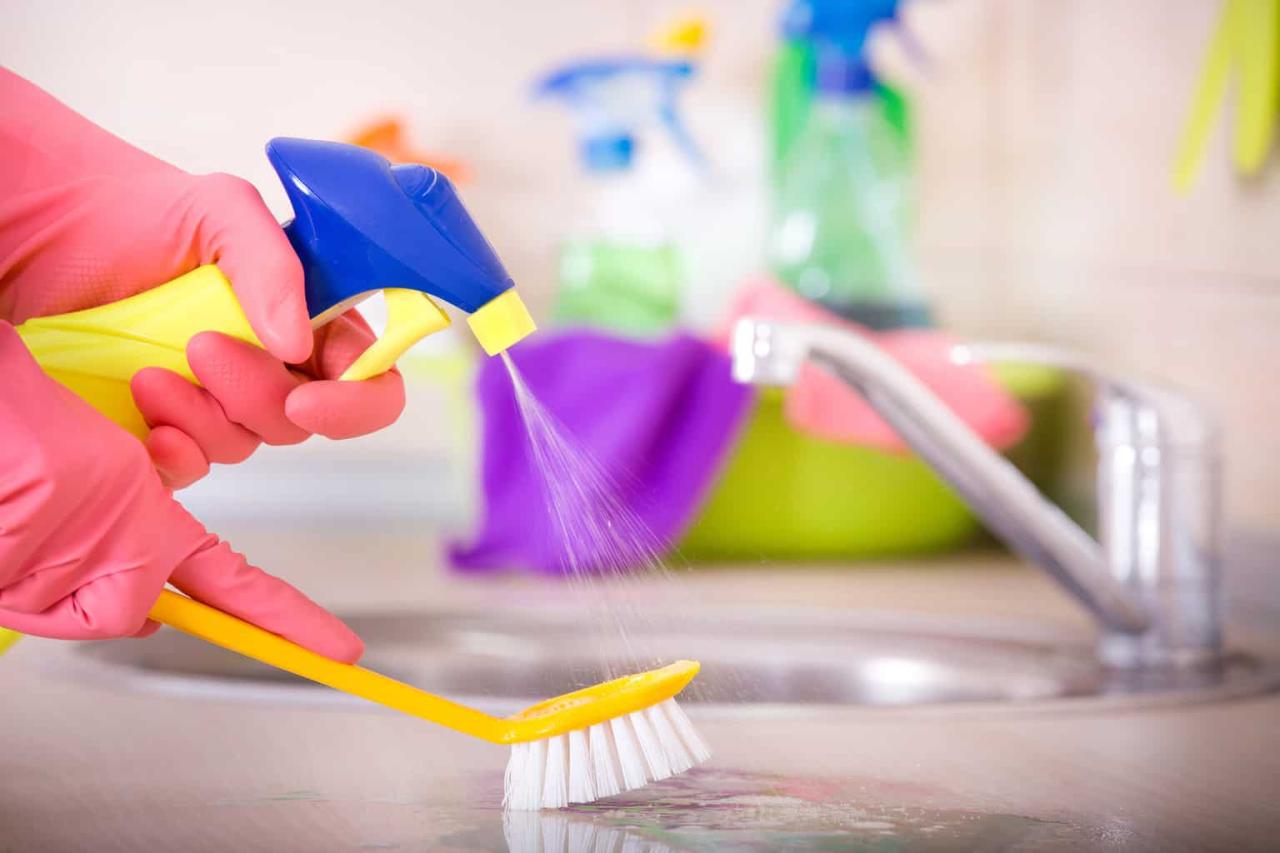
Proper preparation is key to a successful and safe rabbit hutch cleaning session. Having the right supplies readily available ensures a smooth and efficient process, minimizing potential hazards and maximizing hygiene for your furry friend. This section Artikels the essential supplies, from cleaning solutions to protective gear, needed for a thorough and safe cleaning.
Essential Cleaning Agents
A crucial aspect of cleaning a rabbit hutch is the selection of appropriate cleaning agents. Harsh chemicals can be detrimental to your rabbit’s health and the environment. It’s essential to choose cleaning solutions that are safe for both your rabbit and the environment.
- Mild dish soap:
- White vinegar:
- Baking soda:
- Hydrogen peroxide (3%):
- Chlorine-free bleach:
A gentle, readily available option, effective for removing dirt and grime. Dilute it with water for a less harsh cleaning solution.
A natural disinfectant, effective against bacteria and odors. Its acidity can help to loosen stubborn stains.
An excellent deodorizer, great for neutralizing unpleasant smells. Can be used as a paste for scrubbing stubborn stains.
A mild disinfectant, safe for use on surfaces, effective in disinfecting the hutch.
A disinfectant. Use with extreme caution and always dilute it with water as directed on the product label.
Cleaning Tools
Appropriate tools can significantly improve the efficiency and thoroughness of your cleaning process. Different tools are best suited for different tasks.
- Scrub brushes (soft-bristled):
- Plastic or metal scoops:
- Sponges:
- Gloves:
- A bucket or container:
- Paper towels or rags:
Essential for removing dirt and grime from hard-to-reach areas, ensuring thorough cleaning. Soft bristles are crucial to avoid scratching surfaces.
Useful for quickly and efficiently removing waste from the hutch. Choose a scoop with a wide mouth for easier waste removal.
Versatile tools for cleaning surfaces and absorbing liquids. Choose a sponge that is easy to clean and disinfect.
Essential for protecting your hands from cleaning agents and potential contaminants. Choose disposable or washable gloves based on your preference.
For mixing cleaning solutions and rinsing items. A large container is preferable for efficient cleaning.
Useful for drying surfaces and wiping up spills. Use disposable towels or washable rags, depending on your preference.
Protective Gear
Protecting yourself during cleaning is paramount. Cleaning agents and certain materials can pose health risks. Taking appropriate precautions is vital.
- Gloves:
- Eye protection (goggles):
- Long-sleeved shirts and pants:
Protect your hands from harsh cleaning agents, potential contaminants, and splinters.
Prevent cleaning agents from getting into your eyes.
Protect your skin from potential irritation or contamination from cleaning solutions.
Important Considerations
Always refer to the product label for specific instructions and safety precautions when using any cleaning agent. Ensure the chosen cleaning agents are safe for your rabbit and their environment.
Preparing the Hutch for Cleaning
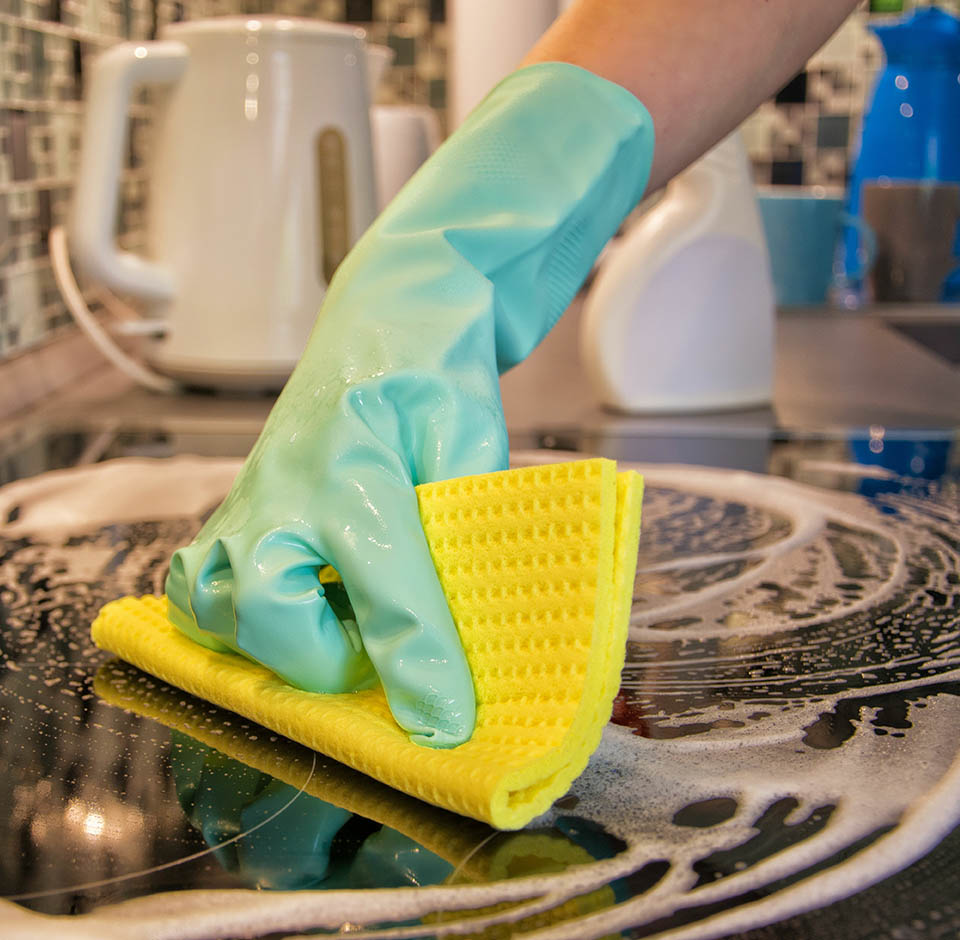
Thorough cleaning of your rabbit’s hutch is essential for maintaining a healthy and hygienic environment. Proper preparation is key to a successful and efficient cleaning process. This involves carefully removing all items from the hutch to ensure a complete disinfection.Preparing the hutch for cleaning involves a methodical approach to remove all items safely and effectively. This not only facilitates a thorough cleaning but also minimizes disruption to your rabbit.
The following steps will detail the procedure for preparing the hutch.
Removing Removable Components
Preparing the hutch for cleaning involves carefully removing all removable components. This ensures a thorough disinfection and minimizes the risk of disturbing your rabbit during the cleaning process.
- Step 1: Gathering Removable Components. Identify all components of the hutch that can be safely removed. This may include bedding, food and water bowls, toys, and any other accessories. This preparatory step ensures nothing is overlooked during the cleaning process.
- Step 2: Securing the Rabbit. If possible, safely secure your rabbit in a separate, comfortable area during the cleaning process. This will prevent your rabbit from getting injured or stressed by the cleaning process. This can include a separate cage, a quiet room, or a secure enclosure.
- Step 3: Removing Bedding. Carefully remove all bedding materials from the hutch. Use a shallow container or a large trash bag for collection and storage.
- Step 4: Removing Food and Water Bowls. Carefully remove all food and water bowls. Ensure they are cleaned thoroughly separately. Sanitize them and make sure they are dry before reuse.
- Step 5: Removing Toys and Accessories. Remove all toys, chew toys, and other accessories. Clean and disinfect them according to the manufacturer’s instructions or use a gentle, safe cleaning solution for cleaning the toys. Store the toys safely in a designated area until the hutch is cleaned.
- Step 6: Cleaning the Hutch Frame. Before proceeding to further cleaning, take the opportunity to wipe down the frame of the hutch.
Detailed Steps for Removing Items
The following table Artikels a step-by-step guide for removing bedding, food and water bowls, toys, and other items. Following this guide will help you prepare the hutch for thorough cleaning efficiently.
| Step | Action | Reason |
|---|---|---|
| 1 | Carefully remove bedding from the hutch. | This allows for thorough cleaning of the bottom of the hutch. |
| 2 | Remove food and water bowls. | Cleaning these bowls separately prevents cross-contamination and ensures thorough disinfection. |
| 3 | Remove toys and accessories. | Cleaning and disinfecting toys prevents the spread of bacteria and ensures a clean environment for the rabbit. |
| 4 | Secure the rabbit in a separate area. | This protects the rabbit from the cleaning process and prevents accidental injury or stress. |
| 5 | Wipe down the hutch frame. | This removes any loose dirt or debris before the cleaning solution is applied. |
Cleaning the Hutch
Thorough cleaning of your rabbit’s hutch is crucial for maintaining a healthy and hygienic environment. Regular cleaning prevents the buildup of harmful bacteria, parasites, and unpleasant odors, promoting the well-being of your furry friend. This section details the process of effectively cleaning every surface and removable item within the hutch.
Cleaning Hutch Surfaces
Proper cleaning of various surfaces within the hutch ensures a sanitary living space for your rabbit. This includes the floor, walls, and any furniture or accessories present. Different materials require specific cleaning approaches to maintain their integrity and effectiveness.
- Floor: The floor is the primary area for droppings and bedding accumulation. Start by removing all soiled bedding. A stiff-bristled brush can help loosen stubborn bedding and droppings. Use a mixture of warm water and a mild, non-toxic cleaner to scrub the floor. Thoroughly rinse the floor with clean water to eliminate any residue.
Ensure the floor is completely dry before adding new bedding.
- Walls: Walls are susceptible to urine and droppings stains. Use a damp cloth or sponge with a mild, non-toxic cleaner to wipe down the walls. Focus on areas where stains are present. For persistent stains, use a solution of diluted white vinegar (one part vinegar to four parts water). Rinse thoroughly to prevent residue.
- Furniture/Accessories: Clean removable items, such as feeders, water bottles, and toys, separately. Soak items in a solution of warm water and mild cleaner, ensuring proper cleaning and disinfection. Rinse thoroughly and allow the items to air dry completely before returning them to the hutch.
Removing Bedding and Droppings
Effective removal of old bedding and droppings is crucial for preventing the buildup of ammonia and other harmful substances. A systematic approach helps maintain a clean and odor-free hutch.
- Removing Bedding: Carefully remove all bedding material from the hutch. Collect the bedding in a sealed bag for disposal. Avoid scattering the bedding around as this can spread droppings and germs.
- Removing Droppings: Use a stiff-bristled brush or a scoop to remove droppings from the floor and walls. A dustpan and brush will assist in collecting and disposing of droppings effectively. If you encounter persistent or sticky droppings, use a gentle enzymatic cleaner to help break down organic matter.
Disinfecting Surfaces
Disinfection is vital for eliminating harmful bacteria and viruses that can cause illness in rabbits. Choose appropriate disinfectants that are safe for use around animals.
- Using Cleaning Solutions: A solution of warm water and a mild, non-toxic cleaner is effective for most surfaces. For persistent stains, use a solution of diluted white vinegar (one part vinegar to four parts water). Avoid harsh chemicals, bleach, or abrasive cleaners, as these can damage the hutch materials and potentially harm your rabbit.
- Thorough Rinsing: Thoroughly rinse all surfaces to eliminate any cleaning solution residue. Residue can attract pests and cause irritation to your rabbit’s skin.
Cleaning Removable Items
Cleaning and disinfecting removable items is essential for maintaining a sanitary environment.
- Cleaning Process: Soak removable items, such as feeders, water bottles, and toys, in a solution of warm water and mild cleaner. Use a brush or sponge to scrub away any dirt or debris. Ensure all items are thoroughly cleaned and disinfected.
- Drying: Thoroughly rinse and dry the items before returning them to the hutch. Allow them to air dry completely to prevent mold and mildew growth.
Cleaning Procedure Summary
| Surface | Cleaning Method | Materials |
|---|---|---|
| Floor | Scrub with warm water and mild cleaner, use stiff-bristled brush | Warm water, mild cleaner, stiff-bristled brush, dustpan, brush |
| Walls | Wipe with damp cloth/sponge and mild cleaner or diluted vinegar | Damp cloth/sponge, mild cleaner, diluted white vinegar |
| Furniture/Accessories | Soak in warm water and mild cleaner | Warm water, mild cleaner, brush, sponge |
| Bedding | Remove and dispose of soiled bedding | Sealed bags |
| Droppings | Remove with brush or scoop | Stiff-bristled brush, dustpan |
Disposing of Waste
Proper disposal of waste materials from a rabbit hutch is crucial for maintaining a healthy environment for your rabbit and preventing the spread of potential pathogens. Improper waste management can lead to unpleasant odors, attract pests, and introduce harmful bacteria and parasites into your home. This section Artikels the recommended methods for disposing of soiled bedding and other waste materials from your rabbit’s hutch.Effective waste management is a critical aspect of rabbit hutch hygiene.
A well-maintained hutch not only ensures the well-being of your rabbit but also contributes to a healthier and more pleasant living environment for you.
Safe Disposal Methods
Proper waste disposal is vital for preventing the spread of diseases. Carefully following the Artikeld procedures minimizes the risk of contaminating your home and garden. Consistent and diligent waste management ensures a safe and hygienic environment for your rabbit.
- Soiled Bedding: Discard soiled bedding in sealed plastic bags. Avoid using paper bags as they can tear easily and may not contain the waste properly. Tie the bags securely and place them directly into your household’s designated waste bin. Do not place soiled bedding in compost bins, as this can contribute to the spread of pathogens.
- Fecal Matter: Collect fecal matter separately from bedding. Use disposable gloves for this step, as direct contact with rabbit feces can be a source of contamination. Dispose of the fecal matter in a sealed plastic bag and place it in your household’s waste bin. Do not flush rabbit waste down the toilet, as this can cause clogs.
- Waste Containers: Ensure your waste containers are appropriately cleaned and sanitized after each use. Regular cleaning and disinfecting with a suitable disinfectant solution will help prevent the growth of bacteria and other microorganisms.
- Cleaning Tools: Dispose of cleaning tools that have come into contact with rabbit waste by washing them thoroughly in soapy water. For tools that have significant waste residue, a disinfectant solution may be necessary.
Environmental Considerations
Responsible waste disposal is crucial for environmental protection. Adopting environmentally friendly practices minimizes the negative impact on the environment while ensuring the safety of your rabbit. By following the guidelines below, you contribute to a sustainable and healthy living environment for both yourself and your pet.
- Composting (with caution): If composting is an option, ensure that the bedding and waste are properly composted. This involves using a dedicated compost bin, where the waste undergoes decomposition under specific conditions that destroy harmful pathogens. However, if you have any concerns about the safety of this method, it is best to dispose of the waste in a regular household bin.
- Waste Segregation: Segregate waste into different categories for recycling and disposal. Following your local guidelines, separate and recycle materials that can be reused. Proper waste segregation contributes to resource conservation.
- Reducing Waste Production: Consider using absorbent bedding materials that can be composted. This reduces the volume of waste that needs to be disposed of. By selecting suitable bedding, you can minimize the waste generated from rabbit care.
Waste Management Table
The table below provides a concise overview of waste types, recommended disposal methods, and important safety considerations for a safe and responsible waste management strategy.
| Waste Type | Disposal Method | Safety Considerations |
|---|---|---|
| Soiled Bedding | Sealed plastic bags, household waste bin | Avoid paper bags; tie securely; avoid compost bins |
| Fecal Matter | Sealed plastic bags, household waste bin | Use gloves; do not flush down toilet |
| Cleaning Tools | Thorough washing in soapy water; disinfectant solution (if necessary) | Clean and sanitize tools after use |
| Recyclable Materials | Separate and recycle | Follow local guidelines |
Setting Up the Hutch
A clean and well-organized hutch is crucial for a rabbit’s health and happiness. Proper setup ensures a comfortable and stimulating environment, preventing stress and encouraging natural behaviors. This section details the steps to return your rabbit’s home to a functional and enjoyable space after cleaning.After thoroughly cleaning the hutch, careful and thoughtful restoration is essential. The cleaned environment must be conducive to your rabbit’s needs and comfort.
Replacing Removable Items
Careful placement of all removable items is vital for a comfortable and safe environment. Misplaced items can lead to accidents and discomfort.
- Place the food and water bowls in their designated spots. Ensure they are securely placed, away from potential hazards, and easily accessible to your rabbit. Consider the rabbit’s natural tendencies, such as foraging. Position the bowls at a height that is comfortable for your rabbit to reach without straining its neck. For example, if the rabbit prefers to eat while sitting, lower the bowls to allow for a comfortable position.
- Return the toys and enrichment items. These are crucial for a stimulating environment, aiding in mental and physical well-being. Ensure the toys are safe and appropriate for rabbits, avoiding any sharp edges or small parts that could be swallowed. Variety in toys is important; include some that promote chewing, such as safe wooden branches, and some that provide sensory stimulation, such as tunnels or cardboard tubes.
Consider the rabbit’s personality when choosing toys; a timid rabbit might appreciate a quiet hideaway, while a more active one might benefit from more stimulating toys.
- Replace the litter box, if applicable, in the designated area. Proper placement of the litter box is essential to maintain hygiene. Ensure the litter box is easily accessible and positioned where your rabbit will naturally use it.
- Return the resting area. A comfortable and safe resting place is crucial for the rabbit’s well-being. The placement of this area should be in a protected and quiet spot within the hutch. Ensure it is soft and comfortable. For example, soft blankets or a sturdy bed can provide comfort.
- Re-install the hay rack, if applicable, in the designated location. This placement ensures your rabbit has convenient access to fresh hay, which is vital for dental health and digestion. Position it so the rabbit can easily reach and access the hay.
Creating a Stimulating Environment
Providing a stimulating environment promotes your rabbit’s physical and mental well-being. A variety of activities and safe items is key.
- Introduce a variety of toys. These should be safe and appropriate for your rabbit’s size and chewing habits. Safe materials include wooden chew toys, cardboard tubes, and tunnels. A diverse selection will prevent boredom and encourage natural behaviors, such as chewing and exploring.
- Ensure adequate space for exercise. A spacious hutch allows for natural movement and exploration, preventing stress and promoting physical health. Consider a hutch with multiple levels or a run for outdoor exercise. A rabbit needs space to hop and explore, just as humans do.
- Provide a comfortable hideaway. A safe and quiet place to retreat provides a sense of security and helps your rabbit feel less stressed. This could be a cardboard box, a small tunnel, or a secluded corner of the hutch.
Replacing Bedding and Restocking
Fresh bedding and consistent access to food and water are vital for a healthy rabbit.
- Add a fresh layer of bedding. A clean and comfortable bedding layer will encourage your rabbit to use the hutch as its primary resting space. Use a bedding material that is safe and absorbent, such as shredded paper or hay.
- Ensure food and water bowls are replenished with fresh food and water. Clean bowls prevent contamination, promoting good hygiene and healthy eating habits. Fresh food and water are essential for a healthy rabbit.
Preventing Hutch Issues
Maintaining a clean and healthy rabbit hutch is crucial for the well-being of your furry friend. Proactive measures are essential to prevent recurring problems, saving you time and effort in the long run. Regular maintenance and a thoughtful approach to design can significantly reduce the risk of issues like mold, odors, and pest infestations.A proactive approach to hutch hygiene is key to avoiding future problems.
This involves understanding the environmental factors that contribute to these issues and implementing strategies to mitigate them. By understanding the causes, you can develop a robust preventative plan.
Strategies for Mold Prevention
Proper ventilation is paramount in preventing mold growth. Mold thrives in damp, poorly ventilated environments. Ensure sufficient air circulation within the hutch by providing multiple openings or a well-designed ventilation system. Regular cleaning and drying of the hutch, especially after any moisture incident, is essential. This will minimize the moisture levels that promote mold growth.
Odor Control Strategies
Frequent cleaning is critical for maintaining a fresh-smelling hutch. A well-structured cleaning schedule is a vital preventative measure. Implementing a routine will allow you to identify and address any developing odor issues early on. The choice of bedding plays a significant role in odor control. Absorbent and easily-replaceable bedding materials can help maintain a pleasant environment.
High-quality bedding can minimize the accumulation of urine and feces, which are the primary sources of odors.
Pest Prevention Measures
Regular inspections of the hutch and its surroundings are important in pest prevention. Examine the hutch for any signs of pest activity, such as droppings, nests, or gnaw marks. Seal any potential entry points to prevent unwanted guests from entering. Properly storing food and water can help avoid attracting pests, too.
Importance of Regular Maintenance and Cleaning Schedules
Implementing a regular cleaning schedule helps maintain a sanitary environment, preventing the buildup of waste, moisture, and potential pathogens. A consistent routine will keep your rabbit’s living space clean and healthy. This schedule should include daily checks for waste and regular deep cleanings to remove accumulated debris and disinfect surfaces.
Maintaining Proper Ventilation and Air Circulation
Proper ventilation is essential for maintaining a healthy hutch environment. Ensure the hutch has multiple openings to allow for fresh air circulation. Adequate ventilation helps to prevent the buildup of moisture and ammonia, both of which can lead to odors and health problems. Ensure that the openings aren’t so large as to allow for drafts.
The Role of Proper Bedding in Odor Prevention and Health
High-quality bedding plays a crucial role in minimizing odors and promoting the health of your rabbit. Choose bedding materials that are absorbent and easy to replace. Absorbent materials will help to trap urine and feces, reducing odors and minimizing potential health risks. Avoid materials that could harbor bacteria or fungi.
Preventative Measures for a Healthy Hutch Environment
- Regular Cleaning Schedule: Establish a consistent daily and weekly cleaning routine to remove waste promptly and prevent odor buildup.
- Proper Ventilation: Ensure adequate ventilation within the hutch to prevent moisture and ammonia buildup. Ensure multiple openings and consider additional ventilation strategies.
- High-Quality Bedding: Use absorbent bedding materials to trap moisture and prevent odor accumulation. Consider materials like paper-based bedding or shredded paper. Regularly replace the bedding.
- Pest Control: Regularly inspect the hutch and surrounding area for signs of pests. Seal potential entry points and take necessary measures to prevent infestations.
- Moisture Control: Address any moisture issues promptly, especially after cleaning or rainfall, to prevent mold and mildew growth. This includes ensuring adequate drainage around the hutch.
- Regular Hutch Inspections: Conduct routine checks for signs of damage, wear, or potential problems, addressing these promptly to maintain a safe and comfortable environment for your rabbit.
Deep Cleaning
A deep clean of your rabbit hutch is a crucial part of maintaining a healthy and hygienic environment for your furry friend. It goes beyond the routine weekly cleaning, addressing deeper issues like stubborn stains, odors, and potential mold or mildew growth. This thorough approach ensures a fresh, clean space that promotes your rabbit’s well-being.Deep cleaning is not a daily task.
Instead, it’s a more intensive process that should be performed periodically, typically every 3-6 months, depending on the amount of use and the specific environment. This schedule allows for the removal of accumulated debris and the prevention of issues like mold and lingering odors that can affect your rabbit’s respiratory system. Deep cleaning becomes necessary when you notice persistent odors, noticeable staining, or signs of mold or mildew.
Frequency and Necessity
Deep cleaning should be scheduled at regular intervals, usually every three to six months. This schedule is essential for preventing the accumulation of debris and addressing potential issues before they escalate. The frequency might need adjustment based on the rabbit’s activity level, the size of the hutch, and the environmental conditions. For instance, a rabbit hutch in a humid environment might require more frequent deep cleaning to prevent mold growth.
Removing Stubborn Stains and Odors
Stubborn stains and odors often require a more aggressive approach than routine cleaning. Begin by removing all bedding and soiled materials. Next, scrub all surfaces with a solution of warm water and a mild, pet-safe cleaning agent. For particularly stubborn stains, consider using a paste of baking soda and water. After cleaning, thoroughly rinse all surfaces and allow the hutch to air dry completely.
Consider using an enzymatic cleaner for persistent odors, as these solutions target the organic compounds that cause unpleasant smells.
Tackling Mold or Mildew Buildup
Mold and mildew are serious concerns in rabbit hutches, especially in humid environments. If mold or mildew is present, address it immediately. First, remove any affected materials, such as bedding or wooden components. Clean the affected areas with a solution of bleach (diluted according to product instructions) or a commercial mildew remover. Ensure thorough rinsing and drying to prevent re-growth.
If the mold or mildew is extensive or persistent, consult a veterinarian or a pet care professional for further guidance.
Routine vs. Deep Cleaning Comparison
| Task | Routine Cleaning (Weekly) | Deep Cleaning (3-6 Months) |
|---|---|---|
| Bedding Removal | Partial removal of soiled bedding | Complete removal of all bedding |
| Surface Cleaning | Spot cleaning of soiled areas | Thorough scrubbing of all surfaces |
| Waste Disposal | Removal of solid waste | Removal and thorough disposal of all waste |
| Cleaning Agents | Mild cleaning solution (e.g., dish soap) | Potential use of enzymatic cleaners, bleach (diluted) or specialized mildew removers |
| Drying | Allowing surfaces to air dry | Ensuring complete drying to prevent mold/mildew growth |
Last Recap
This guide has presented a thorough overview of how to clean a rabbit hutch, from initial preparation to the final steps of setting up the cleaned space. By following the provided cleaning schedules, supply lists, and detailed procedures, you can ensure a clean and healthy environment for your rabbit. Remember, consistent effort and a proactive approach to hygiene will contribute significantly to your rabbit’s overall well-being.