Raising baby rabbits to healthy adulthood requires careful attention, particularly during the weaning process. This guide provides a comprehensive overview of the steps involved, from preparation to post-weaning care, ensuring a smooth transition for both the young rabbits and their caretaker. Proper weaning techniques are crucial for their overall health and development, promoting a strong foundation for their future.
Understanding the specific nutritional needs of baby rabbits during weaning is essential. A gradual introduction of solid foods, alongside careful monitoring of their health, is key to successful weaning. This guide will provide practical advice and helpful tips to help you navigate this critical stage.
Introduction to Weaning Baby Rabbits
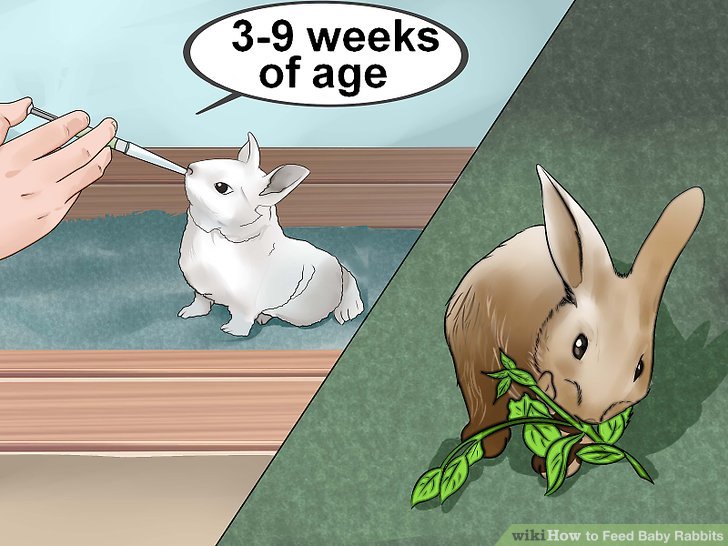
Weaning baby rabbits, or kits, is a critical stage in their development, transitioning them from relying solely on their mother’s milk to consuming solid foods. Proper weaning techniques are essential for ensuring the kits’ health and well-being as they grow into healthy adult rabbits. This process, when executed correctly, lays the foundation for a robust and thriving rabbit population.Successful weaning involves a careful balance of providing appropriate nutrition and minimizing stress on the young rabbits.
This period requires meticulous observation and understanding of the kits’ developmental needs. Understanding the signs that indicate readiness for weaning and the nutritional differences between baby and adult rabbits is vital for successful transitions.
Signs of Readiness for Weaning
Kits exhibit several clear signs that indicate they are ready for weaning. These observable cues signal their growing independence and ability to consume solid foods. Careful observation is key to ensuring the transition occurs at the optimal time.
- Increased Interest in Solid Foods: Kits will begin to show an active interest in exploring solid food sources, demonstrating a desire to venture beyond their mother’s milk. This is a critical indicator of readiness, as it signifies their growing digestive systems are adapting to a more diverse diet.
- Independent Feeding Attempts: Kits might attempt to feed on their own, showcasing their growing independence. This can manifest as them nibbling at food presented to them, even if they’re not fully proficient in consuming it.
- Reduced Nursing Frequency: Kits may begin to nurse less frequently, demonstrating a gradual shift in their feeding habits. They are gradually developing the ability to meet their nutritional needs from solid foods.
- Stronger Body Condition: Healthy kits will show a noticeable increase in body weight and strength, signifying that they are thriving on a diet that includes solid foods. This demonstrates that they are capable of digesting and absorbing the necessary nutrients from a broader range of food sources.
Nutritional Needs of Baby vs. Adult Rabbits
The nutritional requirements of baby rabbits differ significantly from those of adult rabbits. Understanding these differences is crucial for providing appropriate sustenance during the weaning process. This ensures a smooth transition to a balanced diet.
| Characteristic | Baby Rabbits (Kits) | Adult Rabbits |
|---|---|---|
| Primary Energy Source | Mother’s milk | Forage, hay, pellets, and occasional vegetables |
| Protein Needs | High protein for rapid growth | Moderate protein for maintenance |
| Calcium Needs | High calcium for skeletal development | Lower calcium requirements for adult bone health |
| Fiber Needs | Limited fiber | High fiber for digestive health |
| Vitamin Needs | Dependent on mother’s milk for essential vitamins | From a diverse diet, supplemented with pellets if needed |
Note: A balanced diet for adult rabbits is critical for their overall health and well-being. This balanced diet includes high-quality hay, fresh vegetables, and a commercial rabbit pellet.
Preparing for Weaning
Preparing for the weaning process of baby rabbits is crucial for their successful transition to independent eating and living. This phase requires careful planning and preparation to ensure the well-being of the young rabbits and to minimize stress during this important developmental period. A well-structured environment and a gradual introduction to new foods are essential for a smooth transition.Proper preparation of the environment and provision of suitable equipment and food are paramount to minimizing stress and maximizing the chances of a healthy weaning period.
This includes ensuring a comfortable, safe, and stimulating environment, along with the necessary resources for the growing rabbits.
Environment Preparation
A supportive environment significantly impacts the success of weaning. Creating a comfortable and familiar space, separated from the mother, allows the young rabbits to develop independence while still having a sense of security. The area should be well-ventilated and free from drafts, maintaining a consistent temperature. The flooring should be made of a material that is easy to clean, such as wire mesh or a non-absorbent surface.
Provide a suitable hiding place for each rabbit, offering a sense of security and privacy.
Essential Equipment
Adequate equipment is vital for managing the weaning process efficiently and safely. This includes multiple hutches or cages, each equipped with appropriate bedding, food bowls, and water bottles. The cages should be spacious enough to accommodate the rabbits comfortably and allow for individual exploration and interaction. Ensure each cage has ample space for litter boxes or designated areas for waste disposal.
A supply of soft, absorbent bedding, such as paper towels or fleece, is necessary for comfort and hygiene.
Suitable Foods for Baby Rabbits
Proper nutrition is essential during the weaning process. Gradually introducing a variety of foods helps ensure that the young rabbits receive the essential nutrients for growth and development. The following table lists some appropriate foods for baby rabbits during weaning.
| Food Type | Description | Frequency of Introduction |
|---|---|---|
| High-quality rabbit pellets | A complete feed formulated for young rabbits. | Gradually increase the amount as the rabbit adapts. |
| Fresh vegetables (chopped) | Examples include carrots, leafy greens, and dandelion greens. | Offer small portions, monitoring for digestive upset. |
| Fresh fruits (chopped) | Examples include berries and apples. | Introduce in small amounts and observe for reactions. |
| Grass | Fresh grass hay or Timothy hay. | Always available as a primary food source. |
Gradually introducing new foods is crucial to avoid digestive upset and ensure that the rabbits are not overwhelmed.
Gradual Introduction of New Foods
Introducing new foods gradually is essential. Start by mixing small amounts of the new food with their existing diet. This allows the rabbits’ digestive systems to adjust to the new ingredients and helps prevent digestive issues. Monitor the rabbits closely for any signs of discomfort, such as diarrhea or vomiting. Adjust the portion sizes based on the rabbits’ reactions and gradually increase the proportion of the new food over time.
Creating a Safe and Comfortable Environment
Creating a safe and comfortable environment is paramount to the success of the weaning process. Maintain a calm and predictable environment for the young rabbits. Avoid sudden changes in the environment, as this can cause stress. Minimize noise and maintain a consistent temperature and humidity level. Ensure each rabbit has a quiet and secluded space to rest.
The Weaning Process
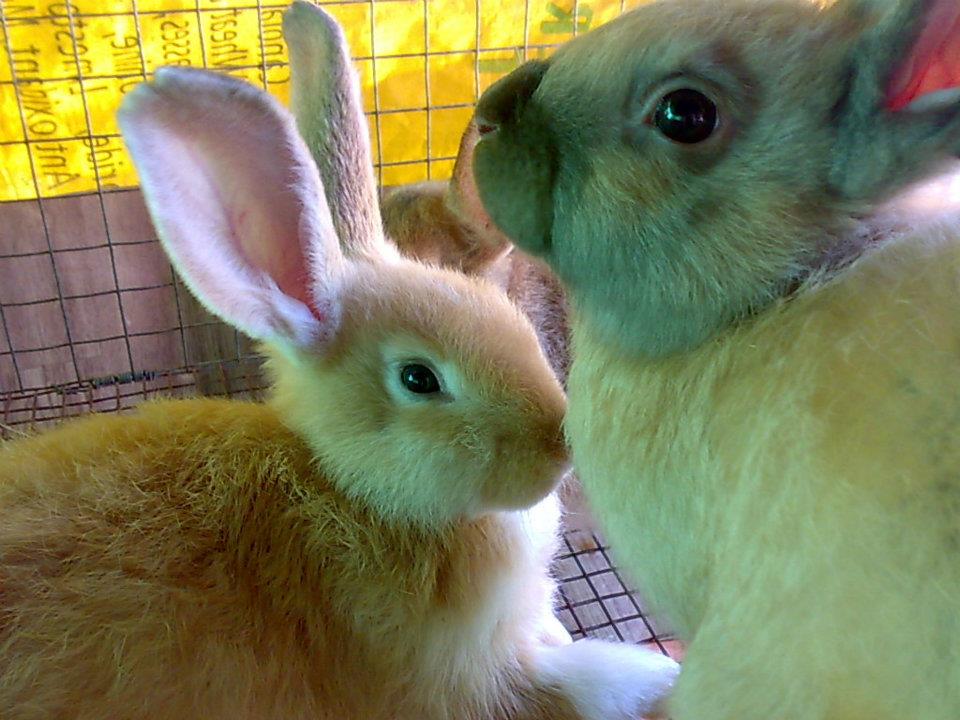
The weaning process for baby rabbits is a crucial period requiring careful planning and execution. A smooth transition ensures the health and well-being of the young rabbits, minimizing stress and maximizing their chances of thriving independently. It’s vital to understand that a gradual approach is key, ensuring that the young rabbits are adequately prepared for the dietary shift.Successfully weaning rabbits involves a combination of gradually introducing solid foods while concurrently reducing the availability of mother’s milk.
This approach allows the young rabbits to develop their digestive systems and gain the necessary nutrients to support their growth and development without disrupting their health. Monitoring the rabbits closely for any signs of distress is paramount during this transition.
Recommended Weaning Schedule
A well-structured weaning schedule is essential for a successful transition. A typical schedule involves introducing solid foods around three to four weeks of age, gradually increasing the amount and variety of food over the next few weeks. This timing allows the young rabbits to develop their digestive systems and gain experience with different food sources. For example, a rabbit owner might begin offering small amounts of hay and pellets around three weeks, increasing the portion size and adding fresh vegetables by week four.
Step-by-Step Introduction of Solid Foods
Introducing solid foods to the young rabbits requires a methodical approach. Begin by placing small amounts of high-quality rabbit pellets, hay, and fresh vegetables in accessible locations near the mother. Slowly increase the amount of solid food over time, while concurrently reducing the availability of mother’s milk. It is important to observe the rabbits’ appetites and adjust the amount of solid food accordingly.
A gradual increase ensures their digestive systems adapt smoothly to the change in diet. For instance, if a rabbit is hesitant, offering a small amount of fresh grass, or a leafy green vegetable like dandelion greens, can provide a more palatable alternative.
Gradually Reducing Mother’s Milk
Reducing the amount of mother’s milk is a crucial part of the weaning process. This should be done gradually to avoid stressing the mother or the young rabbits. A decrease in the availability of milk allows the young rabbits to explore and consume solid foods more readily. For instance, you might start by placing the food bowls closer to the feeding area or reducing the time the young rabbits spend nursing at each feeding session.
This step ensures a smooth transition, helping the young rabbits develop their appetite for solid food.
Identifying and Addressing Potential Issues
Potential issues during the weaning process require prompt attention. Signs of distress, such as decreased appetite, lethargy, or diarrhea, should be addressed immediately. Consulting a veterinarian is crucial if the issues persist or worsen. For example, if a young rabbit shows signs of diarrhea, a veterinarian can help determine the cause and recommend appropriate treatment.
Examples of Weaning Methods
Experienced rabbit owners employ various weaning methods. Some owners use a gradual transition method, gradually increasing the amount of solid food and decreasing the amount of mother’s milk. Others might use a more controlled method, introducing solid food in a separate area away from the mother’s enclosure. For instance, a gradual transition method might involve placing small amounts of food near the mother’s enclosure, allowing the young rabbits to explore and familiarize themselves with the new food sources.
Different approaches can be effective depending on the individual rabbits and their environment.
Post-Weaning Care
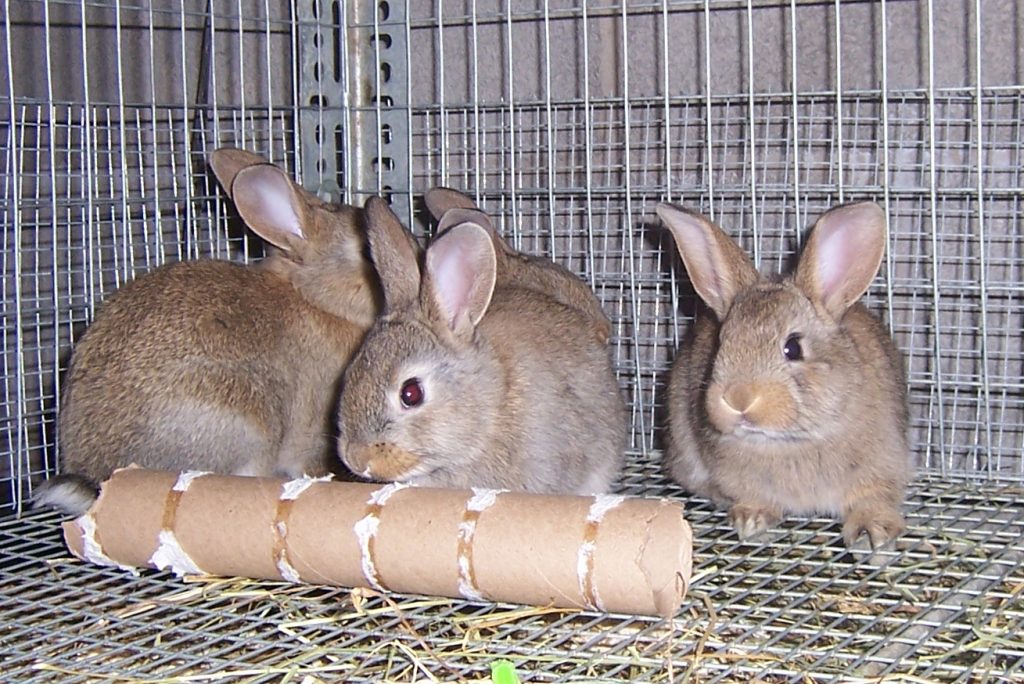
Post-weaning, your young rabbits require careful attention to ensure their continued health and development. This phase is crucial for establishing good habits and preventing potential problems. Providing a balanced diet, consistent monitoring, and a hygienic environment are paramount to their well-being.
Balanced Diet After Weaning
A well-balanced diet is essential for weaned rabbits to support their growth and maintain optimal health. Crucially, their nutritional needs differ from those of their mother. A diet rich in high-quality hay, fresh vegetables, and a small amount of appropriate pellets is vital. Hay should always be readily available, as it promotes healthy digestion and helps prevent digestive issues.
- High-Quality Hay: Hay forms the cornerstone of a rabbit’s diet, providing essential fiber and promoting healthy digestion. Timothy hay is often recommended due to its digestibility and nutritional value.
- Fresh Vegetables: Introduce a variety of fresh vegetables in moderation. Leafy greens like romaine lettuce, spinach, and kale are excellent sources of vitamins and minerals. Be cautious about introducing new vegetables gradually to avoid digestive upsets. Avoid giving root vegetables such as carrots in large quantities.
- Appropriate Pellets: A small amount of a rabbit-specific pellet should be included in their diet. Pellets provide essential nutrients but should not replace hay or vegetables.
Monitoring Health and Development
Regular monitoring is key to identifying any potential health issues early. Observe the rabbits’ eating habits, activity levels, and overall demeanor. Any noticeable changes, such as reduced appetite, lethargy, or unusual discharge, should prompt immediate veterinary attention.
- Eating Habits: Observe if they are consuming adequate amounts of hay, vegetables, and pellets. Reduced appetite could indicate illness.
- Activity Levels: Monitor their activity levels, ensuring they are exploring and engaging normally. Decreased activity could be a sign of illness or discomfort.
- Physical Examination: Regularly check for any signs of illness, such as runny noses, eye discharge, or diarrhea. Also, ensure their fur is clean and free of mats or parasites.
Providing Adequate Water and Fresh Food
Consistent access to fresh water and fresh food is crucial for maintaining their health. Ensure clean water bottles or bowls are always available. Replace fresh food regularly to prevent spoilage and maintain nutritional value. Regularly clean and replace food and water containers to maintain hygiene.
- Water Availability: Fresh, clean water should be readily available at all times. Regularly clean water bottles or bowls to prevent bacterial growth.
- Fresh Food Rotation: Fresh food should be replaced daily to maintain quality and prevent spoilage, thereby avoiding potential health issues.
Potential Health Problems
Certain health issues can arise after weaning. Recognizing these early can significantly improve outcomes. Common problems include digestive upsets, respiratory infections, and dental issues. Prompt veterinary care is essential for these problems.
- Digestive Upsets: Rapid changes in diet can lead to diarrhea or other digestive issues. Monitor closely for signs and adjust the diet gradually if needed.
- Respiratory Infections: Rabbits can be susceptible to respiratory infections, particularly in crowded or unsanitary environments. Ensure a clean and well-ventilated space to mitigate risks.
- Dental Issues: Growing rabbits can experience dental problems. If you notice any abnormalities in their teeth or chewing, consult a veterinarian.
Maintaining a Clean Environment
A clean environment is crucial to preventing illness. Regularly clean and disinfect hutches, cages, and feeding areas. Remove any soiled bedding and replace it with fresh materials. This practice helps maintain hygiene and prevents disease transmission.
Sample Feeding Schedule
The following table provides a sample feeding schedule for weaned rabbits. Adjustments may be necessary based on individual needs.
| Time | Food | Quantity |
|---|---|---|
| Morning (7:00 AM) | Hay | Unlimited |
| Morning (8:00 AM) | Vegetables | Small portion |
| Afternoon (12:00 PM) | Hay | Unlimited |
| Afternoon (1:00 PM) | Pellets | Small portion |
| Evening (6:00 PM) | Hay | Unlimited |
| Evening (7:00 PM) | Vegetables | Small portion |
Common Mistakes to Avoid During Weaning
Proper weaning is crucial for the healthy development and well-being of baby rabbits. Mistakes during this transition can lead to significant health problems, impacting their future growth and potentially causing long-term harm. Understanding common pitfalls and implementing preventative measures is vital for successful weaning.Avoiding common mistakes is key to ensuring a smooth transition for your young rabbits. These mistakes, often stemming from inexperience or oversight, can create unnecessary stress and health issues.
By recognizing these errors and employing suitable strategies, you can significantly improve the success rate of the weaning process.
Identifying Common Mistakes
Several common mistakes can jeopardize the weaning process. These errors can be attributed to various factors, including insufficient preparation, improper feeding, and lack of attention to the bunnies’ individual needs. Understanding these pitfalls is the first step towards successful weaning.
Insufficient Preparation
Insufficient preparation for weaning can lead to abrupt changes in the bunnies’ environment and diet, potentially causing stress and digestive upset. Providing a separate, clean space for the young rabbits, as well as ensuring the proper provision of food and water, is crucial for a smooth transition. Rabbits require a familiar, comfortable, and safe environment to minimize stress.
For example, sudden changes in location or abrupt introductions to new food types can cause significant stress.
Improper Feeding Practices
A critical mistake is introducing unsuitable food too early or in excessive quantities. This can upset the delicate digestive systems of young rabbits, potentially leading to diarrhea, digestive issues, and malnutrition. Providing a balanced diet that gradually introduces new food types is vital for a smooth transition. Introduce new food gradually, in small amounts, and monitor the rabbits for any signs of discomfort or illness.
For example, transitioning from mother’s milk to solid foods too quickly can lead to gastrointestinal problems.
Neglecting Individual Needs
Failing to monitor the bunnies’ individual needs and responses during weaning is another common error. Young rabbits can exhibit varied reactions to the change, and recognizing these subtle differences is crucial for providing the right support. This includes providing tailored care and addressing any specific concerns that may arise. Pay attention to differences in appetite, energy levels, and stool consistency.
For instance, some rabbits might struggle more with the transition than others.
Lack of Supervision
Insufficient supervision during the weaning process can lead to missed opportunities to address potential issues promptly. Regular observation and monitoring for signs of illness, such as lethargy, loss of appetite, or diarrhea, are vital for timely intervention. Observing the rabbits frequently allows you to address any issues early, potentially preventing serious health problems.
Table of Common Weaning Mistakes and Remedies
| Mistake | Explanation | Remedy |
|---|---|---|
| Insufficient Preparation | Abrupt change in environment and diet. | Prepare a separate, comfortable space and gradually introduce new food. |
| Improper Feeding | Introducing unsuitable food too early or in excess. | Gradually introduce new food types in small quantities, and monitor for digestive issues. |
| Neglecting Individual Needs | Ignoring varied reactions to the change. | Monitor individual responses and provide tailored care and support. |
| Lack of Supervision | Missing opportunities to address issues promptly. | Regularly observe the bunnies for signs of illness and intervene promptly. |
Nutritional Considerations
Proper nutrition is crucial for a baby rabbit’s health and development during weaning. Transitioning to solid food requires a careful consideration of their dietary needs, ensuring a smooth and healthy adjustment. The nutritional balance during this period will significantly impact their growth and overall well-being.Transitioning to solid food requires a diet rich in specific nutrients to support the growing rabbit’s needs.
Adequate protein, calcium, and fiber are vital for healthy development and overall health. It is important to understand these needs and select appropriate feed options.
Specific Nutritional Needs of Baby Rabbits
Baby rabbits have unique nutritional needs that differ from adult rabbits. Their rapidly growing bodies require a higher concentration of essential nutrients to support growth and development. Providing an appropriate diet is crucial for ensuring their continued health and well-being during this critical period.
Importance of Protein, Calcium, and Fiber
Protein is essential for building and repairing tissues, crucial for the rapid growth of baby rabbits. Calcium is vital for strong bones and teeth, and fiber promotes healthy digestion and helps maintain a healthy gut microbiome. These nutrients are essential for proper development, immunity, and overall well-being during the weaning process.
Recommended High-Quality Rabbit Feed Options
A variety of high-quality rabbit feed options are available, catering to different nutritional needs and age groups. Choosing the right feed is crucial to provide the necessary nutrients for healthy development.
- High-quality pellet feed: These are formulated specifically for growing rabbits and offer a balanced mix of nutrients, including protein, calcium, and fiber. Always ensure the feed is appropriate for the age and stage of development of the rabbit.
- Fresh greens and vegetables: These should be incorporated into the diet in moderation. Fresh greens and vegetables provide essential vitamins and minerals, while also contributing to a healthy digestive system. Always introduce new foods gradually to avoid digestive upset.
- Hay: Timothy hay is an excellent source of fiber, promoting healthy digestion and supporting the growth of a healthy gut microbiome. It should be readily available for the rabbit at all times.
Calculating Appropriate Portion Sizes
The portion sizes for baby rabbits should be adjusted based on their age and weight. Overfeeding can lead to digestive problems and obesity. Underfeeding can hinder growth and development. A careful calculation based on the individual needs of each rabbit is essential.
Portion sizes should be adjusted based on the rabbit’s weight and age. A general guideline is to offer a small amount of food, gradually increasing the portion as the rabbit grows.
Avoiding Harmful Foods
Certain foods can be harmful or even toxic to rabbits. It is crucial to avoid feeding them foods like chocolate, onions, garlic, avocado, and processed human foods. These foods can cause serious health problems and even death in rabbits.
- Avoid human food: Many human foods are harmful to rabbits. Avoid feeding them sugary treats, processed foods, or foods that contain harmful substances.
- Ensure appropriate greens: While greens are essential, some types can cause digestive problems. Be cautious about introducing new greens gradually and monitoring the rabbit for any signs of discomfort.
Comparison of Commercial Rabbit Feeds
The following table provides a comparative overview of common commercial rabbit feeds, highlighting their nutritional values. This information can help in selecting the appropriate feed for the individual needs of the baby rabbit.
| Feed Brand | Protein (%) | Calcium (%) | Fiber (%) | Other Key Nutrients |
|---|---|---|---|---|
| Bunny Basics | 18 | 1.2 | 18 | Vitamins, minerals |
| Happy Hoppers | 16 | 1 | 16 | Vitamins, minerals, prebiotics |
| Healthy Harvest | 20 | 1.5 | 14 | Vitamins, minerals, probiotics |
Troubleshooting Weaning Issues
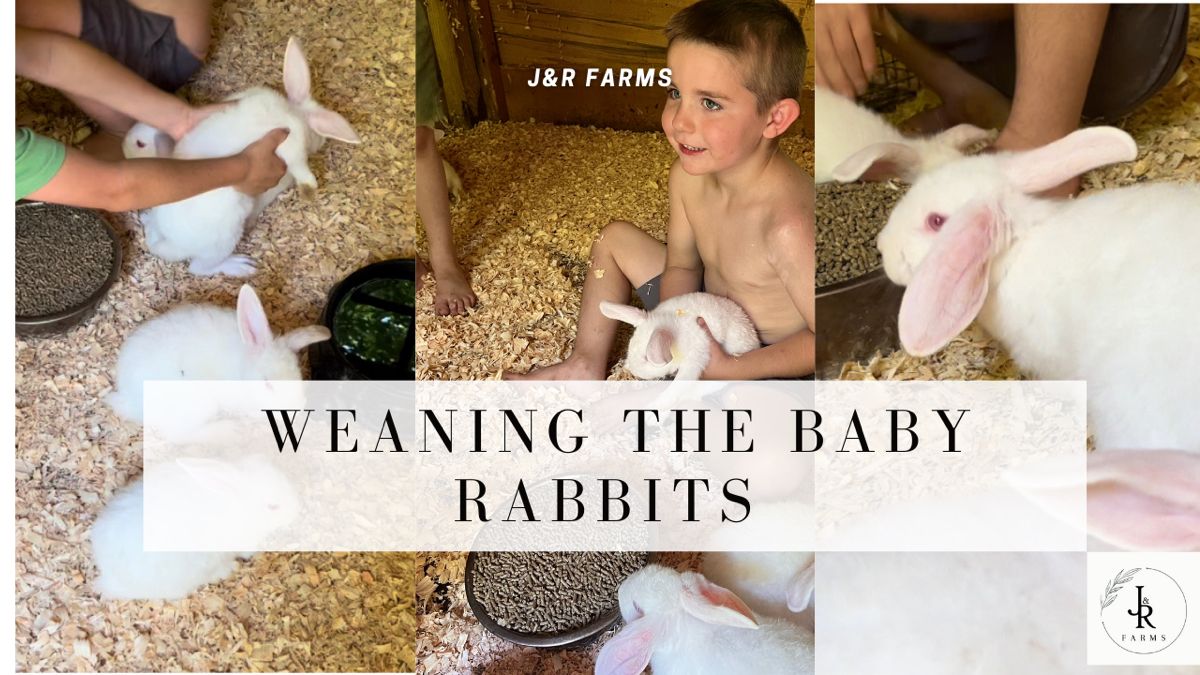
Weaning baby rabbits can sometimes present challenges. Understanding potential problems and how to address them promptly is crucial for the health and well-being of the young rabbits. This section details common issues, diagnostic methods, and treatment strategies, emphasizing the importance of veterinary consultation when necessary.
Identifying Rejection of Food
Young rabbits may exhibit reluctance to accept new food sources during weaning. This is a common issue, often temporary. Careful observation and adjustment to the feeding process can resolve the problem. Several factors can contribute to this issue, including the quality and presentation of the new food. A gradual introduction and variety in the diet, alongside familiarizing the young rabbits with the new food, can often alleviate the issue.
Diagnosing and Addressing Digestive Issues
Digestive problems, such as diarrhea or constipation, can arise during the weaning period. These problems can be linked to dietary changes or stress. It’s essential to identify the underlying cause to effectively address the issue. Careful monitoring of the rabbit’s stool consistency and frequency is vital. Maintaining a clean environment, providing fresh water, and monitoring for any signs of illness will help identify the root cause and implement appropriate treatment.
Diagnosing and Addressing Nutritional Deficiencies
Young rabbits, especially during the weaning period, may experience nutritional deficiencies if their diet is not appropriately balanced. A lack of essential nutrients can lead to various health problems. Symptoms of nutritional deficiencies can range from lethargy and poor growth to fur loss and digestive disturbances. It’s crucial to ensure the new food sources are rich in essential nutrients, like calcium, vitamins, and protein, crucial for healthy growth and development.
Consult a veterinarian for advice on appropriate nutritional supplements or adjustments to the diet.
Veterinary Consultation
Seeking veterinary advice is essential when weaning issues persist or worsen. A veterinarian can provide a proper diagnosis and recommend tailored treatment plans.
Veterinary professionals are trained to assess the specific needs of each rabbit, considering individual circumstances and health conditions. A veterinary examination allows for a thorough evaluation of the rabbit’s overall health, ruling out underlying conditions that might be contributing to the weaning challenges. Prompt veterinary intervention can prevent further complications.
Successful Interventions for Common Problems
Successful interventions for weaning issues often involve a combination of approaches. For example, if rabbits reject new food, gradually introducing small amounts of the new food alongside familiar food can be effective. If diarrhea develops, consulting a veterinarian to identify the cause and recommend specific treatments is crucial. A veterinarian can diagnose underlying causes and recommend targeted treatments.
Table of Common Symptoms and Potential Causes
| Symptom | Potential Cause |
|---|---|
| Rejection of new food | Unfamiliar food, poor presentation, stress, lack of variety in diet |
| Diarrhea | Dietary changes, stress, bacterial infection, parasites |
| Constipation | Lack of fiber in diet, dehydration, stress |
| Lethargy | Nutritional deficiencies, illness, stress, underlying health conditions |
| Poor growth | Nutritional deficiencies, illness, stress, parasites |
Environmental Factors
Proper environmental management is crucial during the weaning process for baby rabbits. A supportive environment minimizes stress and promotes healthy growth, directly impacting the success of the weaning period. A comfortable environment reduces the risk of illness and ensures the young rabbits transition smoothly to independent feeding.Environmental factors play a significant role in a rabbit’s overall well-being, especially during weaning.
The temperature, humidity, and noise levels all contribute to the rabbit’s comfort and ability to thrive. A well-managed environment supports their immune system and reduces the likelihood of stress-related health issues.
Temperature Control
Maintaining a stable temperature is essential for baby rabbits during weaning. Fluctuations in temperature can lead to stress and illness. A consistent temperature, ideally between 68°F and 72°F (20°C to 22°C), promotes optimal comfort and reduces the risk of illness. Monitoring and adjusting the temperature regularly, especially during the transition period, is vital.
Humidity Levels
Appropriate humidity levels are also critical. High humidity can lead to respiratory problems and other illnesses. Maintaining a humidity level between 40% and 60% is ideal. Using a hygrometer to monitor humidity levels and adjusting as needed will ensure a healthy environment.
Creating a Suitable Environment
Creating a suitable environment involves several key elements. Ensure adequate ventilation to prevent moisture buildup. Using heating pads or lamps, strategically placed, can help maintain warmth, especially during colder months. Good insulation can help to keep the environment at a consistent temperature. Consider using bedding materials that absorb moisture well, such as aspen shavings or kiln-dried wood shavings.
Avoid using cedar or pine shavings, as these can cause respiratory issues.
Quiet and Stress-Free Environment
A quiet environment is paramount during the weaning process. Sudden noises, loud noises, or excessive handling can cause stress and disrupt the young rabbits’ settling into their new independence. Minimizing noise from external sources and keeping the weaning area quiet will aid in the rabbits’ comfort.
Managing Potential Stressors
Recognizing and managing potential stressors is key. Ensure the weaning area is well-lit but not overly bright. Reduce handling of the young rabbits, as excessive handling can be stressful. If possible, separate the rabbits from the mother to a different but nearby location. This helps the rabbits feel secure without constant interaction.
Ideal Environmental Conditions for Weaning
| Factor | Ideal Range | Explanation |
|---|---|---|
| Temperature | 68°F – 72°F (20°C – 22°C) | Consistent temperature promotes comfort and reduces stress. |
| Humidity | 40% – 60% | Maintaining appropriate humidity levels prevents respiratory issues. |
| Noise Level | Low | Minimize sudden or loud noises to reduce stress. |
| Lighting | Adequate, but not overly bright | Bright light can cause stress. |
| Handling | Minimize | Excessive handling can be stressful. |
Last Word
Successfully weaning baby rabbits requires a well-structured approach, encompassing environmental factors, nutritional considerations, and attentive monitoring. By following the guidelines Artikeld in this comprehensive guide, you can ensure a positive and healthy transition for your young rabbits. Remember, a gradual introduction of solid foods and a supportive environment are critical to their wellbeing. With proper care, your baby rabbits will thrive into healthy adults.