Rabbits, with their endearing personalities and delicate health, require meticulous care, including vaccination. This comprehensive guide provides a step-by-step approach to ensuring your rabbit’s well-being through vaccination. Understanding the importance of preventative measures and the proper administration techniques will empower you to protect your furry friend from preventable diseases.
This guide covers everything from choosing the right vaccine for your rabbit’s needs to post-vaccination care and handling potential complications. It also details the essential preparation steps, including creating a stress-free environment and gathering the necessary supplies. Proper vaccination is a crucial aspect of rabbit ownership, and this resource is designed to assist you in providing the best possible care.
Introduction to Rabbit Vaccination
Vaccination is a crucial aspect of responsible rabbit ownership. It plays a vital role in protecting rabbits from a range of potentially serious diseases. Just as vaccinations protect humans from illnesses, similar preventative measures are essential for the well-being of rabbits. Regular vaccination schedules, administered by a veterinarian, significantly reduce the risk of these diseases and help maintain a healthy rabbit population.Rabbits are susceptible to various infectious diseases that can cause illness, suffering, and even death if left untreated.
Vaccination provides a safe and effective way to build immunity against these pathogens, significantly reducing the likelihood of infection. By preventing the spread of disease, vaccination also safeguards the health of other rabbits in the community.
Common Rabbit Diseases and Vaccines
Vaccination programs for rabbits aim to safeguard them against a variety of infectious diseases. These preventative measures contribute to the overall health and well-being of the rabbit population. Effective vaccination protocols are essential for controlling the spread of contagious diseases.
| Disease | Vaccine | Benefits |
|---|---|---|
| Myxomatosis | Myxomatosis vaccine | This vaccine helps protect rabbits from myxomatosis, a highly contagious viral disease that can be fatal. Vaccination significantly reduces the risk of infection and disease progression. Early vaccination is crucial for establishing immunity. |
| Viral Hemorrhagic Disease (VHD) | VHD vaccine | VHD is a severe viral disease that can rapidly lead to death in rabbits. Vaccination provides a crucial line of defense against VHD, reducing the chance of outbreaks within rabbit populations. Vaccination is particularly important for rabbits that interact with others. |
| Rabbit Calicivirus | Rabbit calicivirus vaccine | Rabbit calicivirus is a common cause of respiratory illness in rabbits. Vaccination can significantly reduce the likelihood of infection, and the severity of disease symptoms, especially in young or compromised animals. |
| Encephalomyelitis | Encephalomyelitis vaccine | Encephalomyelitis is a viral disease that can affect the central nervous system of rabbits. Vaccination helps to build immunity against the virus, decreasing the risk of contracting this debilitating disease. Vaccinated rabbits are less likely to develop severe neurological symptoms. |
Vaccine Administration and Considerations
Vaccination schedules are tailored to individual rabbits based on their age, health status, and exposure risk. A veterinarian can recommend the appropriate vaccination schedule and provide guidance on the specific vaccines necessary for the rabbit. It is essential to consult a veterinarian for personalized advice.
Choosing the Right Vaccine
Selecting the appropriate vaccine for your rabbit is crucial for its health and well-being. Factors such as the rabbit’s age, breed, lifestyle, and any pre-existing conditions significantly influence the ideal vaccination protocol. Understanding the various available vaccines and their specific applications will ensure your rabbit receives the most effective protection possible.Careful consideration of various factors, including the rabbit’s breed and age, helps ensure the vaccine provides the optimal level of protection.
Different vaccines may have varying degrees of efficacy against specific diseases. A thorough understanding of the vaccine schedule and its potential impact on your rabbit’s health is essential.
Factors to Consider When Selecting a Vaccine
Several key factors must be considered when choosing a vaccine for a rabbit. These factors ensure that the chosen vaccine is appropriate for the specific needs of the animal.
- Breed-Specific Needs: Certain breeds of rabbits might be more susceptible to specific diseases than others. For instance, some breeds may require a different vaccination schedule or different vaccines to account for potential genetic predispositions.
- Age of the Rabbit: The age of the rabbit plays a significant role in determining the appropriate vaccine. Young rabbits require different vaccines and dosages compared to older rabbits. Tailoring the vaccination schedule to the rabbit’s age is essential for optimal results.
- Lifestyle and Environment: Rabbits living in close proximity to other rabbits or in environments with higher disease prevalence may require more frequent vaccinations or different types of vaccines. The rabbit’s environment significantly impacts the risk of disease exposure and the need for vaccination.
- Pre-existing Conditions: Rabbits with underlying health issues, such as compromised immune systems, may require a modified vaccination schedule or different vaccines to ensure their safety. Veterinary advice is essential for rabbits with pre-existing conditions.
Vaccine Brands and Efficacy
Numerous vaccine brands are available for rabbits. Efficacy varies depending on the specific disease targeted and the manufacturing process. Consult your veterinarian to determine the most appropriate vaccine brand for your rabbit’s needs. They can provide recommendations based on their experience and the specific rabbit’s condition.
- Brand Comparisons: Different brands may offer varying levels of protection against specific diseases. Veterinary guidance is crucial in choosing the right brand to maximize protection against the most prevalent diseases in the rabbit’s environment.
- Efficacy Studies: Scientific studies and real-world data on the efficacy of different vaccine brands are essential for making informed decisions. The selection of a vaccine should be based on evidence-based data.
Vaccine Schedules for Different Breeds or Ages
Different vaccination schedules are recommended for various rabbit breeds and age groups. This approach ensures that the rabbit receives the necessary protection throughout its life cycle. Consistency in following the schedule is crucial for optimal results.
- Kitten vs. Adult Rabbits: Rabbits of different ages require different dosages and schedules of vaccinations. Kitten rabbits often require initial doses to build immunity, followed by booster shots. Adult rabbits may require less frequent vaccinations.
- Breed-Specific Schedules: Some breeds may have specific vaccination schedules that differ from the standard schedules. Consult your veterinarian to determine the best schedule for your specific breed of rabbit.
Recommended Vaccination Schedule for Common Rabbit Diseases
The following table Artikels a recommended vaccination schedule for common rabbit diseases. This schedule is a general guideline and should be adapted based on the rabbit’s specific needs and veterinary recommendations.
| Disease | Initial Vaccination | Booster Schedule |
|---|---|---|
| Myxomatosis | 6-8 weeks of age | Annually |
| Viral Hemorrhagic Disease (VHD) | 6-8 weeks of age | Annually |
| Rabbit Calicivirus | 6-8 weeks of age | Annually |
| Other specific diseases | Veterinarian consultation | Veterinarian consultation |
Preparing for Vaccination
Proper preparation is crucial for a successful and stress-free vaccination process for your rabbit. A calm and well-managed environment, along with the appropriate equipment, significantly reduces the risk of complications and ensures the safety and well-being of your pet. This section details the essential preparations for administering a rabbit vaccine.A calm and stress-free environment minimizes the risk of adverse reactions and ensures the rabbit’s cooperation during the procedure.
This also allows the rabbit to be more receptive to the vaccination process, which ultimately leads to better outcomes.
Essential Environment
Creating a calm environment is paramount for a successful vaccination. Rabbits are prey animals, and sudden movements or loud noises can trigger fear responses. Minimize environmental stressors by keeping the vaccination area quiet and well-lit but not overly bright. A familiar, soft surface like a blanket or towel can provide comfort and security.
Necessary Equipment and Supplies
The correct equipment is essential for a safe and effective vaccination. Using the wrong tools can lead to injury or discomfort for the rabbit. The following items are crucial for successful rabbit vaccination:
- Vaccination materials: This includes the appropriate vaccine, sterile syringes (with needles appropriate for rabbit size), and any necessary diluents. The proper size of needle is crucial to avoid injury and ensure the vaccine is administered effectively.
- Rabbits’ restraint: A soft towel or blanket is suitable for restraining the rabbit, ensuring the rabbit does not feel trapped or uncomfortable during the vaccination. A soft restraint is more comforting and less likely to cause stress or injury to the rabbit. A comfortable restraint is critical to a successful procedure.
- Sterile wipes or swabs: Used for cleaning the injection site to prevent infection. This step is critical to prevent complications from infection or irritation. Sterile swabs are crucial for ensuring the injection site is clean and free of contaminants.
- Disposal containers: Ensure appropriate disposal containers for used needles and materials are readily available to ensure proper biohazard management. This is critical for preventing the spread of disease.
- Gauze or cotton balls: Used for applying pressure to the injection site after the vaccination to minimize bleeding. This ensures the vaccination site is properly sealed and helps to reduce any potential discomfort.
- Record keeping: A notebook or log to record the date of vaccination, the vaccine type, and any observed reactions. This ensures that you have accurate records of your rabbit’s health history and vaccination schedule.
- First aid supplies: A small kit with antiseptic wipes, bandages, and pain relievers, if needed, should be available for any minor injuries. A basic first aid kit is critical to address any unforeseen issues that may arise during the process.
Preparing the Rabbit
Handle the rabbit gently and calmly to minimize stress. Gently restrain the rabbit, using a soft towel or blanket. Avoid sudden movements or loud noises. Allow the rabbit to acclimate to the environment and handling. Speak to the rabbit in a soothing voice to help it relax.
Preparing the Injection Site
Clean the injection site with a sterile wipe or swab, ensuring it is free of any dirt or debris. The injection site should be thoroughly cleaned to minimize the risk of infection. This is essential for preventing complications associated with infection.
Administering the Vaccine
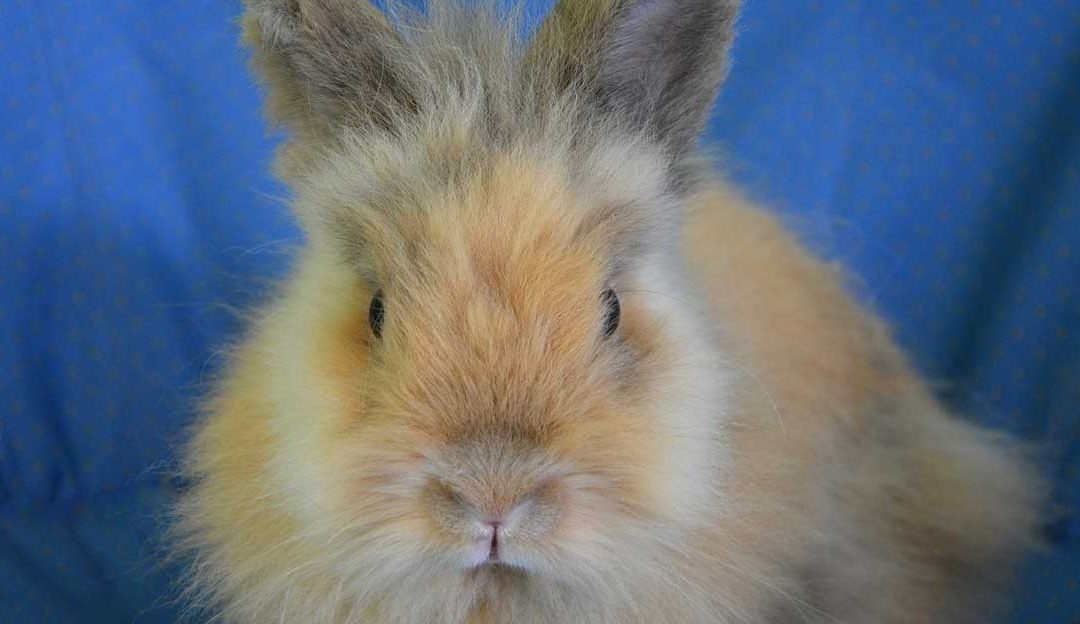
Proper vaccination technique is crucial for ensuring the effectiveness and safety of the procedure for your rabbit. Incorrect administration can lead to adverse reactions or ineffective immunization. Careful attention to detail and the use of appropriate techniques are essential to protect your pet’s health.
Injection Technique
The subcutaneous injection is the preferred method for administering rabbit vaccines. This involves injecting the vaccine into the loose tissue just beneath the skin. Avoid injecting directly into muscle tissue, as this can lead to discomfort and potential complications. Using a needle gauge appropriate for the size of the rabbit and the volume of the vaccine is critical.
A smaller gauge needle minimizes discomfort and reduces the risk of tissue damage. The injection site should be cleaned thoroughly with a disinfectant prior to injection. This minimizes the risk of introducing bacteria into the area. Maintaining aseptic technique throughout the procedure is paramount to prevent infection.
Injection Sites and Suitability
Selecting the optimal injection site is important for ensuring the vaccine’s effectiveness and minimizing potential discomfort. The preferred sites for subcutaneous injections in rabbits are the lateral (side) area of the neck, the shoulder, or the upper back. These areas typically have loose subcutaneous tissue, reducing the risk of muscle damage. Avoid areas near joints, as these can be more sensitive.
The chosen site should be easily accessible without causing undue stress to the rabbit. For younger rabbits, the shoulder area might be a better choice due to its relative accessibility.
Dosage and Volume
The appropriate dosage and volume of vaccine are critical for achieving optimal immune response without causing harm. Always adhere to the manufacturer’s recommendations for the specific vaccine being administered. The recommended dosage and volume will vary depending on the rabbit’s weight and the specific vaccine product. It is crucial to measure the correct volume of vaccine precisely to avoid under- or overdosing.
Always verify the dosage and volume with the vaccine package insert before proceeding with the administration.
Step-by-Step Procedure
A clear, step-by-step procedure helps ensure consistency and safety during vaccination. This method minimizes the stress on the rabbit and maximizes the chances of a successful vaccination.
- Preparation: Gather all necessary materials, including the vaccine, appropriate syringe and needle, antiseptic solution, and cotton balls. Ensure that the vaccine is stored and handled according to the manufacturer’s instructions. Prepare a calm, quiet area for the procedure. Having a gentle assistant to restrain the rabbit can be helpful, but only if they can do it safely and without causing additional stress.
- Rabbits Restraint: Gently restrain the rabbit, preferably using a soft cloth or towel to support the body, without causing unnecessary stress. Avoid rough handling or squeezing. Ensure a comfortable and safe position for the rabbit during the procedure.
- Site Selection: Select a suitable injection site on the rabbit’s body. Cleanse the area thoroughly with an antiseptic solution, ensuring the area is free of dirt and debris. Allow the antiseptic to dry completely.
- Injection: Inject the vaccine slowly and carefully into the subcutaneous tissue at the chosen site, using the correct needle gauge and syringe. Observe for any signs of discomfort or adverse reactions.
- Post-Injection Care: Monitor the rabbit for any signs of discomfort, such as swelling, redness, or excessive bleeding at the injection site. Apply a small amount of pressure to the injection site for a few seconds if bleeding occurs. Keep the rabbit in a quiet, calm environment for the rest of the day. Document the date, time, vaccine type, and dosage administered in a logbook.
Post-Vaccination Care

Following rabbit vaccination, diligent post-vaccination care is crucial for ensuring the vaccine’s effectiveness and minimizing potential complications. This involves monitoring the rabbit closely for any adverse reactions and providing supportive care as needed. Careful observation and prompt management of any issues can significantly improve the rabbit’s recovery and overall well-being.
Monitoring for Adverse Reactions
Post-vaccination monitoring involves vigilant observation of the rabbit’s behavior and physical condition. This should extend for at least 24-48 hours following the vaccination. Note any changes from the rabbit’s typical behavior, such as decreased appetite, lethargy, or changes in activity levels. Prompt recognition of any potential adverse reactions is essential for timely intervention and minimizing discomfort.
Signs of Common Reactions and Management
Recognizing common post-vaccination reactions in rabbits is vital for providing appropriate care. These reactions can vary in severity and range from mild discomfort to more significant complications. Early identification allows for prompt intervention and often prevents more severe problems.
- Mild Local Reactions: These are localized reactions at the injection site, such as slight swelling, redness, or heat. Gentle application of a cool compress can provide relief. If the swelling or redness becomes significant, consult with a veterinarian. Mild discomfort can be managed with pain relievers appropriate for rabbits, as directed by a veterinarian.
- Systemic Reactions: These reactions affect the rabbit’s overall body and can include fever, lethargy, loss of appetite, and decreased activity. Providing a quiet, comfortable environment, offering fresh water, and monitoring for any worsening symptoms is crucial. If fever persists or worsens, or if other symptoms emerge, consult a veterinarian immediately.
- Allergic Reactions: While less common, severe allergic reactions, such as difficulty breathing, hives, or significant swelling of the face or body, are possible. If an allergic reaction is suspected, seek veterinary assistance immediately. These reactions require prompt and intensive medical attention.
Potential Side Effects and Management
The following table summarizes potential side effects and their management approaches. Consult with a veterinarian for personalized advice based on your rabbit’s specific condition and the vaccine administered.
| Potential Side Effect | Management |
|---|---|
| Mild swelling/redness at injection site | Apply a cool compress, monitor for worsening signs. |
| Lethargy, decreased appetite | Provide a quiet, comfortable environment. Offer fresh water and easily digestible food. Monitor for worsening signs. |
| Fever (rectal temperature above 102°F/39°C) | Monitor closely for other symptoms. Provide a cool environment and fresh water. Consult a veterinarian if the fever persists or worsens. |
| Loss of coordination, tremors | Immediately contact a veterinarian. |
| Difficulty breathing, hives, significant swelling | Seek immediate veterinary attention. |
Common Vaccination Mistakes
Proper rabbit vaccination is crucial for maintaining their health. Understanding common pitfalls can help ensure a successful and safe vaccination process. Knowing the potential errors and their solutions empowers rabbit owners to provide the best possible care for their furry companions.
Identifying Common Mistakes
Several mistakes can occur during the rabbit vaccination process, impacting the effectiveness and safety of the procedure. These errors, if not addressed, can lead to suboptimal immune responses or even adverse reactions in the rabbits. Recognizing these common pitfalls is vital for ensuring successful vaccination protocols.
| Mistake | Reason | Solution |
|---|---|---|
| Incorrect Vaccine Selection | Administering a vaccine not suitable for the rabbit’s age, breed, or specific health conditions can lead to ineffective protection or even adverse reactions. For instance, a vaccine intended for adult rabbits might not provide adequate immunity in a young animal. | Consult a veterinarian to determine the appropriate vaccine based on the rabbit’s age, breed, and health history. Always follow the vaccine manufacturer’s instructions. Do not hesitate to seek clarification from the veterinarian on the specific vaccine recommended for your rabbit. |
| Improper Injection Technique | Incorrect injection site selection, needle gauge, or depth can result in discomfort, infection, or ineffective vaccine delivery. A shallow injection may not allow for adequate vaccine absorption, while a deep injection could damage underlying tissues. This can also lead to blood clots or abscesses. | Seek guidance from a veterinarian or experienced rabbit handler on the proper injection technique. Use the recommended needle gauge and ensure the injection site is clean and free from debris. A veterinarian can provide precise guidelines on the correct technique, injection site, and needle gauge, ensuring optimal results. Always double-check the injection site for any signs of infection or complications. |
| Insufficient Vaccine Storage | Improper storage conditions, such as exposure to extreme temperatures or inadequate refrigeration, can compromise the vaccine’s potency. This can lead to a reduced immune response or an inability of the vaccine to effectively protect the animal. | Store vaccines according to the manufacturer’s instructions. Maintain the vaccine in a refrigerator at the recommended temperature range. Regularly check the vaccine’s expiration date to ensure its effectiveness. Always verify the storage conditions for the vaccine to guarantee the potency and efficacy of the administered dose. |
| Failure to Monitor Post-Vaccination | Neglecting to monitor the rabbit for any signs of adverse reactions, such as swelling, redness, or lethargy, after vaccination can lead to the misdiagnosis of other conditions or delay in treatment. | Observe the rabbit closely for any signs of discomfort or adverse reactions for at least 24-48 hours after vaccination. If any unusual symptoms arise, contact your veterinarian immediately. This proactive approach allows for early intervention and prevents complications. |
| Incomplete Vaccination Schedule | Skipping or delaying vaccination doses can compromise the rabbit’s overall immunity and increase the risk of infection. A delayed vaccination schedule may not establish the desired immunity, thus rendering the rabbit vulnerable to disease. | Adhere strictly to the recommended vaccination schedule provided by your veterinarian. This ensures that the rabbit receives all necessary doses for optimal protection. Always consult the veterinarian to establish a vaccination schedule that aligns with the rabbit’s specific needs. |
Vaccine Storage and Handling
Proper storage and handling of rabbit vaccines are crucial to maintain their potency and effectiveness. Failure to adhere to these guidelines can compromise the vaccine’s ability to protect your rabbit from disease, potentially leading to serious health complications. Maintaining optimal storage conditions is vital for ensuring the vaccine’s efficacy and safety.Maintaining the integrity of rabbit vaccines requires careful attention to specific storage conditions.
These conditions directly influence the vaccine’s ability to stimulate the rabbit’s immune response. Following the recommended storage procedures ensures the vaccine remains effective, minimizing the risk of adverse effects.
Proper Storage Conditions
Proper storage is paramount to maintaining the potency and effectiveness of the vaccine. Storage conditions significantly influence the vaccine’s ability to induce an immune response in the rabbit. Maintaining the correct temperature, humidity, and light exposure is essential for optimal vaccine performance. Refrigeration is often required to preserve the vaccine’s potency.
Importance of Maintaining Vaccine Potency
Maintaining vaccine potency is essential for successful immunization. A weakened or compromised vaccine may not effectively stimulate the rabbit’s immune system, leaving it vulnerable to disease. This underscores the importance of adhering to the manufacturer’s recommendations for storage. A potent vaccine is more likely to generate an adequate immune response and offer the best protection.
Vaccine Expiration and Disposal
Proper disposal of expired or unused vaccines is essential for preventing contamination and maintaining public health. Expired vaccines may lose their potency and effectiveness, potentially compromising the rabbit’s immunity. Unused vaccines should also be disposed of according to local regulations to prevent accidental exposure and potential contamination.
Step-by-Step Guide to Vaccine Storage and Handling
This guide Artikels the steps involved in storing and handling rabbit vaccines, ensuring their potency and safety.
- Verify Storage Requirements: Carefully review the manufacturer’s instructions for specific storage conditions, including temperature ranges, humidity levels, and light exposure. These instructions are crucial for maintaining the vaccine’s potency and effectiveness.
- Secure Storage Location: Choose a cool, dry, and dark location to store the vaccine. Avoid areas exposed to direct sunlight or extreme temperature fluctuations. A refrigerator is typically recommended for most vaccines.
- Proper Labeling: Clearly label each container with the vaccine’s name, date of receipt, and expiration date. This aids in easy identification and tracking.
- Temperature Monitoring: Utilize a thermometer to regularly monitor the temperature of the refrigerator or cold storage unit to ensure it remains within the recommended range. This helps in maintaining the integrity of the vaccine.
- Handling Precautions: Handle vaccines with clean hands to avoid contamination. Use appropriate protective equipment, such as gloves, if necessary.
- Disposal of Expired/Unused Vaccines: Follow local regulations for proper disposal of expired or unused vaccines. This may involve specific disposal procedures to prevent contamination.
Table of Storage Conditions
The following table summarizes the recommended storage conditions for various rabbit vaccines. These conditions are critical to maintaining the vaccine’s effectiveness.
| Vaccine Type | Storage Condition |
|---|---|
| Rabies | Refrigerate at 2-8°C (35.6-46.4°F) |
| Myxomatosis | Refrigerate at 2-8°C (35.6-46.4°F) |
| Viral Hemorrhagic Disease | Refrigerate at 2-8°C (35.6-46.4°F) |
| Other preventative vaccines | Refrigerate at 2-8°C (35.6-46.4°F) unless otherwise stated on the label |
Illustrative Examples
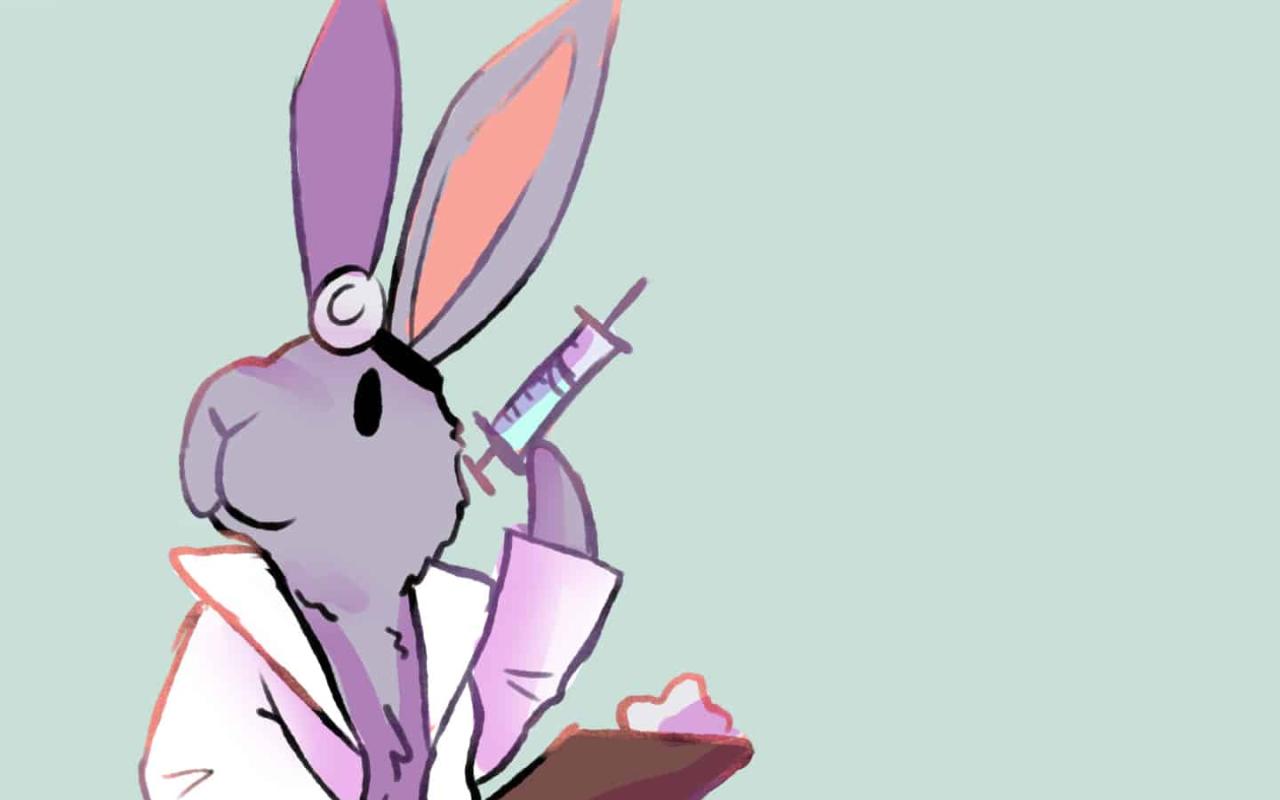
Understanding the physical characteristics and behaviors of rabbits before, during, and after vaccination is crucial for successful and safe administration. This section provides illustrative examples to aid in recognizing healthy and diseased rabbits, as well as typical rabbit behavior during and after vaccination. Accurate observation can assist in identifying potential issues early.
Healthy Rabbit Characteristics
A healthy rabbit exhibits a vibrant and alert demeanor. Its fur is smooth, clean, and free of mats or parasites. The eyes are bright and clear, and the nose is moist. The rabbit’s body condition is ideal, neither emaciated nor obese. Its movements are agile and coordinated, and the rabbit is responsive to stimuli.
The rabbit’s posture is erect, with no visible signs of lameness or discomfort. A healthy rabbit is active, exploring its environment and engaging in natural behaviors.
Disease Presentation in Rabbits
Rabbits experiencing a disease often show noticeable changes in their physical characteristics and behavior. Symptoms can vary greatly depending on the specific illness. For instance, a rabbit with respiratory infection might exhibit sneezing, nasal discharge, and difficulty breathing. A rabbit with enteritis may show diarrhea, lethargy, and loss of appetite. A rabbit with eye infection might exhibit redness, swelling, and discharge from the eye.
In all cases, it is important to recognize any deviation from the typical characteristics of a healthy rabbit.
Rabbit Behavior Before, During, and After Vaccination
Before vaccination, the rabbit should be calm and receptive to handling. Rabbits experiencing stress before vaccination may exhibit signs like trembling, hiding, or becoming agitated. During vaccination, the rabbit may display mild discomfort or flinch slightly. This is normal and should subside quickly after the injection. Post-vaccination, the rabbit may experience mild lethargy or reduced activity, but should return to its normal behavior within a few hours.
Close monitoring of the rabbit’s behavior is important for detecting any unusual or concerning reactions.
Proper Vaccination Technique Illustration
Imagine a rabbit sitting calmly on a flat surface, like a table or a padded examination area. A veterinarian or experienced rabbit handler holds the rabbit securely, but gently, with one hand supporting the rabbit’s body near its chest and the other hand supporting its head and neck. The rabbit’s body is gently restrained, but not squeezed. The injection site is located on the rabbit’s upper thigh, a relatively large area where subcutaneous injection is easily performed.
The injection site is cleaned with an antiseptic solution (such as alcohol) to minimize the risk of infection. A small amount of the vaccine is carefully injected into the muscle tissue just beneath the skin. The needle should be inserted at a 45-degree angle to the skin, using a 25-gauge needle that is appropriate for the rabbit’s size.
The needle should be withdrawn immediately after the injection, and the injection site should be gently pressed with a clean gauze pad to stop any bleeding. The rabbit is then released or placed back in its enclosure.
Note: This is a simplified description of the technique. Always consult with a veterinarian or experienced rabbit handler for the correct and safe procedure.
Variations in Vaccine Procedures
Rabbit vaccination protocols should be tailored to individual rabbits, taking into account breed-specific characteristics, age, and overall health. This approach ensures optimal immune response and minimizes potential complications. Breed variations, age-related factors, and pre-existing conditions can significantly influence the efficacy and safety of vaccination.Vaccination protocols are not a one-size-fits-all solution. The same vaccine administered to different rabbits might elicit varying immune responses, depending on factors such as their genetic makeup, immune system maturity, and overall health.
Adapting protocols to these specificities is essential for achieving successful vaccination outcomes.
Breed-Specific Considerations
Different rabbit breeds exhibit variations in body size, coat type, and susceptibility to certain diseases. While most rabbits respond similarly to vaccines, specific breeds might require adjustments in dosage or administration technique. For instance, smaller breeds may necessitate smaller vaccine volumes to avoid potential complications. Breeds with dense fur might require more careful needle placement to ensure optimal vaccine delivery.
Considerations for Young Rabbits
Young rabbits, especially those under four weeks of age, have an immature immune system. Their immune response to vaccines may be less robust than that of older rabbits. The administration of vaccines in young rabbits should be performed with extra caution, ensuring minimal stress and a safe vaccination site. In addition, the vaccine selection might be crucial, prioritizing those with a lower risk of adverse reactions in the early stages of development.
Considerations for Elderly Rabbits
Elderly rabbits, often with compromised immune systems, may exhibit a slower or less robust response to vaccination. Their vaccination protocols should be carefully monitored, and vaccines should be selected with the elderly rabbit’s health status in mind. Reduced dosage might be necessary to avoid potential adverse reactions.
Impact of Health Conditions on Vaccination Protocols
Pre-existing health conditions in rabbits can significantly affect vaccination outcomes. Rabbits with underlying illnesses, such as respiratory infections or gastrointestinal issues, may not respond effectively to vaccination. In these cases, veterinary consultation is crucial to determine the most appropriate vaccination schedule and dosage. The presence of concurrent illnesses often necessitates a delay in vaccination or a different approach to maximize safety and effectiveness.
Comparison of Vaccination Protocols for Different Age Groups
| Age Group | Vaccine Type | Dosage | Administration Technique | Frequency |
|---|---|---|---|---|
| Young Rabbits (0-4 weeks) | Modified live vaccines (MLV) (in consultation with a veterinarian) | Lower dosage | Intramuscular or subcutaneous, depending on the vaccine | Initial dose followed by booster doses, spaced appropriately, per veterinarian recommendation |
| Adult Rabbits (4-12 months) | Standard vaccines | Standard dosage | Intramuscular or subcutaneous | Annual or biannual, based on specific vaccines and recommendations from the veterinarian |
| Senior Rabbits (12+ months) | Standard vaccines | Potential dosage reduction | Intramuscular or subcutaneous | Annual or biannual, with careful monitoring and consultation with a veterinarian |
The table above provides a general guideline. Specific vaccination protocols should always be determined by a veterinarian, considering the individual rabbit’s health status, breed, and other relevant factors.
Ending Remarks
In conclusion, vaccinating your rabbit is a vital aspect of responsible pet ownership. This guide has provided a thorough overview of the process, from initial preparation to post-vaccination care. By understanding the importance of vaccination, choosing the right vaccine, and following the correct administration procedures, you can significantly contribute to your rabbit’s health and longevity. Remember to prioritize a calm and stress-free environment throughout the entire process.
Consult with your veterinarian if you have any concerns or questions.