Rabbits are beloved companions, known for their endearing personalities and charming quirks. However, responsible pet ownership often involves decisions regarding reproductive health and behavior management. This guide delves into the process of neutering a rabbit, providing a comprehensive overview from pre-operative considerations to post-operative care. It addresses common questions and concerns, empowering rabbit owners to make informed choices about their pet’s well-being.
The procedure, while seemingly straightforward, demands careful attention to detail and a proactive approach. This guide addresses the nuances of rabbit anatomy, physiology, and behavior, helping owners understand the importance of a well-executed neutering process. We’ll explore various factors, from the selection of a qualified veterinarian to the meticulous post-operative care required to ensure a smooth recovery.
Introduction to Neutering Rabbits

Neutering, also known as sterilization, is a surgical procedure that permanently prevents a rabbit from reproducing. It involves the removal of the reproductive organs, either the testicles in male rabbits (castration) or the ovaries and uterus in female rabbits (ovariohysterectomy). This procedure is performed under general anesthesia, ensuring the rabbit’s comfort and safety throughout the process.This procedure offers significant benefits beyond preventing unwanted litters.
Properly performed, it can significantly impact a rabbit’s overall health and behavior. Understanding the procedure, its advantages, and potential misconceptions is crucial for rabbit owners seeking to provide the best possible care for their companions. This article provides a comprehensive overview of neutering rabbits, encompassing the procedure itself, benefits, common misconceptions, and a comparative look at various breeds’ typical neutering needs.
Procedure and Benefits
Neutering significantly reduces the risk of certain health issues in rabbits. In females, ovariohysterectomy eliminates the risk of uterine infections, ovarian cysts, and uterine cancer. In males, castration decreases the likelihood of testicular cancer and certain behavioral issues. The procedure is generally safe and effective when performed by a qualified veterinarian. Post-operative care is essential for a speedy recovery.
Behavioral Changes
Neutering can lead to notable behavioral improvements in rabbits. Aggressive behaviors, such as fighting and territorial marking, are often reduced or eliminated in males after castration. Female rabbits may exhibit reduced hormonal-driven behaviors, such as constant attempts to nest or breed. These changes can contribute to a more harmonious and predictable living environment for the rabbit and its human companions.
Health Implications
Neutering significantly impacts a rabbit’s overall health. The reduced hormonal fluctuations contribute to improved general well-being, leading to a more stable and healthy lifestyle. Rabbits that have been neutered may be less prone to certain cancers and other diseases associated with hormonal imbalances. This improved health translates into a longer and more enjoyable life for the rabbit.
Common Misconceptions
A common misconception is that neutering rabbits is unnecessary for pet rabbits. This is untrue, as neutering can alleviate potential health and behavioral issues. Another misconception is that neutering is only for rabbits intended for breeding. In reality, neutering offers benefits to all pet rabbits, regardless of their intended role. Finally, some owners fear the recovery process, but proper veterinary care and post-operative attention minimize the risks and ensure a smooth recovery.
Breed-Specific Considerations
| Breed | Typical Neutering Age | Size Considerations |
|---|---|---|
| Dwarf Lop | 4-6 months | Smaller size, potentially faster recovery |
| Flemish Giant | 6-8 months | Larger size, may require longer recovery time |
| English Lop | 5-7 months | Medium size, standard recovery time |
| Holland Lop | 4-6 months | Smaller size, potentially faster recovery |
This table provides a general guideline for neutering ages, but the optimal time depends on the individual rabbit’s development and health. Consulting with a veterinarian is always recommended to determine the appropriate age and procedure for your rabbit. Breed-specific differences in size and physiology may affect recovery times, so a veterinary professional can best advise on individual care.
Pre-Procedure Considerations
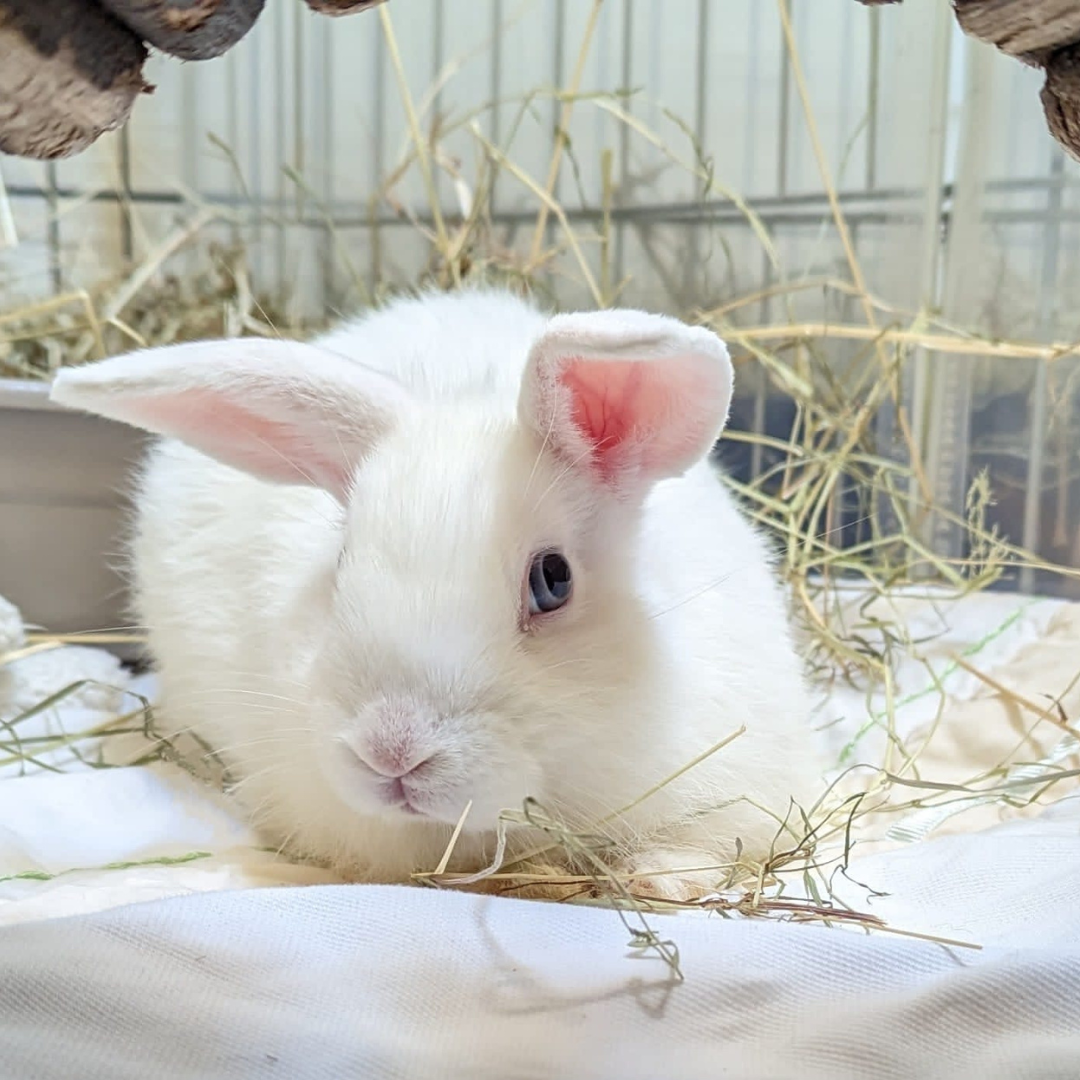
Preparing a rabbit for neutering requires careful attention to its overall health and well-being. A thorough pre-operative assessment is crucial to ensure the procedure is performed safely and effectively, minimizing potential risks. This involves a comprehensive evaluation of the rabbit’s condition, dietary needs, and potential complications.
Importance of a Pre-operative Health Check-up
A pre-operative health check-up is essential for identifying any underlying health issues that could complicate the neutering procedure or increase the risk of complications. This check-up should be conducted by a veterinarian experienced in rabbit care, who can assess the rabbit’s physical condition, including its weight, heart rate, respiratory rate, and overall body condition score. Early detection of potential problems allows for timely intervention and appropriate treatment, maximizing the chances of a successful outcome.
Signs Indicating a Rabbit is Not Fit for Surgery
Certain signs may indicate that a rabbit is not fit for neutering at that time. These signs can range from mild to severe and may include signs of illness, such as lethargy, loss of appetite, coughing, sneezing, discharge from the eyes or nose, diarrhea, or vomiting. Additionally, rabbits with significant dental problems, severe obesity, or other underlying health conditions, such as respiratory infections or heart conditions, may not be suitable candidates for surgery.
A veterinarian can accurately assess a rabbit’s condition and determine if surgery is appropriate.
Dietary Restrictions and Preparation for Surgery
Proper dietary management is crucial in the days leading up to the neutering procedure. For a few days before surgery, the rabbit’s diet should be gradually transitioned to a bland, easily digestible diet, such as a rabbit-specific recovery diet or a mixture of plain, cooked vegetables and hay. This helps to ensure the rabbit’s digestive system is functioning optimally, minimizing the risk of post-operative complications like digestive upset.
Restricting the rabbit’s intake of high-fiber foods or fresh leafy greens a few days before surgery may help to reduce the risk of digestive upset and maintain a stable gut environment.
Potential Risks and Complications
Neutering, like any surgical procedure, carries potential risks and complications. Possible complications may include anesthetic complications, such as difficulty breathing or irregular heart rate. Post-operative complications may include infections, bleeding, or wound complications. The rabbit’s age, overall health, and the skill of the veterinary team play a significant role in determining the likelihood and severity of potential complications.
Veterinarians strive to mitigate these risks through careful pre-operative assessment and meticulous surgical technique.
Essential Supplies Needed Before the Procedure
Adequate preparation is crucial to ensure a smooth and successful procedure. Essential supplies include a comfortable and spacious carrier for transport, an appropriate sized cage for recovery, a heat lamp or other means of providing warmth, and readily available fresh water. A soft blanket or towel to help maintain warmth and comfort for the rabbit during the recovery process is also recommended.
Having these items readily available ensures a comfortable and safe recovery environment.
Potential Pre-operative Questions for a Veterinarian
| Question Category | Example Questions |
|---|---|
| Pre-operative Health Assessment | What specific tests or examinations will be performed to assess my rabbit’s health? What are the potential indicators of pre-existing conditions that might affect the surgery? |
| Surgical Procedure Details | What surgical techniques will be used? What are the potential risks and complications associated with the procedure? |
| Post-operative Care | What specific instructions will be provided for post-operative care? What signs should I watch for, and when should I contact you? |
| Anesthesia Protocols | What type of anesthesia will be used? What are the potential risks associated with anesthesia in rabbits? |
Surgical Procedure
The surgical neutering of a rabbit requires meticulous attention to detail and a thorough understanding of rabbit anatomy. A skilled veterinarian, equipped with the appropriate surgical tools and techniques, will ensure a safe and successful procedure. Proper preparation and post-operative care are critical for the rabbit’s recovery.
Surgical Techniques
Various techniques are employed for rabbit neutering, each with its advantages and considerations. The most common technique involves a laparoscopic approach. This minimally invasive method utilizes small incisions, resulting in less tissue trauma and a shorter recovery period compared to traditional open procedures. In some cases, an open technique may be necessary, especially for rabbits with pre-existing conditions or complex anatomical considerations.
The choice of technique will be made by the veterinarian based on the individual rabbit’s needs.
Surgical Tools and Equipment
A comprehensive set of surgical instruments is essential for a safe and efficient procedure. These tools include sterile scalpels, scissors, forceps, and retractors to expose and manipulate tissues. Specialized instruments for handling delicate rabbit anatomy are often used. Anesthesia equipment, including inhalation anesthetics, is also crucial to ensure the rabbit’s comfort and safety during the procedure. Sterile drapes, gowns, and gloves are essential to maintain a sterile field.
A surgical light provides illumination for the surgical site. Finally, haemostatic agents are crucial for controlling bleeding during and after the procedure.
Preparing the Surgical Site and Maintaining a Sterile Environment
Strict adherence to sterile technique is paramount for preventing infection. The surgical site is meticulously cleaned and prepared with antiseptic solutions. Sterile drapes and gowns are worn by the surgical team to maintain a sterile environment. All instruments and equipment are sterilized before use. The surgical area is regularly checked for contamination to maintain sterility throughout the procedure.
The environment is kept clean and well-ventilated to further reduce the risk of infection.
Recovery Times
Recovery times vary depending on the technique employed and the individual rabbit’s health. Laparoscopic procedures generally have shorter recovery times compared to open procedures. Factors such as the rabbit’s pre-operative health status, the complexity of the surgery, and post-operative care also play a role in the overall recovery process. Rabbits undergoing laparoscopic neutering may exhibit faster return to normal activity compared to those with an open technique.
However, consistent monitoring and careful post-operative care are crucial for all rabbits.
Steps of the Surgical Procedure
| Step | Description | Image |
|---|---|---|
| 1 | Anesthesia Induction and Maintenance: The rabbit is administered anesthetic agents, ensuring a safe and comfortable state throughout the procedure. | (Imagine a rabbit calmly lying on a surgical table, under a light, with an anesthesiologist administering the anesthetic. The rabbit appears relaxed.) |
| 2 | Surgical Site Preparation: The surgical area is meticulously cleaned and prepared using antiseptic solutions to maintain a sterile field. | (Imagine a veterinarian meticulously cleaning the surgical site of a rabbit, applying antiseptic solutions, and draping the rabbit in sterile cloths.) |
| 3 | Incision and Tissue Exposure: A precise incision is made to expose the target tissues. The veterinarian carefully handles and retracts tissues to ensure clear visibility. | (Imagine a veterinarian making a precise incision on the rabbit’s abdomen, carefully retracting the tissues to expose the reproductive organs.) |
| 4 | Removal of Reproductive Organs: The veterinarian carefully removes the testicles or ovaries. | (Imagine a veterinarian skillfully removing the reproductive organs from the rabbit’s body.) |
| 5 | Hemostasis and Closure: The surgical site is meticulously checked for any bleeding. Bleeding is controlled, and the incision is closed using absorbable sutures. | (Imagine a veterinarian applying pressure to stop any bleeding, and carefully closing the incision with absorbable sutures.) |
| 6 | Post-Operative Care: The rabbit is carefully monitored, and post-operative care is administered to ensure a smooth recovery. | (Imagine a veterinarian carefully monitoring the rabbit after the surgery, providing appropriate care.) |
Post-Operative Care
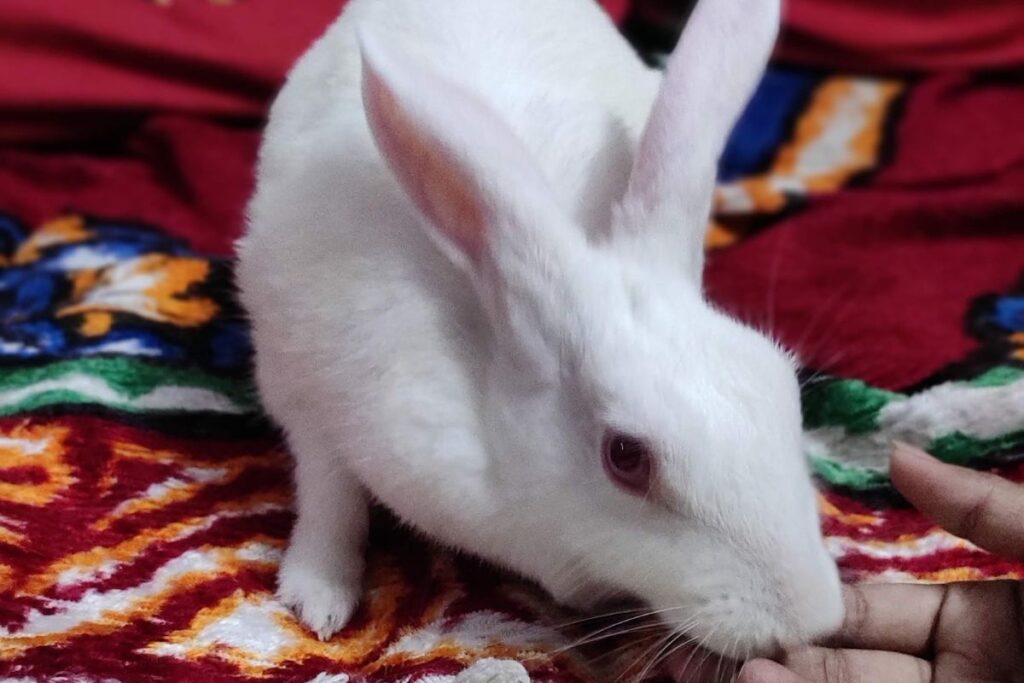
Post-operative care is crucial for a rabbit’s successful recovery following neutering. This period requires meticulous attention to ensure the rabbit heals properly and minimizes the risk of complications. Careful monitoring and a tailored diet are essential for optimal recovery. Early identification of any potential problems allows for prompt veterinary intervention, maximizing the chances of a full and speedy recovery.
Importance of Post-Operative Care
Proper post-operative care is paramount to a rabbit’s recovery. It encompasses everything from monitoring vital signs to managing pain and ensuring a suitable diet. By closely observing the rabbit and addressing its needs, you can significantly reduce the risk of complications and promote a healthy return to normal activities. Neglecting post-operative care can lead to prolonged recovery, increased pain, and even life-threatening complications.
Monitoring and Care During Recovery
Continuous monitoring is essential during the recovery period. This involves checking for any signs of distress, such as difficulty breathing, excessive lethargy, or unusual discharge from the incision site. Observe the rabbit’s appetite, activity level, and overall demeanor. Regular check-ups with the veterinarian are vital to ensure proper healing and address any concerns promptly. Early detection of potential issues significantly improves the chances of a successful recovery.
Post-Operative Diet
A modified diet is crucial for the rabbit’s recovery. Immediately after surgery, a soft, easily digestible diet is necessary. This could include softened pellets, finely chopped vegetables (like carrots or zucchini), and soft fruits like mashed bananas. Avoid high-fiber foods, as they can put extra stress on the digestive system during the healing process. Gradually introduce more roughage and a regular diet over the next few days, as the rabbit’s digestive system recovers.
The transition should be gradual and monitored for any signs of digestive upset.
Managing Pain and Discomfort
Managing pain and discomfort is an important aspect of post-operative care. The veterinarian may prescribe pain medication to help alleviate discomfort. Ensure the rabbit has a comfortable and quiet recovery space. Minimizing stress is crucial, so keep the environment calm and avoid any sudden movements or loud noises. Gentle handling is key, and it’s essential to observe for any signs of discomfort.
Signs of Complications and When to Seek Veterinary Attention
Early identification of potential complications is vital for prompt veterinary intervention. Signs to watch for include excessive swelling around the incision site, excessive bleeding, discharge from the incision that is pus-like or foul-smelling, difficulty urinating or defecating, and persistent lethargy. If you notice any of these signs, contact your veterinarian immediately. Prompt veterinary attention is critical in preventing serious complications.
Daily Post-Operative Care Schedule
| Time | Activity | Description ||————-|———————————————————————————————————|———————————————————————————————————————————————————————————–|| Morning | Check vital signs (breathing rate, heart rate, activity level) | Observe for any changes in breathing, heart rate, or level of activity.
Note any signs of discomfort or distress. || | Monitor incision site for swelling, redness, or discharge | Inspect the incision site for any signs of infection or complications.
Note the presence of swelling, redness, or any abnormal discharge. || | Offer soft food and water | Provide a small amount of softened food and fresh water.
Ensure the rabbit is able to access the food and water easily. || Afternoon | Check vital signs and incision site | Repeat morning checks to ensure the rabbit’s condition remains stable.
|| | Offer a small amount of fresh water and soft food | Provide a small amount of fresh water and soft food, ensuring the rabbit is still consuming food and water.
|| Evening | Check vital signs and incision site | Repeat morning and afternoon checks.
Note any changes in the rabbit’s behavior, appetite, or discomfort. || | Offer a small amount of fresh water and soft food | Provide a small amount of fresh water and soft food, ensuring the rabbit is still consuming food and water.
|| Night | Monitor rabbit for any signs of distress; keep the rabbit in a quiet, comfortable environment | Keep the rabbit in a quiet, comfortable area and monitor for any signs of distress, such as difficulty breathing, excessive lethargy, or unusual discharge from the incision.
|
Common Problems and Solutions
Post-operative care for a neutered rabbit is crucial for a smooth recovery. Recognizing and addressing potential complications promptly can significantly improve the rabbit’s well-being and ensure a positive outcome. Veterinary follow-up is essential to monitor the rabbit’s progress and address any issues that may arise.
Potential Post-Operative Complications
Post-operative complications, while not always occurring, are a possibility following any surgical procedure. These may include infections, pain, discomfort, and behavioral changes. Recognizing the signs and symptoms of these issues is vital for prompt veterinary intervention and optimal recovery.
Managing Infection
Infection is a significant concern after any surgery. Maintaining meticulous hygiene and monitoring for signs of infection, such as swelling, redness, discharge, or fever, is critical. Early detection and appropriate treatment are essential to prevent the spread of infection and complications. Treatment will typically involve antibiotics prescribed by the veterinarian.
Managing Pain and Discomfort
Pain and discomfort are common post-operative experiences. Rabbits may exhibit signs of discomfort, including lethargy, reduced appetite, or reluctance to move. Administering pain medication as prescribed by the veterinarian is crucial for managing pain and promoting comfort. Pain management should be tailored to the rabbit’s specific needs and monitored closely.
Common Post-Operative Behavioral Changes
Post-operative behavioral changes can range from mild restlessness to more pronounced changes in temperament. Some rabbits may become more withdrawn, while others may exhibit increased aggression or anxiety. These behavioral changes are often temporary and subside as the rabbit recovers. Understanding and managing these changes are key to supporting a successful recovery.
Solutions for Managing Behavioral Changes
Addressing behavioral changes involves creating a calm and supportive environment for the rabbit. Minimizing stressors such as loud noises, sudden movements, or interactions with other pets is crucial. Providing a quiet, comfortable space with familiar objects can help the rabbit feel secure and promote relaxation. A gentle approach to handling and interaction will facilitate a smoother recovery.
Importance of Follow-Up Visits
Regular follow-up visits with the veterinarian are crucial to monitoring the rabbit’s recovery. The veterinarian can assess the rabbit’s condition, evaluate the healing process, and adjust treatment plans as needed. These visits provide a platform for early detection and prompt management of any potential complications.
Potential Problems and Solutions
| Potential Problem | Solution |
|---|---|
| Infection (swelling, redness, discharge, fever) | Administer antibiotics as prescribed by the veterinarian. Maintain meticulous hygiene and monitor for signs of infection. |
| Pain and Discomfort (lethargy, reduced appetite, reluctance to move) | Administer pain medication as prescribed by the veterinarian. Ensure a calm and comfortable environment. |
| Behavioral Changes (withdrawal, aggression, anxiety) | Create a quiet, supportive environment. Minimize stressors. Maintain a gentle approach to handling and interaction. |
| Slow Healing or Persistent Issues | Schedule a follow-up appointment with the veterinarian to assess the situation and determine the appropriate course of action. |
Alternatives and Considerations
Neutering is a common and often effective approach to managing unwanted behaviors in rabbits, but it’s not the only option. Understanding alternative methods and the specific circumstances where neutering might not be ideal is crucial for responsible rabbit ownership. This section explores various approaches to behavior management, highlighting the importance of considering all factors before making a decision about neutering.Alternative methods for managing unwanted behaviors in rabbits should be considered alongside neutering.
Many behavioral issues can be addressed through positive reinforcement training, environmental enrichment, and addressing underlying medical concerns.
Alternative Behavior Management Techniques
Positive reinforcement training can be very effective in modifying unwanted behaviors. Rewards, like treats or praise, are used to encourage desired actions. Consistent training and patience are key to success. Environmental enrichment, such as providing interesting toys, tunnels, and climbing structures, can also help redirect a rabbit’s energy and prevent boredom, which often contributes to undesirable behaviors.
Lastly, addressing potential medical issues is crucial. A veterinarian can identify underlying conditions that may be contributing to the problem behaviors.
Comparison of Neutering and Alternative Methods
Neutering is a surgical procedure that can significantly impact a rabbit’s hormonal levels and behaviors, often reducing territorial marking and aggression. However, alternative methods, such as positive reinforcement training, offer a less invasive approach to addressing specific behaviors. The choice between neutering and alternative methods depends on the individual rabbit’s needs and the nature of the unwanted behavior.
Situations Where Neutering Might Not Be Suitable
There are instances where neutering may not be the optimal solution. For example, if the rabbit exhibits aggression due to a medical condition like pain or anxiety, neutering may not resolve the issue. In such cases, addressing the underlying medical problem is paramount. Additionally, some rabbits might be too young or have health concerns that make surgery risky.
Careful consideration of the rabbit’s overall health and well-being is essential.
Responsible Pet Ownership and Rabbit Behavior
Responsible pet ownership plays a vital role in managing rabbit behaviors. Consistent routines, a safe and stimulating environment, and understanding a rabbit’s natural needs are critical for a happy and healthy pet. Providing ample space, appropriate social interaction (where appropriate), and addressing potential stressors are essential aspects of responsible care.
Ethical Considerations Regarding Rabbit Neutering
Ethical considerations surrounding neutering include weighing the benefits of the procedure against potential risks. The procedure should only be performed by a qualified veterinarian. The well-being of the rabbit should always be prioritized. A thorough discussion with a veterinarian is crucial to evaluate the specific situation and make an informed decision.
Factors to Consider When Deciding to Neuter a Rabbit
Several factors influence the decision to neuter a rabbit. These include the rabbit’s age, overall health, temperament, and the specific behaviors that need addressing. A detailed consultation with a veterinarian is recommended to discuss the potential risks and benefits of the procedure, and to determine whether neutering is the best course of action for the individual rabbit. Ultimately, the goal is to ensure the rabbit’s well-being and happiness.
FAQs and Additional Resources
Understanding the nuances of rabbit neutering can alleviate anxieties and ensure a smooth transition for both the rabbit and its owner. This section provides answers to frequently asked questions, and connects you with reliable resources for further exploration.
Common Questions About the Procedure
This section addresses common concerns surrounding the rabbit neutering procedure, offering insights into various aspects of the process. Careful consideration of these details can help owners feel more prepared and confident in the care of their rabbits.
| Question | Answer |
|---|---|
| What are the signs of a successful rabbit neuter? | A successful neuter is typically indicated by the rabbit’s return to normal activity levels within a day or two. Any unusual lethargy or pain should be immediately reported to a veterinarian. Post-operative swelling, though common, should gradually decrease over the next few days. |
| How long does the recovery period typically last? | The recovery period for a rabbit neuter typically spans one to two weeks. During this time, careful monitoring of the rabbit’s activity levels, eating habits, and pain response is essential. |
| What dietary changes should I make for my rabbit after the surgery? | Dietary changes are often unnecessary after a rabbit neuter. However, ensuring access to fresh, high-quality hay and water is crucial. If the rabbit is experiencing any discomfort or refusing food, consult your veterinarian. |
| What are the potential complications of the procedure? | Like any surgical procedure, rabbit neutering carries potential complications, albeit uncommon. These can include infection, bleeding, or issues with healing. Regular monitoring and prompt veterinary attention are critical to mitigate these risks. |
Additional Resources for Rabbit Owners
Accessing reliable resources can significantly enhance your understanding and preparedness for rabbit care.
- Veterinary Resources: Consult your veterinarian for personalized guidance specific to your rabbit’s needs and post-operative care. They are invaluable in addressing any concerns or questions you may have. A local veterinary clinic or specialist in small animal care can offer the most up-to-date information and support.
- Rabbit-Specific Organizations: Numerous organizations dedicated to rabbit welfare provide valuable information and support. These resources can be accessed online, through membership, or through local chapters. They offer insights into proper care, nutrition, and health management.
- Online Forums and Communities: Online forums and communities dedicated to rabbit owners offer a platform for sharing experiences, advice, and support. While online resources can be helpful, always prioritize the advice of a qualified veterinarian.
Final Conclusion
In conclusion, neutering a rabbit is a crucial aspect of responsible pet ownership, impacting both the rabbit’s physical and behavioral well-being. This comprehensive guide has Artikeld the key steps and considerations, from the initial health assessment to long-term care. By understanding the pre-operative, surgical, and post-operative stages, rabbit owners can contribute to a healthy and happy life for their furry companions.
Remember, your veterinarian is your primary resource for personalized advice and guidance.