Recognizing the subtle signs of illness in your beloved rabbit is crucial for ensuring their well-being. This guide provides a comprehensive overview of common symptoms, behavioral changes, and physical assessments, empowering you to identify potential issues and take appropriate action. Understanding these indicators allows for prompt veterinary intervention when necessary, ultimately contributing to a healthier and happier rabbit companion.
From physical symptoms like loss of appetite and lethargy to behavioral changes such as hiding or aggression, this resource offers practical insights and actionable steps to help you effectively evaluate your rabbit’s health. Detailed tables illustrate correlations between symptoms, potential causes, and severity levels, facilitating a clearer understanding of the possible underlying issues.
Identifying Common Symptoms
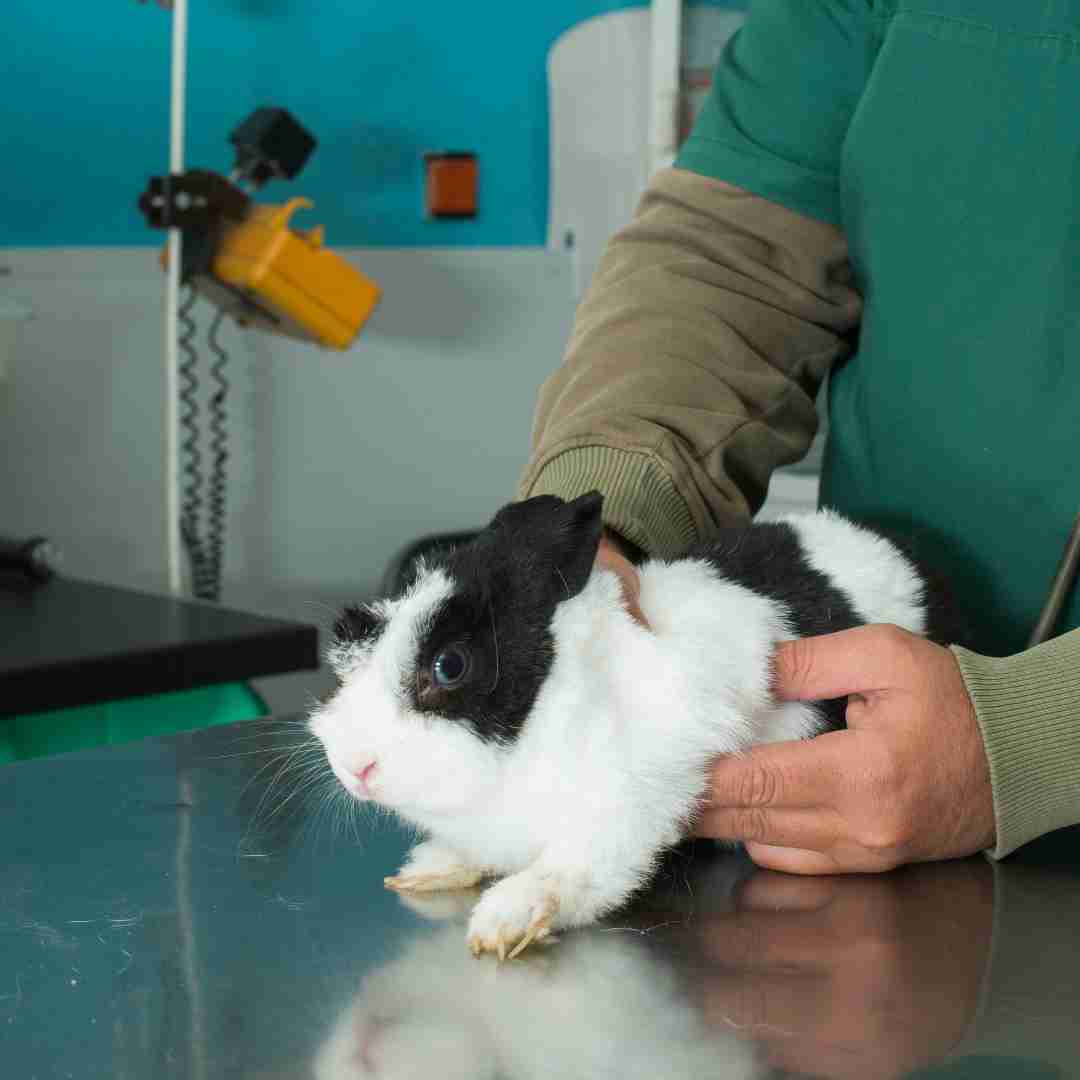
Rabbits, due to their delicate nature, can exhibit a wide array of symptoms when unwell. Recognizing these signs is crucial for prompt veterinary intervention and a successful recovery. Early detection allows for tailored treatment plans and minimizes the severity of the illness.Understanding the subtle differences between normal rabbit behavior and illness-related behaviors is vital for responsible rabbit ownership.
This involves familiarity with typical activities, such as grooming, eating, sleeping, and interaction with their environment. Knowing what constitutes “normal” for your specific rabbit is essential for detecting deviations that could signal illness.
Physical Symptoms of Illness
Rabbits often display a range of physical symptoms that can vary depending on the underlying cause of the illness. Recognizing these subtle cues is key to early intervention.
- Loss of Appetite: A rabbit’s refusal to eat can be a significant indicator of illness. This can stem from a variety of issues, such as gastrointestinal problems, dental issues, or even more serious conditions. It’s important to note that a temporary loss of appetite is not necessarily cause for alarm, but persistent refusal to eat warrants immediate attention.
- Lethargy: A rabbit exhibiting decreased activity, reluctance to move, or a general lack of energy (lethargy) can be indicative of various illnesses. This symptom can range from mild to severe, often accompanied by other symptoms such as loss of appetite or changes in urination or defecation habits.
- Changes in Urination or Defecation: Variations in the frequency, consistency, or appearance of urine and feces can signal a variety of issues. For example, diarrhea or constipation might be signs of gastrointestinal problems. Blood in the urine or feces can indicate more severe conditions and require immediate veterinary care.
- Changes in Breathing: Difficulty breathing, rapid breathing, or labored breathing could suggest respiratory infections or other underlying health problems. Pay close attention to any changes in respiratory patterns, as they can be early indicators of respiratory distress.
- Changes in Posture or Movement: Notice any changes in posture, like hunched posture or inability to maintain balance. Similarly, altered movement patterns, limping, or reluctance to move can indicate pain or injury, and prompt veterinary attention is necessary.
- Changes in Grooming Habits: If a rabbit stops grooming or has excessive grooming, it could be a sign of discomfort or pain. Changes in grooming patterns can also suggest underlying health issues.
- Swelling or Abscesses: Any visible swelling or abscesses on the body, or any unusual lumps or bumps, can point towards infection or other conditions. Seek veterinary care immediately if you notice any of these signs.
Differentiating Normal from Abnormal Behaviors
Distinguishing normal rabbit behavior from abnormal behaviors that signal illness requires careful observation and familiarity with your pet’s usual patterns. A rabbit’s normal behaviors vary, but consistent monitoring allows for identification of deviations that require attention.
- Normal behaviors include typical eating habits, grooming, sleep patterns, and interactions with the environment. Changes in any of these areas warrant investigation. For instance, if a rabbit usually enjoys playing but suddenly stops, this warrants further observation.
- Abnormal behaviors often include decreased activity, refusal to eat or drink, changes in urination or defecation patterns, or difficulty breathing. If these behaviors persist or worsen, immediate veterinary attention is critical.
Symptom Comparison Table
The table below summarizes common symptoms, potential causes, and severity levels. This tool aids in evaluating the potential severity of a rabbit’s condition.
| Symptom | Possible Cause | Severity | Notes |
|---|---|---|---|
| Loss of appetite | Gastrointestinal issues, dental problems, stress, or illness | Moderate | Could indicate other issues. Note duration and other accompanying symptoms. |
| Lethargy | Various illnesses, pain, or injury | Moderate to Severe | May be accompanied by other symptoms. Observe for any other changes in behavior. |
| Diarrhea | Gastrointestinal infections, dietary changes | Moderate to Severe | Can lead to dehydration. Note the consistency and color of the feces. |
| Swollen eyes or discharge | Infections, allergies | Moderate | Monitor for worsening symptoms. May indicate more serious conditions if not treated promptly. |
Observing Behavioral Changes
Rabbits are highly sensitive creatures, and subtle changes in their behavior can be early indicators of illness. Careful observation of their daily routines and activities can help you identify potential problems before they escalate. Understanding these subtle cues can be crucial in providing timely veterinary care.Rabbits exhibit a wide range of normal behaviors, and distinguishing between typical actions and signs of distress requires attentiveness and familiarity with your rabbit’s usual habits.
By paying close attention to their activities, you can detect deviations that may signal underlying health issues.
Identifying Subtle Behavioral Changes
Careful observation of a rabbit’s behavior is essential for recognizing early signs of illness. These subtle changes can range from decreased activity to alterations in grooming habits and unusual vocalizations. It’s crucial to understand your rabbit’s normal behavior patterns to identify deviations.
Examples of Behavioral Changes
A rabbit’s normal behaviors include exploring their environment, grooming themselves, and interacting with their surroundings. Any significant deviation from these typical patterns may signal illness.
- Decreased Activity: A rabbit that is normally very active might suddenly become lethargic or spend more time resting. This could be a sign of pain, illness, or discomfort.
- Changes in Grooming Habits: Rabbits are meticulous groomers. If you notice a decrease or absence of grooming, it could indicate pain or difficulty reaching certain areas of their body.
- Unusual Vocalizations: Rabbits have a range of vocalizations, from soft chirps to loud squeaks. Unusual or increased vocalizations, especially if accompanied by other changes, may signal discomfort or pain.
- Changes in Eating Habits: A decrease in appetite, refusal to eat, or changes in food preferences may indicate illness or discomfort. This can also include not drinking enough water.
- Hiding or Seclusion: Rabbits might seek refuge in quiet corners or hide under objects. This could stem from fear, pain, or illness. Sudden changes in hiding behaviors should be noted.
- Aggression: Rabbits typically aren’t aggressive, but if they show signs of aggression, it could be a symptom of pain, discomfort, or illness. This aggression might be directed toward the owner or other rabbits.
Categorizing Behavioral Changes
The following table summarizes common behavioral changes, their potential causes, severity, and additional notes. It is essential to consider this table in conjunction with other observations and consult with a veterinarian if you suspect an illness.
| Behavioral Change | Possible Cause | Severity | Notes |
|---|---|---|---|
| Hiding | Fear, pain, illness | Moderate | Could be a sign of discomfort or anxiety. Consider the environment and other potential stressors. |
| Aggression | Pain, discomfort, illness, territoriality | Moderate to Severe | May be directed at owner or other rabbits. Assess for other symptoms like limping, difficulty breathing, or reluctance to move. |
| Loss of appetite | Dental problems, illness, or discomfort | Moderate to Severe | Monitor for other symptoms like lethargy or decreased activity. Ensure access to fresh water. |
| Excessive grooming | Allergies, skin irritation, or stress | Moderate | If accompanied by hair loss, skin redness, or itching, it may indicate a skin issue. |
Assessing Body Condition
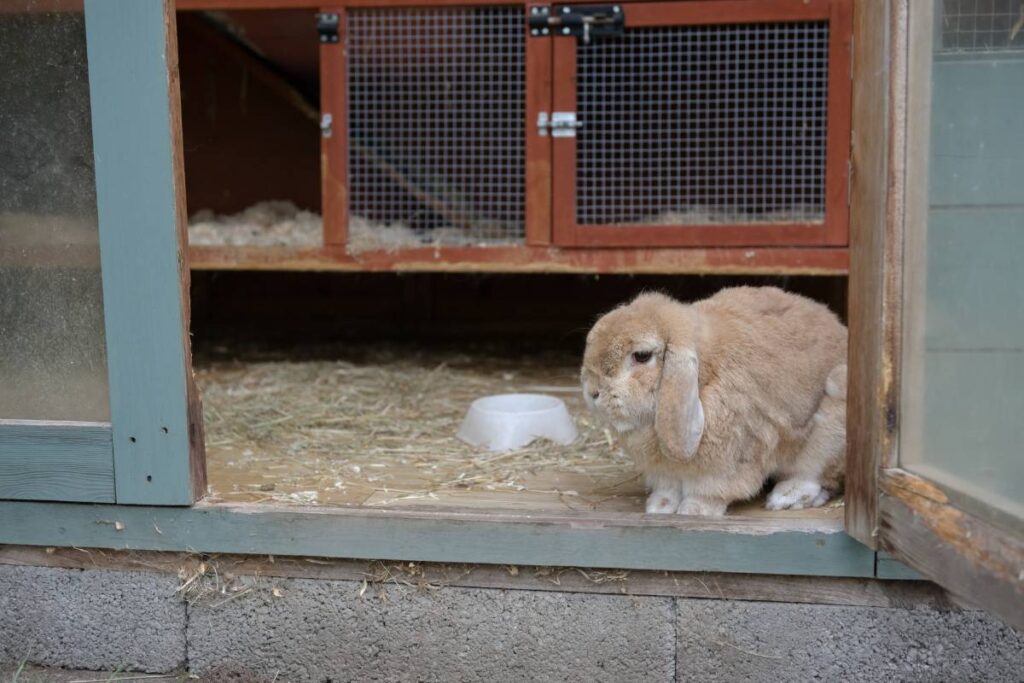
A crucial aspect of rabbit health assessment involves evaluating their body condition. This assessment goes beyond simply looking at them; it requires a careful and consistent observation of their physical state, including weight, hydration, temperature, and posture. A rabbit’s overall health is directly reflected in these factors.Careful observation allows for early detection of potential issues, which is vital for prompt intervention and treatment.
This proactive approach can significantly improve the rabbit’s chances of a full recovery.
Evaluating Body Weight
Consistent monitoring of a rabbit’s weight is essential for identifying changes that could signal illness. Weight loss can be a sign of various underlying conditions, including dental problems, digestive issues, or infections. Conversely, excessive weight gain can indicate metabolic disorders or other health problems.
Assessing Hydration
A rabbit’s hydration status is easily assessed by examining their skin and eyes. A rabbit that is well-hydrated will have a moist, pliable nose and a soft, slightly moist skin. Conversely, dehydration will manifest as dry, dull eyes, and a noticeably dry or rough coat. Checking the gums can also provide an indication of dehydration, with a well-hydrated rabbit having pink, moist gums.
Checking Body Temperature
Normal body temperature for rabbits is typically between 101°F and 103°F (38.3°C and 39.4°C). A rectal temperature is the most accurate method of measurement. An elevated or significantly lowered temperature can indicate an underlying illness or infection. For instance, a rabbit exhibiting a fever might have difficulty breathing and show signs of lethargy. A rabbit with a low temperature could exhibit symptoms such as shivering or lack of energy.
Evaluating Posture and Movement
A rabbit’s posture and movement patterns provide valuable insights into their overall well-being. A rabbit that is uncomfortable or in pain may exhibit stiffness, reluctance to move, or a hunched posture. An example of this would be a rabbit with a sprained leg; they may favour one leg, and their posture might show signs of discomfort. Similarly, changes in gait, like stumbling or hopping erratically, may signal a problem with their joints, bones, or muscles.
Monitoring for External Abnormalities
Regularly checking for any external abnormalities, such as wounds, lesions, or lumps, is crucial. These abnormalities can range from minor cuts to more serious infections. For example, a rabbit with a persistent skin wound might show signs of infection, such as swelling, redness, or pus. Similarly, a lump or swelling in a particular area of the body could indicate a cyst, tumor, or other growth.
Step-by-Step Physical Examination
A consistent examination routine is vital. Regular checks will allow for the early detection of any subtle changes.
- Gently handle the rabbit, ensuring a safe and comfortable experience. Always support the rabbit’s body when handling it.
- Carefully examine the rabbit’s fur, looking for any signs of mats, parasites, or unusual lesions.
- Check for any wounds, cuts, or sores on the rabbit’s body, paying particular attention to areas prone to injury, such as the nose and ears.
- Assess the rabbit’s eyes, ears, and nose for any signs of discharge, redness, or swelling.
- Observe the rabbit’s overall posture and movement, noting any signs of stiffness, lameness, or discomfort.
Differentiating between Common Illnesses
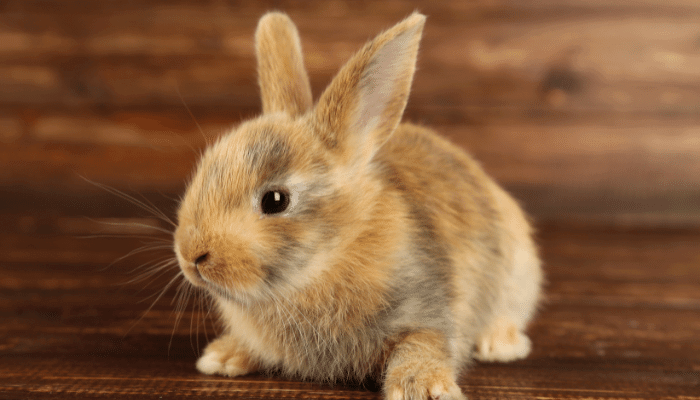
Identifying the specific illness affecting your rabbit is crucial for providing appropriate care. Symptoms can overlap, making accurate diagnosis challenging without veterinary intervention. However, understanding the typical presentations of various common rabbit ailments can aid in early detection and prompt action.A detailed understanding of symptoms, combined with observation of behavioral changes and physical assessment, is essential to differentiating between various potential illnesses.
This allows for informed decisions regarding the necessary steps to take.
Common Rabbit Illnesses
Rabbits are susceptible to a range of health issues. Respiratory infections, ear infections, dental problems, and gastrointestinal issues are among the most prevalent. Recognizing the distinct symptoms associated with each can significantly improve the likelihood of a timely and effective response.
Respiratory Infections
Respiratory infections in rabbits often manifest as sneezing, nasal discharge (which may be clear, white, or yellow), and lethargy. These symptoms can be caused by various pathogens, requiring veterinary intervention for diagnosis and treatment. Rabbits with respiratory issues may also exhibit a reduced appetite and decreased activity levels.
Ear Infections
Ear infections in rabbits are frequently characterized by head shaking, scratching at the ears, and a discharge from the ear canal. The discharge may be yellowish or brown. Pain and discomfort are often evident, with the rabbit exhibiting signs of irritability or discomfort.
Dental Problems
Dental problems, a significant concern for rabbits, often present with difficulty eating, drooling, and weight loss. Malocclusion, or misalignment of teeth, can cause pain and hinder the rabbit’s ability to properly chew and consume food. This can lead to severe weight loss and other complications.
Gastrointestinal Issues
Gastrointestinal issues in rabbits can range from mild digestive upsets to more serious conditions. Symptoms may include changes in bowel movements (diarrhea, constipation, or abnormal stool consistency), loss of appetite, and lethargy. These issues can be triggered by dietary changes, stress, or underlying health problems.
Comparison of Symptoms
| Illness | Symptoms | Treatment | Severity |
|---|---|---|---|
| Dental Problems | Difficulty eating, drooling, weight loss, teeth grinding, painful chewing, reluctance to eat certain foods | Professional dental care by a veterinarian. Dietary adjustments may be necessary. | High |
| Respiratory Infection | Sneezing, nasal discharge (clear, white, or yellow), lethargy, coughing, loss of appetite, reduced activity | Veterinary care, including antibiotics and supportive care. Maintaining a clean environment is essential. | Moderate to High |
| Ear Infections | Head shaking, scratching at ears, discharge from ear canal (yellowish or brown), redness or swelling of the ear, loss of balance | Veterinary care, including topical ear medication and supportive care. | Moderate |
| Gastrointestinal Issues | Changes in bowel movements (diarrhea, constipation, or abnormal stool consistency), loss of appetite, lethargy, abdominal pain (may be observed by the rabbit’s posture and reactions), inappetence | Veterinary care, dietary adjustments, and supportive care. Dehydration can be a significant concern, requiring rehydration therapy. | Moderate to High (depending on the severity of the issue) |
Recognizing Signs of Emergency
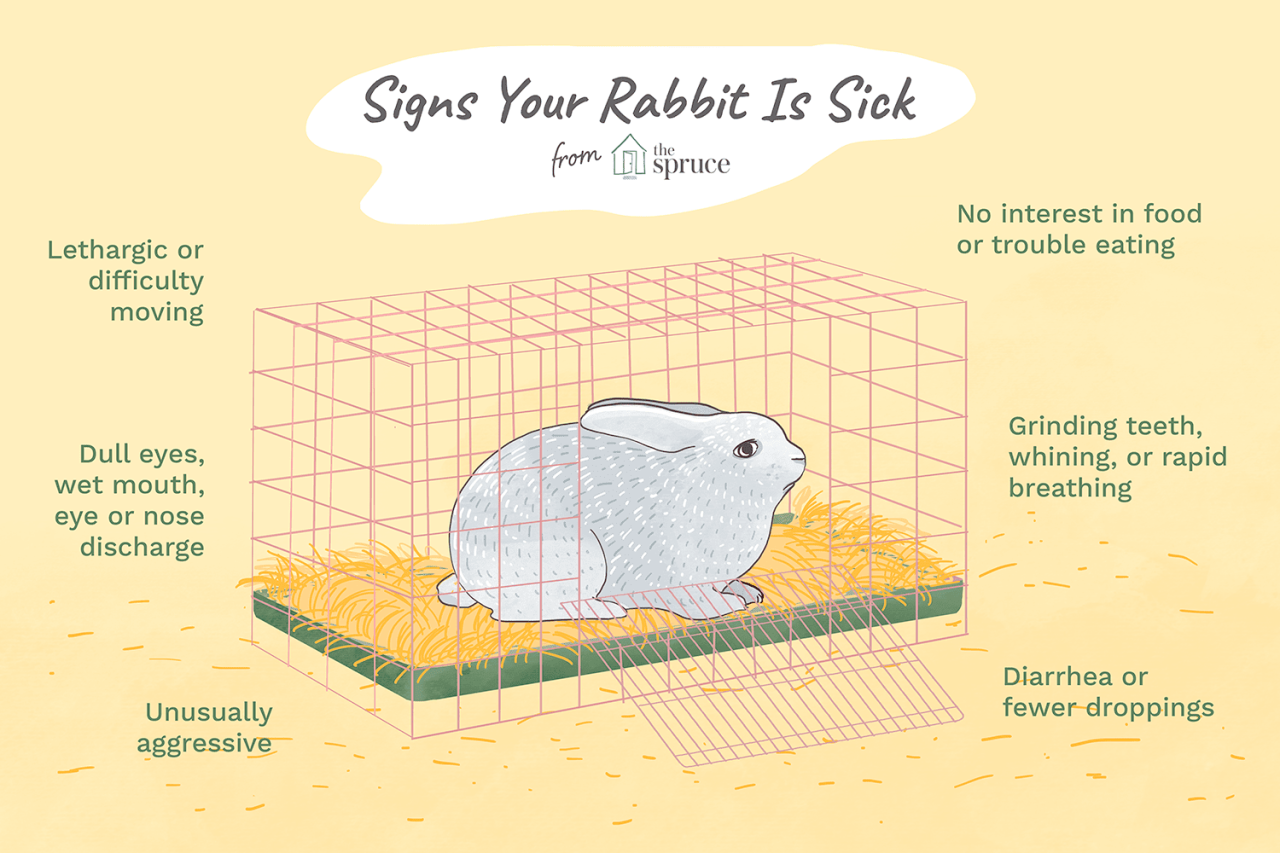
Rabbits, despite their seemingly fragile nature, can exhibit surprising resilience. However, some situations demand immediate veterinary intervention to prevent serious health complications or even death. Understanding the signs of an emergency is crucial for providing prompt and appropriate care.Recognizing critical symptoms and acting swiftly can significantly improve a rabbit’s chances of survival and recovery. This section details situations requiring immediate veterinary attention, highlighting crucial symptoms and outlining a structured approach to handling emergencies.
Situations Requiring Immediate Veterinary Attention
Knowing when to seek immediate veterinary care is paramount for a rabbit’s well-being. Failure to act promptly can lead to irreversible consequences.
- Seizures: A rabbit experiencing convulsions or tremors needs immediate veterinary attention. These episodes, if prolonged or repeated, can cause brain damage.
- Difficulty Breathing: Labored breathing, rapid or shallow breaths, or noisy breathing sounds, particularly accompanied by distress, require immediate veterinary evaluation.
- Paralysis: Sudden loss of movement or sensation in any part of the body is a critical sign, indicating a potential neurological issue or other serious condition.
- Severe Bleeding: Significant blood loss from any source, such as a wound, internal injury, or trauma, is a life-threatening emergency requiring immediate veterinary care.
- Loss of Appetite and Dehydration: A complete lack of appetite combined with signs of dehydration (dry nose, sunken eyes) warrants urgent veterinary attention, as it often indicates a severe illness.
- Trauma: Injuries from falls, fights, or other accidents can lead to internal damage or other serious conditions. Seek veterinary care immediately.
- Sudden behavioral changes: A rabbit exhibiting extreme fear, aggression, or complete withdrawal from its usual activities may indicate a sudden, severe illness.
- Unconsciousness: If a rabbit is unresponsive or unconscious, it’s a critical emergency situation requiring immediate veterinary attention.
Critical Symptoms and Their Implications
Identifying the specific symptoms of a rabbit’s distress is critical for determining the severity and urgency of the situation.
- Seizures: Characterized by violent muscle contractions and loss of consciousness. The duration and frequency of seizures indicate the severity of the underlying condition.
- Difficulty Breathing: Shallow, rapid, or labored breathing, accompanied by open-mouthed breathing or gasping, are strong indicators of respiratory distress.
- Paralysis: The sudden inability to move a limb or part of the body, often accompanied by weakness or lack of sensation, is a significant sign of a neurological issue.
- Severe Bleeding: External bleeding, such as from a wound, or internal bleeding, which can manifest as pale gums or lethargy, demands immediate veterinary care.
Emergency Procedures
A structured approach to handling emergencies is essential for rabbits’ safety and well-being.
- Contact Your Veterinarian Immediately: Inform the veterinarian of the symptoms and the rabbit’s condition, as well as your location and the best way to reach you.
- Perform Basic First Aid (if appropriate): If the vet advises it, and if you are capable, perform basic first aid such as applying gentle pressure to a wound to stop bleeding or supporting the rabbit if it is weak.
- Gather Information: Note the time the symptoms began, any recent changes in the rabbit’s diet or environment, and any medications the rabbit may be taking.
- Transportation: Transport the rabbit to the vet in a safe, secure carrier. Keep the rabbit warm and comfortable during transport.
Preventive Measures
Maintaining a rabbit’s health hinges significantly on proactive measures. A healthy environment and appropriate husbandry practices are crucial in preventing illnesses. This section details key preventative strategies, emphasizing diet, housing, and hygiene to minimize the risk of disease and promote well-being.Proper care and attention to detail are paramount in ensuring the longevity and happiness of your rabbit companion.
By understanding and implementing these preventive measures, you can significantly contribute to their overall health and well-being.
Proper Diet
A balanced diet is essential for a rabbit’s robust immune system. A diet rich in high-quality hay, fresh vegetables, and appropriate amounts of pellets forms the cornerstone of rabbit nutrition. Hay should always be available ad libitum, as it promotes healthy digestion and dental health.
- Hay is the cornerstone of a rabbit’s diet. It provides essential fiber, promoting healthy digestion and preventing digestive issues. Ensure that your rabbit has access to a variety of fresh, high-quality hay, such as Timothy hay or orchard grass. Avoid using dusty or moldy hay, as it can lead to respiratory problems.
- Fresh vegetables should be offered in moderation, supplementing the hay-based diet. Leafy greens like romaine lettuce, kale, and parsley are excellent choices. However, avoid feeding excessive amounts of sugary vegetables like carrots, as they can lead to digestive upset. Always introduce new vegetables gradually to avoid any potential digestive issues.
- Pellets should be provided in controlled amounts, as a supplemental source of nutrients. Look for pellets specifically formulated for rabbits, and follow the recommended daily intake guidelines. Avoid feeding excessive amounts of pellets, as it can lead to obesity and digestive issues.
Appropriate Housing
A suitable environment plays a vital role in maintaining a rabbit’s health. Adequate space, proper ventilation, and temperature control are crucial aspects of housing.
- Provide ample space for your rabbit to move around and explore. A cage that allows for sufficient room to hop, stretch, and lie down is ideal. A rabbit needs a spacious environment for their physical and mental well-being. Overcrowding can lead to stress and various health problems.
- Ensure proper ventilation to maintain good air quality. A well-ventilated cage helps prevent the build-up of ammonia and other harmful gases that can lead to respiratory issues. A cage that is too closed or cramped can result in respiratory illness.
- Maintain a comfortable temperature range within the cage. Rabbits are susceptible to heatstroke and hypothermia. Avoid placing the cage in direct sunlight or drafty areas. A stable temperature is essential for their health.
Hygiene Practices
Regular cleaning and sanitation are vital for maintaining a healthy environment for your rabbit. Proper hygiene helps prevent the buildup of pathogens and promotes a clean, healthy living space.
- Regularly clean and disinfect the cage, removing soiled bedding and replacing it with fresh, clean materials. Regular cleaning helps eliminate potential disease-causing pathogens.
- Clean food and water bowls daily to prevent bacterial growth. This helps maintain a healthy diet for the rabbit and prevents illness. Dirty food and water bowls can cause illness.
- Monitor the rabbit’s surroundings for any signs of hazards, such as sharp objects or harmful substances. A safe and secure environment is crucial for preventing injury and illness. Potential hazards, such as broken toys or chemical spills, can cause significant injury or illness to your rabbit.
Identifying Environmental Hazards
Identifying and mitigating potential hazards in the rabbit’s environment is critical for preventing illness. A thorough inspection of the living space is essential for identifying any potential dangers.
- Inspect the cage for any sharp objects, broken toys, or wires that could injure your rabbit. Sharp objects or broken toys can cause cuts and wounds, leading to infections.
- Check for potential sources of toxins, such as cleaning products or poisonous plants, within the rabbit’s environment. Keep these substances out of reach to prevent poisoning.
- Ensure that the rabbit’s enclosure is free from excessive moisture and dampness. Damp environments can lead to the growth of mold and bacteria, which can cause respiratory problems.
Closure
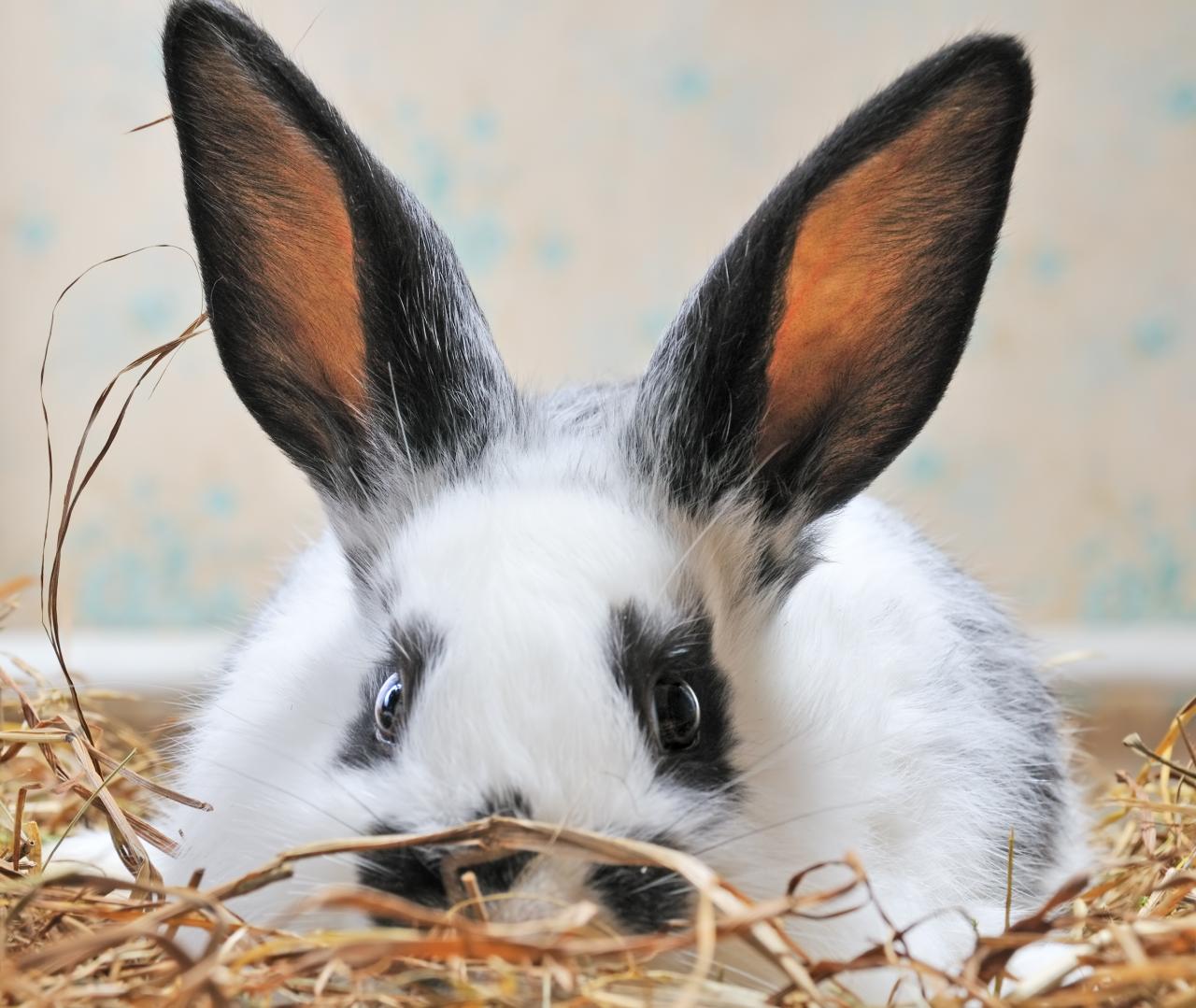
In conclusion, proactively monitoring your rabbit’s health is essential for their well-being. By familiarizing yourself with common symptoms, behavioral cues, and physical indicators, you can effectively assess your rabbit’s condition and understand when professional veterinary care is required. Early detection of potential issues allows for timely intervention, ultimately promoting a healthier and more fulfilling life for your furry friend.
Remember, consistent observation and prompt action are key to ensuring your rabbit’s happiness and longevity.