Responsible rabbit ownership extends beyond basic care to encompass enriching their lives through play and stimulating activities. Understanding a rabbit’s natural behaviors and needs is crucial for ensuring their physical and mental well-being. This comprehensive guide delves into the fascinating world of rabbit entertainment, offering practical advice on creating a stimulating environment and engaging activities to keep your furry friend happy and healthy.
From selecting safe and engaging toys to designing interactive play sessions and enriching their environment, this guide provides a detailed roadmap for keeping your rabbit entertained and thriving. We will explore various approaches, considering individual rabbit personalities and needs, to ensure a harmonious and fulfilling life for your beloved companion.
Introduction to Rabbit Entertainment
Responsible rabbit ownership extends beyond providing food and shelter; it encompasses enriching their lives through play and stimulation. A happy and healthy rabbit is a rabbit that is actively engaged and challenged. This involves understanding their natural behaviors and providing opportunities for them to express those behaviors, leading to a well-rounded and contented companion.Rabbit welfare is deeply intertwined with their physical and mental well-being.
Their natural behaviors, such as foraging, digging, and exploring, are crucial for their mental and physical health. Engaging these instincts through appropriate play and enrichment activities is vital for preventing boredom, stress, and potential behavioral issues. Regular entertainment not only enhances their quality of life but also contributes to their overall health and longevity.
Fundamental Needs for Rabbit Well-being
Rabbits are naturally curious and active animals. Their fundamental needs for physical and mental well-being stem from their inherent behaviors. These include a need for space to move around, opportunities to explore, and interaction with their environment. Providing these opportunities is essential for their overall health and happiness.
Natural Behaviors and Enrichment
Rabbits exhibit a range of natural behaviors, including digging, chewing, and exploring. These behaviors are essential for their physical and mental well-being. Enrichment activities should cater to these behaviors, offering stimulating and engaging experiences. For example, a rabbit may enjoy a hidey-hole or a puzzle feeder to stimulate their natural foraging instincts. Similarly, providing safe digging materials, such as shredded paper or cardboard boxes, can allow rabbits to engage in their natural digging behaviors.
Types of Entertainment Activities
Providing a variety of entertainment options caters to the different needs of rabbits. This variety helps prevent boredom and encourages exploration.
- Foraging Activities: Puzzle feeders, scattered treats, and hiding food within their environment stimulate their natural foraging instincts. This mental challenge prevents boredom and encourages exploration. Using a variety of food textures and shapes can further enhance the experience.
- Exploration and Play: Providing a spacious enclosure with different levels and tunnels allows rabbits to explore and engage in play. Introducing new objects and toys periodically keeps their minds stimulated.
- Social Interaction: For rabbits that are housed with compatible companions, interaction and play are crucial. Social interaction is essential for their mental stimulation.
Environmental Enrichment
The environment significantly impacts a rabbit’s well-being. Providing an environment that mirrors their natural habitat and incorporates various elements is vital.
- Space and Design: A spacious enclosure with different levels, tunnels, and hiding places allows rabbits to engage in natural behaviors, such as digging and exploring. A well-designed enclosure also minimizes stress and promotes a sense of security.
- Materials: Including appropriate materials, such as safe chew toys, digging materials, and sturdy tunnels, supports their natural behaviors. These materials should be chosen with safety in mind.
- Stimulating Elements: Incorporating natural materials, like branches or cardboard tubes, can enhance the enclosure and offer opportunities for exploration and chewing. Varying the scenery and introducing new elements keeps rabbits stimulated.
Safe and Engaging Toys
Providing safe and engaging toys is crucial for a rabbit’s physical and mental well-being. A stimulating environment helps prevent boredom and promotes natural behaviours, reducing the risk of behavioural problems. Rabbits are naturally curious and active animals, requiring a variety of toys to satisfy their needs.A well-designed play area encourages exploration, exercise, and mental stimulation, contributing to a happy and healthy rabbit.
This section will Artikel safe and suitable toy options, emphasizing the importance of selecting toys appropriate for the rabbit’s size, temperament, and age.
Safe Toy Materials
Understanding the safe materials for rabbit toys is essential for their well-being. Hardwood, such as untreated pine or aspen, are generally safe for chewing. Avoid materials like cedar or pine-based products, as these can contain oils or resins that can be harmful to rabbits. Similarly, avoid painted or varnished wood, as the paint or varnish could contain toxic substances.
Natural, untreated materials like cardboard, paper, and wicker are also suitable for some toys. Ensure all materials are free from any potentially harmful additives.
Types of Toys by Function
- Chew Toys: Providing suitable chew toys is essential for rabbits, as they have a natural instinct to gnaw. Safe options include untreated hardwood branches (like apple, willow, or birch), safe cardboard tubes, and untreated wooden blocks. These toys help maintain healthy teeth and prevent boredom. Chewing is a natural behaviour that keeps teeth trimmed and promotes oral health.
Avoid toys containing harmful chemicals or substances.
- Tunnels and Mazes: Tunnels and mazes provide enrichment and encourage exploration. Cardboard tubes, paper-based tunnels, or soft, woven baskets can be used. These toys cater to rabbits’ natural curiosity and instinct to explore. Make sure tunnels are not too small or flimsy to avoid potential hazards.
- Hideaways and Houses: Hideaways are vital for rabbits’ sense of security and privacy. Choose sturdy, spacious hideaways made from untreated wood, cardboard, or wicker. These spaces offer rabbits a safe haven and a place to retreat. Ensure the hideaway is large enough for the rabbit to comfortably turn around.
Assessing Suitability for Rabbits
Choosing the right toy for your rabbit is essential. Consider the rabbit’s size and temperament when selecting toys. Larger rabbits may need larger chew toys, and more robust tunnels. A shy rabbit might benefit from a secure hideaway. Observe your rabbit’s interactions with toys to determine their preferences.
If a rabbit shows interest in a toy, it is a good sign.
Supervising Rabbits with New Toys
Always supervise your rabbit when introducing new toys. This allows you to monitor their interactions and ensure they are not chewing or playing with the toy in a potentially harmful way. Remove any toy that presents a risk, like a broken piece, or if the rabbit shows signs of discomfort. It’s essential to regularly inspect toys for damage.
Ensure the rabbit is not becoming entangled in any part of the toy.
Comparative Table of Rabbit Toys
| Toy Type | Benefits | Safety Concerns | Suitability (Breed/Age) |
|---|---|---|---|
| Untreated Wood Branches | Natural chewing, dental health | Potential splinters if not smooth, check for toxins | All breeds, all ages (with supervision) |
| Cardboard Tubes | Chewing, exploration, hideaway | Can be easily damaged, watch for ingestion | All breeds, all ages (with supervision) |
| Wicker Baskets | Hideaway, chewing | Potential for tangling, durability | All breeds, all ages (with supervision) |
| Paper-based Tunnels | Exploration, enrichment | May tear easily, watch for ingestion | All breeds, all ages (with supervision) |
Interactive Play Activities
Encouraging interaction and play is crucial for a rabbit’s overall well-being and happiness. It allows them to use their natural instincts, develop problem-solving skills, and strengthens the bond between you and your furry friend. This section delves into various interactive activities, emphasizing positive reinforcement and reward-based training.Interactive play provides a stimulating environment for rabbits, promoting physical and mental exercise.
This is essential for their overall health and prevents boredom, which can lead to behavioral issues. By engaging in activities that cater to their natural instincts, you’re enriching their lives and fostering a strong bond.
Puzzle Toys
Puzzle toys challenge rabbits to use their natural foraging behaviours and problem-solving abilities. These toys are designed to encourage exploration and reward the rabbit for their efforts. Providing various textures, shapes, and complexities in these toys ensures the rabbit’s continued engagement. This is particularly beneficial for preventing boredom and promoting mental stimulation.
Foraging Activities
Foraging activities mimic rabbits’ natural behaviours of searching for food in their environment. Hiding small treats and vegetables in a designated area encourages the rabbit to sniff, dig, and explore. These activities are enriching and help to maintain a healthy digestive system. They promote physical activity, mental engagement, and can be adapted to various levels of complexity.
Sensory Exploration
Sensory exploration is an important aspect of a rabbit’s play. Providing different textures, smells, and sounds through toys, materials, or environments can greatly stimulate their senses. Examples include offering textured cardboard tubes, soft blankets, or even the use of various scents within a safe and controlled environment. These experiences promote a well-rounded development and engagement.
Positive Reinforcement and Reward-Based Training
Positive reinforcement is key to effective training and building a strong bond with your rabbit. Rewarding desired behaviours, such as gentle interaction or following commands, strengthens those behaviours. This method avoids stress and ensures a positive learning experience. Using high-value treats or rewards will make the activity more engaging and enjoyable.
Play Activity Examples
- Treat-Seeking Tunnel: Hide small treats within a tunnel or cardboard box. This encourages digging, sniffing, and exploring. Materials needed: cardboard box, small treats, and a tunnel. Safety precaution: Ensure the tunnel is safe and non-toxic. The treats should be small enough to avoid choking hazards.
- Foraging Bowl: Place hay or small treats in a shallow dish. The rabbit will dig, explore, and gather the treats. Materials needed: a shallow dish, hay, and small treats. Safety precaution: Use a dish that is sturdy enough to withstand the rabbit’s digging.
- Puzzle Feeder: These toys require the rabbit to manipulate the toy to release food. Materials needed: puzzle feeder, small treats, and a safe place for the rabbit. Safety precaution: Ensure the toy is sturdy and made of non-toxic materials.
Comparison of Interactive Play Activities
| Activity | Benefits | Challenges | Complexity |
|---|---|---|---|
| Treat-Seeking Tunnel | Encourages exploration, sniffing, and digging; promotes problem-solving | Requires supervision to prevent the rabbit from becoming frustrated or becoming too focused on digging; ensure the rabbit does not injure themselves. | Low |
| Foraging Bowl | Mimics natural foraging behaviour; promotes physical activity; stimulates senses. | May require frequent replenishment of treats; ensure the bowl is stable enough to withstand the rabbit’s digging. | Medium |
| Puzzle Feeder | Develops problem-solving skills; provides mental stimulation. | Requires careful selection of a suitable toy to prevent frustration; the rabbit might not engage if the toy is too challenging. | High |
Environmental Enrichment
A stimulating environment is crucial for a rabbit’s physical and mental well-being. A properly enriched environment mimics the natural habitat, allowing rabbits to engage in natural behaviors, like digging, chewing, and hiding, thus reducing boredom and promoting a happier, healthier pet. This section details how to modify the environment to foster these essential behaviors.Creating an environment that encourages natural behaviors is key to a rabbit’s overall happiness and health.
A well-structured environment provides opportunities for exploration, play, and exercise, thus fulfilling their instinctual needs. It is essential to understand and accommodate these needs to create a comfortable and stimulating space for your furry friend.
Modifying the Environment for Exploration
A rabbit’s environment should be more than just a cage; it should be a space that encourages exploration and play. This can be achieved by introducing varied textures, levels, and hiding spots. By mirroring their natural habitat, you allow rabbits to engage in natural behaviors like digging, chewing, and hiding.
- Creating Multiple Levels: Providing multiple levels within the enclosure allows rabbits to explore different vantage points and engage in different activities. This can be achieved with stacked platforms, shelves, or even a small climbing structure. Multiple levels increase the rabbit’s sense of space and encourage movement, reducing the risk of boredom and promoting physical exercise.
- Hidden Spaces and Hiding Spots: Rabbits are naturally inclined to hide. Offer various hiding spots such as cardboard boxes, tunnels, or small enclosures within the enclosure. These hiding places provide a sense of security and privacy, allowing the rabbit to feel safe and comfortable exploring the rest of its environment.
- Variety of Textures: Different textures in the enclosure encourage exploration and chewing. Natural materials such as branches, wood blocks, and cardboard tubes can be incorporated into the enclosure. These provide mental and physical stimulation and help keep teeth worn down naturally.
Natural Materials for Enrichment
Natural materials, like branches and hay, provide valuable enrichment. They support natural behaviors and are essential for a healthy diet and mental stimulation.
- Branches: Provide small, appropriately sized branches for chewing. These are a natural source of enrichment and help keep teeth trimmed and prevent dental issues. Always supervise your rabbit when introducing new materials and ensure the branches are free from pesticides or toxins.
- Hay: Hay is an essential part of a rabbit’s diet. It is also an excellent enrichment tool. Providing a variety of hay types, like Timothy or orchard grass, offers different textures and flavors. Ensure hay is always available and fresh. Use hay to create nests and tunnels, further encouraging natural behaviors.
Importance of Fresh Greens and Vegetables
Fresh greens and vegetables are vital for a rabbit’s nutritional needs. They also add to the enrichment by providing variety and stimulation.
- Variety is Key: Offering a wide selection of fresh greens and vegetables, such as romaine lettuce, carrots, and parsley, provides both nutritional value and stimulation. This encourages exploration of different tastes and textures.
- Nutritional Benefits: Fresh vegetables provide essential vitamins and minerals, crucial for a rabbit’s overall health. This promotes a healthy digestive system and supports the rabbit’s well-being.
- Encouraging Curiosity: Offering different vegetables and greens in various forms (sliced, chopped, whole) promotes curiosity and encourages foraging behavior. This replicates natural foraging patterns and reduces boredom.
Environmental Factors for a Happy and Healthy Rabbit
Several environmental factors influence a rabbit’s happiness and health. These factors must be considered when designing the rabbit’s living space.
| Environmental Factor | Impact on Rabbit Behavior | Steps to Implement |
|---|---|---|
| Space | Sufficient space allows for natural behaviors, reducing stress and promoting exploration. | Provide a spacious enclosure that allows for movement, digging, and resting. Consider a multi-level design. |
| Interaction | Regular interaction with humans provides bonding and mental stimulation. | Engage with your rabbit through play, handling, and interaction. |
| Cleanliness | A clean environment reduces the risk of illness and promotes a comfortable living space. | Regularly clean the enclosure, replacing soiled bedding and removing waste promptly. |
| Safety | A safe environment prevents accidents and promotes trust. | Ensure all materials are safe and non-toxic. Secure the enclosure to prevent escapes. |
| Temperature | Maintaining a suitable temperature prevents overheating or hypothermia. | Maintain a temperature range suitable for rabbits (ideally 65-75°F). Provide a safe place from extreme temperatures. |
Exercise and Socialization
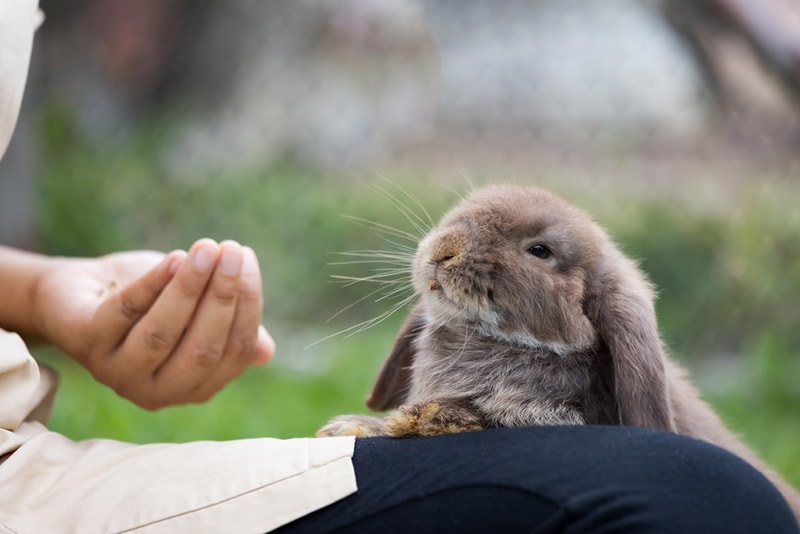
Providing ample opportunities for exercise and social interaction is crucial for a rabbit’s overall well-being. A bored or under-stimulated rabbit can exhibit behavioral problems, from destructive chewing to anxiety. Active rabbits are typically happier and healthier rabbits. Understanding their needs and providing a stimulating environment are key to a fulfilling life.A well-structured routine that incorporates exercise, play, and rest is essential for maintaining a rabbit’s physical and mental health.
This routine should be tailored to the individual rabbit’s personality and energy levels.
Importance of Regular Exercise
Rabbits are naturally active animals, requiring substantial physical activity for optimal health. Regular exercise helps maintain a healthy weight, strengthens their muscles and bones, and aids in preventing various health issues like obesity, arthritis, and digestive problems. Mental stimulation is equally vital, as exercise provides opportunities for exploration and learning, which in turn reduces boredom and stress.
Exercise Methods
A variety of exercise methods can be employed, adapting to the rabbit’s individual needs and preferences.
- Supervised Outdoor Time: Providing supervised outdoor time in a safe, enclosed area allows rabbits to explore and graze naturally. Ensure the area is free of predators, toxins, and potential hazards. Supervision is crucial to prevent escapes or accidents.
- Indoor Play Areas: Creating stimulating indoor play areas with tunnels, toys, and climbing structures provides enriching exercise opportunities. This allows for mental engagement and prevents boredom. Safe materials are crucial for these areas.
- Treadmill Use: While treadmills can be beneficial for some rabbits, they should be used cautiously. Only use a treadmill that is specifically designed for small animals, and introduce the rabbit gradually, ensuring they are comfortable with the environment. Supervise the rabbit closely and adjust the speed and duration based on their tolerance.
Social Interaction
Rabbits are social animals that thrive on interaction with others. However, introducing rabbits to other rabbits or pets requires a careful and gradual approach.
- Introducing Rabbits to Other Rabbits: Introduce rabbits to other rabbits in a neutral territory. Begin with short, supervised encounters and gradually increase the time they spend together. Close monitoring is critical to ensure the interaction remains amicable.
- Introducing Rabbits to Pets: When introducing rabbits to other pets, always supervise the interaction. Ensure the other pet is also comfortable with the rabbit. Consider the personalities of both animals and introduce them slowly and gradually.
Comparison of Exercise Routines
Different rabbits have different exercise preferences. Some are more energetic and require more strenuous activities, while others may prefer more gentle exercises. The best approach is to observe the rabbit’s individual behavior and adjust the routine accordingly. For example, a rabbit that enjoys running may benefit from more treadmill time, while a more timid rabbit may prefer a play area with more hiding spots.
Introduction Process for Rabbits to Other Rabbits or Pets
The introduction process is crucial to avoid conflict or stress. Start with visual and auditory introductions, then allow brief, supervised physical contact. Monitor the interaction carefully, ensuring that both rabbits or rabbits and pets are comfortable and relaxed. Separate them if any signs of aggression or discomfort are observed.
Sample Daily Routine for a Rabbit
This routine is a sample and can be adjusted based on the rabbit’s needs and personality.
| Time | Activity | Description |
|---|---|---|
| 7:00 AM | Wake Up | Gentle wake-up with a small amount of hay and water. |
| 7:30 AM | Morning Play | Indoor play session using tunnels and toys, lasting 30 minutes. |
| 8:00 AM | Grazing | Time for hay and pellets. |
| 9:00 AM | Outdoor Time | Supervised outdoor exploration for 1 hour. |
| 10:00 AM | Rest | Quiet time for rest and relaxation. |
| 11:00 AM | Playtime | Interactive play with toys and handling. |
| 12:00 PM | Lunch | Hay and pellets. |
| 1:00 PM | Rest | Quiet time for rest. |
| 2:00 PM | Playtime | Indoor play and exploration. |
| 3:00 PM | Rest | Quiet time for rest. |
| 4:00 PM | Grazing | Hay and pellets. |
| 5:00 PM | Bedtime | Preparation for rest, including final hay and water. |
| 6:00 PM | Night Time | Quiet time for sleep. |
Recognizing and Addressing Boredom
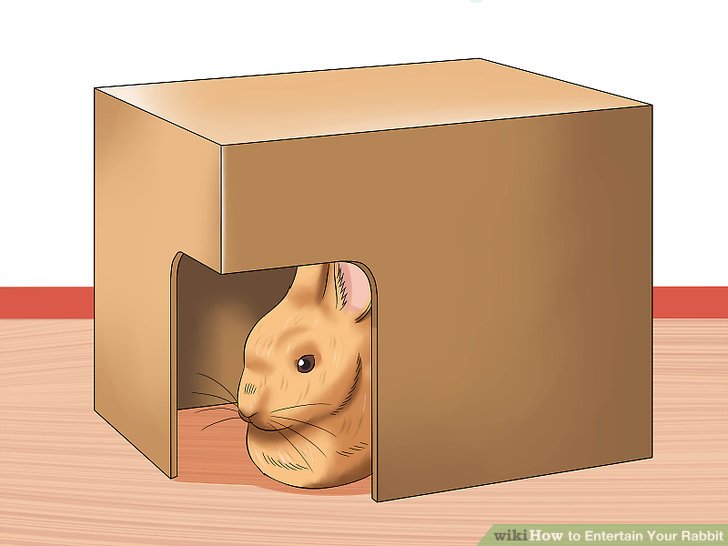
Rabbits, like all animals, thrive on mental and physical stimulation. A lack of appropriate enrichment can lead to boredom, manifesting in undesirable behaviors. Understanding the signs of boredom and implementing proactive enrichment strategies are crucial for maintaining a happy and healthy rabbit companion.Boredom in rabbits is often signaled by subtle changes in behavior, rather than overt aggression. Recognizing these changes and adapting their environment can prevent escalation and maintain a positive relationship with your pet.
Signs of Boredom
Identifying the early warning signs of boredom is essential for prompt intervention. Rabbits display boredom through a variety of behaviors, some subtle and others more overt. Careful observation is key to recognizing these indicators.
- Destructive behavior, such as chewing on furniture or houseplants, can be a clear indication of boredom. This is often a result of a lack of appropriate chewing outlets within their environment.
- A decrease in activity levels, such as less exploration or play, signals a possible lack of engaging stimuli.
- Repetitive movements, such as pacing or circling, might indicate a lack of mental or physical stimulation.
- Changes in eating habits, including reduced appetite or selective eating, may also be a sign of boredom or a lack of variety in their diet.
- Increased vocalization, such as more frequent or louder vocalizations than usual, could indicate anxiety or frustration stemming from boredom.
Addressing Boredom
A well-maintained environment plays a critical role in mitigating boredom. Actively engaging your rabbit and offering opportunities for exploration are key to their overall well-being.
- Adjusting the environment involves creating more stimulating spaces. Adding tunnels, ramps, or climbing structures can greatly increase their interactive time with their surroundings.
- Introducing new toys and objects, especially those that encourage chewing, can provide mental stimulation and reduce destructive behavior.
- Rotating toys regularly is important. Familiar toys can lose their appeal, leading to boredom. Changing the toys can re-ignite interest and maintain stimulation.
- Varying the routine can be a simple yet effective strategy. Changing the feeding schedule, playtime location, or even the type of food can maintain interest and engagement.
Importance of Observation and Proactive Enrichment
Regular observation is crucial for understanding your rabbit’s needs and responding to potential problems early. A proactive approach to enrichment, rather than reacting to problems, is key to maintaining a happy and healthy rabbit.
- Consistent monitoring allows for the early identification of behavioral changes, allowing you to address potential issues before they escalate.
- Proactive enrichment prevents boredom from becoming a major issue by ensuring your rabbit has constant access to stimulating experiences.
Warning Signs Requiring Environmental Changes
Recognizing potential warning signs is vital for preventing more serious behavioral issues.
- Excessive chewing, especially on inappropriate items, suggests a lack of suitable chewing alternatives.
- Increased aggression or fearfulness can be linked to prolonged periods of boredom or stress from lack of stimulation.
- Self-harming behaviors, like excessive grooming or biting, might indicate underlying anxieties caused by boredom.
- Withdrawal from normal activities, like play or social interaction, can signify frustration or stress due to lack of enrichment.
Addressing Behavioral Problems
Addressing behavioral problems related to boredom requires a multi-faceted approach. This involves understanding the root cause and implementing appropriate solutions.
- If destructive chewing persists, provide more appropriate chewing materials like wood blocks or chew toys.
- If activity levels decline, add new toys or increase environmental complexity to encourage exploration.
- If repetitive movements are observed, adjust the environment to offer more interesting options.
Preventing Common Problems
Ensuring your rabbit’s well-being extends beyond providing toys and activities. Proactive measures are crucial in preventing potential problems stemming from a lack of stimulation and engagement. Understanding the underlying causes of these issues and implementing preventative strategies will contribute to a happier, healthier, and more fulfilling life for your furry companion.Addressing potential problems early on is key to maintaining your rabbit’s physical and mental health.
A proactive approach, focusing on preventing boredom-related issues, will contribute to a more positive and fulfilling experience for both you and your rabbit.
Obesity
A lack of sufficient physical activity and appropriate food choices can lead to obesity in rabbits. This condition can place undue stress on their joints, organs, and overall health. Overfeeding, combined with insufficient exercise, is a significant contributor to weight gain. Recognizing the signs of obesity in rabbits, such as a noticeable increase in weight and difficulty moving, is essential for timely intervention.
Implementing a balanced diet and regular exercise regimen are crucial in preventing and managing obesity.
Behavioral Issues
Boredom can manifest in various undesirable behaviors, such as excessive chewing, digging, or inappropriate urination. These behaviors are often a way for rabbits to express their frustration and pent-up energy. Understanding the root cause of these behaviors is vital. Is the rabbit seeking attention, exploring its environment, or simply exhibiting destructive behavior as a result of lack of engagement?
Addressing the underlying causes through enrichment strategies, such as introducing new toys, stimulating activities, or providing opportunities for social interaction, can help alleviate these issues.
Stress
A lack of environmental stimulation and social interaction can contribute to stress in rabbits. Signs of stress may include changes in eating habits, decreased activity levels, or changes in vocalizations. Recognizing these subtle indicators of stress is important. A consistent and predictable environment, coupled with opportunities for social interaction and play, can mitigate stress. For example, a sudden change in routine or a lack of appropriate space can contribute to stress.
Health Concerns Related to Inactivity
A sedentary lifestyle can lead to various health problems in rabbits, including musculoskeletal issues, digestive problems, and weakened immune systems. Maintaining a healthy weight, providing sufficient exercise, and ensuring a balanced diet are essential preventative measures. Rabbits, being prey animals, need to have a certain amount of physical activity. Insufficient exercise can lead to stiffness and reduced mobility.
Monitoring for signs of pain or discomfort is essential.
Potential Issues and Responses
- Problem: Excessive chewing on furniture or household items.
- Cause: Lack of appropriate chewing materials or boredom.
- Prevention: Provide plenty of safe, chewable toys and branches.
- Correction: Remove tempting items and redirect the rabbit to appropriate chewing toys.
- Problem: Aggressive or territorial behavior.
- Cause: Lack of space, insufficient social interaction, or poor introductions between rabbits.
- Prevention: Ensure adequate space and proper introductions between rabbits.
- Correction: Separate rabbits if necessary, consult a veterinarian for potential underlying medical causes.
- Problem: Constant whining or vocalizations.
- Cause: Boredom, loneliness, or a need for attention.
- Prevention: Provide engaging toys, activities, and opportunities for social interaction.
- Correction: Assess the rabbit’s needs and adjust accordingly. Consult a veterinarian if concerns persist.
Wrap-Up
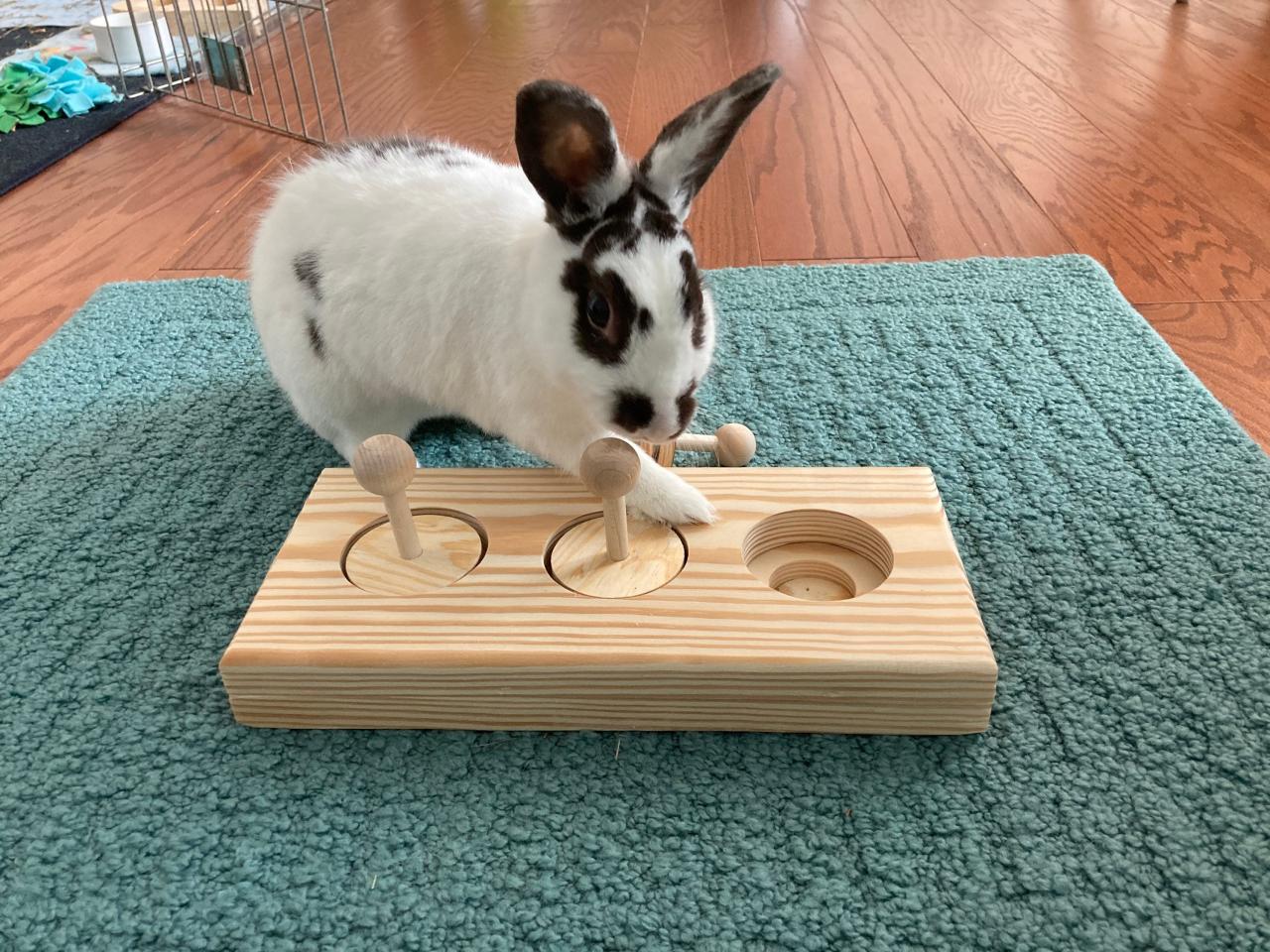
In conclusion, entertaining a rabbit is not just about providing fun; it’s a crucial aspect of responsible ownership. By understanding their natural behaviors, offering a stimulating environment, and engaging in interactive play, you can contribute significantly to their overall health and happiness. Remember that a happy rabbit is a healthy rabbit, and this guide provides the tools to create a thriving environment for your furry friend.