Creating a safe and enriching outdoor environment for your rabbits is crucial for their well-being. This comprehensive guide provides a step-by-step approach to building a secure and stimulating rabbit run, covering essential considerations from materials and design to safety precautions and maintenance.
From understanding fundamental enclosure needs to choosing the ideal location, this guide equips you with the knowledge to design a rabbit run that promotes happiness and health. This detailed approach considers all aspects, from predator protection to enriching activities, enabling you to craft a haven for your furry friends.
Introduction to Rabbit Runs
A safe outdoor rabbit run is a secure enclosure specifically designed for housing rabbits outdoors. It provides a protected space where rabbits can enjoy the fresh air and sunshine while being shielded from predators, extreme weather, and potential hazards. The enclosure must be robust enough to prevent escape and ensure the rabbit’s well-being.A properly constructed rabbit run is crucial for the rabbit’s physical and mental health.
Rabbits are social animals that thrive on exploration and interaction with their environment. A secure run allows them to exhibit natural behaviours, explore, and graze safely. It is essential to create a safe haven for the rabbits to experience a high quality of life.
Fundamental Considerations for a Rabbit Run
Designing a rabbit run involves careful consideration of several factors. Safety is paramount, requiring robust construction to prevent escape and protect rabbits from harm. Accessibility for cleaning and maintenance is equally important to ensure hygiene and rabbit well-being. The run’s size should be proportionate to the number of rabbits housed, ensuring ample space for movement and social interaction.
Essential Features for a Rabbit Run
Providing a well-designed rabbit run requires careful attention to several key elements. A secure enclosure is vital, preventing escape and protecting the rabbits from predators, harsh weather conditions, and potential hazards. The run should offer opportunities for rabbits to exhibit natural behaviours such as grazing, exploring, and interacting with their environment.
- Predator Protection: The run must effectively deter predators such as foxes, dogs, or birds of prey. This might involve high fences, wire mesh, or other appropriate deterrents, depending on the local wildlife. A secure run is critical to rabbit safety.
- Weather Protection: Rabbits are susceptible to extreme weather. The run should offer protection from rain, snow, and intense sunlight. A covered area or shaded sections within the run will significantly enhance the rabbits’ comfort and well-being.
- Space Requirements: Rabbits require ample space for movement and interaction. The run’s dimensions should be proportionate to the number of rabbits it will house. Providing enough space is crucial for their physical and mental health. A larger run will allow for more social interaction between rabbits, if applicable.
- Grazing Area: An area within the run should be designated for grazing. This provides opportunities for rabbits to exercise their natural behaviours and consume fresh vegetation. This can be a separate area or integrated into the main run, depending on the layout and available space.
Basic Layout of a Rabbit Run
The following table provides a basic layout for a rabbit run, outlining dimensions, materials, and essential features. This is a template and adjustments can be made to suit specific needs and space constraints.
| Dimensions | Materials | Features |
|---|---|---|
| Length: 10 feet, Width: 5 feet, Height: 4 feet (adjustable) | Heavy-duty wire mesh (1-inch gauge), Wood or Metal Posts (treated for longevity) | Predator-proof fence, Covered area, Grazing area (with raised edges), Food and water bowls, Shelter, Access ramp for cleaning. |
Enclosure Materials and Construction
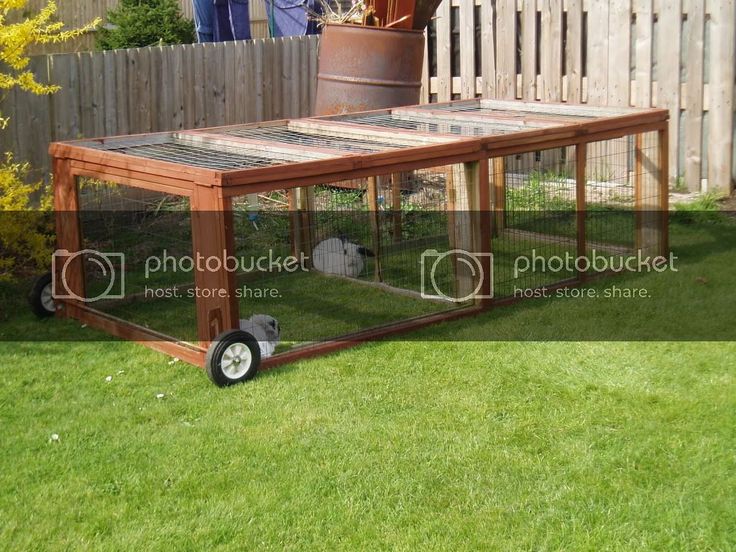
A rabbit run’s construction is crucial for ensuring a safe and comfortable environment for your furry friend. Choosing the right materials is paramount, impacting not only the rabbit’s well-being but also the longevity and aesthetics of the enclosure. Careful consideration of durability, safety, and budget is essential for a successful project.Proper construction ensures the run is secure, preventing escapes and protecting rabbits from predators.
The right materials and design contribute significantly to the overall experience for the rabbits.
Suitable Materials for Rabbit Runs
Various materials can be used for rabbit runs, each with its own set of advantages and disadvantages. Wood, wire mesh, and plastic are common choices, offering varying degrees of security, cost, and durability. Understanding these differences is essential for making an informed decision.
- Wood: Wood offers a natural aesthetic, and can be customized to fit specific needs. However, untreated wood can be susceptible to rot and insect infestations. Pressure-treated lumber is a more durable option, but it can be more expensive and may contain chemicals that are harmful to rabbits if ingested.
- Wire Mesh: Wire mesh is a popular choice for its affordability and ease of construction. It allows for good ventilation and visibility, but can be prone to rust and damage over time. The size of the wire mesh openings is crucial for preventing escapes and ensuring safety.
- Plastic: Plastic panels offer a waterproof and relatively maintenance-free option. However, they can be less aesthetically pleasing and might not provide the same level of security as wood or wire mesh. Consider the durability of the plastic material when making your selection. It is important to avoid plastics with harmful chemicals or additives.
Comparing Fencing Materials
The choice of material significantly influences the run’s safety and durability. A well-constructed enclosure will offer your rabbit a safe space to roam. Consider the pros and cons of each material before making a decision.
| Material | Pros | Cons |
|---|---|---|
| Wood (Pressure-Treated) | Durable, customizable, natural aesthetic | Higher initial cost, potential for chemical leaching if not treated properly, susceptible to damage from weather |
| Wire Mesh | Affordable, easy to construct, allows good ventilation | Prone to rust, damage over time, requires careful mesh size selection for safety |
| Plastic | Waterproof, low maintenance, relatively affordable | Less aesthetically pleasing, potential for cracking or damage over time, may not provide the same level of security |
Choosing the Best Materials
A rabbit run’s success hinges on the appropriate selection of materials. Balancing cost, durability, and safety is essential. Factors to consider include the rabbit’s size, the climate of the area, and the desired lifespan of the run.
A thorough cost analysis, including material and labor costs, is crucial before making a final decision. Consider the expected lifespan of the enclosure, and select materials that will withstand the elements and potential wear and tear.
A crucial aspect is the safety of the rabbits. Ensure the materials used do not pose any health risks to the rabbits. Thoroughly research the specific properties of the chosen material to ensure it is suitable for the intended purpose.
Essential Features of a Safe Run
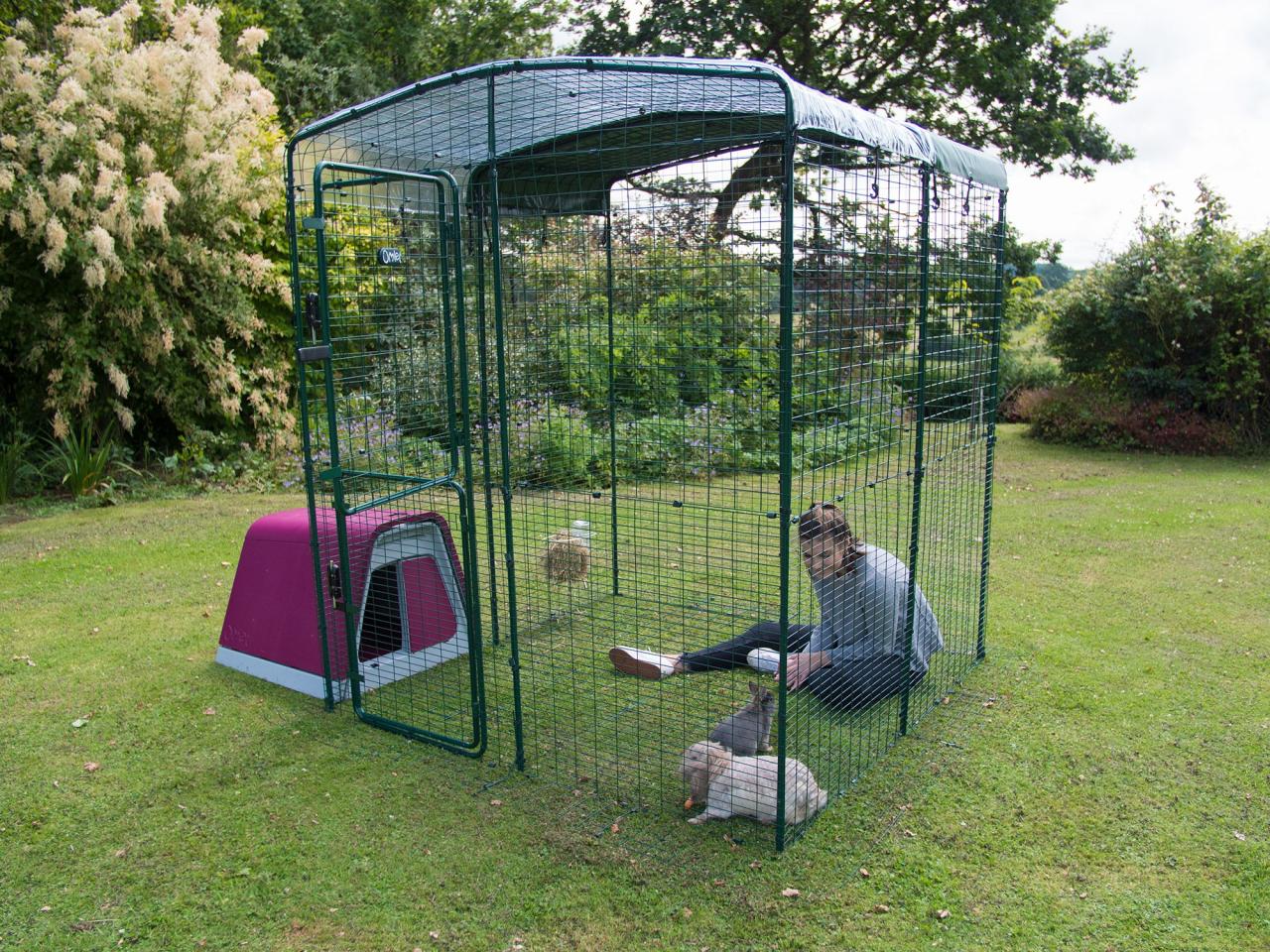
A safe outdoor rabbit run is more than just a cage; it’s a carefully crafted environment that ensures the well-being and happiness of your furry companion. Understanding the crucial elements of shelter, shade, space, and security is paramount for a rabbit’s physical and mental health. A well-designed run allows your rabbit to express natural behaviours, like digging, exploring, and interacting with their surroundings, fostering a positive and enriching experience.Providing a safe and stimulating environment for rabbits requires careful consideration of their specific needs.
These needs encompass essential features that guarantee their safety and comfort. These features, when thoughtfully implemented, contribute to a healthy and happy life for your rabbit.
Shelter and Shade
Providing shelter and access to shade is crucial for protecting rabbits from extreme weather conditions. Rabbits are susceptible to heatstroke and hypothermia, making temperature regulation a critical aspect of their enclosure. A well-designed run should incorporate a secure shelter, ideally made from weatherproof materials, offering protection from rain, sun, and wind. A covered area, even a simple lean-to structure, can provide significant respite from harsh weather elements.
Shade can also be achieved through strategically placed foliage or awnings.
Space and Movement
Rabbits are naturally active animals requiring ample space to move freely. A cramped environment can lead to stress, anxiety, and behavioral problems. A minimum space requirement for rabbits is crucial. A general guideline is at least 10 square feet per rabbit, and larger areas are always better. This space should allow for ample room to hop, dig, and explore.
Incorporating different levels and textures within the enclosure can enhance their natural behaviors. Consider providing tunnels, elevated platforms, or a sandbox area for digging and playing. These features are vital for their mental and physical well-being.
Secure Fencing
Secure fencing is paramount to prevent escapes and protect rabbits from predators. Fencing should be high enough to deter climbing and digging predators, and its material should be durable and resistant to chewing. Mesh wire, for example, provides visibility while preventing escapes. Ground level fencing should be buried several inches underground to discourage digging. A solid base around the perimeter will deter digging, and secure fencing is vital to the rabbit’s safety.
Consider installing additional fencing around any vulnerable areas of the run.
Escape-Proof Design
To ensure the run is escape-proof, several methods should be employed. Inspect the run regularly for any potential weak points in the fencing or gaps in the structure. Repair or reinforce any damaged areas immediately. All openings or gaps should be closed, including gaps under gates, around doors, and along the fence line. Consider using strong wire mesh or solid panels to create a complete barrier.
A securely latched door or gate is essential for preventing unauthorized access to the run. Checking for and addressing any weak spots is vital to maintaining a safe environment.
Essential Features for a Comfortable and Stimulating Environment
A stimulating environment is crucial for a rabbit’s overall well-being. This includes the following features:
- Digging opportunities: Providing a designated digging area, such as a sandbox or patch of loose soil, allows rabbits to express their natural instinct to burrow. This is important for both their physical and mental well-being.
- Climbing structures: Rabbits enjoy climbing and exploring different levels. Elevated platforms, ramps, or small trees will encourage exercise and provide mental stimulation.
- Hidden spaces: Rabbits need places to hide and feel secure. Huts, tunnels, and enclosed areas will offer them a sense of safety and security.
- Toys: Providing safe and engaging toys, such as cardboard tubes, wooden branches, or chew toys, helps to stimulate mental activity and prevent boredom.
- Access to fresh water: A constant supply of fresh, clean water is essential for rabbits’ health and well-being. A water bottle or a shallow dish should be readily available.
- Appropriate bedding: Provide suitable bedding, such as hay or straw, for rabbits to nest and rest comfortably. This bedding is essential for their comfort and well-being.
Safety Considerations for Predators and Weather
Ensuring the safety of your rabbits requires careful consideration of potential threats from predators and the elements. A well-designed outdoor run needs to be a secure haven, offering protection from both natural and human-introduced dangers. This section will Artikel critical measures to safeguard your rabbits from predators and harsh weather conditions.Effective predator control and weatherproofing are essential for maintaining the well-being and longevity of your rabbits.
A thoughtfully constructed run, incorporating protective measures, will minimize risks associated with predators and extreme weather, allowing your rabbits to thrive in their outdoor environment.
Predator Protection Strategies
Protecting rabbits from predators necessitates a multi-faceted approach. Effective deterrents and robust enclosure design are key components of this strategy. A secure run is paramount, ensuring rabbits have a safe space to live and play.
- Fencing Height and Material: A crucial element in predator prevention is the run’s fencing. Elevated fencing, ideally exceeding 2 feet in height, will prevent access by most common predators, such as foxes and dogs. Choose materials that are robust, such as wire mesh or sturdy wooden panels, to withstand attempted breaches. Consider adding a buried section of wire mesh or metal sheet around the perimeter to deter digging predators.
- Predator-Specific Deterrents: Beyond fencing, consider specific deterrents tailored to common predators in your area. Motion-activated sprinklers or sonic devices can deter some predators. Consider placing netting or hardware cloth over any openings or vulnerable areas. Regular patrols and observation can identify potential issues promptly.
- Exclusion Zones: Identifying and eliminating potential entry points is essential. Ensure the run is completely enclosed, with no gaps or openings large enough for predators to enter. This includes checking the ground around the run for potential digging tunnels or holes.
Weatherproofing Considerations
Protecting rabbits from extreme weather conditions is just as crucial as preventing predator attacks. A rabbit’s health and comfort directly relate to their environment.
- Shelter from Elements: A crucial aspect of weatherproofing is providing adequate shelter from rain, sun, and wind. This can be achieved by incorporating a covered area within the run, such as a lean-to or a small shed. Ensure the shelter is adequately insulated to protect against both cold and heat.
- Insulation and Ventilation: Incorporating insulated materials like straw or hay bales, especially during colder months, will effectively insulate the run. However, proper ventilation is also necessary to prevent moisture buildup. Ensure that the shelter or run has adequate ventilation to prevent overheating and mold or mildew.
- Protection from Sun and Rain: A weatherproof run will safeguard rabbits from harsh sunlight and heavy rain. A covered area or an overhang will shield them from the direct sun’s rays. Ensure the run’s covering is watertight to prevent water from accumulating within the run.
Predator Deterrent Effectiveness
The effectiveness of predator deterrents can vary based on the specific predator and the environment. It’s essential to consider the local wildlife and adjust the deterrents accordingly.
| Predator Deterrent | Effectiveness | Considerations |
|---|---|---|
| Motion-activated sprinklers | Moderate to High | May be effective against smaller predators; may deter larger predators if consistently triggered. |
| Sonic devices | Moderate | Effectiveness varies based on the predator; some predators may become accustomed to the sound. |
| Elevated fencing (2ft+) | High | Proven method for deterring most common predators; height is crucial. |
| Netting/Hardware Cloth | High | Effective for preventing entry through openings and covering vulnerable areas. |
| Ground Barriers | High | Prevents digging predators from entering; can be combined with fencing. |
Practical Design and Construction Steps
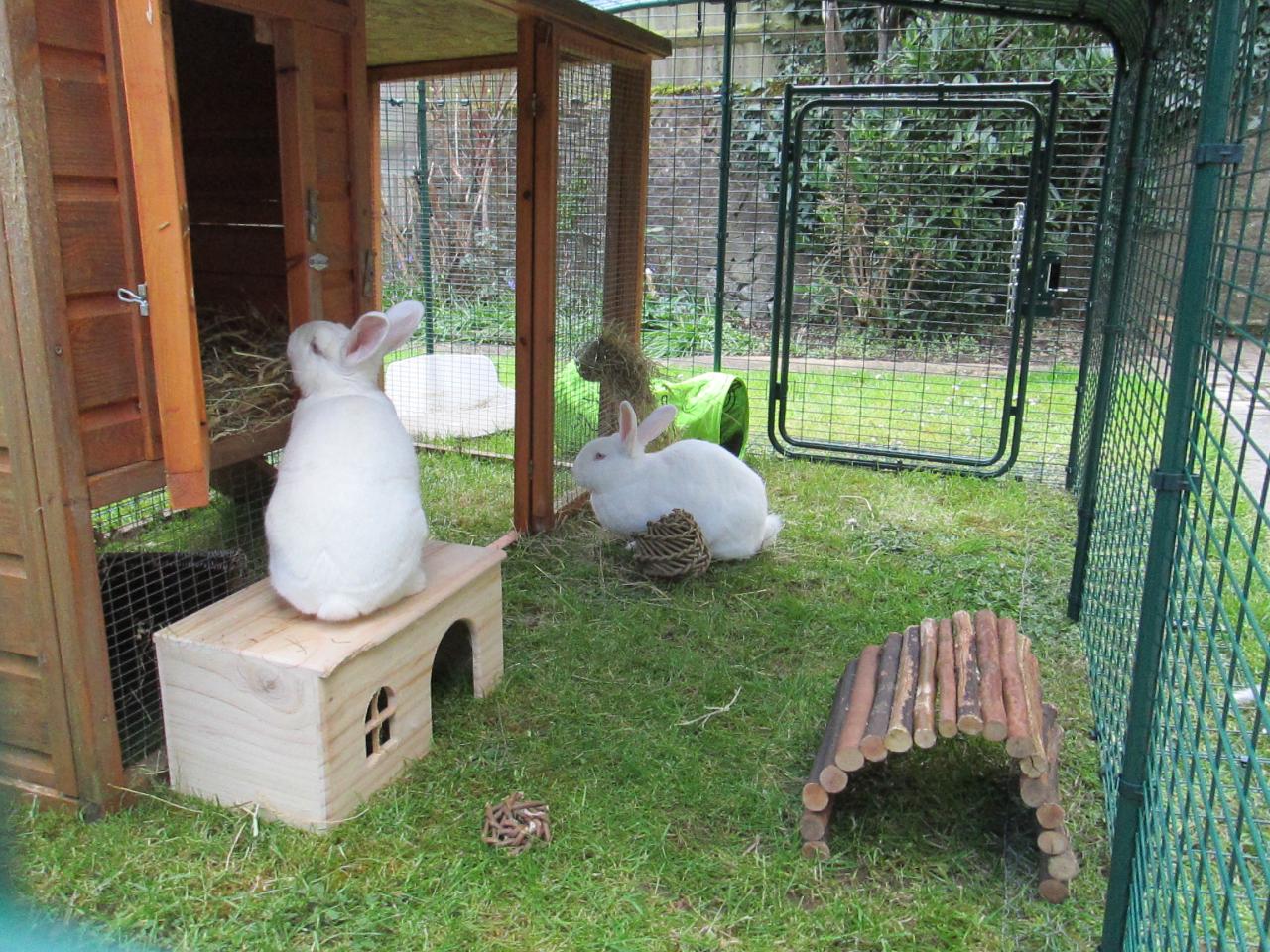
Creating a secure and comfortable rabbit run requires careful planning and execution. This section details the practical steps involved in constructing a rabbit run, from laying the foundation to ensuring a safe and stimulating environment for your furry friends. Prioritize safety and well-being throughout the process.A well-designed rabbit run provides a safe and enriching space for rabbits to explore, play, and rest.
Proper construction techniques are essential for preventing escapes, deterring predators, and withstanding the elements. This section provides a comprehensive guide to building a secure and comfortable habitat.
Securing the Run to the Ground
A crucial aspect of constructing a rabbit run is ensuring its stability and preventing escapes. A sturdy base prevents the run from shifting or tipping over, which is critical for rabbit safety. Proper anchoring ensures the run remains firmly in place, even during inclement weather.
- Leveling the Ground: Ensure the area designated for the run is level to prevent uneven settling and subsequent run instability. Use a spirit level or a straightedge to check for any significant slopes.
- Digging a Foundation Trench: Dig a shallow trench around the perimeter of the run’s base. This trench will provide a secure anchor point for the run’s base. The depth should be sufficient to bury the base materials.
- Using Gravel or Sand: Fill the trench with gravel or sand. This layer helps to drain excess water, preventing moisture build-up and potential rot. Compacting the gravel or sand ensures a firm base for the run.
- Reinforcing the Base: Lay down a layer of plywood or similar sturdy material. This provides a stable surface for the run’s walls to rest on, minimizing the risk of sagging or uneven support.
- Securing with Stakes and Concrete: Secure the base with sturdy stakes or concrete. This anchoring process is vital for preventing the run from shifting or moving during use. This will also prevent ground movement from causing damage.
Reinforcing the Enclosure
A well-constructed rabbit run needs to withstand wear and tear from daily use and weather conditions. Reinforcing the enclosure with additional support structures and materials will significantly extend the life of the run. Consider factors such as the rabbits’ size and activity level when choosing reinforcement methods.
- Using Strong Materials: Select materials like pressure-treated wood, metal, or wire mesh with adequate gauge strength to prevent damage. Consider the weight of the materials and the intended lifespan of the enclosure.
- Adding Support Beams: Reinforce the run’s structure by adding support beams, particularly if the enclosure is large or spans a considerable distance. Ensure the beams are securely anchored to the ground or to the existing structure.
- Reinforcing Corners: Use additional bracing or corner supports to prevent bending or warping of the structure, which is crucial for long-term durability. This is especially important for runs with higher rabbit activity.
- Welding or Joining Techniques: If using metal, ensure all connections are properly welded or joined. This step is crucial to prevent gaps or weak points in the enclosure. Use appropriate welding techniques for the type of metal being used.
Creating a Comfortable Environment
Providing a comfortable environment within the run is vital for the rabbits’ well-being. A safe and stimulating space is essential for their physical and mental health. Include features that encourage natural behaviours.
- Providing Shelter: Incorporate a shelter area, like a small hut or a covered area, to provide a safe space for the rabbits to rest and hide from the elements. This promotes a sense of security.
- Adding Enrichment: Include toys, tunnels, or climbing structures to stimulate the rabbits’ natural behaviours and encourage exploration. This prevents boredom and promotes mental well-being.
- Ensuring Adequate Space: Design the run with sufficient space for the rabbits to move around freely. Provide a variety of levels or areas for the rabbits to explore and rest. Larger runs with varied levels enhance the space’s use and benefit for the rabbits.
Step-by-Step Construction Table
This table Artikels a structured approach to building different sections of a rabbit run.
| Section | Step | Description |
|---|---|---|
| Base | 1 | Level the ground and dig a trench. |
| 2 | Fill trench with gravel/sand and compact. | |
| 3 | Lay down plywood or other base material. | |
| 4 | Secure base with stakes or concrete. | |
| Walls | 5 | Construct walls using chosen materials (wood, wire mesh). |
| 6 | Secure walls to base and reinforce corners. | |
| Shelter | 7 | Build and install a shelter. |
| Enrichment | 8 | Add toys, tunnels, and climbing structures. |
Enrichment and Access
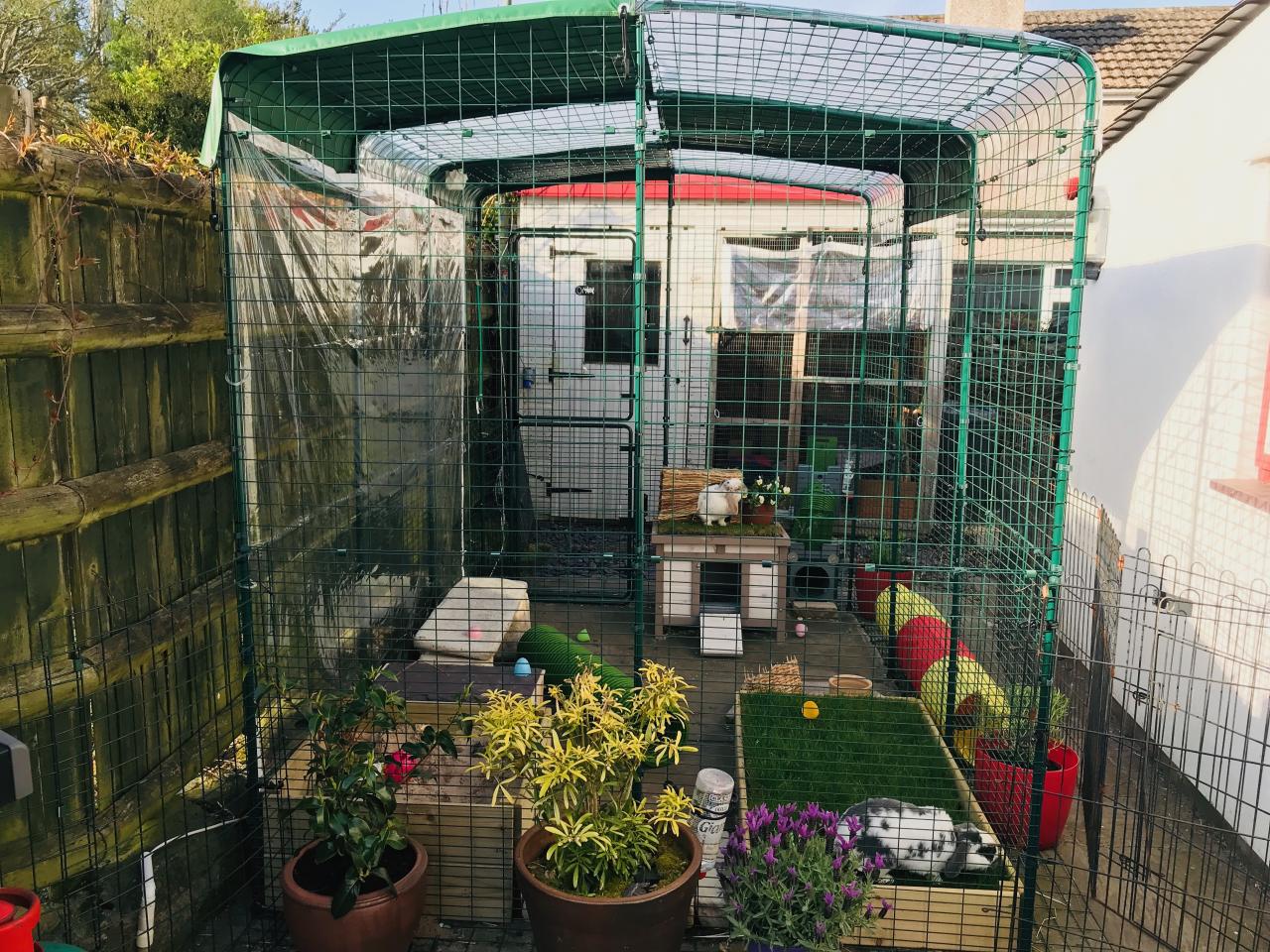
Providing ample opportunities for enrichment and access to essential resources is crucial for the well-being of rabbits within their outdoor run. A stimulating environment, combined with readily available food and water, contributes significantly to their physical and mental health. This section details ways to design a run that meets these needs.A well-designed outdoor run should cater to the natural behaviors and needs of rabbits, fostering a healthy and happy environment.
This includes offering opportunities for exploration, play, and rest, while ensuring their safety and security. Providing appropriate enrichment and access is paramount to their overall welfare.
Enrichment Activities
Enrichment activities are vital for preventing boredom and promoting natural behaviors. A stimulating environment can significantly enhance a rabbit’s quality of life. Tunnels, toys, and climbing structures can satisfy a rabbit’s natural curiosity and instinct to explore and play.
- Tunnels: Providing tunnels of various sizes and materials allows rabbits to explore, hide, and feel secure. These can be made of cardboard, PVC pipe, or even repurposed sections of drainpipes. The variety of tunnels offered will greatly enhance their interaction with their environment.
- Toys: Hard, safe toys can be placed within the run for rabbits to chew on and manipulate. These can include wooden blocks, cardboard tubes, or safe, rabbit-friendly chew toys. The texture and materials of the toys will affect the way rabbits interact with them.
- Climbing Structures: A climbing structure, such as a small wooden ramp or a stack of sturdy boxes, can provide a sense of accomplishment and encourage natural behaviors like jumping and exploring different levels. It also provides rabbits with a varied environment.
Fresh Water and Food
Consistent access to fresh water and food is paramount to a rabbit’s health. The availability of these resources directly impacts their overall well-being. Ensure the water and food are readily available and in appropriate quantities.
- Water: A reliable water source, such as a sipper bottle or a ceramic bowl, should be placed in multiple locations throughout the run. The placement and type of water dispenser will depend on the size and layout of the run.
- Food: Food should be available ad libitum, meaning consistently throughout the day. High-quality rabbit pellets and fresh vegetables should be provided, as well as occasional treats. The quantity of food will depend on the size and activity level of the rabbits.
Safe Watering System
A thoughtfully designed watering system is crucial to maintaining a clean and accessible water supply. This includes the placement of the water source and its resistance to tipping or contamination.
- Placement: Water sources should be placed in areas that are easily accessible to rabbits but not prone to being knocked over or soiled. Elevated water bottles or bowls can help prevent spillage and contamination.
- Materials: Use materials that are resistant to the elements and are easily cleaned. Stainless steel or ceramic bowls are good choices.
- Anti-Spill Design: Consider incorporating a design that prevents water from spilling or leaking, such as a self-contained sipper bottle with a wide base, or a bowl with a raised rim.
Rest and Hiding Areas
Rest and hiding areas are essential for rabbits to feel secure and comfortable. They provide a place for rabbits to escape from the elements or any perceived threat.
- Shelter: Provide enclosed shelters, such as a hutch or a covered area within the run, to allow rabbits to retreat and feel safe. These shelters can be constructed from sturdy materials like wood or wire mesh.
- Bedding: Provide soft bedding material, such as hay or shredded paper, for rabbits to rest on within their shelter or throughout the run. This will provide warmth and comfort for them.
- Designated Spaces: Consider creating specific areas for rabbits to rest and hide, using dense vegetation, or a raised platform for enhanced security and comfort.
Incorporating Enrichment Items
Incorporating enrichment items into the run design is key to keeping rabbits engaged and stimulated. Consider how these items can be strategically placed to encourage interaction and exploration.
- Spatial Arrangement: Strategically place tunnels, toys, and climbing structures to encourage movement and exploration. This might include creating a winding path or a series of interconnected spaces.
- Verticality: Incorporate vertical space through raised platforms or climbing structures. This allows for varied perspectives and encourages natural behaviours like foraging.
- Variety: Vary the types and sizes of enrichment items to maintain interest. This will provide a more stimulating and dynamic environment for the rabbits.
Maintenance and Cleaning
Maintaining a safe and healthy environment for your rabbits requires consistent cleaning and upkeep of their outdoor run. Regular maintenance not only promotes their well-being but also prevents the build-up of potential hazards and disease vectors. Proper cleaning and inspection are crucial for ensuring the run remains a secure and enjoyable space for your furry friends.Thorough cleaning and regular inspections are essential for preventing disease transmission, maintaining the run’s structural integrity, and ensuring your rabbits’ safety and comfort.
This proactive approach helps maintain a healthy environment and allows for prompt identification and resolution of any issues that arise.
Cleaning Methods
Regular cleaning prevents the accumulation of waste, which can harbor bacteria and parasites. This is crucial for maintaining the health of your rabbits. A comprehensive cleaning schedule should include removing soiled bedding, thoroughly scrubbing surfaces, and disinfecting the run. This will help reduce the risk of disease transmission and ensure a hygienic environment for your rabbits.
- Soiled Bedding Removal: Remove all soiled bedding daily. Replace with fresh, clean bedding. This will minimize the accumulation of waste and prevent unpleasant odors.
- Surface Scrubbing: Use a stiff-bristled brush or a scrub brush to remove any accumulated dirt, debris, or droppings from all surfaces of the run. Thorough scrubbing will help eliminate bacteria and prevent disease.
- Disinfection: After scrubbing, use a suitable disinfectant solution, following the product instructions. This will kill bacteria and other pathogens that might be present on the surfaces of the run. Ensure the disinfectant is safe for rabbits.
Inspection Schedule
Regular inspections are vital for identifying and addressing potential problems promptly. Early detection of damage or hazards allows for timely repairs, preventing accidents and maintaining a secure environment for your rabbits.
- Daily Inspections: Conduct daily checks for any signs of damage, such as broken fencing, gaps, or weak areas. Inspect for any hazards that could endanger your rabbits. This includes looking for loose or sharp objects that might cause injury.
- Weekly Inspections: Perform a more thorough weekly inspection, checking for wear and tear on the run’s structure. Inspect for any signs of predator activity, such as tracks or droppings. Inspect the run’s foundation for stability and identify any signs of deterioration.
- Monthly Inspections: Perform a detailed monthly inspection of the entire run, paying close attention to the quality of materials and the overall structural soundness. Inspect for any signs of mold, mildew, or excessive moisture build-up, and assess the overall hygiene of the run.
Maintaining Safety and Hygiene
Maintaining a clean and safe environment is paramount for rabbit health. This includes regular cleaning, predator control, and ensuring the run is protected from the elements. Safety and hygiene are intrinsically linked.
- Predator Control: Regularly check for signs of predator activity, such as tracks, droppings, or damage to the run. Take appropriate measures to deter or eliminate predators, such as installing additional fencing or using deterrents. This includes using motion-activated sprinklers or noise-makers to deter unwanted visitors.
- Weather Protection: Ensure the run provides adequate protection from harsh weather conditions. Check for leaks or drafts and ensure the run is adequately sheltered from rain, snow, or extreme temperatures. If necessary, consider adding additional insulation or waterproof coverings.
- Waste Management: Establish a regular waste disposal routine. Proper waste disposal helps to maintain the hygiene of the run and prevent the spread of diseases. Regularly remove and dispose of any accumulated waste to avoid creating a breeding ground for pests.
Routine Maintenance Schedule
A well-structured schedule helps ensure the run remains safe and healthy. Consistency in maintenance will create a comfortable and hygienic environment for your rabbits.
| Task | Frequency | Description |
|---|---|---|
| Daily Bedding Change | Daily | Remove soiled bedding and replace with fresh. |
| Surface Scrubbing | Weekly | Thoroughly scrub all surfaces of the run. |
| Disinfection | Weekly | Disinfect all surfaces using a suitable solution. |
| Predator Control Measures | Daily/Weekly | Inspect and take action against any predator activity. |
| Weatherproofing Checks | Weekly | Ensure run is protected from the elements. |
Choosing the Right Location
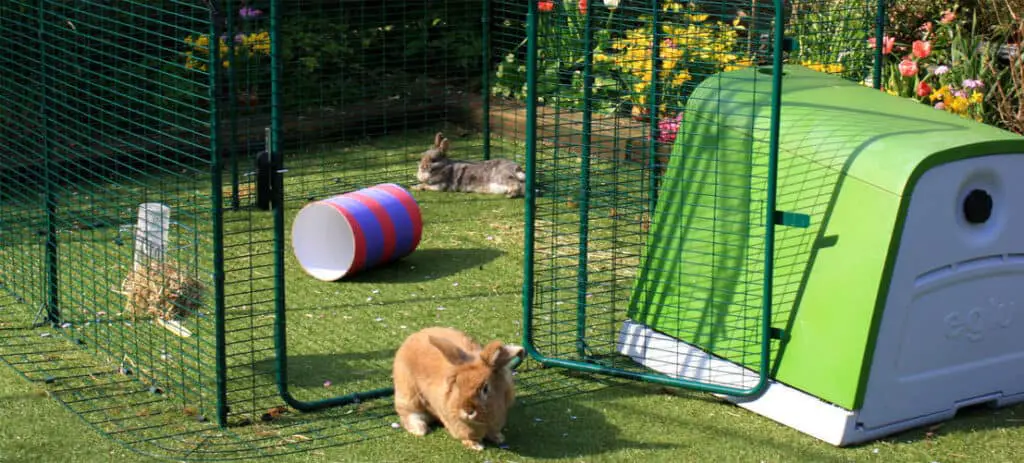
A carefully selected location for a rabbit run is paramount to ensuring the well-being and safety of your furry companions. A suitable spot considers not only the immediate needs of the rabbits but also their long-term comfort and security. Proper location planning minimizes potential hazards and maximizes the enjoyment rabbits derive from their outdoor enclosure.A well-chosen location provides rabbits with a safe and stimulating environment that promotes natural behaviours and enhances their overall quality of life.
This includes access to appropriate sunlight, shelter from harsh weather, and protection from predators. By addressing these factors, you create an enriching outdoor experience that contributes significantly to the rabbits’ physical and mental health.
Factors to Consider
Careful consideration of various factors is essential when choosing the perfect location for a rabbit run. These factors impact the rabbits’ comfort, safety, and overall well-being. A location’s suitability is critical for ensuring a safe and healthy environment for your rabbits.
- Sunlight Exposure: Rabbits, like most animals, require sunlight for vitamin D production. Direct sunlight for a few hours daily is beneficial, but overexposure can lead to overheating. A location with dappled shade or partial sun exposure is ideal, offering a balance between warmth and protection.
- Privacy and Security: A secluded area, away from high-traffic areas and potential hazards, is crucial. This provides the rabbits with a sense of security and peace, allowing them to explore and rest without constant disturbance. Consider the proximity to other animals or human activities when selecting the site.
- Predators: The location must be free from potential predators, such as foxes, dogs, or birds of prey. Physical barriers, such as fences, are essential to deter these threats and maintain the rabbits’ safety. Thorough assessment of the surrounding environment for potential predator activity is vital.
- Accessibility and Maintenance: A location easily accessible for maintenance, cleaning, and providing fresh food and water is necessary. This reduces the workload associated with rabbit care and ensures the run remains a clean and hygienic space. Easy access to water sources is also a critical factor to maintain the rabbits’ health.
- Ground Conditions: A level, firm, and well-drained area is vital to prevent injuries and ensure the rabbits’ comfort. Avoid areas prone to flooding or excessive mud. The terrain should be suitable for rabbits to comfortably move around.
- Weather Considerations: The area should be protected from harsh weather conditions like heavy rain, strong winds, and extreme temperatures. This includes protection from elements such as snow, hail, or intense sun.
Ideal Conditions for Rabbit Thriving
Creating an environment that mirrors a rabbit’s natural habitat is essential for their well-being. The chosen location should provide the conditions necessary for a healthy and happy life.
- Adequate Space: A spacious enclosure allows for natural behaviours, such as exploring, grazing, and resting. The size of the enclosure should accommodate the number of rabbits and allow them to move freely without feeling cramped.
- Escape-Proof Fencing: The enclosure should be constructed with secure fencing to prevent escapes and protect the rabbits from predators. The height of the fencing should deter climbing or digging attempts by potential predators.
- Shelter from Elements: Rabbits need shelter from harsh weather conditions, including rain, wind, and extreme temperatures. Providing appropriate shelters, such as elevated hutch areas, protects them from the elements.
- Enrichment: The location should provide opportunities for enrichment, such as natural materials, tunnels, or toys, to promote mental stimulation and natural behaviours.
Location Considerations for a Safe Rabbit Run
A comprehensive evaluation of potential locations is essential for creating a safe and thriving environment for rabbits.
- Check for potential hazards such as poisonous plants, broken glass, or sharp objects.
- Evaluate the surrounding area for predator activity, including tracks, droppings, or the presence of other animals.
- Assess the level of disturbance from human activity or other animals in the chosen area.
- Ensure that the chosen location provides ample access to fresh water.
- Consider the terrain’s suitability for the rabbits’ comfort and safety.
Final Thoughts
In conclusion, building a safe outdoor rabbit run requires careful planning, thoughtful design, and meticulous attention to detail. By considering the factors Artikeld in this guide, from materials and construction to enrichment and maintenance, you can create a space that promotes your rabbits’ health, happiness, and overall well-being. Remember that a well-designed run is a vital investment in your rabbit’s quality of life.