Rabbits, with their endearing nature and delicate digestive systems, require a carefully curated diet. While hay and vegetables form the cornerstone of their nutrition, fruits can be a delightful and nutritious addition. This guide delves into the nuances of incorporating fruits into your rabbit’s diet, offering insights into safe choices, preparation methods, and crucial considerations for maintaining their well-being.
Understanding the proper way to introduce fruits to your rabbit’s diet is paramount. This involves not only selecting the right fruits but also controlling portions and frequencies to prevent potential health issues. By following these guidelines, you can provide your rabbit with a balanced and enriching diet that promotes their overall health and happiness.
Introduction to Feeding Rabbits Fruits
Fruits, while not a primary component of a rabbit’s diet, can offer valuable nutritional benefits when provided in moderation. A balanced diet for rabbits is crucial for their overall health and well-being, and fruits can be a tasty addition, offering vitamins and minerals. However, it is essential to understand that rabbits are herbivores, and their digestive systems are specifically adapted to consume a diet primarily consisting of hay, fresh vegetables, and water.Excessive fruit consumption can lead to digestive issues, weight gain, and other health problems.
Therefore, it is vital to understand the appropriate portion sizes and types of fruits suitable for rabbits. Proper moderation is key to ensuring that fruits contribute positively to their diet without compromising their health.
The Role of Fruits in a Rabbit’s Diet
Fruits offer a source of vitamins, minerals, and antioxidants, which can contribute to a rabbit’s overall health. However, they should be considered a supplementary component, not a primary one. Their role is to provide additional nutrients, not to replace essential components like hay and leafy greens.
Moderation and Portion Sizes
It is crucial to offer fruits in moderation. Overfeeding can lead to digestive upset, weight gain, and potential health problems. A small, controlled amount of a variety of fruits is more beneficial than a large quantity of just one type. A good rule of thumb is to offer a small piece (approximately 1-2 teaspoons) of fruit per 5 pounds of rabbit body weight daily.
This will ensure that the fruits are contributing to a balanced diet without overfeeding.
Potential Benefits of Including Fruits in a Rabbit’s Diet
Fruits can provide various vitamins and minerals that contribute to a rabbit’s well-being. These include vitamins A, C, and various B vitamins, along with minerals such as potassium and calcium. However, it’s important to remember that these are not the primary sources of these nutrients. The primary sources are hay, vegetables, and leafy greens. Providing a small amount of a variety of fruits can help supplement these nutrients.
Comparison of Fruit Nutritional Values
| Fruit | Vitamin C (mg) | Vitamin A (mcg) | Potassium (mg) | Other Notable Nutrients |
|---|---|---|---|---|
| Apple (1 medium) | 5-10 | 200-300 | 150-200 | Fiber, antioxidants |
| Banana (1 small) | 10-20 | 500-700 | 400-500 | Potassium, fiber |
| Blueberry (1/4 cup) | 15-25 | 200-400 | 20-40 | Antioxidants, fiber |
| Carrot (1 medium) | 0-10 | 100-200 | 100-150 | Beta-carotene, fiber |
This table provides a basic overview of some common fruits and their approximate nutritional values. It is crucial to remember that these values can vary based on the specific fruit type, size, and growing conditions. Always consult with a veterinarian for specific dietary recommendations for your rabbit.
Safe Fruits for Rabbits
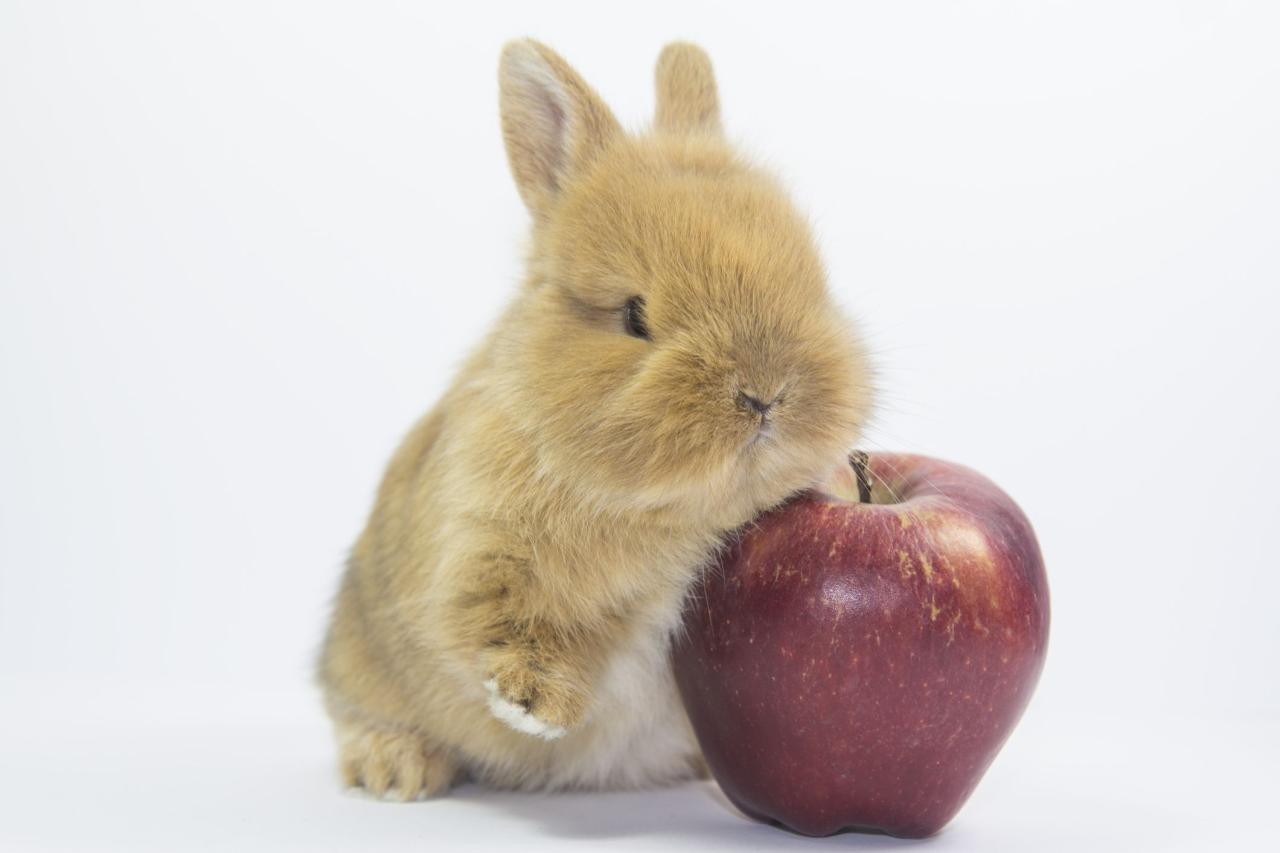
A rabbit’s diet should primarily consist of hay and pellets. Fruits, while offering some nutritional benefits, should be given in moderation as treats. Understanding which fruits are safe and how to prepare them is crucial for ensuring your rabbit’s health and well-being. This section will detail safe fruits for rabbits, highlighting their nutritional value and appropriate portion sizes.Safe fruits offer a variety of vitamins and minerals that can complement a rabbit’s balanced diet.
However, it’s important to remember that some fruits are not suitable for rabbits and can even be harmful. Careful selection and preparation are key to maximizing the benefits while minimizing potential risks.
Safe Fruits and Their Benefits
A variety of fruits can be a healthy addition to a rabbit’s diet, providing vitamins and antioxidants. However, it is crucial to remember that fruits should be given in moderation, as too much sugar can be detrimental. The following fruits are generally considered safe for rabbits in small quantities.
- Apples (without seeds): Apples provide vitamin C and fiber. The seeds contain cyanide, so they must be removed. Sliced apples, in small portions, can be a delicious treat. Small, crisp slices are best, avoiding large chunks that may pose a choking hazard.
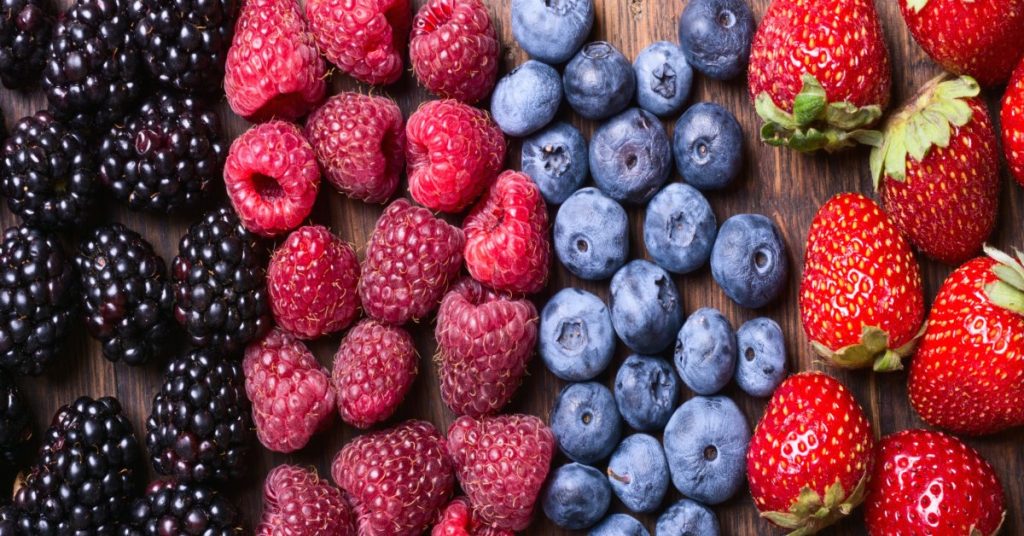
- Berries (strawberries, blueberries, raspberries): Berries are rich in antioxidants and vitamins. The small size of berries makes them ideal treats. Offer them in limited quantities due to their sugar content. They should be washed thoroughly to remove any dirt or pesticides.
- Cantaloupe: Cantaloupe is a good source of vitamin A and hydration. Provide small, bite-sized pieces. Like other fruits, moderation is key.
- Grapes (seedless): Grapes, when seedless, are a source of vitamins and antioxidants. Offer in small quantities, as they are a concentrated source of sugar. Ensure the grapes are washed thoroughly before feeding.
- Mango (without skin and pit): Mango provides vitamin C and antioxidants. Removing the skin and pit is crucial; these parts are not suitable for rabbits. Serve in small, manageable pieces to avoid choking hazards.
- Peaches (without pit and skin): Peaches are a source of vitamin A and potassium. The pit and skin are harmful, so they must be removed. Offer small slices, avoiding large pieces.
- Watermelon (without seeds): Watermelon provides hydration and some vitamins. The seeds are not digestible, so they should be removed. Cut into small, manageable pieces to prevent choking.
Nutritional Comparison of Safe Fruits
The nutritional content of fruits varies, impacting their suitability for rabbits. A balanced diet is key. The table below offers a concise overview of the nutritional profile of several safe fruits.
| Fruit | Key Vitamins/Minerals | Approximate Portion Size (per rabbit) |
|---|---|---|
| Apples | Vitamin C, Fiber | 1-2 small slices |
| Berries | Antioxidants, Vitamins | 1-2 tablespoons |
| Cantaloupe | Vitamin A, Hydration | 1-2 small cubes |
| Grapes | Vitamins, Antioxidants | 1-2 small grapes |
| Mango | Vitamin C, Antioxidants | 1-2 small chunks |
| Peaches | Vitamin A, Potassium | 1-2 small slices |
| Watermelon | Hydration, Vitamins | 1-2 small chunks |
Fruits to Avoid
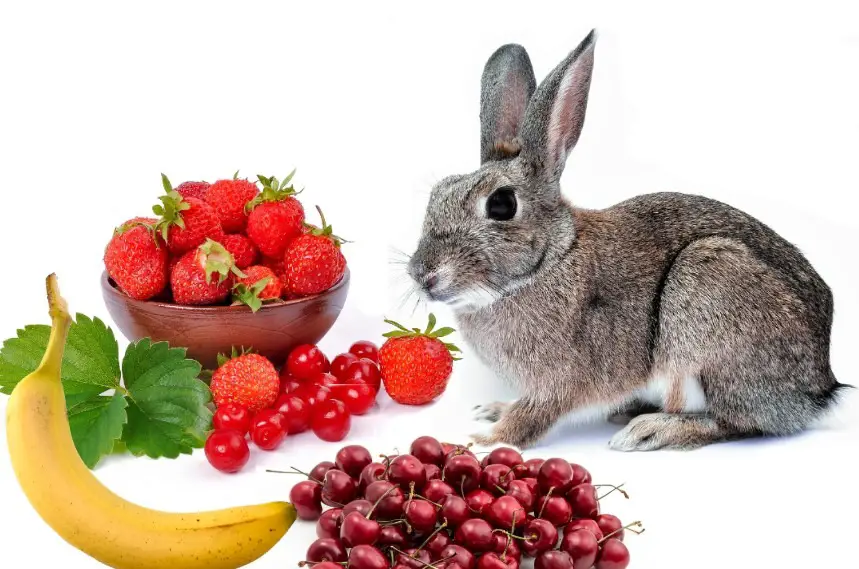
Providing rabbits with a healthy diet is crucial for their well-being. While some fruits can be beneficial, others pose significant risks. Understanding which fruits are harmful is essential to prevent potential health issues and ensure your rabbit enjoys a long, happy life.Careful selection of fruits is paramount. Rabbits, like all animals, have specific dietary needs that must be met.
Not all fruits are created equal for these furry companions. Some fruits contain substances that can cause digestive upset, toxicity, or other health problems in rabbits.
Harmful Fruits and Their Effects
A comprehensive understanding of the dangers associated with certain fruits is vital for rabbit owners. Knowledge of the reasons behind the avoidance of specific fruits allows for proactive measures to protect rabbit health.
List of Fruits to Avoid
Fruits pose a significant risk to rabbits due to their high sugar content and potential toxicity. Many fruits contain substances that can disrupt their digestive systems or cause other health issues.
- Avocados: Avocados contain persin, a toxin that can be harmful to rabbits. Symptoms of avocado poisoning can include vomiting, diarrhea, and lethargy. This fruit should be strictly avoided.
- Grapes and Raisins: Grapes and raisins are known to cause kidney damage in rabbits. The exact mechanism is not fully understood, but the effects can be severe and potentially fatal. The presence of grapes and raisins should be entirely excluded from a rabbit’s diet.
- Citrus Fruits (Oranges, Limes, Lemons): Citrus fruits are acidic and can cause digestive upset in rabbits. The high acidity can irritate their sensitive digestive tracts, leading to discomfort and potential problems. Citrus fruits should be kept away from rabbits.
- Cherries and Plums: Cherries and plums, particularly the seeds, contain cyanide, which can be toxic to rabbits. Even small amounts of these seeds can be harmful. These fruits should not be given to rabbits under any circumstances.
- Onions and Garlic: Onions and garlic, both in their raw and cooked forms, are toxic to rabbits. They can cause anemia and other blood-related problems. The inclusion of onions or garlic should be strictly avoided.
Common Mistakes to Avoid
Misinterpreting or overlooking the significance of specific fruits can pose risks to rabbits. Recognizing common errors can contribute to ensuring the well-being of rabbits.
- Overfeeding: Even safe fruits should be given in moderation. Excessive consumption of any fruit, even healthy ones, can lead to digestive issues. Always supervise your rabbit while they are eating fruit.
- Unfamiliar Fruits: Resist the temptation to introduce unfamiliar fruits to your rabbit’s diet. Always prioritize the use of fruits that are known to be safe for rabbits.
- Ignoring the Symptoms: Pay attention to your rabbit’s behavior after consuming a fruit. If you notice any unusual symptoms, seek veterinary advice immediately.
Safe Fruit Consumption Guide
This table highlights the fruits that are unsafe for rabbits and the reasons why they should be avoided.
| Unsafe Fruit | Reason for Avoidance |
|---|---|
| Avocados | Contain persin, a toxin harmful to rabbits. |
| Grapes and Raisins | Known to cause kidney damage. |
| Citrus Fruits | High acidity can irritate the digestive tract. |
| Cherries and Plums | Contain cyanide, particularly in the seeds. |
| Onions and Garlic | Toxic, causing anemia and blood-related problems. |
Preparing Fruits for Rabbits
Providing rabbits with fruits requires careful preparation to ensure their safety and nutritional value. Improper preparation can lead to digestive upset or even harm. Understanding the proper methods for handling fruits will help ensure your rabbit enjoys these treats safely.Thorough preparation is key to minimizing risks associated with fruit consumption for rabbits. This includes removing potentially harmful parts, washing thoroughly, and controlling portion sizes.
These precautions safeguard your rabbit’s health and ensure they benefit from the nutritional advantages of fruits.
Removing Seeds, Pits, and Stems
Fruits often contain seeds, pits, and stems that can be harmful to rabbits. These parts can cause digestive issues or blockages. Carefully removing these components is essential for a safe and enjoyable experience. Always check the fruit thoroughly before offering it to your rabbit.
Washing Fruits Thoroughly
Washing fruits thoroughly is crucial for removing any dirt, pesticides, or other contaminants that could negatively affect your rabbit’s health. A thorough rinse under clean, fresh water is essential. Remember, even organically grown fruits may have residue that needs removal.
Portion Sizes for Different Fruits
The appropriate portion size for fruits depends on the type of fruit and the size of your rabbit. Generally, fruits should be offered in moderation as part of a balanced diet. A small amount of fruit can be a delightful treat, but it should not replace essential rabbit food. Overfeeding can lead to digestive issues and weight gain.
Preparation Steps for Various Fruits
The following table Artikels the preparation steps for various fruits, emphasizing the importance of removing potentially harmful components.
| Fruit | Preparation Steps | Portion Size (Example) |
|---|---|---|
| Apples | Remove core and seeds. Wash thoroughly. | 1-2 small slices per feeding |
| Bananas | Peel. Remove any blemishes. Wash thoroughly. | 1-2 small slices per feeding |
| Berries (strawberries, blueberries, raspberries) | Wash thoroughly. | 1-2 tablespoons per feeding |
| Cantaloupe | Cut into small, manageable pieces. Remove seeds. Wash thoroughly. | 1-2 small chunks per feeding |
| Grapes | Wash thoroughly. Avoid offering large quantities, as they can cause digestive issues. | 1-2 small bunches per feeding |
| Mango | Peel and remove pit. Cut into small pieces. Wash thoroughly. | 1-2 small chunks per feeding |
| Papaya | Peel and remove seeds. Cut into small pieces. Wash thoroughly. | 1-2 small chunks per feeding |
Frequency and Portion Control
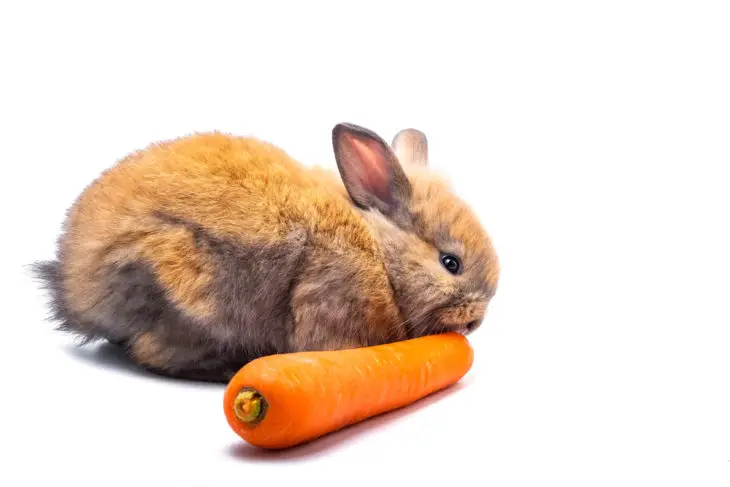
Providing fruits as a treat for rabbits is important, but moderation is key. Overfeeding can lead to digestive upset and other health issues. Understanding the optimal frequency and appropriate portion sizes for different rabbit sizes and ages is crucial for maintaining their well-being.Proper portion control ensures rabbits receive the nutritional benefits of fruits without jeopardizing their overall health.
Consistent feeding practices contribute to their digestive health and overall well-being. The right approach also prevents unwanted weight gain and promotes a balanced diet.
Optimal Frequency of Feeding Fruits
Fruits should be considered occasional treats, not a staple food. Frequent fruit consumption can disrupt a rabbit’s digestive balance, potentially leading to digestive issues. The optimal frequency for feeding fruits to rabbits is a few times per week, not daily. This allows their digestive systems to process the treats without becoming overly reliant on them. It also ensures that fruits do not overshadow the importance of a balanced diet of hay, vegetables, and pellets.
Determining Appropriate Portion Sizes
Portion sizes for fruit treats depend heavily on the rabbit’s size, age, and overall health. A small rabbit or a young rabbit will require a significantly smaller portion compared to a larger, adult rabbit. A rabbit’s current weight and appetite should also be taken into consideration. Begin with a small amount and observe the rabbit’s response. Adjust the portion accordingly based on the rabbit’s appetite and any potential digestive reactions.
Portion Control Methods
A variety of methods can be used to control portions. One method is to measure fruit portions using measuring spoons or cups. Another method is to visually estimate portions based on the rabbit’s size and the fruit’s size. For example, a small piece of apple or a few berries would suffice for a small rabbit. Using small, shallow dishes for the treats can also help with portion control.
This prevents overconsumption.
Potential Risks of Overfeeding Fruits
Overfeeding fruits can lead to several potential risks. Excess sugar intake can contribute to dental problems, weight gain, and digestive upsets like diarrhea or gas. Furthermore, an unbalanced diet, where fruits become the primary food source, can lead to deficiencies in essential nutrients that are crucial for a healthy rabbit. Overfeeding also puts undue strain on the digestive system, which can result in various health complications.
Recommended Frequency and Portion Sizes
The following table provides a general guideline for recommended frequency and portion sizes for various fruits. These are estimations and should be adjusted based on the individual rabbit’s needs and response.
| Fruit | Recommended Frequency (per week) | Portion Size (small rabbit) | Portion Size (medium rabbit) | Portion Size (large rabbit) |
|---|---|---|---|---|
| Apples (small pieces) | 2-3 times | 1 small slice | 2 small slices | 3-4 small slices |
| Berries (strawberries, blueberries) | 2-3 times | 1/2 cup | 1 cup | 1 1/2 cups |
| Bananas (small pieces) | 1-2 times | 1 small piece | 2 small pieces | 3-4 small pieces |
| Cantaloupe (small pieces) | 1-2 times | 1 small piece | 2 small pieces | 3 small pieces |
| Grapes (small pieces) | 1-2 times | 1/4 cup | 1/2 cup | 3/4 cup |
Potential Risks and Considerations
While fruits offer valuable nutrients for rabbits, careful consideration of potential risks is essential. Overfeeding or introducing inappropriate fruits can negatively impact their health. Understanding these potential issues and implementing preventative measures are crucial for ensuring your rabbit’s well-being.
Potential Digestive Issues
Introducing new foods, especially fruits, to a rabbit’s diet can sometimes cause digestive upset. This is due to the differing digestive systems of rabbits compared to humans. Rabbits are herbivores with specialized digestive tracts designed for a diet primarily consisting of high-fiber plant material. Sudden shifts in diet can lead to gas, bloating, diarrhea, or even more serious issues like gastrointestinal stasis.
Monitoring for Adverse Reactions
Closely observing your rabbit after introducing a new fruit is vital. Pay attention to any changes in behavior, such as decreased appetite, lethargy, or unusual droppings. A watchful eye can help you identify potential issues early, allowing for timely intervention. For example, if your rabbit shows signs of discomfort shortly after consuming a particular fruit, it might indicate an adverse reaction.
Importance of Veterinary Consultation
Consulting a veterinarian is crucial for personalized dietary advice. They can assess your rabbit’s individual needs and recommend appropriate fruits, portion sizes, and feeding schedules. Veterinarians have specialized knowledge of rabbit health and can offer tailored guidance to prevent potential problems. This is especially important for rabbits with pre-existing conditions or those who exhibit unusual reactions to food.
Summary of Potential Risks and Precautions
| Potential Risk | Corresponding Precautions |
|---|---|
| Digestive upset (gas, bloating, diarrhea, gastrointestinal stasis) | Introduce new fruits gradually, monitor for changes in behavior, offer only small portions initially. |
| Allergies or sensitivities | Introduce new fruits one at a time, closely observe for any adverse reactions. If any issues arise, discontinue feeding that particular fruit. |
| Overfeeding | Strictly adhere to recommended portion sizes and frequency. Fruits should be supplementary to a balanced diet of hay and pellets. |
| Unidentified fruit sensitivities | Consult with a veterinarian for guidance on appropriate fruits for your rabbit’s specific needs. |
Supplementing with Other Foods
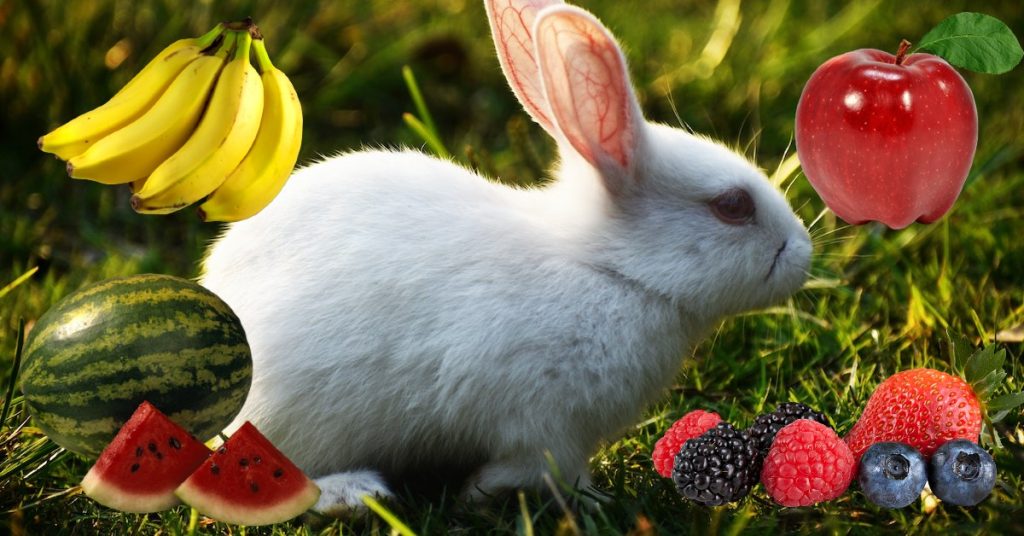
A rabbit’s diet is multifaceted, requiring a careful balance of various food groups for optimal health. Fruits, while offering some nutritional benefits, should not be the cornerstone of a rabbit’s diet. Understanding the relative nutritional value of fruits compared to other essential components like hay, vegetables, and water is crucial for maintaining a rabbit’s well-being.A well-rounded diet that incorporates a variety of foods ensures that rabbits receive the necessary vitamins, minerals, and fiber to support their digestive system, maintain a healthy weight, and promote overall vitality.
This balance is critical to prevent nutritional deficiencies and promote robust health.
Comparison of Nutritional Value
Fruits, while containing vitamins and some minerals, are not as nutrient-dense as other food sources essential for a rabbit’s diet. Their primary value lies in the addition of certain vitamins and antioxidants, but they cannot replace the crucial fiber and essential nutrients found in other food groups.
| Food Category | Example | Key Nutritional Benefits |
|---|---|---|
| Fruits | Apples, Berries | Vitamins, antioxidants, some minerals. |
| Vegetables | Carrots, leafy greens | Vitamins, minerals, fiber, water. |
| Hay | Timothy, Orchard | Indispensable fiber, promoting digestive health. |
| Water | Fresh, clean water | Essential for hydration and bodily functions. |
Importance of a Balanced Diet
A balanced diet is essential for a rabbit’s overall health. It ensures that the rabbit receives all the necessary nutrients for proper bodily functions, growth, and maintenance. A lack of balance can lead to various health issues, including digestive problems, nutritional deficiencies, and obesity. A well-structured diet, rich in fiber from hay and vegetables, supports a healthy gut microbiome, crucial for nutrient absorption and overall health.
Rabbit-Friendly Vegetables and Their Benefits
A diverse selection of vegetables provides a wide array of nutrients that are vital for a rabbit’s health. These should complement hay and form a significant portion of their daily diet.
- Carrots: A good source of vitamin A and fiber, contributing to healthy vision and digestive function. However, moderation is key; excessive consumption can lead to digestive upset.
- Leafy Greens (e.g., romaine lettuce, kale, spinach): Packed with vitamins, minerals, and fiber, these greens support overall health and help maintain a healthy digestive tract. Ensure proper washing and avoidance of excessive amounts of leafy greens, especially spinach, which can be high in oxalates.
- Broccoli: A source of vitamins and minerals, and contains fiber, which supports digestion. It’s important to offer broccoli in moderation to avoid digestive upset.
- Bell Peppers (various colors): Provide vitamins, minerals, and fiber. Offer a variety of colors for a more complete nutritional intake. They are generally well-tolerated but should be provided in limited quantities.
- Cucumber: Contains vitamins, minerals, and water, contributing to hydration and providing a refreshing treat. Like other fruits, moderation is essential.
Epilogue
In conclusion, introducing fruits into a rabbit’s diet can be a rewarding experience, offering potential nutritional benefits while requiring careful consideration. By understanding the safe fruits, proper preparation techniques, and appropriate portion sizes, you can ensure your rabbit enjoys the healthy addition of fruits without compromising their well-being. Remember to always prioritize a balanced diet that includes hay, vegetables, and plenty of water, and consult a veterinarian for personalized dietary advice if needed.