Rabbits, with their endearing nature and delicate needs, require specialized care, particularly when it comes to treats. This guide delves into the intricacies of offering rabbits safe and nutritious treats, ensuring optimal health and well-being. From understanding the fundamental nutritional requirements of rabbits to recognizing the potential risks associated with certain foods, this comprehensive approach will empower you to make informed decisions about your rabbit’s dietary supplements.
This guide will explore the various types of treats, their nutritional values, and the appropriate portion sizes. It also addresses crucial considerations such as the preparation, storage, and safe handling of rabbit treats, promoting a balanced and enriching experience for your furry friend.
Introduction to Rabbit Treats
Rabbit treats, while not a primary component of a rabbit’s diet, can play a valuable role in providing enrichment and reinforcing positive behaviors. These small rewards can be a delicious way to bond with your pet and ensure they receive a varied, healthy diet. Proper selection and moderation are crucial for the well-being of your furry friend.Understanding the difference between healthy and unhealthy treats is essential for maintaining a rabbit’s optimal health.
Many human foods are detrimental to rabbits, leading to digestive issues and other health problems. Therefore, careful consideration of the ingredients and nutritional value of any treat is paramount. A well-balanced rabbit diet, supplemented with appropriate treats, supports their overall health and happiness.
Healthy vs. Unhealthy Rabbit Treats
A rabbit’s diet primarily consists of high-fiber, low-calorie foods. Commercial rabbit treats and homemade options should be carefully considered for their nutritional value and potential risks. Unhealthy treats often contain excessive sugars, fats, or other ingredients that are detrimental to their digestive system. Healthy treats, on the other hand, offer nutritional benefits, such as vitamins and minerals, while minimizing potential harm.
Nutritional Needs of Rabbits
Rabbits require a diet rich in fiber to support their digestive health. Hay forms the cornerstone of their diet, providing essential roughage. Fresh vegetables and fruits are also important sources of vitamins and minerals, offering variety. Grains and commercially produced rabbit pellets can provide some nutritional support. It is crucial to consult a veterinarian to ensure a balanced and appropriate diet for your specific rabbit.
Comparison of Rabbit Treats
| Treat Type | Nutritional Benefits | Potential Risks |
|---|---|---|
| Vegetables (e.g., carrots, celery, bell peppers) | High in vitamins, minerals, and fiber. Excellent source of hydration. | Overfeeding can lead to digestive upset. Ensure they are not treated with pesticides. |
| Fruits (e.g., berries, small amounts of apple) | Offer vitamins, minerals, and antioxidants. Can be a tasty reward. | High sugar content; offer in very small portions. Avoid grapes and raisins. |
| Commercial Rabbit Treats | Can be a convenient way to add variety and enrichment. Often contain specific nutrients. | Can be high in sugar or other less-healthy ingredients. Always check the label carefully. |
| Homemade Treats (e.g., small pieces of cooked sweet potato) | Allows for control over ingredients. | Requires careful consideration of ingredients to avoid harmful ones for rabbits. |
Understanding the nutritional profile of each treat type is essential for responsible feeding. A balanced approach, combining various healthy options, is ideal.
Safe Treats for Rabbits
Providing safe and nutritious treats is crucial for a rabbit’s overall well-being and happiness. Choosing appropriate treats helps maintain a healthy diet, supporting their digestive system and promoting a strong immune response. These treats should complement, not replace, a balanced diet of hay, fresh vegetables, and water.Understanding the specific nutritional needs of rabbits and selecting appropriate treats is vital for their well-being.
This involves recognizing the difference between safe and potentially harmful options, ensuring a diet that supports their natural instincts and avoids health complications.
Safe Vegetables for Rabbits
A wide variety of vegetables can be incorporated into a rabbit’s diet, offering essential vitamins and minerals. These vegetables should always be offered in moderation, as part of a balanced diet.
- Leafy Greens: Romaine lettuce, spinach, and kale are excellent sources of vitamins and minerals. Offer small portions, as excessive amounts can cause digestive upset. Note that iceberg lettuce should be avoided, as it provides minimal nutritional value and can lead to digestive issues. Always ensure the vegetables are fresh and free from pesticides.
- Root Vegetables: Carrots, sweet potatoes, and parsnips are favored by many rabbits, but should be offered sparingly. Carrots, in particular, are rich in beta-carotene, which is beneficial but shouldn’t form a significant portion of the diet. Small pieces of these vegetables are perfectly acceptable.
- Other Vegetables: Broccoli florets, bell peppers (avoiding seeds and stems), and zucchini are also safe choices, providing varied nutrients. Offer these in small quantities, and monitor your rabbit for any signs of digestive discomfort. Always remove any uneaten vegetables after a few hours to prevent spoilage.
Safe Fruits for Rabbits
Fruits, while delicious, should be given in limited quantities. Their high sugar content can cause digestive upset if consumed excessively.
- Berries: Strawberries, raspberries, and blueberries are occasional treats, offered in small amounts. The high sugar content means limiting these to a very small portion of the daily diet.
- Other Fruits: Apples (without seeds and core), bananas, and melon are also acceptable treats, but should be given in extremely small quantities. The core of apples and other fruits can contain elements that aren’t suitable for rabbits, so remove these.
Safe Herbs for Rabbits
Certain herbs can offer both nutritional and behavioral benefits for rabbits.
- Examples: Parsley, cilantro, and mint are excellent choices, offering vitamins and minerals. These should be offered in small amounts, and fresh herbs are preferable to dried varieties.
- Benefits: These herbs can stimulate appetite and aid digestion. However, excessive consumption of some herbs might lead to digestive issues.
Safe Commercial Rabbit Treats
When choosing commercial rabbit treats, look for options that prioritize natural ingredients and avoid artificial additives.
- Ingredients to Look For: Look for treats containing vegetables, fruits, and herbs as the primary ingredients. Avoid treats containing grains, nuts, or chocolate.
- Ingredients to Avoid: Products containing artificial colors, flavors, or preservatives should be avoided. Be wary of treats with high sugar content.
- Examples: Many commercial brands offer rabbit-specific treats. Always check the ingredient list to ensure safety and appropriateness.
Nutritional Value of Safe Treats
The nutritional value of treats can vary significantly depending on the ingredients.
| Treat | Vitamins | Minerals | Fiber | Sugar |
|---|---|---|---|---|
| Carrots | Beta-carotene | Potassium | High | Moderate |
| Apples | Vitamin C | Potassium | Moderate | Moderate |
| Parsley | Vitamin A, C | Iron, Potassium | High | Low |
Treats to Avoid
Providing a healthy diet is crucial for a rabbit’s well-being. While treats can be a fun part of their care, some human foods are extremely dangerous for rabbits and should never be given. Understanding which treats to avoid is essential for ensuring their long-term health and happiness.Harmful substances can be present in seemingly innocuous foods, causing serious health problems or even death.
Therefore, a careful consideration of what rabbits can and cannot eat is paramount to their well-being.
Harmful Ingredients and Their Dangers
Certain ingredients commonly found in human food can be toxic or otherwise detrimental to a rabbit’s digestive system and overall health. These ingredients often cause unexpected and severe health issues, making careful selection of treats absolutely critical.
Chocolate
Chocolate contains theobromine, a methylxanthine alkaloid that is toxic to rabbits. The amount of theobromine varies depending on the type of chocolate, with dark chocolate containing higher concentrations. Even small amounts of chocolate can cause significant health problems in rabbits, such as vomiting, diarrhea, tremors, and increased heart rate. The severity of these symptoms can depend on the amount consumed and the type of chocolate.
Onions and Garlic
Onions and garlic, and other members of the Allium family, contain thiosulphates that can damage red blood cells. This damage can lead to anemia, a condition where the blood does not carry enough oxygen. The effect is cumulative, meaning repeated exposure to these foods can have a worsening impact on a rabbit’s health.
Other Common Human Foods to Avoid
Many common human foods can be harmful to rabbits due to their high sugar content, high fat content, or other components that their digestive systems are not equipped to process. For example, grapes, raisins, and certain nuts contain compounds that can cause kidney failure. Similarly, alcohol and caffeine are extremely dangerous for rabbits, causing a variety of symptoms including digestive upset, tremors, and irregular heart rhythms.
Risks of Giving Too Many Treats
Providing too many treats can lead to several health issues. An unbalanced diet, where treats make up a significant portion of the rabbit’s intake, can result in obesity, dental problems, and digestive upsets. Excess sugar intake can also lead to dental problems, and an unbalanced diet can lead to deficiencies in essential nutrients. It’s crucial to maintain a healthy balance between treats and a rabbit’s primary diet.
List of Treats to Strictly Avoid
The following treats pose significant risks to rabbits and should never be given:
- Chocolate (all types)
- Onions and garlic
- Grapes and raisins
- Avocado
- Macadamia nuts
- Alcohol
- Caffeine
- Dairy products
- Salty foods
- Sugary foods
These foods can cause serious health problems or even be fatal to rabbits.
Safe vs. Unsafe Treats: A Comparison
The table below highlights the key differences between safe and unsafe treats for rabbits, focusing on their ingredient composition:
| Treat Category | Ingredient Composition | Potential Risks |
|---|---|---|
| Safe Treats | Low in sugar, fat, and potentially harmful components; high in fiber and essential nutrients. | Minimal risk of adverse health effects if given in moderation. |
| Unsafe Treats | High in sugar, fat, or harmful components (e.g., theobromine, thiosulphates). | Significant risk of digestive issues, dental problems, obesity, or even death. |
Feeding Frequency and Portion Sizes
Providing treats to rabbits is a wonderful way to bond with them and offer a small taste of something special. However, it’s crucial to understand the appropriate frequency and portion sizes to ensure their overall health and well-being. Treats should never replace a balanced rabbit diet. They should be considered a small, occasional reward.Understanding the balance between treats and a rabbit’s overall diet is key to preventing health issues.
Overfeeding treats can lead to obesity, digestive problems, and other health concerns. Therefore, appropriate portion control is essential. The size of the treat portion should be carefully considered in relation to the rabbit’s overall dietary needs and their individual characteristics.
Appropriate Frequency of Treats
A good rule of thumb is to offer treats no more than a few times a week. This allows the rabbit’s digestive system to process their regular food properly and prevents them from becoming overly reliant on treats. The frequency should be adjusted based on individual rabbit needs, and factors such as activity level and overall health should be taken into consideration.
Portion Control for Rabbit Treats
Portion control is critical for maintaining a rabbit’s healthy weight and preventing potential health problems. The portion size should be small enough to be considered a treat and not a significant part of their daily food intake. A good analogy is to think of a treat as a small reward, not a substantial meal replacement.
Adjusting Portions Based on Rabbit Characteristics
A rabbit’s size, age, and activity level all play a role in determining the appropriate treat portion size. Smaller rabbits generally require smaller portions than larger rabbits. Young rabbits also require smaller portions compared to adult rabbits. High activity levels may warrant slightly larger treat portions, as the rabbit expends more energy. Consult with a veterinarian or rabbit expert to determine the appropriate adjustments for your rabbit’s specific needs.
Overall Diet Balance and Treats
It’s essential to consider the overall balance of your rabbit’s diet when offering treats. Treats should be a small component of their total daily food intake, and should never substitute for essential nutrients found in a high-quality rabbit food. Treats are meant to be a reward, not a primary source of nourishment. Focus on a balanced diet that provides all the necessary vitamins, minerals, and nutrients.
Recommended Treat Portions
The following table provides a general guideline for recommended treat portions based on rabbit weight and age. These are estimates and individual needs may vary. Always consult with a veterinarian or rabbit expert for personalized advice.
| Rabbit Weight (lbs) | Age (Months) | Recommended Treat Portion (grams) |
|---|---|---|
| 1 | 3 | 5 |
| 2 | 6 | 10 |
| 3 | 12 | 15 |
| 4 | 24 | 20 |
| 5 | 36 | 25 |
Preparation and Serving Methods
Proper preparation and serving of rabbit treats are crucial for their digestive health and enjoyment. Careful consideration of preparation methods, hygiene, and presentation significantly impacts a rabbit’s overall experience and well-being. Ensuring treats are appropriately prepared and presented can enhance their nutritional value and appeal.Thorough washing and careful preparation minimize the risk of introducing harmful bacteria or contaminants.
Optimal serving methods ensure the treat is easily digestible and enjoyable for the rabbit. Following these guidelines will help ensure your rabbit receives safe and engaging treats.
Preparing Treats for Optimal Digestion
Preparing treats for rabbits involves more than just offering a piece of food. Consider the nutritional density of the treat and how it might be processed in the rabbit’s digestive system. Some treats, while safe, may benefit from being slightly altered to enhance digestibility. For instance, tough vegetables might be finely chopped or steamed to make them easier to consume and process.
Washing and Cleaning Treats Thoroughly
Thorough washing and cleaning of treats are paramount for minimizing the risk of introducing bacteria or contaminants into the rabbit’s diet. Always wash all treats under running water, paying particular attention to any areas that may have come into contact with dirt or other substances. This step is essential for maintaining the rabbit’s health and preventing potential digestive issues.
Storing Rabbit Treats Safely
Proper storage prevents spoilage and maintains the quality of the treats. Store treats in airtight containers in a cool, dry place, away from direct sunlight. This will help preserve the freshness and nutritional value of the treats. Consider using labeled containers to easily identify the type of treat stored within.
Presenting Treats to Rabbits
Presenting treats in an engaging way can enhance a rabbit’s enjoyment and promote positive associations with treat time. Providing treats in a stimulating environment, like a puzzle feeder, can make mealtime more engaging and enriching. Use a variety of serving methods and presentation styles to maintain your rabbit’s interest.
- Variety is Key: Offering treats in different forms (pieces, slices, or even as part of a small foraging session) can make mealtime more interesting.
- Interactive Feeding: Incorporating puzzle feeders or hiding treats within their environment can encourage natural foraging behaviors.
- Sensory Engagement: Introduce different textures and smells to make the experience more exciting for your rabbit. This can involve varied shapes, sizes, and colors of treats.
Preparing a Carrot Treat for a Rabbit
This step-by-step guide provides a safe method for preparing a carrot treat for your rabbit:
- Washing: Thoroughly wash the carrot under running water, removing any dirt or debris.
- Preparation: Cut the carrot into small, manageable pieces. Avoid leaving large, hard pieces that might be difficult for your rabbit to chew.
- Portioning: Offer only a small portion of the carrot treat to your rabbit, considering their overall diet.
- Observation: Observe your rabbit’s response to the carrot treat. If they show signs of discomfort or difficulty eating, discontinue the treat.
- Storage: Store any remaining carrot pieces in an airtight container in a cool, dry place.
Note: Always supervise your rabbit while they are eating any new treat to ensure they are not experiencing any discomfort.
Treats for Specific Needs
Providing appropriate treats can significantly enhance a rabbit’s well-being, supporting their overall health and happiness. Tailoring treats to address specific needs, such as dental health, exercise, or dietary requirements, is crucial for ensuring optimal care. This section will explore various treats designed to meet different rabbit needs, offering insights into appropriate choices and serving methods.
Dental Health Support
Dental health is paramount for rabbits. Their constantly growing teeth require a diet that helps maintain proper wear and tear. Hard, crunchy treats can aid in this process, providing natural abrasion to prevent overgrown teeth.
- Fresh vegetables, such as carrots, celery, and broccoli florets, contribute to dental health by encouraging chewing. These should be included in a rabbit’s regular diet, not solely as treats.
- Apple slices, in moderation, can offer a crunchy element for chewing. Be mindful of core and seeds which should be removed.
- Small, hard pieces of fruit, like small pieces of pear or melon, provide a similar benefit as apples.
Encouraging Exercise and Enrichment
Rabbits are naturally active animals. Providing enrichment through treats can encourage natural behaviors and maintain physical and mental well-being.
- Treat-filled toys, such as puzzle feeders or foraging toys, stimulate natural foraging behaviors and encourage exercise. These can contain small amounts of safe rabbit treats or even fresh greens, carrots or similar.
- Small, scattered treats, placed strategically throughout their enclosure, can encourage exploration and movement. This is important for keeping them active.
- Fresh herbs, like parsley and cilantro, can be used as treats and are naturally stimulating for rabbits, motivating them to explore and forage.
Tailoring Treats for Dietary Needs
Specific dietary needs, such as weight management, can be addressed through careful treat selection.
- For weight management, select low-calorie treats like small pieces of leafy greens or a small amount of fruit. Avoid treats high in sugar or fat. Monitoring portion sizes is critical.
- For underweight rabbits, consider treats higher in calories, like small pieces of fruit or vegetables with higher sugar content (but in moderation). Consult with a veterinarian for specific recommendations.
Treats for Pregnant or Lactating Rabbits
Pregnant and lactating rabbits have increased nutritional needs. Their diets should support the growing litter and their own health.
- High-quality hay should be the cornerstone of their diet, as it provides essential nutrients and fiber.
- Supplements, such as calcium-rich pellets or specific rabbit-specific nutritional supplements, may be necessary under the guidance of a veterinarian.
- Nutrient-rich vegetables, like leafy greens, should be included in their diet to support their needs.
Table of Treats for Specific Health Concerns
The table below provides a general guideline for treats that can be considered for specific health concerns. Consult with a veterinarian for personalized recommendations.
| Health Concern | Potential Treats (Examples) | Important Considerations |
|---|---|---|
| Dental Problems | Carrots, celery, apple slices (core removed), pear | Provide firm, crunchy treats to aid in tooth wear. |
| Obesity | Leafy greens, small amounts of berries | Monitor portion sizes and avoid high-calorie treats. |
| Underweight | Small pieces of fruit, sweet potato (in moderation) | Consult a vet for appropriate caloric density. |
| Pregnant/Lactating | High-quality hay, leafy greens, supplemental pellets (as advised by vet) | Increased nutritional needs should be met under professional guidance. |
Preventing Overfeeding and Related Issues
Providing treats to rabbits can be a rewarding experience, but it’s crucial to understand the potential consequences of overfeeding. A balanced diet, ensuring appropriate nutrition, is paramount to maintaining a rabbit’s overall health and well-being. Excessive treat consumption can lead to various health problems, highlighting the importance of responsible treat administration.Understanding the signs of overfeeding and potential health risks is essential for responsible rabbit care.
Implementing preventative measures and establishing a healthy treat routine ensures a happy and healthy rabbit companion.
Signs of Overfeeding in Rabbits
Overfeeding can manifest in various ways, affecting a rabbit’s physical and behavioral patterns. Recognizing these indicators is vital for timely intervention. These signs include a noticeable increase in weight, leading to a rounded or pot-bellied appearance. Changes in appetite, such as decreased interest in regular food or increased begging, can also be observed. Lethargy, a reduced level of activity, and difficulty moving are potential signs of discomfort due to excess weight.
Excessive gas and digestive upset, including diarrhea, are also possible symptoms. Finally, changes in behavior, like becoming more anxious or aggressive, can also indicate discomfort from overfeeding.
Potential Health Problems Associated with Overfeeding Treats
Overfeeding treats can lead to several significant health problems in rabbits. Obesity is a primary concern, leading to joint problems, heart disease, and other serious health complications. Digestive issues, such as diarrhea and gas, are also common consequences of an imbalanced diet, particularly when treats high in sugar or other indigestible components are involved. Dental problems can arise due to the strain on the digestive system and the increased acidity.
These can include tooth grinding, dental abscesses, or even malocclusion, where the teeth don’t meet correctly. Additionally, an overabundance of treats can disrupt the delicate balance of the rabbit’s gut microbiome, potentially leading to more significant health issues down the line.
Methods for Preventing Overfeeding and Encouraging Balanced Nutrition
Implementing a controlled treat routine is essential for preventing overfeeding. Establish a fixed daily treat schedule, and stick to it as closely as possible. Portion sizes are crucial; limit treats to a small amount, roughly 1-2 tablespoons per day. This ensures that the rabbit doesn’t get accustomed to constant treats, and that the nutritional needs of the main diet aren’t compromised.
Incorporate a variety of safe treats to prevent monotony and ensure a more balanced nutritional intake. Prioritize treats that are low in calories and high in nutritional value, such as small amounts of fresh vegetables or fruits.
Tips for Creating a Healthy Treat Routine for Rabbits
A healthy treat routine involves a careful balance of frequency, portion size, and variety. Establish a daily or weekly treat schedule to maintain a consistent pattern. Monitor your rabbit’s weight regularly to ensure that the treats don’t lead to significant weight gain. Always ensure that the treats are a small part of their overall diet. Introduce new treats gradually to observe any potential allergic reactions or digestive issues.
Provide plenty of fresh water and appropriate hay to complement the treats, maintaining a balanced diet. Remember that treats should never replace a balanced rabbit diet of hay, pellets, and fresh vegetables.
Flowchart Illustrating Steps to Take if You Suspect Overfeeding
 Suspect Overfeeding?

[Start] --> [Observe rabbit's behavior and appearance] --> [Weight gain? Lethargy? Changes in appetite?]

             | Yes                                   | No
             V                                     V
       [Check treat portions and frequency]         [Review diet and treats]
             |                                     |
             V                                     V
  [Reduce treat portions or frequency]         [Maintain current routine]
             |                                     |
             V                                     V
[Monitor rabbit's weight and behavior]        [Continue monitoring]
             |                                     |
             V                                     V
  [Seek vet consultation if needed]            [Repeat steps]
             |
             V
       [End]
Treats for Enrichment and Entertainment
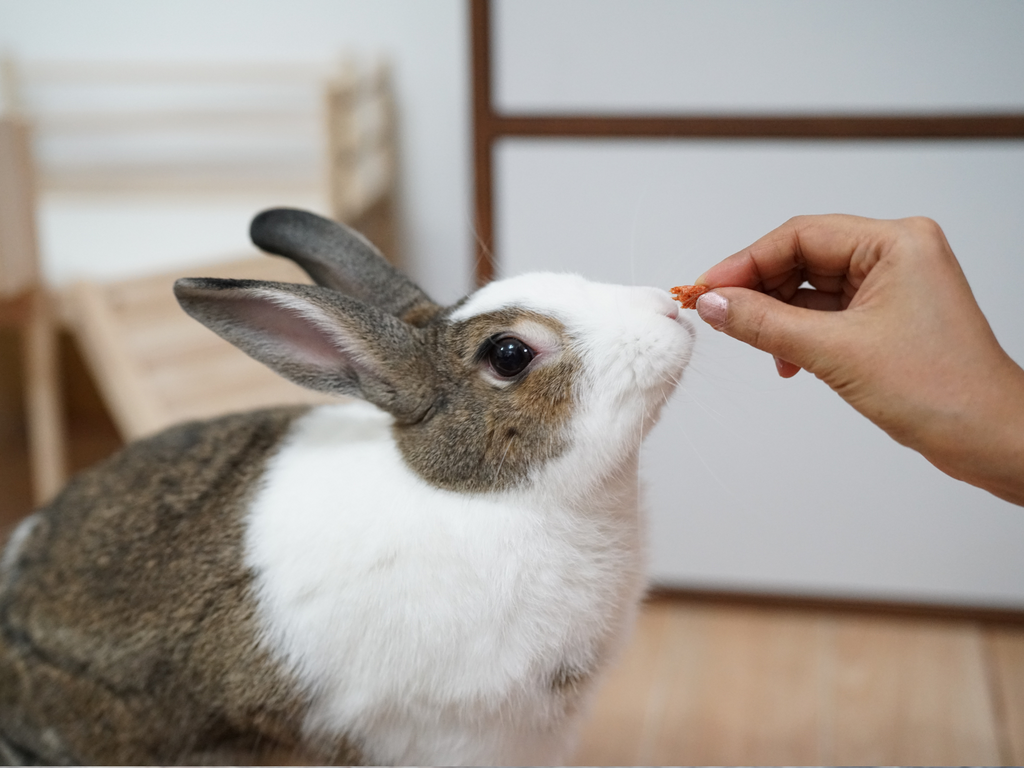
Enrichment and entertainment are crucial aspects of a rabbit’s well-being.
Providing stimulating activities and tasty treats can prevent boredom, promote mental and physical health, and strengthen the bond between you and your furry companion. These activities can greatly enhance their quality of life.
Beyond basic nutrition, rabbits thrive on mental stimulation. Engaging activities, combined with appropriate treats, can prevent behavioral issues and maintain a healthy and happy rabbit. This section details methods to use treats to enrich your rabbit’s environment and improve their overall experience.
Examples of Enriching Treats
A variety of safe and healthy treats can be used to enrich a rabbit’s environment. These include leafy greens, fruits, and vegetables, but also include items that encourage foraging and exploration. The following examples illustrate the versatility of these treats.
- Fresh herbs like parsley, cilantro, and mint are not only tasty but also provide essential vitamins and minerals. These herbs are a natural way to stimulate your rabbit’s interest and keep them engaged.
- Small pieces of fruit, such as berries or a small slice of apple (without the core), can be used as a rewarding treat. Carefully select fruits and avoid those known to be harmful.
- Vegetable slices, like carrots, cucumber, and bell peppers, offer a nutritious and fun way to keep rabbits engaged. Avoid feeding large portions, as vegetables can cause digestive issues if overfed.
- Small, hard-to-reach treats placed in puzzle feeders encourage foraging behavior, a natural instinct for rabbits. These activities mimic the rabbit’s natural environment, and provide an opportunity for exploration and problem-solving.
Positive Reinforcement with Treats
Positive reinforcement, using treats as rewards, is a powerful tool for training and building a positive association with you. It strengthens the bond between you and your rabbit and promotes desired behaviors. This technique encourages cooperation and makes training enjoyable for both of you.
- By rewarding desired behaviors with treats, you teach your rabbit what you want them to do. This is a fundamental aspect of operant conditioning.
- Positive reinforcement is crucial for training, building trust, and shaping your rabbit’s behavior. It creates a positive learning environment.
- Avoid using treats as punishment, as this can create a negative association and hinder your efforts to build a positive relationship.
Incorporating Treats into Playtime
Treats can be a valuable tool to enhance playtime and engagement. This section explores ways to use treats to encourage interaction and make playtime more enjoyable.
- Hide treats around their enclosure to encourage foraging. This mimics their natural environment and promotes mental stimulation. Rabbits love the challenge of finding hidden treats.
- Use treats to reward specific behaviors during playtime. For example, if your rabbit is playing fetch, reward them with a treat upon retrieving the item.
- Create a treat-based game, like a “find the treat” game where you hide treats in different areas of their play space. This encourages exploration and problem-solving.
Teaching Rabbits Tricks with Treats
Treats are powerful tools for teaching rabbits tricks. This section explores methods for using treats to encourage and reinforce specific behaviors.
- Start with simple tricks and gradually increase the complexity. Begin with a behavior like sitting or standing and gradually progress to more advanced maneuvers.
- Use clear and consistent commands, paired with hand signals if possible. Consistency is key to successful training.
- Reward the desired behavior immediately with a small treat. Timing is crucial for effective training.
Treat Ideas for Enrichment
The following table provides a variety of treat ideas for stimulating your rabbit’s mind and body:
| Treat Category | Treat Ideas |
|---|---|
| Leafy Greens | Parsley, Cilantro, Mint, Dandelion greens |
| Fruits | Berries (strawberries, blueberries), small slices of apple (without core) |
| Vegetables | Carrots, cucumber, bell peppers (small pieces) |
| Foraging Treats | Small treats hidden in puzzle feeders, hay, or tunnels |
| Reward Treats | Small pellets, specialized rabbit treats (check ingredients) |
Handling Treats Safely
Ensuring the safety of your rabbit’s treats is paramount. Proper handling and storage practices prevent contamination and potential health issues. This section details crucial steps for maintaining a safe and hygienic treat-feeding routine.
Maintaining hygiene during treat handling is essential to prevent the spread of bacteria and parasites. This careful approach safeguards your rabbit’s health and well-being.
Handwashing Before and After
Proper hand hygiene is critical for preventing the introduction of harmful bacteria and pathogens into your rabbit’s diet. Thoroughly washing hands with soap and water before and after handling treats is an indispensable practice.
Safe Storage of Treats
Safe storage of treats is essential to prevent spoilage and contamination. Store treats in airtight containers in a cool, dry place. Avoid storing treats near potentially contaminated items. Inspect treats regularly for signs of mold or deterioration.
Proper Disposal of Leftovers
Leftover treats should be discarded promptly to prevent spoilage and contamination. Dispose of any uneaten treats in a sealed bag or container and discard in the trash.
Keeping Treats Away from Other Pets
Ensure that treats are stored and handled in a manner that prevents access by other pets. Rabbits are prey animals, and certain foods can be harmful or toxic to other pets. Keeping treats separate from other animals minimizes risks and maintains a safe environment for all.
Checklist for Safe Treat Handling Practices
- Wash hands thoroughly with soap and water before and after handling rabbit treats.
- Store treats in airtight containers in a cool, dry place.
- Inspect treats regularly for signs of spoilage or contamination.
- Discard uneaten treats promptly in a sealed container and dispose of properly.
- Keep treats away from other pets and potentially contaminated surfaces.
Conclusive Thoughts
In conclusion, providing treats to rabbits should be a mindful and well-planned process. This guide has illuminated the key aspects of safe treat selection, portion control, and overall dietary balance. By following the recommendations provided, you can ensure that treats contribute positively to your rabbit’s health and happiness while avoiding potential harm. Remember, responsible treat-giving is crucial for maintaining your rabbit’s well-being.