This comprehensive guide delves into the crucial aspect of rabbit nutrition: providing optimal hay. Understanding the various types of hay, their nutritional values, and the ideal daily intake is vital for ensuring a rabbit’s health and well-being. This guide will walk you through the entire process, from selecting the right hay to storing it properly and addressing potential issues.
A rabbit’s diet heavily relies on hay, serving as a primary source of nutrition and digestive health. This guide provides a detailed look at how to select, store, and feed hay to your rabbits, encompassing considerations for different ages, breeds, and potential problems.
Types of Rabbit Hay
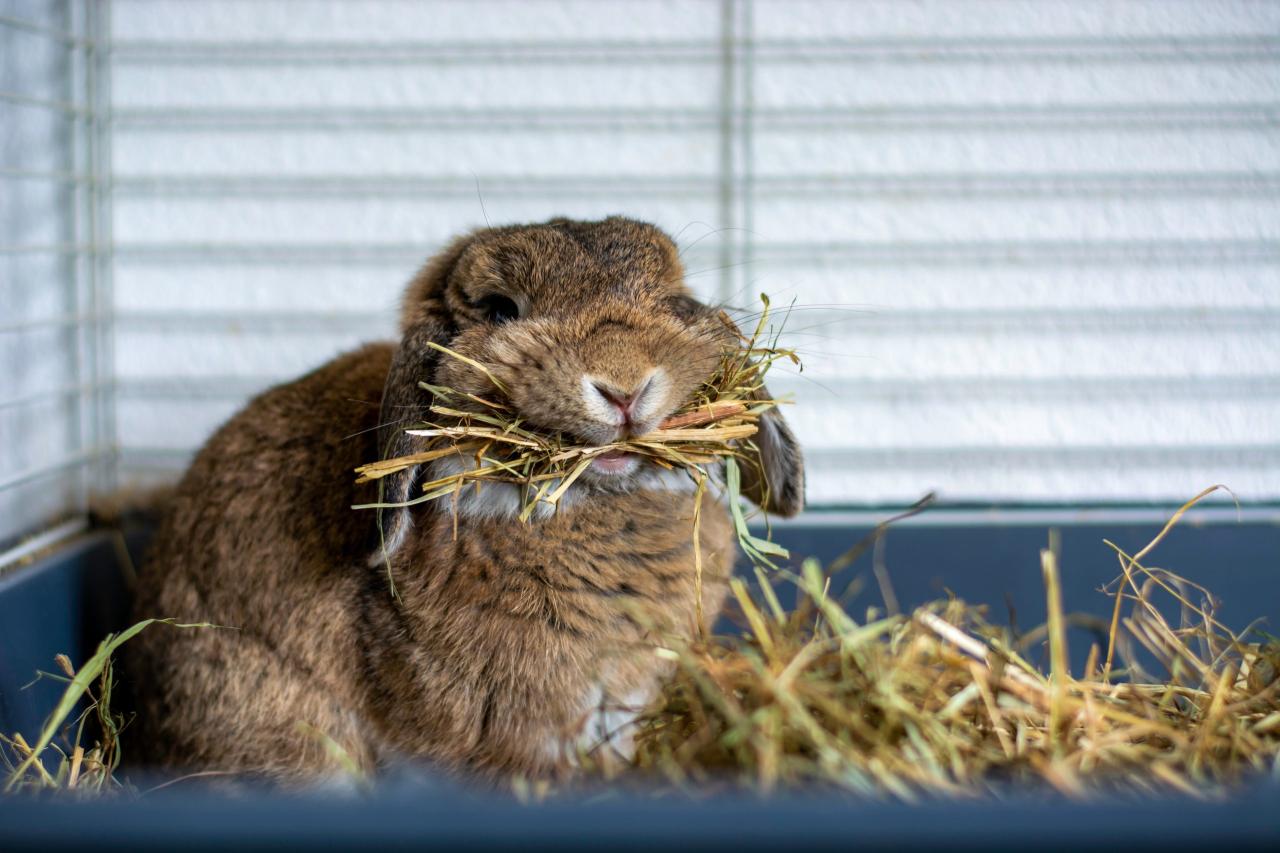
Providing a diverse and nutritious hay diet is crucial for a rabbit’s overall well-being. Hay forms the cornerstone of a rabbit’s diet, supplying essential fiber, vitamins, and minerals. Understanding the various types of hay and their specific properties empowers rabbit owners to make informed choices that cater to their pet’s individual needs.Selecting the right type of hay for your rabbit depends on factors such as age, health condition, and breed-specific dietary needs.
A balanced and appropriate hay selection contributes to optimal digestive health and prevents potential health issues. Understanding the nutritional value, pros, and cons of each hay type is essential for ensuring your rabbit receives the best possible nutrition.
Different Types of Rabbit Hay
A variety of hay options are available, each with its own unique nutritional profile. Understanding these differences is vital for creating a well-rounded and healthy diet for your rabbit.
- Timothy Hay: This is a popular choice for adult rabbits due to its relatively low calcium content and moderate fiber content. It’s generally well-tolerated and provides good overall nutrition. Timothy hay is a good source of essential vitamins and minerals.
- Orchardgrass Hay: This type of hay offers a higher protein content than Timothy hay, making it a suitable option for growing rabbits or those with specific nutritional needs. It is also rich in vitamins and minerals, promoting overall health.
- Alfalfa Hay: High in protein and calcium, alfalfa hay is often recommended for growing rabbits and pregnant or nursing does. However, it should be used with caution for adult rabbits due to its high calcium content. Excessive calcium intake can lead to dental issues and other health problems.
Nutritional Comparison of Hays
The table below highlights the nutritional value, pros, and cons of common rabbit hay types. This comparison aids in selecting the most appropriate hay for your rabbit’s specific needs.
| Hay Type | Nutritional Value | Pros | Cons |
|---|---|---|---|
| Timothy | Moderate protein, fiber, vitamins, and minerals. Low calcium. | Well-tolerated by most rabbits, good for daily maintenance. | May not be sufficient for rapidly growing rabbits or pregnant does. |
| Orchardgrass | Higher protein content than Timothy, rich in vitamins and minerals. | Suitable for growing rabbits and those with specific nutritional needs. | May cause digestive upset in some rabbits, especially those with sensitive stomachs. |
| Alfalfa | High protein and calcium, good for growing rabbits, pregnant or nursing does. | Provides crucial nutrients for rapid growth and reproduction. | High calcium content can be detrimental to adult rabbits. May cause dental issues or urinary problems. |
Selecting Appropriate Hay Based on Age and Health
The optimal hay choice should be tailored to the rabbit’s age and health status. Young rabbits require a higher protein and calcium intake, often benefiting from alfalfa hay. Adult rabbits, however, generally thrive on Timothy or Orchardgrass, as these provide a more balanced nutritional profile. Rabbits with existing health concerns, such as dental issues, may benefit from softer hays like orchardgrass.
Consulting with a veterinarian is always recommended to determine the best hay choice for a specific rabbit.
Identifying High-Quality Hay
High-quality hay is crucial for a rabbit’s health. Look for hay that is:
- Free of mold, dust, and debris: Mouldy or dusty hay can cause respiratory problems. Inspect the hay for any signs of discoloration or unusual textures.
- Fresh and fragrant: Fresh hay should have a pleasant, grassy aroma. Avoid hay that has a musty or sour smell.
- Free from foreign objects: Inspect the hay for any twigs, stones, or other foreign objects that could cause digestive issues.
Daily Hay Intake
Providing a consistent and ample supply of high-quality hay is crucial for a rabbit’s overall health and well-being. Hay forms the cornerstone of their diet, supplying essential nutrients, fiber, and promoting healthy digestion. Understanding the appropriate daily hay intake for rabbits of varying ages and sizes is vital for ensuring optimal nutritional support.A rabbit’s digestive system is uniquely adapted to process large quantities of fiber-rich hay.
This constant chewing and digestion aids in maintaining healthy teeth, a strong gut microbiome, and overall good health. The specific amount of hay needed will depend on factors such as the rabbit’s age, size, activity level, and overall health condition.
Recommended Daily Hay Intake
A consistent and ample hay supply is crucial for a rabbit’s well-being. This ensures they have continuous access to the essential nutrients, fiber, and the digestive benefits hay provides. The amount needed varies depending on the rabbit’s age and size, and activity levels.
Calculating Appropriate Hay Portions
Determining the precise daily hay portion requires careful consideration of the rabbit’s weight and overall needs. A general guideline is to provide a quantity of hay that is roughly equivalent to 1-2% of the rabbit’s body weight, expressed in ounces. This is a useful starting point and can be adjusted based on observation of the rabbit’s appetite and stool consistency.
Daily Hay Needs Table
This table provides a general guideline for daily hay intake based on the rabbit’s weight. It is crucial to remember that these are estimates, and adjustments might be necessary based on individual needs.
| Rabbit Weight (lbs) | Daily Hay (oz) |
|---|---|
| 2 | 0.2 – 0.4 |
| 4 | 0.4 – 0.8 |
| 6 | 0.6 – 1.2 |
| 8 | 0.8 – 1.6 |
| 10 | 1.0 – 2.0 |
| 12 | 1.2 – 2.4 |
Monitoring Hay Consumption and Adjustments
Regular monitoring of hay consumption is essential to ensure the rabbit is receiving the necessary nutrients. Observe the rabbit’s appetite and the quantity of hay consumed daily. Adjust the hay amount as needed, ensuring that fresh hay is always available. If the rabbit is not consuming enough hay, or if there are changes in the consistency of their droppings, consult with a veterinarian to rule out any underlying health issues.
A healthy rabbit will readily consume a considerable amount of hay throughout the day.
Consequences of Insufficient Hay Intake
Insufficient hay intake can lead to several adverse health effects in rabbits. These include digestive issues, such as impaction or diarrhea, dental problems due to lack of chewing, and even more severe conditions like malnutrition. Providing ample access to high-quality hay is essential for maintaining a rabbit’s overall health and well-being. Rabbits who are not consuming enough hay may exhibit signs of lethargy, decreased appetite, or changes in stool consistency.
Hay Storage and Handling
Proper hay storage is crucial for maintaining its nutritional value and preventing spoilage. Fresh, high-quality hay is essential for a rabbit’s health and well-being. Storing hay correctly ensures your rabbits always have access to the best possible feed.Maintaining the quality of hay from harvest to consumption requires careful attention to storage conditions. This involves preventing moisture buildup, mold growth, pest infestation, and dust accumulation.
Proper storage methods are essential to preserve the nutritional value and palatability of the hay, ensuring your rabbits receive the best possible nutrition.
Optimal Hay Storage Techniques
Proper storage methods help maintain hay’s quality. These methods are essential to preserve the hay’s nutritional value and prevent unwanted changes. By following these steps, you can ensure your rabbits have access to high-quality hay for optimal health.
- Air Circulation: Ensure adequate air circulation around the hay to prevent moisture buildup. Poor ventilation can lead to mold and mildew. Storing hay in a well-ventilated area, such as a barn or shed with good airflow, is crucial for maintaining quality.
- Pest Control: Rodents and insects can quickly contaminate hay. Use sealed containers, or consider placing hay in areas inaccessible to pests. Regular inspection and prompt removal of any pest-infested hay are crucial to prevent further damage.
- Moisture Management: Hay should be stored in a dry environment. Avoid storing hay in areas prone to moisture, such as basements or areas exposed to direct rain or snow. Use moisture-resistant containers and monitor for any signs of dampness.
Choosing the Right Storage Method
The best storage method depends on the amount of hay you need to store. Different storage methods have varying levels of effectiveness in preventing contamination.
| Storage Method | Advantages | Disadvantages |
|---|---|---|
| Sealed Containers | Excellent for preventing pests and moisture. Easy to maintain cleanliness and inspect. | Can be costly for large quantities. May not provide adequate ventilation, leading to potential moisture buildup. |
| Hay Racks | Allows for good air circulation, reducing the risk of mold. More cost-effective for large quantities. | Requires more space and can be harder to maintain cleanliness and prevent pest infestation. Regular inspection is crucial to detect and remove contaminated hay. |
Step-by-Step Hay Storage Guide
Following a structured approach to hay storage is vital for maintaining quality. This process ensures the safety and nutritional value of the hay.
- Inspect the hay for quality before storing. Remove any hay with visible mold, dust, or other signs of contamination.
- Choose an appropriate storage location. Select a dry, well-ventilated area that is protected from moisture and pests.
- Store hay in sealed containers or on hay racks. Ensure the containers or racks are clean and pest-proof. Consider using mesh bags for hay racks to enhance air circulation.
- Monitor the hay regularly for signs of spoilage or contamination. Check for mold, dust, or pest activity.
- Discard any contaminated hay immediately. This will prevent the spread of contamination to the rest of the hay.
Importance of Regular Hay Quality Checks
Regular inspections of stored hay are crucial for maintaining its quality. This proactive approach ensures that your rabbits have access to fresh, healthy hay.
Regular hay checks prevent mold, dust, and pest infestations, preserving the hay’s nutritional value.
Regular checks allow for early detection and removal of any contaminated hay, which protects your rabbits’ health and well-being.
Feeding Methods and Practices
Providing rabbits with appropriate feeding methods is crucial for their overall health and well-being. A well-structured feeding routine ensures they receive the necessary nutrients and prevents potential issues like digestive problems or obesity. This section details various feeding methods, highlighting their advantages and drawbacks to help rabbit owners select the most suitable approach for their pet’s needs.Understanding how to present hay, the cornerstone of a rabbit’s diet, is essential.
Different feeding methods can influence how readily rabbits access and consume their hay. This, in turn, affects their digestive health and overall happiness.
Different Hay Presentation Methods
Various methods exist for presenting hay to rabbits. The choice depends on the rabbit’s personality, the space available, and the type of hay. A well-chosen method encourages consistent hay consumption, a vital aspect of a rabbit’s health.
- Hay Rack: A hay rack, often a simple wire or wooden structure, allows rabbits to access hay from multiple angles. This method is particularly beneficial for rabbits who enjoy exploring and nibbling on hay throughout the day. The open design promotes a healthy digestive system, as rabbits can easily select the hay they prefer. However, some rabbits might inadvertently drop or scatter hay, leading to waste, which should be addressed by choosing a suitable rack size and placement.
A larger rack with multiple levels can prevent waste and encourage the rabbits to consume the hay from various positions.
- Hay Feeder: A hay feeder, typically a container with a mesh or other openings, provides a controlled environment for hay consumption. This method is suitable for rabbits who tend to hoard or waste hay. The controlled access can minimize wastage and ensure consistent access to hay. However, some rabbits might find it challenging to access the hay from the feeder, potentially leading to them not consuming enough.
The feeder should be positioned at a convenient height for the rabbits to access the hay without difficulty.
Benefits and Drawbacks of Feeding Methods
Careful consideration of the benefits and drawbacks of each method is crucial. Choosing the right method ensures a healthy and balanced diet for your rabbit.
| Feeding Method | Advantages | Disadvantages |
|---|---|---|
| Hay Rack | Encourages exploration and natural feeding behaviors, promotes digestive health. | Potential for hay wastage, requires careful monitoring to ensure enough hay is provided. |
| Hay Feeder | Minimizes hay wastage, ensures consistent access to hay. | May not suit all rabbit personalities, might require adjustments to ensure accessibility. |
Ensuring Constant Hay Access
Maintaining consistent access to fresh hay is paramount. Hay is the primary source of fiber in a rabbit’s diet, supporting their digestive health. It is important to provide unlimited access to high-quality hay.
“Constant access to fresh hay is crucial for maintaining a healthy digestive system in rabbits.”
This is crucial for preventing digestive problems, which can arise from insufficient fiber intake. A consistent supply of hay prevents these issues, allowing rabbits to graze as they naturally would.
Preventing Overeating Other Foods
Preventing rabbits from overeating other foods while ensuring adequate hay consumption is essential. A balanced diet, prioritizing hay, is vital for their health. Overfeeding other foods, such as pellets or vegetables, can lead to digestive upset or obesity.Rabbits should always have access to unlimited fresh hay. Introduce other foods gradually, and monitor your rabbit’s intake to ensure a balanced diet.
This careful management helps prevent imbalances that could negatively impact their health.
Hay and Other Foods
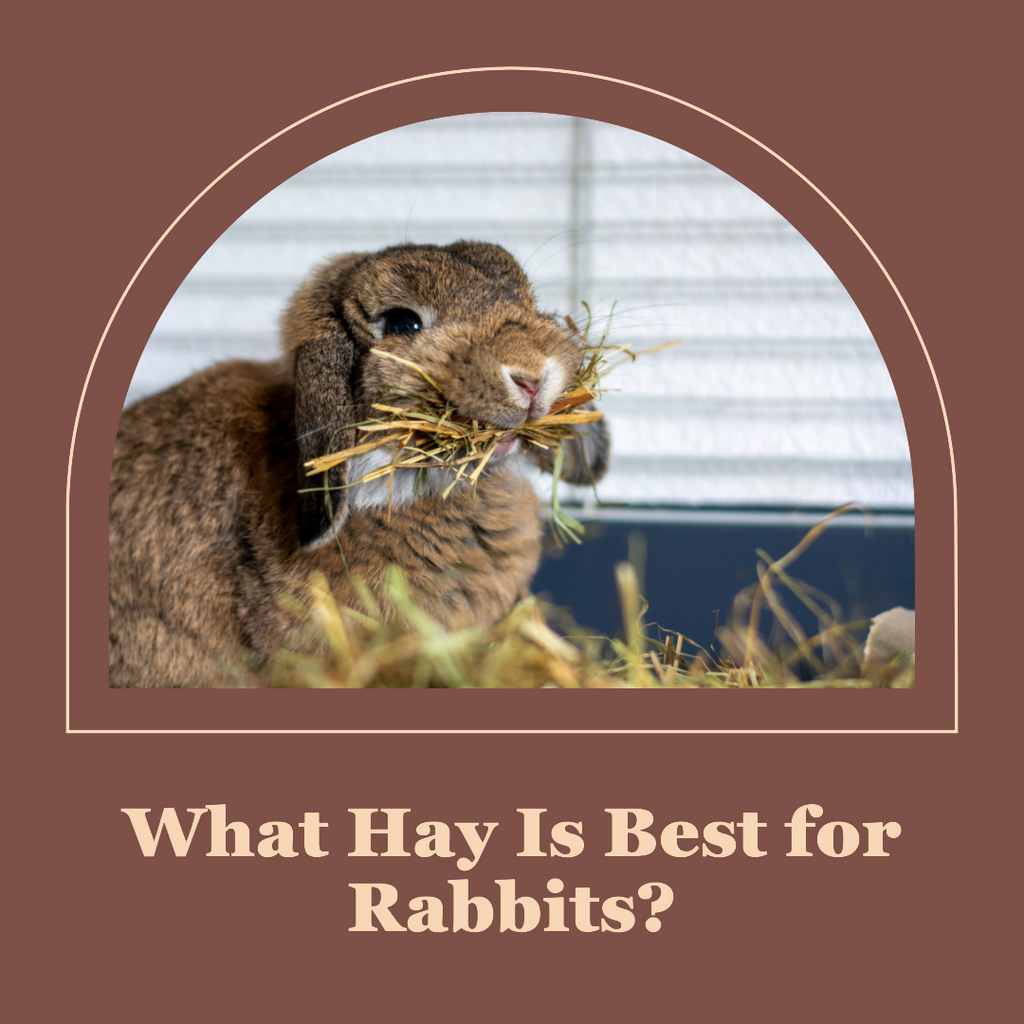
Rabbits require a diet that prioritizes hay for optimal digestive health. While hay forms the cornerstone of their diet, supplementary foods can be included in moderation. Understanding the nutritional needs of rabbits and the appropriate roles of various foods is crucial for their well-being.The composition of a rabbit’s diet significantly impacts their digestive system and overall health. Hay, a low-calorie, high-fiber food, is essential for maintaining a healthy gut microbiome and preventing digestive issues.
Supplementary foods should complement, not replace, the primary role of hay.
Nutritional Needs of Rabbits and the Role of Hay
Rabbits possess a specialized digestive system requiring a high fiber intake. Their digestive tracts are specifically adapted to process plant material, particularly fibrous hay. Hay provides the necessary bulk for proper gut motility and prevents the buildup of harmful bacteria. The continuous chewing action on hay also helps maintain healthy teeth.
Supplementary Foods for Rabbits
A balanced diet includes a variety of nutritious foods beyond hay. However, it’s crucial to remember that hay should remain the primary food source. Offer these supplementary foods in moderation to prevent digestive upset.
- Fresh vegetables: Offer a small variety of fresh vegetables, such as carrots, leafy greens (like kale, spinach, and romaine lettuce), and herbs. These should be given sparingly, as they are high in water content. Vegetables can provide essential vitamins and minerals, but excess intake can lead to digestive issues like diarrhea.
- Fruits: Fruits can be a tasty treat, but they should be given in very small quantities. Some fruits, such as apples and berries, can be offered, but their high sugar content should be considered.
- Commercial rabbit pellets: Commercial rabbit pellets can be a supplemental source of nutrients, but they should not replace hay. They often contain essential vitamins and minerals, and some formulas can aid in maintaining a healthy weight. However, these should be provided in very limited amounts.
Importance of a Balanced Diet
A balanced diet is crucial for rabbits’ overall health and well-being. The proper balance of hay, fresh vegetables, fruits (in moderation), and pellets ensures the rabbit receives a complete nutritional profile. A diet lacking in hay can lead to digestive issues and potentially serious health problems. Observe your rabbit for any signs of digestive upset or other health problems.
Potential Problems with an Imbalanced Diet
A diet that prioritizes foods other than hay can lead to various health problems. These issues stem from the imbalance of fiber and nutrients in the rabbit’s diet.
- Digestive issues: A diet low in hay can cause digestive upset, such as diarrhea, gas, or digestive blockages. The lack of fiber disrupts the delicate balance of the gut microbiome, leading to potential health complications.
- Dental problems: Insufficient chewing on hay can result in overgrown teeth. This can cause pain, difficulty eating, and ultimately, serious health problems. Hay provides the necessary stimulation for maintaining healthy teeth.
- Weight issues: An unbalanced diet, with an overemphasis on high-calorie foods, can lead to obesity. Obesity can cause various health problems and reduce the rabbit’s overall quality of life.
Signs of Hay-Related Issues
Proper hay is crucial for a rabbit’s health, supporting their digestive system and overall well-being. Recognizing potential problems stemming from hay quality or consumption is essential for timely intervention and maintaining a rabbit’s optimal health. A watchful eye and understanding of the signs can help prevent serious complications.Understanding the relationship between hay and rabbit health is vital. Hay is not just a filler; it’s a fundamental part of their diet, impacting everything from digestion to dental health.
Observing their eating habits, droppings, and general behavior can reveal potential problems.
Potential Health Problems Associated with Poor-Quality Hay
Poor-quality hay, contaminated with mold, dust, or other foreign materials, can lead to various health issues. Moldy hay can cause respiratory problems, digestive upset, and potentially even more serious illnesses. Similarly, hay with high levels of dust can irritate the respiratory system, especially in rabbits prone to allergies or respiratory sensitivities.
Signs Indicating Digestive Problems Related to Hay
Several signs can indicate a rabbit is experiencing digestive problems related to their hay intake. These include decreased appetite, lethargy, and abdominal discomfort, such as arched backs or restlessness. A rabbit experiencing digestive distress may also produce significantly reduced or altered droppings. These changes can range from reduced frequency to a change in the consistency or appearance of the droppings.
Symptoms of Dental Problems Linked to Improper Hay Consumption
Dental issues are common in rabbits, and improper hay consumption can exacerbate these problems. Signs of dental disease include difficulty chewing, reduced appetite, weight loss, and drooling. Rabbits with dental problems may also exhibit a reluctance to eat, even if their hay is of good quality. These issues can result in pain, making it hard for them to eat normally, potentially impacting their ability to maintain a healthy weight and overall well-being.
Observations of Rabbit Droppings and Their Connection to Hay
Rabbit droppings provide valuable insights into their digestive health. Healthy droppings are usually firm and dry, with a distinct cylindrical shape. Changes in the consistency or shape of droppings can signal issues with hay intake or digestion. For instance, excessively soft or watery droppings may indicate digestive upset. Diarrhea, often accompanied by a foul odor, can be a serious concern.
Furthermore, the presence of undigested hay particles in the droppings can suggest issues with digestion or poor-quality hay.
Potential Causes of a Rabbit’s Refusal to Eat Hay
There are several reasons why a rabbit might refuse to eat hay. Dental problems, digestive issues, or pain are potential causes. A sudden change in the type or quality of hay can also lead to refusal. If a rabbit is reluctant to eat hay, a veterinarian consultation is crucial to rule out any underlying health issues. Other factors, like stress from a new environment or recent changes in their routine, can also contribute to the refusal to eat hay.
Introducing new hay gradually and ensuring a comfortable environment are key strategies. Additionally, ensuring the hay is stored and handled correctly can prevent issues.
Troubleshooting Hay Feeding Problems
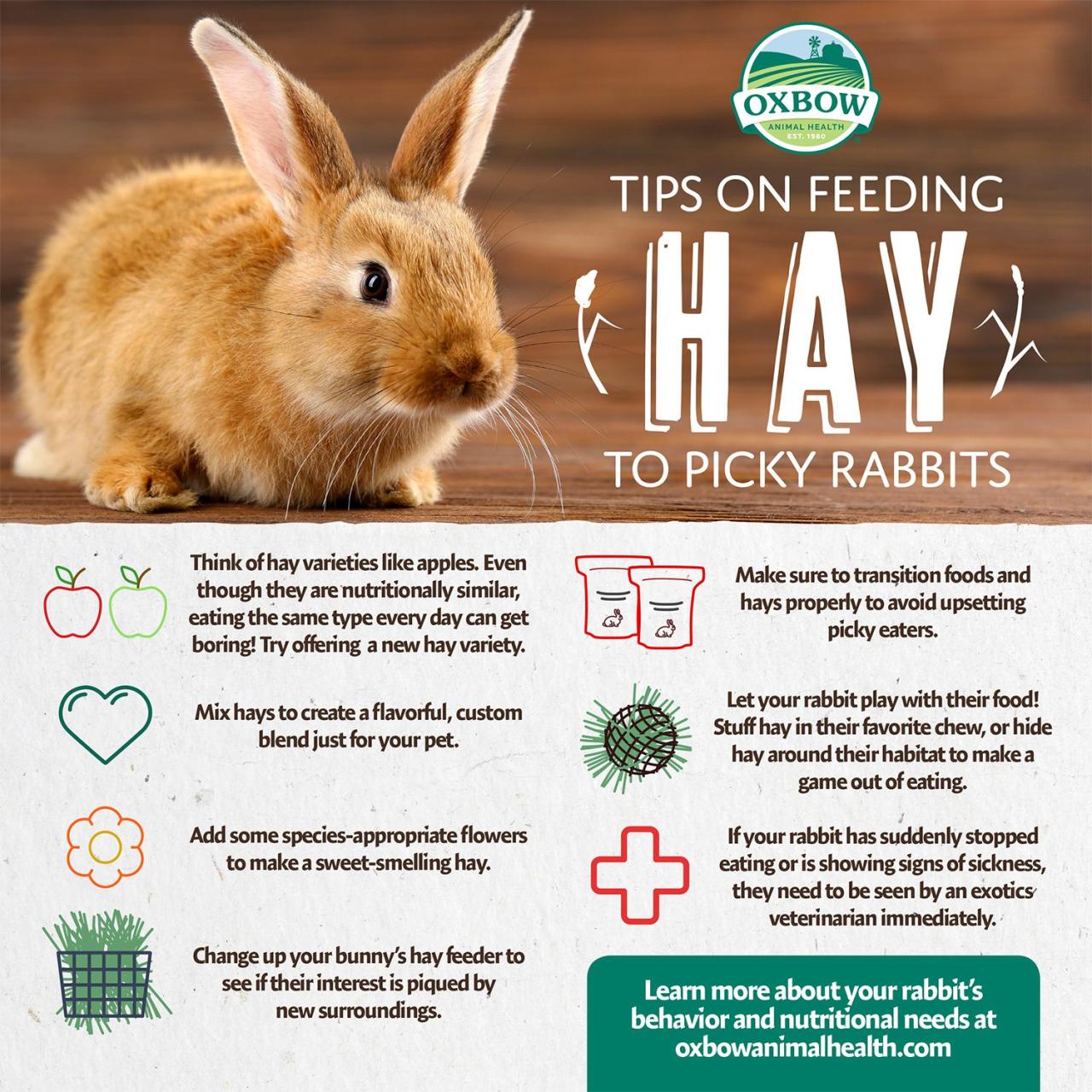
Ensuring your rabbit receives adequate and palatable hay is crucial for their overall health and well-being. Problems with hay consumption can stem from various factors, including the type of hay offered, the feeding method, and even the rabbit’s individual preferences. This section details common issues and provides practical solutions to resolve them effectively.Identifying and addressing hay-related problems promptly is vital for maintaining your rabbit’s health.
By understanding the potential causes and employing appropriate troubleshooting strategies, you can ensure your rabbit consistently receives the necessary nutrition for a happy and healthy life.
Common Hay-Related Problems in Rabbits
Several factors can contribute to rabbits refusing or not adequately consuming their hay. These include changes in hay type, environmental changes, or the presence of other issues that affect appetite. Poor hay quality, unfamiliar smells, or the introduction of new hay without proper transition can also cause rejection.
Diagnosing Hay Consumption Issues
Careful observation is key to diagnosing hay consumption problems. Monitor your rabbit’s eating habits, noting any changes in their intake or preference for certain types of hay. Examine the hay itself for signs of mold, dust, or other contaminants. Consider environmental factors such as temperature and noise levels that may affect the rabbit’s comfort. Inspect for any underlying health issues that could impact appetite.
By systematically considering these factors, you can pinpoint the root cause of the problem.
Troubleshooting Guide for Hay Feeding Issues
| Problem | Possible Cause | Solutions |
|---|---|---|
| Rabbit refusing hay | Change in hay type, poor quality hay, unfamiliar smell, new hay introduced without transition, environmental changes, or underlying health issues. | Offer a familiar hay type first. Ensure the hay is fresh and free of mold or dust. Introduce new hay gradually. Address any environmental stressors or health concerns. Consult a veterinarian if necessary. |
| Rabbit eating only certain types of hay | Preference for specific textures, smells, or tastes; boredom with the same hay; or nutritional imbalances. | Offer a variety of hay types, including different textures and smells. Rotate hay types regularly. Ensure a diverse and balanced diet with hay as the primary component. |
| Rabbit consuming excessive amounts of hay | Underlying health conditions, or potential nutrient deficiency. | Monitor the rabbit’s overall health. Ensure a well-balanced diet beyond hay, providing adequate amounts of fresh vegetables and other essential nutrients. Consult a veterinarian if excessive consumption persists. |
Steps to Take When a Rabbit Refuses to Eat Hay
Begin by ensuring the hay is fresh, clean, and free of mold or dust. Try offering a different type of hay, gradually introducing it to avoid overwhelming the rabbit. Assess the environment for potential stressors. Ensure the hay is stored properly and avoid introducing new elements, such as new toys or furniture, around the same time. Observe the rabbit for any signs of illness or discomfort.
If the refusal persists, consult a veterinarian for a proper diagnosis.
Adjusting Hay Types or Feeding Methods
If a rabbit consistently rejects a particular hay type, try introducing a different variety gradually. Introduce small amounts of the new hay alongside the familiar hay, gradually increasing the proportion of the new hay over time. Experiment with various feeding methods, such as offering hay in different locations or using feeders with different designs to pique the rabbit’s interest.
Adjust the amount of hay based on the rabbit’s age, activity level, and overall health.
Last Recap
In conclusion, providing rabbits with appropriate hay is fundamental to their overall health. This guide has explored the diverse aspects of hay feeding, from the selection of hay types to storage and troubleshooting potential issues. By adhering to the guidelines presented, you can ensure your rabbits receive the crucial nutrition they need to thrive. Proper hay management directly impacts their digestive system, dental health, and overall well-being.