Ensuring the safety and well-being of rabbits during outdoor play requires careful planning and meticulous attention to detail. This comprehensive guide provides a structured approach, covering everything from preparing your rabbit for the transition to creating a secure outdoor environment and implementing appropriate safety measures.
The key aspects of successful outdoor rabbit play encompass gradual introduction, a secure enclosure design, constant monitoring, and preventative measures against potential dangers. Understanding the unique needs of rabbits and the potential hazards of the outdoor environment are crucial to fostering a positive and enriching experience.
Preparing the Rabbit for Outdoor Play
Preparing a rabbit for safe outdoor play is a crucial step to ensure their well-being and enjoyment of the experience. This process requires careful planning, gradual introduction, and meticulous attention to the rabbit’s comfort and safety. A well-prepared rabbit will be more likely to thrive in an outdoor environment.Thorough preparation is paramount to minimizing stress and maximizing the rabbit’s enjoyment of outdoor adventures.
This involves understanding their natural behaviors, recognizing signs of stress, and providing a safe and stimulating environment. Proper preparation can greatly enhance the rabbit’s experience and ensure their safety.
Gradual Introduction and Acclimatization
Rabbits require a gradual introduction to outdoor environments to prevent overwhelming stress. This involves starting with short, supervised sessions in a secure enclosure. Over time, the duration and complexity of these sessions can be increased. This approach allows the rabbit to acclimate to the new surroundings at its own pace.
Identifying Stress and Fear
Recognizing signs of stress or fear in rabbits is critical during this transition. These signs can include trembling, hiding, loss of appetite, rapid breathing, or changes in vocalization. Prompt identification and appropriate responses to these signs are crucial to ensure the rabbit’s comfort. Observe the rabbit closely for any changes in behavior that might indicate discomfort or anxiety.
Essential Supplies for an Outdoor Play Area
Providing a suitable outdoor environment for a rabbit requires careful selection of supplies. The outdoor play area should be secure, enclosed, and equipped with appropriate materials.
- Enclosure Types: Various enclosure types are available, each with its own advantages and disadvantages. Examples include wire cages, wooden hutches, and custom-built structures. The ideal choice depends on the rabbit’s size, the space available, and the desired level of security.
- Materials: Ensure all materials used for the enclosure are rabbit-safe. Avoid materials that could be harmful or irritating to the rabbit’s skin or digestive system. Examples include non-toxic paints, sturdy wood, and rust-resistant wire. Properly secured hardware cloth or wire mesh should be used to prevent escapes.
- Shelter and Bedding: A safe, sheltered area within the enclosure is essential for the rabbit to feel secure and comfortable. This could include a small, enclosed hutch or a well-ventilated area within the enclosure. Soft bedding, such as hay or fleece blankets, should be provided to encourage resting and provide warmth.
- Food and Water: A secure food and water dispenser, specifically designed for outdoor use, should be provided. These dispensers are designed to prevent spills and contamination. Ensure food and water sources are protected from the elements and potential predators.
- Toys and Enrichment: Incorporating toys and enrichment items will keep the rabbit engaged and stimulated. Examples include chew toys, tunnels, and interactive foraging opportunities.
Comparison of Outdoor Enclosures
Different enclosure types offer varying levels of security and convenience. Careful consideration should be given to the rabbit’s size and temperament when choosing an enclosure.
| Enclosure Type | Pros | Cons |
|---|---|---|
| Wire Cages | Easy to clean, relatively affordable | Can be less secure, less aesthetically pleasing |
| Wooden Hutches | More visually appealing, can provide better shelter | Can be more difficult to clean, may require more maintenance |
| Custom-built Structures | Highly customizable, can be tailored to specific needs | More expensive, may require more expertise to build correctly |
Gradual Exposure to Outdoor Environments and Stimuli
Introducing a rabbit to different outdoor environments and stimuli should be gradual and controlled. Start with a familiar, enclosed space and gradually expand the rabbit’s exposure. Introduce new stimuli, such as sounds and sights, slowly to allow the rabbit to acclimate.
Introducing a Rabbit to a New Outdoor Space
Introducing a rabbit to a new outdoor space should be done carefully and safely. The procedure should include the following steps:
- Supervision: Ensure constant supervision during the initial introduction. Observe the rabbit’s behavior closely and provide support if needed.
- Controlled Environment: Start in a safe, enclosed area with familiar elements. Gradually introduce the rabbit to the wider outdoor space.
- Safety Precautions: Protect the rabbit from potential hazards, such as predators, poisonous plants, and extreme weather conditions. Provide a secure enclosure to keep the rabbit contained.
- Positive Reinforcement: Reward the rabbit for calm and appropriate behaviors with treats and praise. This will help to associate the outdoor environment with positive experiences.
Creating a Safe Outdoor Environment

Providing a safe and enriching outdoor environment for rabbits requires careful planning and consideration. A well-designed outdoor area allows rabbits to explore, exercise, and experience the outdoors while minimizing potential dangers. This section details crucial aspects of constructing a secure space, including fencing, vegetation, shade, and hazard mitigation.
Secure Outdoor Play Area Design
A robust enclosure is paramount to rabbit safety. The fencing should be tall enough to prevent escapes and constructed of materials that are rabbit-resistant and non-toxic. Solid, smooth wire or plastic mesh are suitable options, ensuring there are no gaps or openings that a rabbit could squeeze through. The fencing should be buried several inches into the ground to deter digging and prevent burrowing underneath.
Consider incorporating sturdy, heavy-duty posts to support the fencing, especially in areas with strong winds. Predator deterrents such as motion-activated sprinklers or strategically placed owl or hawk decoys can help further protect the rabbits from potential threats.
Rabbit-Safe Plants and Vegetation
Careful selection of plants is essential for rabbit-safe outdoor environments. Many common garden plants are toxic to rabbits, causing various health problems or even death. Thoroughly research the toxicity of plants before introducing them into the enclosure. A list of common toxic plants should be readily available for reference. For instance, lilies, azaleas, rhododendrons, and certain types of mushrooms are all toxic to rabbits.
Instead, select plants that are safe for rabbits to browse and enjoy, such as clover, dandelion greens, and certain types of grasses.
Shade and Shelter Considerations
Rabbits need shade and shelter from the sun and extreme weather conditions. Provide a covered area or a designated shady spot within the enclosure to allow rabbits to retreat from direct sunlight. This is crucial for maintaining their comfort and well-being, especially during hot weather. A simple shelter made of sturdy, rabbit-safe materials, such as a wooden or plastic hut, can offer a safe haven from harsh weather and predators.
Hazard Identification and Mitigation
Regular inspection of the outdoor enclosure is crucial to identify potential hazards. Sharp objects, broken glass, or other foreign debris should be promptly removed. Also, ensure that there are no areas where rabbits could get trapped or injured. This proactive approach minimizes the risk of accidents and injuries.
Common Hazards and Mitigation Strategies
- Sharp Objects: Remove any broken glass, metal shards, or other sharp objects from the enclosure. Inspect the ground and fencing regularly for these hazards. This prevents potential cuts and injuries.
- Toxic Plants: Regularly identify and remove any potentially toxic plants. Consult a veterinarian or a rabbit care expert for a list of plants that are harmful to rabbits. Thorough research before introducing any plants is essential.
- Predators: Employ predator deterrents, such as motion-activated sprinklers, or strategically placed owl or hawk decoys. Ensure the fencing is adequately high and secure, buried at least several inches below ground.
- Poor Drainage: Ensure the enclosure has proper drainage to prevent standing water. Standing water can lead to illness and fungal infections.
- Insufficient Shelter: Provide adequate shelter from the sun and weather. A shaded area or a rabbit hut will help them stay comfortable.
Creating a Rabbit-Safe Water Source
A reliable and clean water source is critical for rabbits’ health. A shallow, heavy-duty ceramic or plastic dish is ideal. The dish should be heavy enough to prevent tipping and large enough to accommodate the rabbit’s drinking needs. Avoid using metal bowls, as they can rust or retain heat, affecting water quality. Regularly clean the water source to maintain hygiene.
Also, consider a water bottle system if the rabbit tends to spill water.
Monitoring and Supervision During Outdoor Play
Ensuring a rabbit’s safety during outdoor play requires constant vigilance. Proper monitoring and proactive measures are essential to mitigate potential risks and ensure a positive and healthy experience. This section details crucial aspects of supervision, including recognizing potential issues, handling emergencies, and preventing common threats.
Importance of Constant Supervision
Rabbits, despite their seemingly robust nature, are vulnerable to various threats in an outdoor environment. Their small size and heightened sensitivity to changes in their surroundings make constant supervision paramount. Sudden movements, unexpected encounters with other animals, or exposure to harsh weather conditions can quickly lead to injury or distress. Consistent observation allows for immediate intervention, preventing potentially serious consequences.
Recognizing Signs of Distress
Rabbits often exhibit subtle signs of distress or illness. Rapidly recognizing these indicators is critical for prompt intervention. Key indicators include lethargy, changes in breathing patterns (rapid or shallow), loss of appetite, unusual vocalizations, or any visible injuries. Heat stroke, a serious condition, manifests through excessive panting, drooling, and a high body temperature. Similarly, dehydration can be recognized by sunken eyes and a lack of elasticity in the skin.
Procedure for Addressing Injuries or Illnesses
If a rabbit exhibits signs of distress or injury, immediate action is necessary. Isolate the rabbit in a safe, quiet area. Observe the symptoms and note any details, such as the time of onset, the nature of the injury, or the specific signs of illness. Contact a veterinarian promptly. In the meantime, provide a cool, shaded area and ensure access to fresh water.
Avoid handling the rabbit unnecessarily, as any sudden movements can exacerbate the situation. Always prioritize the rabbit’s well-being and seek professional veterinary care when needed.
Addressing Potential Threats
Potential threats in an outdoor environment for rabbits include predatory animals like dogs and cats. Keeping a safe distance from these animals is crucial. If a dog or cat approaches, calmly and firmly deter the animal without provoking a confrontation. Similarly, ensuring the outdoor space is free from other potential threats, such as toxic plants or harmful substances, is critical.
If other rabbits or wildlife are present, consider their interactions and potential conflicts.
Handling Potential Escape Situations
Rabbits are naturally inclined to explore and may attempt to escape their outdoor enclosure. Implementing secure fencing is essential to prevent this. Ensure the fencing is high enough to prevent jumping and robust enough to withstand digging attempts. Regularly check for any damage or gaps in the fencing and promptly repair them. A secure enclosure minimizes the risk of accidental escape or encounters with predators.
Methods of Rabbit Supervision During Outdoor Play
| Method | Pros | Cons | Considerations |
|---|---|---|---|
| Constant Visual Supervision | High Safety; Immediate response to issues | Limited Area Coverage; Requires continuous attention; Potential for fatigue | Ideal for smaller outdoor spaces; Best for short periods |
| Enclosed Outdoor Run | High Safety; Freedom of exploration within a controlled environment | Limited Exploration; Potential for boredom if space is too small; Requires secure fencing | Provides a balance between safety and freedom; Suitable for larger rabbits |
| Outdoor Play Area with Monitoring System | High Safety; Remote monitoring; Allows for continuous observation | Cost of equipment; Requires technical proficiency | Advanced monitoring methods can enhance safety; Useful for larger spaces |
Safety Precautions and First Aid
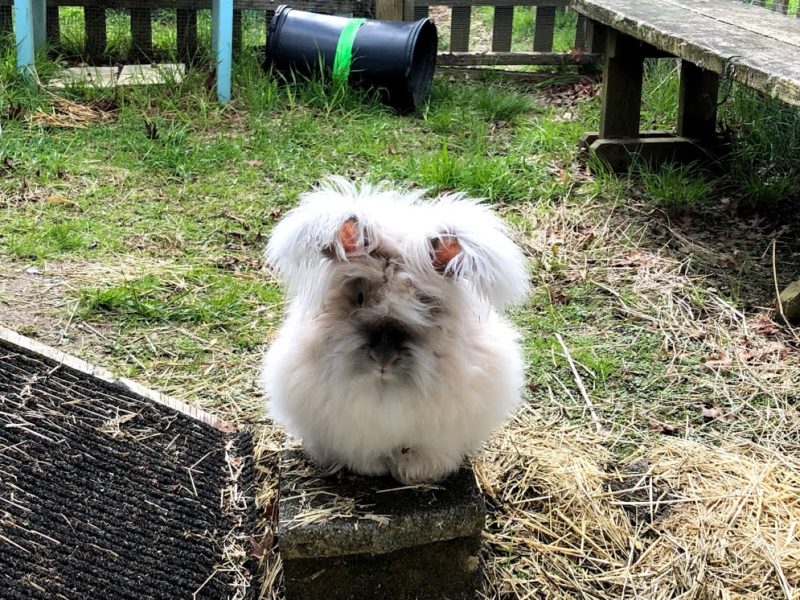
Ensuring the well-being of your rabbit during outdoor play requires careful consideration of potential hazards and proactive measures to mitigate risks. This section details essential safety precautions and Artikels a comprehensive first aid guide for common rabbit ailments. Proper preparation and swift action can significantly reduce the likelihood of complications.
Protective Gear for Outdoor Play
Rabbits, being delicate creatures, require protection from the elements and potential dangers when venturing outdoors. Providing appropriate protective gear is crucial for their safety. This may include a well-ventilated, weather-resistant enclosure or harness, ideally one designed specifically for small animals. Consider the type of environment in which your rabbit will be playing; a rabbit enclosure with mesh sides and a roof offers protection from harsh weather and predators.
A harness, if used, should be lightweight, comfortable, and properly fitted to prevent injury or discomfort. Ensure the rabbit can easily escape the harness if needed.
Preventing Overheating and Chilling
Outdoor temperatures can fluctuate significantly, posing risks of overheating or chilling for rabbits. Monitoring the temperature and adjusting your rabbit’s outdoor time accordingly is essential. Rabbits are particularly susceptible to heatstroke in warm weather, so avoid leaving them in direct sunlight for extended periods. Similarly, rabbits can experience hypothermia in cold weather. Provide ample shade, and consider bringing them indoors if temperatures drop below safe levels for rabbits.
The ideal temperature range for outdoor rabbit play is typically between 60-75°F (15-24°C).
Shade and Extreme Weather Protection
Providing adequate shade is paramount in protecting rabbits from the sun’s intense rays. Utilize trees, shrubs, or portable shade structures to create shaded areas where rabbits can seek refuge. During periods of heavy rain or extreme weather conditions, ensure the outdoor area is protected or bring your rabbit indoors to prevent exposure to potential hazards. This will help maintain a stable environment for your rabbit.
Consider providing a sheltered area with a waterproof cover to provide protection from inclement weather.
First Aid Guide for Common Rabbit Injuries
Accidents can happen during outdoor play, so having a basic understanding of first aid for rabbits is crucial. First aid should be immediate, gentle, and calm to avoid exacerbating the issue. If a rabbit is injured, immediately seek veterinary assistance. However, initial care can often help stabilize the animal until professional help arrives. A clean, soft cloth can be used to apply pressure to wounds, and a bandage can be used to contain bleeding if necessary.
Common Rabbit Health Issues and Treatment
| Issue | Symptoms | Treatment | Prevention ||—|—|—|—|| Heatstroke | Rapid breathing, excessive panting, lethargy, weak pulse, red gums, elevated body temperature | Immediately move the rabbit to a cool, shaded area. Provide cool water and a cool compress. Consult a veterinarian immediately. | Avoid exposing the rabbit to direct sunlight during peak heat hours. Provide plenty of shade and water.
|| Hypothermia | Shivering, lethargy, weakness, slow heart rate, bluish-gray gums, low body temperature | Gently warm the rabbit in a warm environment. Provide warm water (not hot). Monitor the animal carefully and contact a veterinarian. | Provide adequate insulation and shelter in cold weather. Avoid leaving rabbits outdoors for extended periods in freezing temperatures.
|| Eye Injuries | Swelling, redness, discharge, squinting, pawing at the eye | Gently flush the eye with a sterile saline solution. Contact a veterinarian immediately for proper treatment. | Ensure a safe environment to avoid injuries from branches, rocks, or other objects. || Cuts/Abrasions | Bleeding, open wounds | Apply gentle pressure with a clean cloth to stop bleeding.
Clean the wound with a saline solution and apply a bandage. Consult a veterinarian. | Ensure a safe outdoor environment to avoid cuts and abrasions. Keep potential hazards away from your rabbit’s play area. || Gastrointestinal upset | Loss of appetite, lethargy, diarrhea, vomiting | Contact a veterinarian immediately.
| Ensure access to fresh, clean water and feed only high-quality rabbit food. Avoid introducing new foods suddenly. |
Dietary Considerations for Outdoor Play
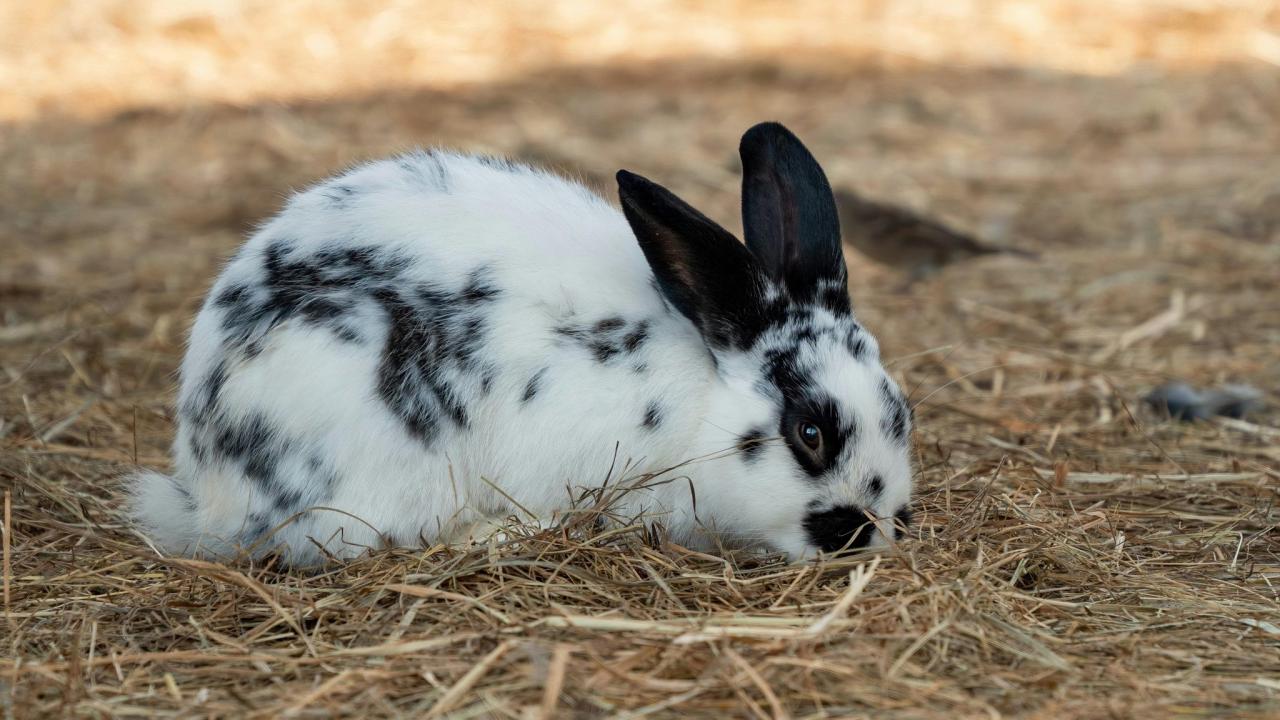
Ensuring your rabbit receives appropriate nutrition during outdoor play is crucial for their health and well-being. A slight adjustment to their indoor diet can help them thrive in the outdoor environment, particularly concerning hydration and nutrient intake. This section will cover essential dietary considerations, including appropriate food choices, providing fresh water, and preventing potential hazards.
Adjusting the Diet for Outdoor Activity
Outdoor play can increase a rabbit’s energy expenditure. Therefore, a slight increase in their daily food intake might be necessary. However, it’s important to monitor their weight and adjust portions accordingly to prevent overfeeding. Rabbits are prone to digestive issues, so gradual adjustments are vital. Also, consider the increased opportunity for water loss due to the heat and activity.
Comparison of Rabbit-Safe Foods for Outdoor Consumption
Providing a variety of safe, rabbit-friendly foods is important for a balanced diet. Fresh greens, like dandelion greens and clover, offer valuable vitamins and minerals. Hay, such as Timothy hay, remains a crucial component for dental health and digestion. Vegetables like carrots, leafy greens, and bell peppers can be added in moderation. Fruits like berries and melon, in small quantities, can be treats.
It’s important to avoid foods that are toxic to rabbits, like chocolate, onions, and avocado.
Providing Fresh Food and Water Sources
Outdoor food and water must be easily accessible and protected from contaminants. Use durable, rabbit-proof containers to prevent spills and contamination. For water, a shallow dish with a lip or a sipper bottle can be ideal. Consider the temperature and humidity, as these factors can affect water consumption and evaporation.
Preventing Food Spoilage and Pest Attraction
Outdoor food can spoil quickly. Fresh greens should be washed thoroughly before use, and food should be stored in clean, covered containers to prevent spoilage. Inspect food regularly for signs of mold or decay. To prevent pest attraction, choose containers with tight-fitting lids and keep food in shaded areas. Removing any spilled food promptly is essential.
Potential Food Hazards in Outdoor Settings
Rabbits may encounter toxic plants in outdoor environments. Common weeds or plants can be harmful to rabbits. Some weeds contain toxins that can lead to serious health problems. It is essential to be aware of common toxic plants in your area and to ensure your rabbit’s environment is free of them. It’s also important to monitor for any changes in appetite, behaviour, or digestive issues after outdoor play to detect potential problems early.
This vigilance is key to ensuring the safety and well-being of your rabbit during outdoor exploration.
Final Thoughts
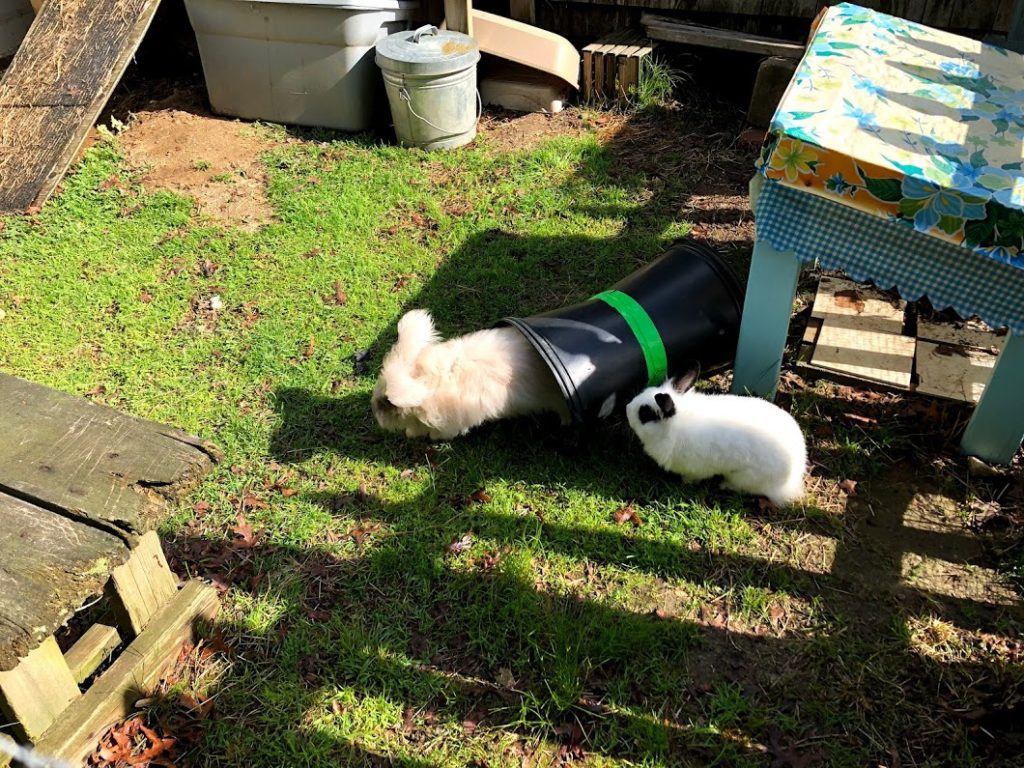
In conclusion, safe outdoor play for rabbits is a multifaceted endeavor requiring careful preparation, a secure environment, vigilant supervision, and a proactive approach to potential hazards. By following the steps Artikeld in this guide, you can create a positive and enriching experience for your rabbit, allowing them to enjoy the fresh air and sunshine while maintaining their safety and well-being.
Remember that a gradual introduction and consistent monitoring are essential components of a successful outdoor play experience.