Welcoming a new rabbit into your home is an exciting experience, but a smooth introduction requires careful planning and execution. This comprehensive guide provides a detailed roadmap for introducing your new furry friend to the existing environment, minimizing stress and maximizing bonding. From preparation to post-introduction care, we cover all aspects of a successful transition.
This guide emphasizes the importance of creating a safe and enriching space for your new rabbit, while also addressing potential challenges such as introducing a new rabbit to a multi-rabbit household. We’ll explore crucial steps, from initial preparation and introduction methods to post-introduction care and enrichment strategies. A key component is understanding the importance of proper nutrition and preventative health measures.
Initial Preparation
Introducing a new rabbit to your home requires careful planning and preparation to ensure a smooth and positive transition for both you and your new companion. This phase focuses on creating a safe and comfortable environment for the rabbit, both during quarantine and beyond. Proper preparation minimizes stress and maximizes the likelihood of a successful integration.
Essential Supplies
A well-stocked supply list is crucial for providing a rabbit with a healthy and enriching environment. Careful consideration of materials and quantities is vital. The specific needs may vary based on the rabbit’s age, breed, and any existing medical conditions. Here’s a comprehensive overview of necessary items.
- Housing: A spacious hutch or cage is essential. Rabbits require ample room to move around, explore, and engage in natural behaviours. Options range from standard wire cages to more elaborate hutches with solid floors. Consider the rabbit’s size and temperament when choosing the appropriate housing style.
- Bedding: Soft, absorbent bedding, such as paper-based bedding, is necessary for the rabbit’s comfort. Avoid cedar or pine shavings, as these can be harmful to respiratory systems. Hay is another excellent bedding choice, providing both comfort and enrichment.
- Food and Water: High-quality rabbit pellets, fresh vegetables, and unlimited access to clean water are fundamental. Introduce new foods gradually to prevent digestive upset. Ensure water bottles or bowls are properly secured to prevent tipping.
- Hygiene Items: A litter box, a grooming brush, and cleaning supplies (e.g., disinfectants, cleaning cloths) are important for maintaining a healthy and hygienic environment. Litter boxes should be placed in a designated area of the hutch or cage.
- Enrichment Items: Chew toys, tunnels, and other enrichment items are crucial for keeping the rabbit mentally and physically stimulated. These items should be safe for the rabbit to interact with and chew on.
Housing Options
Several housing options are available, each with its own set of advantages and disadvantages. The best choice depends on the rabbit’s needs and the available space.
- Cages: Wire cages offer good ventilation but may not provide as much comfort or privacy. They are often more affordable and readily available. Ensure the wire spacing is small enough to prevent escapes.
- Hutches: Hutches provide more space and privacy. They often have solid floors and more elaborate designs. Proper ventilation and appropriate bedding are crucial in hutches to maintain a healthy environment.
- Indoor Pens: Indoor pens offer flexibility and can be customized to fit the rabbit’s needs. They are excellent for rabbits that need more space and interaction with the household. Secure them well to prevent escapes.
Quarantine Procedure
A quarantine period is essential for protecting existing pets from potential diseases and for ensuring the new rabbit is healthy.
- Isolation Space: Create a separate, clean, and safe space for the new rabbit. This should be well-ventilated and have all the necessary supplies for a healthy environment.
- Monitoring: Closely monitor the new rabbit’s health during the quarantine period. Look for any signs of illness or stress, such as lethargy, loss of appetite, or unusual behaviour. Consult with a veterinarian if you have concerns.
- Introduction to Existing Environment: Gradually introduce the new rabbit to the existing environment after a period of quarantine. This allows both rabbits to adapt to each other’s presence without overwhelming either one.
Preparing the Existing Environment
Preparing the existing environment for the new rabbit’s arrival is crucial for a smooth introduction.
- Cleanliness: Thoroughly clean and disinfect the existing rabbit’s cage or hutch. Use appropriate disinfectants and ensure complete drying to avoid potential bacterial growth.
- Familiarization: Introduce the scent of the new rabbit to the existing environment before introducing the animal. This can help reduce stress during the introduction.
Essential Supplies Table
| Item | Description | Quantity | Cost (Estimated) |
|---|---|---|---|
| Hutch/Cage | Spacious housing | 1 | $50-$200 |
| Bedding (e.g., paper-based) | Soft bedding material | Large bag | $10-$20 |
| Rabbit Pellets | High-quality food | 1 bag (5-10kg) | $15-$30 |
| Fresh Vegetables | Daily dietary supplement | Various | Variable |
| Water Bottle/Bowl | Clean water source | 1 | $5-$15 |
| Litter Box | Hygiene maintenance | 1 | $5-$10 |
| Grooming Brush | For hygiene and care | 1 | $5-$15 |
| Cleaning Supplies | Disinfectants, cloths | As needed | Variable |
| Chew Toys | Enrichment | Multiple | $10-$50 |
Introduction Process

Introducing a new rabbit to an existing household requires careful planning and execution to minimize stress and maximize the chances of a harmonious coexistence. A gradual introduction process, carefully managed, is crucial for the well-being of all rabbits involved. This section details the safest and most effective methods, emphasizing the importance of monitoring and addressing any signs of stress or aggression promptly.Successful introductions rely on understanding rabbit behavior and providing a supportive environment.
Rabbits are prey animals, and sudden changes or perceived threats can trigger fear and defensive behaviors. Careful observation and a phased approach are vital to ensure a positive outcome for all rabbits.
Safe Introduction Methods
A gradual introduction, avoiding direct contact initially, is key to minimizing stress. Various methods can be employed, each with its advantages and disadvantages. Understanding the differences will help you select the best approach for your situation.
- Separate Rooms: Initially keeping the new rabbit in a separate room allows them to become accustomed to their new environment without the immediate pressure of encountering another rabbit. This reduces anxiety and allows for the new rabbit to settle into their surroundings before meeting the resident rabbit(s). This method provides a safe space for the new rabbit to explore and reduce stress.
- Supervised Visits: This method involves introducing the rabbits through a barrier, such as a temporary partition or a secure barrier, allowing them to gradually acclimate to each other’s presence. Close supervision is critical during these interactions, as subtle cues from the rabbits can indicate comfort or distress.
- Direct Introduction: This method involves introducing the rabbits directly, but is generally recommended only for rabbits that have been carefully introduced through previous methods. Careful monitoring is essential to detect and respond to any signs of aggression or stress. This approach can be suitable if both rabbits display relaxed behaviors when first encountering each other.
Monitoring Interactions
Closely observing the rabbits’ body language and behavior is essential throughout the introduction process. Signs of stress or aggression can be subtle and missed if not actively monitored.
- Signs of Stress: Rabbits may exhibit flattened ears, tucked tails, rapid breathing, trembling, or attempts to hide. These are all clear indicators of distress and require immediate intervention to prevent escalation.
- Signs of Aggression: Aggressive behaviors include growling, hissing, biting, and charging. If aggression is observed, the rabbits should be separated immediately to prevent injury. The introduction process should be paused or altered based on the rabbits’ reactions.
Step-by-Step Introduction Procedure (Multi-Rabbit Household)
This procedure Artikels a step-by-step approach for introducing a new rabbit to a multi-rabbit household, focusing on minimizing stress and maximizing compatibility.
- Quarantine: Isolate the new rabbit in a separate room with its own food, water, and litter box. This allows the new rabbit to acclimate to its surroundings and prevents the spread of potential illnesses.
- Scent Exchange: Introduce the scents of the resident rabbits to the new rabbit by placing bedding, toys, or other items from the existing rabbit’s enclosure in the new rabbit’s area. Conversely, place items from the new rabbit’s enclosure in the resident rabbit’s enclosure.
- Supervised Visits: Introduce the rabbits through a barrier allowing them to view and smell each other. Observe for signs of stress or aggression and separate the rabbits if necessary.
- Gradual Interaction: Increase the time the rabbits spend together under supervision, ensuring the interactions are positive. Gradually reduce the barrier until the rabbits can interact freely without exhibiting stress.
- Constant Monitoring: Continue to monitor the rabbits closely for signs of stress or aggression. Provide positive reinforcement for calm and friendly interactions. If issues arise, separate the rabbits and re-evaluate the introduction process.
Comparison of Introduction Methods
| Method | Advantages | Disadvantages |
|---|---|---|
| Separate Rooms | Reduces initial stress, allows acclimation | Can take longer to achieve interaction |
| Supervised Visits | Gradual introduction, allows for monitoring | Requires constant supervision |
| Direct Introduction | Potentially faster | Higher risk of aggression or stress if not done carefully |
Timeline for Introduction
| Day | Activity | Observation | Notes |
|---|---|---|---|
| 1-3 | Quarantine, Scent Exchange | Observe new rabbit’s behavior | Monitor for signs of stress, provide a quiet space |
| 4-7 | Supervised Visits (short periods) | Observe for stress or aggression | Gradually increase interaction time |
| 8-14 | Supervised Visits (longer periods) | Assess comfort levels, body language | Reduce barrier if appropriate |
| 15+ | Direct Interaction | Monitor for stress, aggression, or signs of acceptance | Continue monitoring, provide positive reinforcement |
Post-Introduction Care
Following the introduction process, attentive care is paramount to ensuring both rabbits acclimate successfully and thrive in their new environment. This period requires patience, observation, and a proactive approach to address potential challenges. Early intervention and understanding of rabbit behavior are crucial for a smooth transition.
Establishing a Routine
A consistent routine helps rabbits feel secure and predictable. This includes feeding times, playtime, and rest periods. A stable schedule reduces stress and promotes a sense of calm. Gradually introduce the routine, allowing the rabbit to adapt to the new environment and schedule at its own pace. Avoid abrupt changes in routine to minimize stress.
Monitoring Health and Behavior
Regular observation of the rabbit’s health and behavior is vital. Pay close attention to eating habits, drinking habits, urination and defecation patterns, energy levels, and overall activity. Changes in these patterns can indicate underlying issues. Note any unusual signs like lethargy, loss of appetite, or changes in stool consistency. Early detection is key to addressing any potential problems quickly.
Addressing Potential Issues
Problems can arise after introduction, including aggression, territorial disputes, or stress-related illnesses. It is important to be vigilant and address any concerns promptly. Maintaining a calm demeanor during interactions is essential to avoid escalating the situation. If problems persist, seeking advice from a veterinarian is recommended.
Identifying and Addressing Aggression or Territorial Disputes
Aggression or territorial disputes can manifest as growling, biting, or chasing. These behaviors require immediate attention. Ensure adequate space and resources for each rabbit. Introducing enrichment activities, such as puzzle feeders or climbing structures, can help redirect energy and reduce stress. If aggression persists, separate the rabbits temporarily to allow them to calm down and reassess the situation.
Potential Problems and Solutions
| Problem | Symptoms | Possible Cause | Solution |
|---|---|---|---|
| Loss of Appetite | Rabbit shows little or no interest in food. | Stress, illness, or discomfort. | Offer familiar foods, monitor for any physical signs of illness. Consult a veterinarian if the problem persists. |
| Increased Aggression | Rabbit displays growling, biting, or chasing behaviors. | Territorial disputes, lack of resources, or stress. | Increase space for both rabbits, provide more enrichment items, separate temporarily if necessary, and consult a veterinarian if the aggression is severe. |
| Changes in Stool Consistency | Loose, watery stools or hard, dry pellets. | Dietary changes, illness, or stress. | Maintain consistent feeding schedule, offer fresh water, and consult a veterinarian if the changes persist. |
| Lethargy | Rabbit appears inactive and sluggish. | Illness, stress, or underlying health issues. | Monitor closely for any other symptoms, offer familiar foods, and consult a veterinarian if the lethargy persists. |
| Excessive Grooming/Scratching | Rabbit excessively grooming or scratching a particular area. | Parasites, skin irritation, or anxiety. | Check for visible signs of parasites, offer a soothing bath if skin irritation is present, and consult a veterinarian for further assistance. |
Enrichment and Bonding
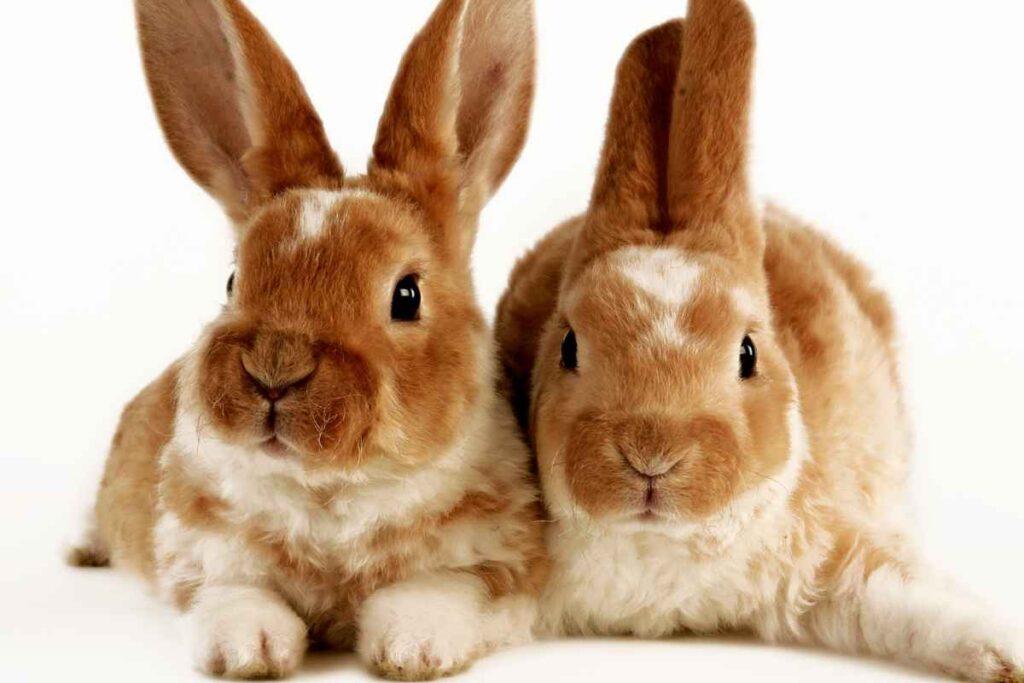
Creating a stimulating environment and fostering positive interactions are crucial for the well-being and happiness of both rabbits during the introduction process. A properly enriched environment can alleviate stress and encourage bonding, leading to a more harmonious coexistence. This section will detail strategies to create a stimulating environment, introduce appropriate activities, and emphasize the importance of positive reinforcement.Successful introductions are often characterized by a gradual process of interaction, enabling both rabbits to adapt to each other’s presence.
A well-structured environment plays a significant role in this process. Providing engaging activities and toys encourages natural exploration and interaction, fostering positive associations between the rabbits.
Strategies for Creating a Stimulating Environment
Enrichment goes beyond providing food and water. It encompasses a wide range of activities and resources that promote physical and mental well-being, encouraging natural behaviors and reducing stress. A stimulating environment caters to their inherent needs for exploration, foraging, and social interaction.
Examples of Activities and Toys
Providing a variety of toys and activities can significantly enhance the bonding process. These activities stimulate natural behaviors and encourage interaction, leading to positive associations. Suitable toys include:
- Chew Toys: Hardwood branches, safe chew toys, and cardboard tubes offer safe and engaging chewing opportunities. This satisfies their natural desire to gnaw and prevents destructive behaviors.
- Tunnels and Mazes: These structures encourage exploration, play, and hide-and-seek, stimulating their natural curiosity. Tunnels can provide safe spaces and areas for exploration.
- Interactive Feeders: These toys require problem-solving and encourage foraging behavior, adding an element of challenge to their daily routine. This can also promote interaction between the rabbits.
- Bedding and Hideaways: Providing soft bedding and numerous hideaways creates a sense of security and allows for individual space and rest.
Importance of Positive Reinforcement
Positive reinforcement plays a critical role in fostering a positive association between the rabbits. Rewarding calm and positive interactions reinforces desired behaviors. This can be achieved by providing treats, praise, or gentle petting.
Benefits of Providing Opportunities for Social Interaction
Opportunities for social interaction, within safe boundaries, promote trust and understanding between the rabbits. Rabbits are social animals and thrive in the company of others. Providing a stimulating environment, in addition to opportunities for interaction, strengthens bonds.
Creating a Safe and Enriching Space
Ensure the environment is free from hazards. Secure the space to prevent escape or injury. Consider the rabbits’ size and temperament when selecting toys and activities. A safe space is crucial for both rabbits to feel comfortable and secure.
Toys and Activities Categorized by Type
- Chew Toys: Hardwood branches, safe chew toys, cardboard tubes.
- Tunnels and Mazes: Cardboard tunnels, PVC pipes, DIY cardboard mazes.
- Interactive Feeders: Puzzle feeders, foraging toys, hay feeders.
- Bedding and Hideaways: Soft bedding (e.g., fleece, hay), cardboard boxes, ceramic hideaways.
Activities to Encourage Bonding
- Shared Feeding: Providing food in a manner that encourages interaction without aggression, like a shared food bowl or puzzle feeder.
- Simultaneous Play: Providing toys that encourage concurrent play, such as tunnels or interactive feeders, can foster interaction.
- Observation and Interaction: Allowing the rabbits to observe each other from a safe distance and providing opportunities for supervised interaction (with gradual introduction) can encourage bonding.
Dietary Considerations
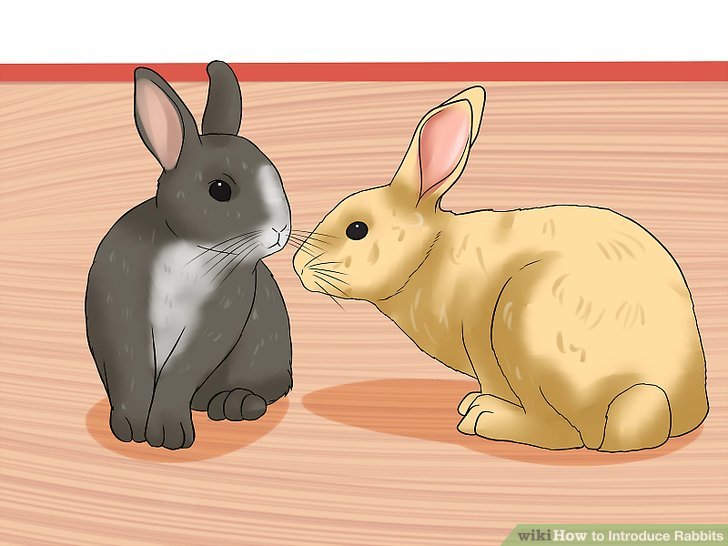
Proper nutrition is paramount for a rabbit’s health and well-being, especially a new rabbit adjusting to a new environment. A balanced diet, tailored to the rabbit’s age and size, is crucial for maintaining optimal digestive function, supporting healthy growth, and preventing potential health problems. Providing appropriate food options and a smooth transition from any previous diet is vital for a seamless integration into the new home.Understanding the diverse needs of a rabbit’s diet, and how to best meet them, will contribute significantly to the rabbit’s overall health and happiness.
A consistent diet, with appropriate portions, is key to preventing digestive upsets, ensuring proper nutrient absorption, and supporting a strong immune system.
Importance of Appropriate Nutrition
A rabbit’s digestive system is highly specialized and sensitive to dietary changes. Inadequate nutrition can lead to various health issues, including digestive problems, dental disease, and nutritional deficiencies. A diet rich in fiber, especially hay, is essential for maintaining healthy digestion and preventing dental problems. Ensuring proper nutrient intake, including vitamins and minerals, is also critical for overall health and development.
Different Rabbit Food Options
Commercial rabbit food pellets are convenient and provide a balanced source of nutrients. However, pellets should not be the sole component of a rabbit’s diet. High-quality hay, such as Timothy hay, is essential for proper dental health and digestion. Fresh vegetables and fruits offer essential vitamins and minerals, but should be offered in moderation.
Transitioning to the Existing Diet
Gradually transitioning a new rabbit to the existing diet is crucial to avoid digestive upset. Introduce new foods slowly, mixing small amounts of the new food with the rabbit’s current diet. Observe the rabbit for any signs of digestive distress, such as diarrhea or lethargy. Adjust the transition period as needed based on the rabbit’s response.
Role of Hay, Vegetables, and Fruits
Hay forms the foundation of a rabbit’s diet, providing essential fiber for healthy digestion and preventing dental issues. Vegetables provide essential vitamins and minerals, but should be offered in moderation. Fruits, while offering some nutrients, should also be limited due to their sugar content. A balanced intake of hay, vegetables, and fruits is key to a healthy diet.
Identifying and Addressing Dietary Issues
Monitoring the rabbit’s droppings and overall behavior can provide valuable clues about potential dietary issues. Changes in stool consistency or frequency, lethargy, or loss of appetite may indicate problems. Consult a veterinarian if any concerns arise regarding the rabbit’s diet or health. Regular veterinary check-ups are important for proactive health management.
Recommended Daily Food Portions
| Age Group | Hay (grams) | Vegetables (grams) | Treats (grams) |
|---|---|---|---|
| Weaned (0-3 months) | 30-50 | 10-20 | 5 (or less) |
| Young (3-6 months) | 50-70 | 20-30 | 10 (or less) |
| Adult (6+ months) | 70-100 | 30-40 | 15 (or less) |
Note: These are approximate values and can vary depending on the rabbit’s individual needs and activity levels. Consult a veterinarian for personalized dietary recommendations. Always supervise feeding to ensure appropriate portion control.
Health and Veterinary Care
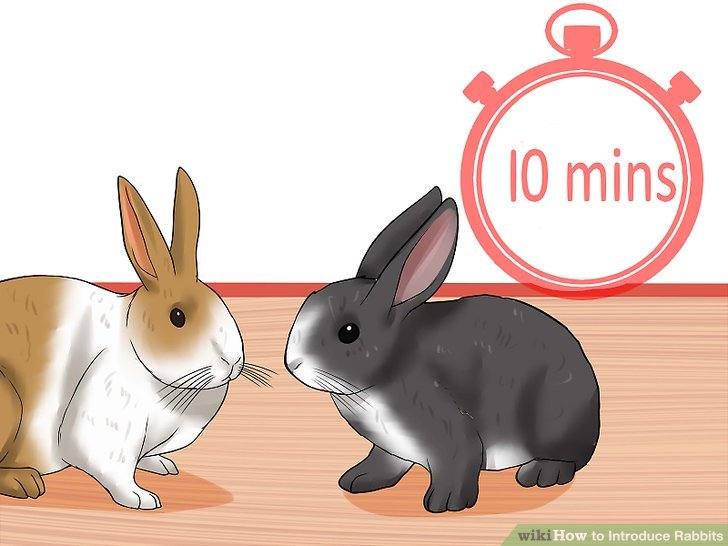
Ensuring the well-being of your rabbit companions extends beyond providing a comfortable environment and a balanced diet. Proactive health management, coupled with prompt veterinary care when needed, is crucial for their long and happy lives. Regular checkups and preventative measures can significantly reduce the risk of illness and help detect potential problems early.A healthy rabbit is a happy rabbit.
By understanding potential health issues and how to recognize them, you can provide the best possible care and support your rabbit’s overall well-being.
Preventative Health Measures
A proactive approach to rabbit health is vital. Implementing preventative measures can significantly reduce the risk of illness and improve their quality of life. These measures include providing a clean and safe environment, ensuring access to fresh water and a balanced diet, and regular grooming to prevent matting and parasites. Consistent monitoring for any changes in behavior or appearance is also essential.
- Maintain a clean and spacious enclosure, free from hazards such as sharp objects or toxic materials.
- Provide a high-quality diet tailored to your rabbit’s specific needs.
- Offer fresh water daily in a clean, accessible container.
- Regularly groom your rabbit to remove any mats or tangles in their fur, and check for signs of fleas or mites.
- Implement a regular schedule for handling and interacting with your rabbit, fostering a positive bond.
- Monitor their behaviour for any unusual changes, such as decreased appetite, lethargy, or changes in urination or defecation patterns.
Importance of Regular Veterinary Checkups
Regular checkups with a veterinarian are crucial for the long-term health of your rabbit. These visits allow for early detection of potential health issues, which can be addressed before they escalate. Veterinarians can provide guidance on preventative care, dietary needs, and identify any underlying health concerns that may be present. This proactive approach to care often translates into a healthier and longer life for your rabbit.
- Veterinary checkups allow for early identification of potential health issues, such as dental problems, ear infections, or respiratory conditions.
- Veterinarians can provide tailored advice on preventative care, vaccinations, and parasite control, specific to your rabbit’s breed, age, and lifestyle.
- Regular checkups enable your veterinarian to monitor your rabbit’s overall health and identify any changes that may indicate an underlying health condition.
Symptoms of Common Rabbit Illnesses
Recognizing the early symptoms of common rabbit illnesses is vital for timely intervention and treatment. Early detection allows for faster treatment and often improves the rabbit’s chances of recovery. Symptoms can vary depending on the specific illness, but some common signs include lethargy, changes in appetite, abnormal droppings, and nasal discharge.
- Lethargy: A noticeable decrease in activity levels, reluctance to move or interact with their environment.
- Changes in Appetite: A significant decrease or increase in food consumption.
- Abnormal Droppings: Changes in the consistency, color, or frequency of droppings can indicate digestive issues.
- Nasal Discharge: Excessive nasal discharge, often accompanied by sneezing, can be a sign of respiratory infections.
- Dental Problems: Difficulty eating, excessive drooling, and changes in facial expressions can indicate dental issues.
- Ear Infections: Head shaking, scratching at the ears, and discharge from the ears are common symptoms.
Importance of Providing Appropriate Veterinary Care
Appropriate veterinary care is essential for the successful treatment of rabbit illnesses. This includes providing your veterinarian with accurate information about your rabbit’s symptoms, medical history, and any recent changes in their behaviour or environment. This comprehensive approach enables the veterinarian to provide the most effective treatment plan.
Resources for Finding Rabbit-Specific Veterinary Care
Finding a veterinarian experienced in rabbit care can be beneficial. Contacting your local rabbit rescue organizations, rabbit-focused breeders, or online rabbit communities can help you find a veterinarian who is well-versed in rabbit care and treatment. These networks often have valuable recommendations for practitioners with expertise in rabbit medicine.
Recognizing and Treating Common Rabbit Health Issues
Prompt and appropriate treatment is crucial for resolving health issues in rabbits. If you notice any unusual symptoms, consult your veterinarian promptly. Your veterinarian can diagnose the issue, recommend the appropriate treatment, and provide guidance on preventative measures.
Table of Common Rabbit Illnesses
| Illness | Symptoms | Treatment |
|---|---|---|
| Dental Disease | Difficulty eating, excessive drooling, changes in facial expressions, weight loss | Veterinary intervention is crucial. Treatment may include tooth extraction or filing. |
| Ear Infections | Head shaking, scratching at the ears, discharge from the ears | Veterinary treatment with antibiotics and ear drops. |
| Respiratory Infections | Sneezing, nasal discharge, lethargy, loss of appetite | Veterinary treatment with antibiotics and supportive care. |
| Gastrointestinal Issues | Diarrhea, changes in droppings, loss of appetite, lethargy | Veterinary assessment and treatment, often including dietary adjustments. |
Ending Remarks
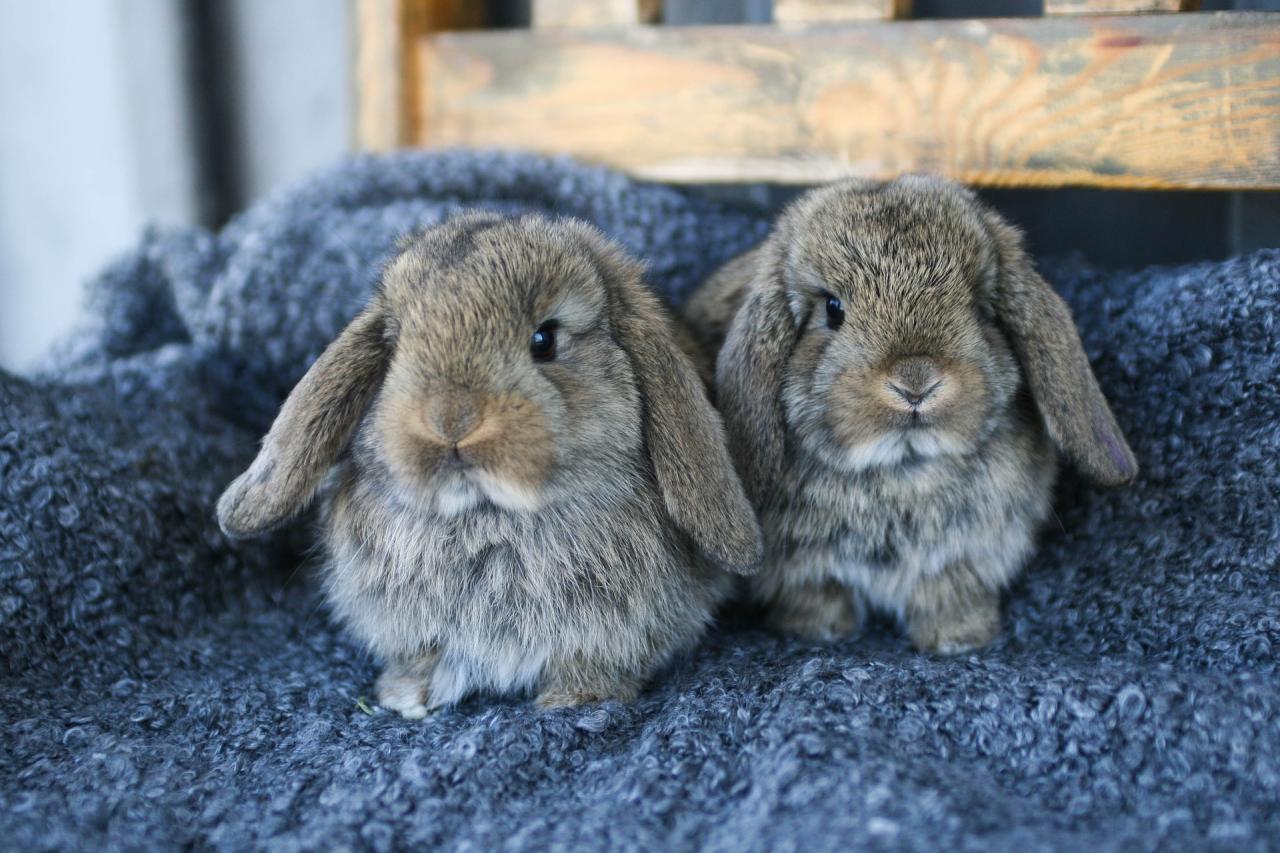
Successfully introducing a new rabbit requires meticulous preparation, a phased introduction process, and ongoing care. This guide has Artikeld the key steps to ensure a harmonious transition, from setting up a suitable environment to fostering bonding and addressing potential issues. By following these recommendations, you can create a positive experience for both your existing and new rabbit companions, leading to a strong and lasting bond.