Rabbits, though often perceived as cuddly companions, can sometimes exhibit shy or fearful behaviors. This guide provides a comprehensive approach to understanding and addressing shyness in rabbits, enabling you to build a strong bond based on trust and mutual respect.
From understanding the underlying causes of shyness to creating a safe environment and employing gradual introduction techniques, this guide offers practical strategies to foster a positive relationship with your shy rabbit. It will cover handling, enrichment, and troubleshooting common challenges.
Understanding Shy Rabbits

Rabbits, despite their charming nature, can exhibit varying degrees of shyness. Recognizing these behaviors and the underlying factors is crucial for establishing a positive and trusting relationship. A shy rabbit, often exhibiting cautious and reserved behaviors, requires a different approach compared to a more outgoing one. Understanding these nuances allows for a more effective and compassionate bonding experience.
Behavioral Characteristics of Shy Rabbits
Shy rabbits frequently display a range of behaviors that signal their apprehension. These behaviors often involve a preference for hiding and avoiding direct interaction. They may exhibit subtle signs of fear, such as trembling or twitching, when approached or handled. Their responses to unfamiliar sounds or movements can also vary greatly from complete stillness to frantic attempts to escape.
Understanding these behavioral cues is vital for creating a safe and supportive environment.
Factors Contributing to Shyness in Rabbits
Several factors can contribute to a rabbit’s shyness. Early life experiences, such as lack of socialization or exposure to stressful situations, can significantly impact a rabbit’s temperament. Poor handling techniques, or a lack of positive reinforcement during handling, can also lead to a rabbit associating human interaction with fear. Environmental factors, such as a cramped or noisy environment, can further exacerbate shyness.
A shy rabbit might also be a result of genetics or pre-existing health issues.
Common Signs of a Shy Rabbit
Identifying the signs of shyness is crucial for appropriate interaction. Rabbits may display avoidance behaviors, such as hiding under furniture or remaining in a secluded area. A shy rabbit might exhibit rapid eye movements or twitching of the nose. Freezing in place, or attempting to flee quickly at the sight or sound of an approaching person, are also common signs.
Their body language, like tucked ears or a flattened posture, can also indicate a fearful state.
Distinguishing Shyness from Fear in Rabbits
While shyness and fear share overlapping characteristics, distinguishing them is important for successful bonding. A shy rabbit generally avoids interaction but may not necessarily exhibit extreme fear responses. Fear, on the other hand, typically involves a more pronounced and immediate reaction to perceived threats. A shy rabbit might be hesitant but still receptive to positive interaction over time, whereas a fearful rabbit may require a more gradual and patient approach.
Understanding this distinction is crucial for providing appropriate support and preventing further anxiety.
Importance of Understanding the Distinctions
The distinction between shyness and fear is vital for successful bonding. A shy rabbit may respond positively to gentle handling and positive reinforcement over time, while a fearful rabbit may need a more gradual and cautious approach. Misinterpreting shyness as fear can lead to unnecessary stress and may hinder the development of a positive relationship. Conversely, a gentle and patient approach to a shy rabbit can encourage trust and familiarity.
Table: Shyness in Rabbits
| Behavior | Possible Cause | Impact on Bonding |
|---|---|---|
| Hiding under furniture | Fear of interaction, lack of familiarity | Requires a gradual approach, offering a safe space for exploration |
| Rapid eye movements, twitching nose | Anxiety, anticipation of potential threat | Avoid sudden movements, maintain a calm demeanor |
| Freezing in place, rapid escape | Strong fear response, perceived danger | Avoid forceful interactions, create a safe space, and gradually introduce yourself |
| Tucked ears, flattened posture | Submissive behavior, fear response | Gentle approach, positive reinforcement, and avoid any aggressive interaction |
Creating a Safe and Enriching Environment
Providing a safe and enriching environment is paramount for a shy rabbit’s well-being and helps them gradually overcome their shyness. A well-designed enclosure that caters to their needs promotes comfort, security, and exploration, fostering a positive association with their surroundings. This, in turn, encourages confidence and reduces their anxiety. A supportive environment is crucial for a shy rabbit to thrive.A safe environment is more than just physical space; it’s a carefully crafted atmosphere that respects their sensitivities.
By understanding their need for quiet and security, and providing appropriate furnishings, owners can create a haven that encourages exploration and bonding. This approach fosters trust and allows the shy rabbit to emerge from their shell at their own pace.
Essential Elements of a Safe Environment
A safe environment for a shy rabbit prioritizes quiet, low-stimulation spaces. This includes minimizing loud noises, sudden movements, and excessive human interaction. A consistent routine and predictable environment are key to reducing anxiety. A secure and well-structured enclosure is fundamental for their psychological well-being.
Creating a Calming Atmosphere
Creating a calming atmosphere in the rabbit’s enclosure involves several key strategies. Using soft lighting, such as dimmable LED lamps, or natural sunlight (filtered if necessary) can significantly contribute to a relaxed ambiance. Avoid bright, flashing lights, as these can be overwhelming. Soft, muted colors on the enclosure walls, such as pastels or earth tones, are more calming than vibrant colors.
Consider using calming scents, such as lavender or chamomile, strategically placed, but ensure they are safe for rabbits. The overall enclosure layout should minimize visual clutter. This includes carefully arranging furnishings to avoid a feeling of being overwhelmed.
Furnishing the Enclosure for Comfort and Exploration
Proper furnishing is crucial for a comfortable and enriching enclosure. The enclosure should provide ample space for the rabbit to move freely, rest, and explore without feeling confined. Include a variety of resting spots, such as a cozy hideaway (a small cardboard box or a well-ventilated plastic tunnel), a soft bed (like a fleece blanket), and a safe space away from direct human interaction.
Providing a variety of textures is also essential, including soft materials like fleece, wood shavings, and hay, alongside sturdy, non-toxic materials for chewing.
Enrichment Items for Shy Rabbits
Enrichment items should be selected with a focus on safety and low stimulation. The goal is to provide opportunities for exploration and interaction without overwhelming the rabbit.
- Hay and Fresh Food: Provide a variety of safe, high-quality hay for chewing and foraging. Fresh vegetables and fruits (in moderation) can also be offered. Ensure all items are rabbit-safe and free from harmful substances.
- Chew Toys: Offer safe and durable chew toys made of wood, cardboard, or ceramic, specifically designed for rabbits. Avoid plastic toys, as these can be a choking hazard.
- Tunnels and Hides: Include tunnels and hideaways made of safe materials to encourage exploration and provide a sense of security. Cardboard tubes and wooden tunnels are suitable choices.
- Litter Box: A dedicated litter box made of a safe, non-toxic material should be included for waste disposal.
- Natural Bedding: Soft, absorbent materials like paper-based bedding are excellent for the rabbit’s comfort. Avoid harsh chemicals or materials.
Enrichment Item Table
| Enrichment Item | Benefit | Safety Considerations |
|---|---|---|
| Hay and Fresh Food | Provides necessary nutrients, promotes chewing, and offers foraging opportunities. | Ensure all items are rabbit-safe and free from harmful substances. |
| Chew Toys | Provides mental stimulation and helps with dental health. | Choose toys made of wood, cardboard, or ceramic. Avoid plastic. |
| Tunnels and Hides | Offers opportunities for exploration and a sense of security. | Ensure materials are safe and non-toxic. |
| Litter Box | Maintains hygiene and a comfortable environment. | Select a safe, non-toxic material for the litter box. |
| Natural Bedding | Provides comfort and absorbs moisture. | Avoid harsh chemicals or materials. |
Gradual Introduction and Bonding Techniques
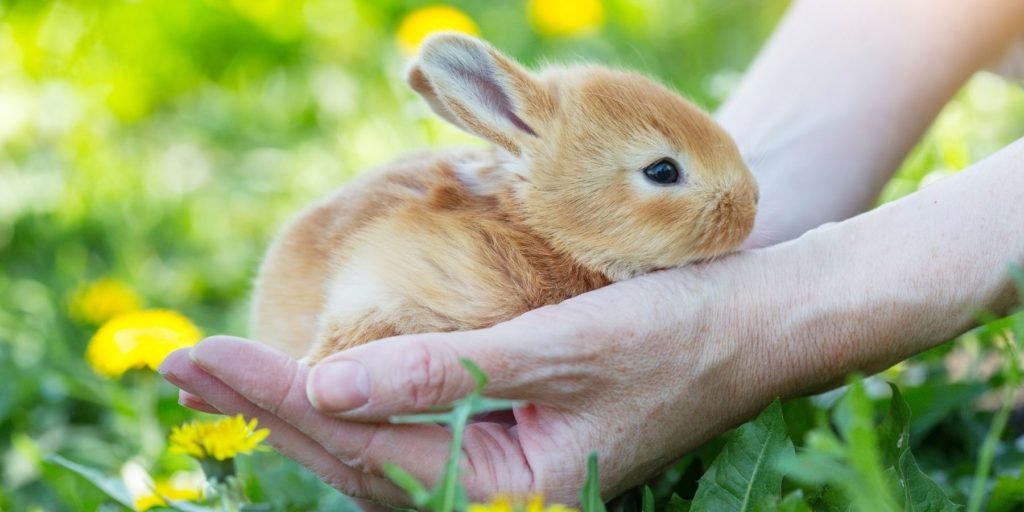
Introducing a shy rabbit to a new environment and fostering a bond requires patience and understanding. A gradual approach, allowing the rabbit to acclimate at its own pace, is crucial for building trust and a positive association with its surroundings. This section Artikels techniques for a smooth transition and emphasizes the importance of positive reinforcement.
Creating a Safe Space
Establishing a secure and comfortable space for the rabbit is paramount. This area should be enclosed, providing a sense of security and freedom from potential threats. The enclosure should be spacious enough for the rabbit to move around comfortably, explore, and exhibit natural behaviors. Consider the rabbit’s natural tendencies and design the environment to mirror their needs.
Gradual Exposure to the Environment
Introduce the rabbit to its new environment gradually, allowing it time to explore and familiarize itself with the surroundings. Avoid overwhelming the rabbit with loud noises or sudden movements. Allow the rabbit to discover new objects and scents at its own pace. Place familiar items, such as its bedding or a favorite toy, in the new enclosure to make the transition smoother.
Positive Reinforcement Techniques
Using positive reinforcement techniques, such as rewarding desired behaviors, is essential for fostering a positive association with humans. This approach encourages trust and a willingness to interact. Avoid punishment or forceful interactions. Positive reinforcement methods are crucial for bonding with shy rabbits.
Using Treats and Rewards
Offering treats and rewards, such as leafy greens, small pieces of fruit (in moderation), or specially formulated rabbit treats, can encourage positive associations with the handler. This creates a positive association between the presence of the handler and positive experiences. Avoid using treats as a primary method for interaction. Instead, use them as a reward for desired behaviors.
A Comparison of Introduction Methods
| Method | Description | Pros/Cons |
|---|---|---|
| Controlled Exposure | Gradually introduce the rabbit to the new environment and people, allowing it to explore at its own pace. | Pros: Low stress, allows the rabbit to set its own pace, builds trust. Cons: Can take longer, requires patience and dedication. |
| Scent-Based Introduction | Introduce the scent of the new environment and people to the rabbit, through objects or clothing. | Pros: Can help reduce stress, helps familiarize the rabbit with new scents. Cons: Not always effective, may not be enough for some shy rabbits. |
| Feeding-Based Introduction | Provide food in a controlled manner to encourage interaction and familiarity. | Pros: Can help establish a positive association, can be less stressful. Cons: May not work for all rabbits, could lead to over-reliance on food. |
Handling and Interaction Techniques

Proper handling is crucial for building trust and a positive relationship with a shy rabbit. A gentle and consistent approach allows the rabbit to feel safe and comfortable, paving the way for a strong bond. Handling should be seen as an opportunity to learn about the rabbit’s comfort zones and reactions, allowing for a tailored approach that minimizes stress.Careful handling techniques not only enhance the rabbit’s well-being but also greatly benefit the bond you create.
By understanding the nuances of handling, you can anticipate and address potential anxieties, fostering a positive interaction experience for both you and your shy companion.
Safe Handling Positions
Understanding the appropriate handling positions is key to minimizing stress for a shy rabbit. These positions provide both you and the rabbit with a sense of security and control, fostering a more positive interaction. Different positions allow for different interactions, depending on the rabbit’s comfort level.
- The Scruff Method: This involves gently grasping the rabbit’s scruff, the area at the base of the neck. Use your index finger and thumb to support the rabbit’s jaw. The rabbit is held close to your body, providing a sense of security. This method should only be used for very brief periods, as holding a rabbit by the scruff for prolonged periods can be stressful and potentially cause discomfort.
Always ensure your grip is firm but gentle. It is essential to never pull or squeeze too hard.
- The Supporting Body Method: Holding the rabbit’s body securely but gently is paramount to its comfort. Use both hands to support the rabbit’s body, ensuring their weight is distributed evenly. The hands should cradle the rabbit, avoiding any pressure points or areas that might cause discomfort. Support the rabbit’s chest and hindquarters, offering stability and security. Carefully lift the rabbit, maintaining the support.
- The Lap Method: This method is best suited for rabbits that are more accustomed to handling. Place the rabbit gently on your lap, supporting their body with one hand while the other hand gently strokes their back. Ensure that the rabbit has ample room to move around without feeling trapped or restricted.
Minimizing Stress and Discomfort
Minimizing stress during handling is crucial for a shy rabbit. It is important to avoid sudden movements, loud noises, or abrupt changes in the environment. A calm and reassuring tone of voice can also contribute significantly to a positive interaction.
- Avoiding Sudden Movements: Movements should be slow and deliberate, giving the rabbit ample time to adjust to the change in position. Sudden movements can be startling and increase anxiety.
- Gentle Touch: Using gentle and soft touch is vital for handling shy rabbits. Avoid rough or harsh handling. Light strokes and soft petting are more likely to be received positively.
- Quiet Environment: A quiet environment helps the rabbit feel more secure and reduces potential stressors. Minimizing external distractions will promote relaxation during handling.
Calming Handling Techniques
Implementing calming techniques during handling is essential to reduce anxiety and promote positive interactions with shy rabbits. A consistent and reassuring approach is critical for building trust and comfort.
- Slow and Steady Approach: Gradually introduce the rabbit to handling, allowing time for adaptation. Start with short handling sessions and gradually increase the duration as the rabbit becomes more comfortable.
- Positive Reinforcement: Reward calm and cooperative behavior with gentle praise, treats, or other positive reinforcement methods. This helps the rabbit associate handling with positive experiences.
- Using a Quiet Tone of Voice: A quiet and soothing tone of voice helps the rabbit feel relaxed and secure. Avoid loud or sudden noises that might frighten the rabbit.
Handling Positions and Their Impact
| Handling Position | Benefits | Risks |
|---|---|---|
| Scruff Method | Can provide quick control for handling. | Can cause stress if held for too long. |
| Supporting Body Method | Provides a stable and secure hold. | Can be more challenging for less experienced handlers. |
| Lap Method | Allows for gentle petting and interaction. | Might not be suitable for all shy rabbits. |
Identifying and Addressing Triggers
Understanding a shy rabbit’s triggers is crucial for fostering a positive and stress-free environment. By recognizing and minimizing these triggers, you can significantly improve their well-being and allow them to develop trust and comfort around you. This proactive approach allows for a stronger bond and more harmonious coexistence.Identifying potential stressors helps you tailor your interactions and environment to best support their needs.
This understanding is key to creating a safe haven where your shy rabbit can thrive.
Potential Triggers for Shy Rabbits
Identifying the potential triggers that could induce stress in a shy rabbit is a critical step in creating a positive and enriching environment. Many factors can contribute to a rabbit’s shyness, making it important to consider a variety of potential stressors.
- Loud Noises: Sudden, unexpected noises like thunder, fireworks, or loud music can be deeply unsettling for shy rabbits. They may seek refuge and exhibit signs of fear, like trembling or hiding.
- Sudden Movements: Rapid movements, including quick approaches or loud footsteps, can startle shy rabbits, leading to stress. The unexpected nature of these actions is often a key trigger.
- Unfamiliar Scents: Introducing unfamiliar scents, such as new cleaning products or unfamiliar animals, can create anxiety. Shy rabbits often react strongly to scents that are not part of their routine or are perceived as threatening.
- Unfamiliar People: New people or even the presence of unfamiliar faces can be a significant trigger. The absence of familiarity or the presence of an unknown element can cause anxiety and stress.
- Changes in Routine: Drastic changes in their daily routine, like altering feeding times or the location of their enclosure, can be unsettling for shy rabbits. Consistent routines are often crucial for their sense of security and well-being.
- Overcrowding: A densely populated environment can make a shy rabbit feel overwhelmed and stressed. Adequate space is essential for their comfort and well-being.
Identifying Individual Triggers
Observation is key to identifying individual triggers. By carefully monitoring your rabbit’s behavior, you can pinpoint specific elements that elicit a stress response. This may include noticing subtle cues, like changes in body posture, vocalizations, or behavioral patterns.
- Careful Observation: Pay close attention to your rabbit’s body language and behavior. Look for signs of stress, such as tucked ears, flattened body posture, trembling, or rapid breathing.
- Monitoring Responses: Document how your rabbit reacts to various stimuli. Note the context of their reactions, including the time of day, their level of hunger, and any other factors that may be influencing their behavior.
- Keeping a Journal: Maintaining a journal to record observations can be helpful. This record can help you track patterns and identify recurring triggers. Detailed records of specific interactions and observations will provide useful insights.
Minimizing Environmental Triggers
Minimizing environmental triggers is vital to creating a calming environment. By carefully adjusting your home’s environment, you can reduce potential stressors and provide a safe space for your shy rabbit.
- Noise Reduction: Minimize loud noises and sudden sounds, and use soundproofing techniques when possible.
- Controlled Movement: Move around the rabbit’s enclosure or area slowly and deliberately, ensuring your presence is predictable and not startling.
- Consistent Routine: Maintain a predictable daily routine, including feeding, cleaning, and interaction times.
- Enrichment: Provide a safe and engaging environment with stimulating activities, like puzzle feeders, tunnels, and various textures to explore.
Coping Mechanisms Table
This table summarizes potential triggers and corresponding coping mechanisms. Remember that each rabbit is unique, and you may need to adapt these strategies based on your individual rabbit’s responses.
| Trigger | Coping Mechanism |
|---|---|
| Loud Noises | Use white noise machines, soft music, or soundproofing techniques. |
| Sudden Movements | Move slowly and deliberately around the rabbit’s enclosure. |
| Unfamiliar Scents | Avoid introducing new scents. If necessary, introduce them gradually. |
| Unfamiliar People | Allow the rabbit time to adjust to new people. Ensure they feel secure and safe. |
| Changes in Routine | Introduce changes gradually and maintain consistency. |
| Overcrowding | Ensure ample space for the rabbit to move around comfortably. |
Enrichment Activities for Shy Rabbits

Enrichment activities are crucial for the well-being of shy rabbits, providing mental stimulation and preventing boredom, which can contribute to behavioral issues. A stimulating environment encourages natural behaviours and helps build trust and confidence. This section will detail various enrichment activities suitable for shy rabbits, emphasizing gradual introduction and low-stimulation approaches.Understanding a shy rabbit’s sensitivity is paramount. Enrichment activities should be carefully selected and introduced to avoid overwhelming the rabbit.
Prioritize activities that allow the rabbit to explore and interact at its own pace, fostering a sense of security and positive association with its environment.
Gradual Introduction of Enrichment
Introducing new enrichment items gradually is essential for shy rabbits. Begin by placing the item in the rabbit’s enclosure and allowing the rabbit to explore it independently. Avoid forceful interactions or sudden movements. Observe the rabbit’s response and adjust the introduction process accordingly. If the rabbit shows signs of distress, remove the item and try again later, perhaps with a different approach.
Low-Stimulation Activities
Shy rabbits often benefit from low-stimulation activities that allow them to explore at their own pace. These activities encourage exploration and curiosity without overwhelming them. Simple, sturdy items that allow for gentle chewing and exploration are highly beneficial.
Interactive Toys and Games for Shy Rabbits
Interactive toys and games should be carefully chosen to cater to the shy rabbit’s needs. Avoid noisy or overly stimulating items. Focus on items that allow for gentle exploration and interaction, such as puzzle feeders, chew toys made from natural materials, and tunnels. Ensure that the toys are non-toxic and durable to withstand the rabbit’s chewing habits.
Enrichment Activities List
- Puzzle Feeders: Puzzle feeders challenge rabbits to work for their food. Start with simple feeders with easy-to-access compartments. Gradually increase the complexity as the rabbit becomes more comfortable. Observe the rabbit’s response to ensure it is not stressed. For example, a simple cardboard tube with treats hidden inside can be a good starting point.
- Chew Toys: Offer natural chew toys like wooden branches (chewed thoroughly to ensure safety and no splinters), cardboard tubes, and safe, untreated twigs. These provide healthy chewing opportunities and reduce the risk of boredom-related destructive behaviours. Always supervise the rabbit during chewing to ensure the toys are safe and do not pose a choking hazard.
- Tunnels and Hideaways: Providing tunnels and hideaways allows rabbits to explore and feel safe. Use cardboard tunnels or small, sturdy, rabbit-safe hideouts. These create safe spaces for the shy rabbit to retreat to when feeling overwhelmed.
- Scent Exploration: Offer items that stimulate the rabbit’s sense of smell. Use dried herbs or safe flowers. This provides mental stimulation without overwhelming visual or auditory input. Ensure that the materials are completely rabbit-safe and do not contain toxins or chemicals.
- Scatter Feeding: Scattering food around the enclosure encourages exploration and foraging behaviour. This promotes natural foraging instincts and can be a fun way to distribute treats and vegetables.
- Rotating Toys: Change out enrichment items regularly to keep the rabbit interested. Introduce new items gradually, allowing the rabbit to adjust to the changes at its own pace.
Addressing Specific Challenges
Bonding with a shy rabbit can present unique challenges, requiring patience and a nuanced approach. Understanding the specific difficulties a rabbit may face, and adapting strategies accordingly, is crucial for a successful and positive experience for both the rabbit and the owner. By recognizing common obstacles and implementing effective solutions, the bond between human and rabbit can flourish.
Common Bonding Difficulties
Shy rabbits often exhibit a range of behaviors that can complicate the bonding process. These behaviors, while often stemming from fear or past experiences, can be misinterpreted as aggression or disinterest. Recognizing these behaviors and understanding their underlying causes is essential for addressing them effectively. Common difficulties include avoidance, fear-based aggression, and lack of responsiveness. These are not inherent traits of the rabbit but often stem from their environment and past experiences.
Strategies for Resolving Issues
Addressing issues like aggression or fear requires a thoughtful and gradual approach. It’s essential to avoid forceful interactions, which can further escalate fear and anxiety. Instead, focus on creating a safe and secure environment where the rabbit feels comfortable exploring and interacting at its own pace. Enrichment activities, like providing interesting textures and hiding places, can stimulate the rabbit’s natural curiosity and encourage interaction.
Aggression and Fear-Based Behaviors
Aggression in shy rabbits is often a fear response, not a deliberate act of hostility. Sudden movements, loud noises, or overly intrusive approaches can trigger this fear response. Understanding the rabbit’s triggers is key to preventing aggressive behaviors. For instance, a rabbit may become aggressive if approached quickly or if it feels cornered. Slow, gentle approaches and providing ample space are crucial for de-escalation.
Lack of Responsiveness
Some shy rabbits may seem unresponsive or uninterested in interaction. This can stem from a need for more time to adjust to their surroundings and the human presence. Providing a comfortable environment and avoiding pressure to interact will facilitate gradual bonding. Patience and consistency are vital. Introduce yourself slowly, offering treats or toys in a relaxed manner.
Table of Common Challenges and Solutions
| Challenge | Solution |
|---|---|
| Avoidance (refusal to approach) | Create a safe space with ample hiding places. Offer treats and toys in the vicinity, gradually moving closer. |
| Fear-based aggression (hissing, biting) | Avoid sudden movements or loud noises. Use gentle, calming tones. Provide a safe retreat area. Consult a rabbit expert for severe aggression. |
| Lack of responsiveness (ignoring interaction attempts) | Avoid forceful interaction. Offer treats or toys in a relaxed manner. Provide a quiet, comfortable environment. Be patient, interactions should be spontaneous and not forced. |
| Over-grooming | Ensure the rabbit has a balanced diet and appropriate environmental enrichment. If over-grooming is excessive or accompanied by other signs of stress, consult a vet. |
Conclusive Thoughts

Ultimately, bonding with a shy rabbit requires patience, understanding, and a commitment to creating a positive and enriching experience. By following the strategies Artikeld in this guide, you can build a trusting relationship with your rabbit, ensuring a harmonious and enjoyable companionship for years to come.