Rabbits are captivating creatures, but handling them safely is crucial for both their well-being and your own. This comprehensive guide delves into the essential techniques and considerations for safe rabbit handling, from initial preparation to post-handling procedures. Understanding the nuances of rabbit behavior and potential risks will empower you to interact with these charming animals responsibly and effectively.
Proper handling is more than just picking up a rabbit; it’s about understanding their needs and respecting their space. This guide will provide detailed insights into various aspects of safe handling, covering essential equipment, handling techniques, and addressing specific situations. From handling a rabbit with special needs to preventing injuries, you’ll gain a thorough understanding of the responsibilities involved in caring for these delightful animals.
Introduction to Rabbit Handling Safety
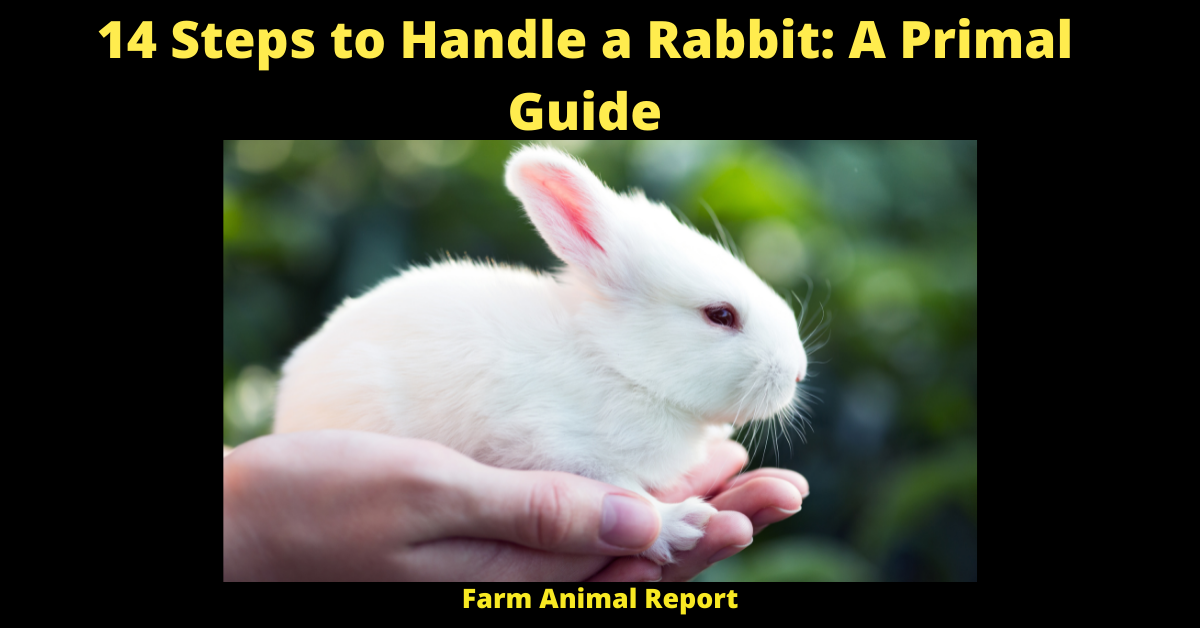
Proper rabbit handling is crucial for the well-being of both the rabbit and the handler. Neglecting safe practices can lead to injuries for both parties, causing stress and discomfort to the animal and potentially harm to the human. This section Artikels essential principles for gentle and respectful rabbit handling, emphasizing the importance of understanding rabbit behavior and body language to ensure a positive and safe experience for everyone.Safe rabbit handling involves more than just physical techniques; it necessitates a profound understanding of the rabbit’s inherent nature.
This includes recognizing signs of stress and discomfort, adjusting handling methods accordingly, and always prioritizing the rabbit’s comfort and safety. Ignoring these principles can lead to significant problems, including potential injuries from startled or defensive rabbits.
Potential Risks of Improper Handling
Improper handling techniques can result in significant harm to both the rabbit and the handler. Rabbits, being prey animals, are instinctively cautious and may react defensively when mishandled. This defensive behavior can manifest in biting, scratching, or kicking, leading to injuries for the handler. Conversely, the handler’s actions can unintentionally cause physical harm to the rabbit through rough handling, dropping, or improperly supporting the animal’s weight.
This can result in fractures, sprains, or other serious injuries.
Basic Principles of Gentle Handling
Safe rabbit handling necessitates a gentle and respectful approach. Rabbits are highly sensitive animals, and their comfort and well-being should always be prioritized. Handling should always be conducted with care, minimizing any potential stress or discomfort for the rabbit.
Recognizing Stress Signals in Rabbits
Understanding a rabbit’s body language is paramount to safe handling. A stressed rabbit may exhibit several behaviors, including:
- Rapid, shallow breathing: This indicates heightened anxiety.
- Tucked ears: A rabbit that flattens or tucks its ears is likely feeling fearful or threatened.
- Hunched posture: This is a clear sign of stress or discomfort. The rabbit may curl up or appear withdrawn.
- Rapid, jerky movements: This often signifies a rabbit attempting to escape or avoid contact.
- Vocalizations (e.g., squeaking, chattering): Rabbits use various vocalizations to communicate. A sudden or persistent vocalization is a warning sign that the rabbit is uncomfortable.
Observing these signs and adjusting handling accordingly is crucial to ensuring the rabbit’s well-being. A stressed rabbit is more likely to react defensively, potentially leading to injuries for both the rabbit and the handler.
Supporting the Rabbit Correctly
Proper support is critical to avoid injuring the rabbit. When handling a rabbit, always support its entire body, particularly its back and hindquarters. Avoid lifting the rabbit by its ears or tail, as this can cause discomfort and potentially damage the rabbit’s spine or other internal organs. Instead, use a supportive hand placement under the chest and under the hindquarters.
This ensures that the rabbit’s weight is distributed evenly, preventing stress and injury.
Using a Handling Surface
Using a suitable handling surface can provide a stable and safe environment for handling rabbits. A soft, padded surface, such as a blanket or towel, can help to protect the rabbit’s delicate bones and joints during handling. The surface should be large enough to accommodate the rabbit’s entire body without cramping it.
Handling a Rabbit for Examination or Veterinary Care
Handling a rabbit for veterinary care requires specific precautions. The rabbit should be gently and carefully supported throughout the process. Avoid unnecessary jostling or handling that could cause further stress. The handler should be prepared for potential defensive reactions and use appropriate protective gear, such as gloves, to prevent injuries.
Handling Rabbits in Groups
Handling rabbits in groups requires careful consideration of their interactions. Avoid sudden movements or actions that could frighten or provoke aggressive reactions. Ensure adequate space for each rabbit and minimize any potential interactions that could escalate into conflicts.
Preparing for Handling
Proper preparation is crucial for safe and positive rabbit handling experiences. A calm and relaxed rabbit is much less likely to struggle or become injured during handling. This section details the essential equipment and preparation steps to ensure a smooth and stress-free process.Effective handling begins well before the rabbit is picked up. Creating a positive association with handling tools and a calm environment for the rabbit sets the stage for successful interactions.
Essential Handling Equipment
Preparing for handling rabbits involves gathering the necessary tools and equipment. These items play a vital role in ensuring the rabbit’s safety and comfort throughout the process. Proper selection and use of these tools are paramount to prevent injury to both the rabbit and the handler.
- Handling tools: Gloves, soft towels, or a grooming brush can help provide a comfortable grip and minimize stress. These items can help reduce the rabbit’s fear response and make handling a less frightening experience. The choice of tool should be based on the rabbit’s temperament and size.
- Rabbit carriers: A secure, well-ventilated carrier is essential for transporting rabbits. This ensures their safety and comfort during travel. The carrier should be large enough for the rabbit to stand up, turn around, and lie down comfortably. Proper ventilation is crucial to prevent overheating or respiratory distress.
Preparing the Rabbit
Before handling, it’s essential to prepare the rabbit to ensure a positive experience. This includes familiarizing the rabbit with handling tools and calming the rabbit before the handling process begins.
- Familiarization with handling tools: Slowly introduce the rabbit to handling tools, such as towels or gloves, in a low-stress environment. Allow the rabbit to explore the tools and become accustomed to their presence. Reward calm behavior with treats or praise. Repeated exposure to these tools will create a positive association and reduce anxiety.
- Calming the rabbit: Use techniques to calm the rabbit before handling, such as gentle petting, offering a favorite treat, or creating a quiet, enclosed space. A calm rabbit is less likely to struggle during handling. These calming techniques help reduce stress and make the handling process less stressful for the rabbit. Avoid sudden movements or loud noises.
Selecting and Using a Rabbit Carrier
Choosing the right carrier and using it correctly are vital for safe transport. A suitable carrier provides both safety and comfort for the rabbit.
- Choosing a suitable carrier: Select a carrier with proper ventilation and a secure latch. The carrier should be large enough for the rabbit to stand, turn around, and lie down comfortably without feeling cramped. Avoid carriers that are too small or have inadequate ventilation.
- Using the carrier correctly: Place a soft blanket or towel inside the carrier for the rabbit to feel secure. Ensure the carrier is secure in the vehicle during transport. Never overcrowd the carrier. Always ensure the carrier has adequate ventilation and avoid sudden stops or turns that could cause the rabbit stress.
Essential Handling Tools and Their Uses
The following table Artikels essential handling tools and their uses for safe rabbit handling.
| Handling Tool | Description | Use |
|---|---|---|
| Gloves | Provide a barrier between the handler and the rabbit’s fur. | Prevent scratching, injury, and transfer of germs. |
| Soft Towels | Offer a soft, comfortable grip. | Provide support during handling and reduce stress. |
| Grooming Brush | Helps to gently handle the rabbit’s fur. | Familiarizes the rabbit with handling and can aid in calming. |
| Rabbit Carrier | A secure, well-ventilated container. | Safe transport for rabbits during travel. |
Basic Handling Techniques
Proper rabbit handling involves more than just picking up the animal; it necessitates a careful approach to minimize stress and ensure the rabbit’s well-being. Understanding the nuances of body posture, hand placement, and lifting techniques is crucial for safe and comfortable handling. A gentle and controlled approach will help build a positive association with handling for both you and your rabbit.
Body Posture and Hand Placement
Maintaining a stable and relaxed posture is essential for safe rabbit handling. A centered stance, with feet shoulder-width apart, provides a solid foundation for moving and lifting the rabbit. This allows for a balanced and controlled approach to the handling process. Avoid twisting or leaning, which can create undue stress on the rabbit. Hands should be positioned to support the rabbit’s weight and body structure, preventing injuries to both the handler and the rabbit.
Using the palm and fingers to support the rabbit’s body is preferred to using only your fingers or the tips of your hands.
Picking Up and Holding a Rabbit
Various techniques can be used to safely pick up a rabbit, each with its own advantages. The choice of technique will depend on the rabbit’s temperament, size, and the specific circumstances. It’s important to approach the rabbit calmly and avoid sudden movements. A slow, deliberate approach will minimize stress for the animal. Avoid quick, jerky motions or loud noises.
Supporting the Rabbit’s Weight and Body
Correct support is paramount to preventing injuries. When lifting a rabbit, support its entire body, including the chest, back, and hindquarters. Avoid placing undue pressure on its spine or neck. The weight should be distributed evenly across your hands and arms. A secure grip is crucial, preventing the rabbit from slipping or struggling.
Keep the rabbit’s body as close to your body as possible to maintain balance.
Techniques for Lifting and Carrying
Different methods for lifting and carrying a rabbit have their own characteristics. The “scoop” method involves gently scooping the rabbit into your arms, using both hands to support its weight. This method is generally well-suited for rabbits that are relatively calm. The “underneath” method involves positioning yourself behind the rabbit and carefully supporting its body from underneath.
This method is more suitable for rabbits that are hesitant or less cooperative. Always prioritize the rabbit’s comfort and safety, adapting the chosen technique as needed. The best technique will depend on the rabbit’s response and your familiarity with it.
Comparison of Lifting Methods
| Method | Description | Illustration |
|---|---|---|
| Scoop Method | Gently scoop the rabbit into your arms, supporting its body with both hands. | (Imagine two hands cupping the rabbit, supporting its chest, back, and hindquarters.) |
| Underneath Method | Position yourself behind the rabbit, supporting its body from underneath. | (Imagine your hands positioned underneath the rabbit’s chest and hindquarters, with your arms supporting its body.) |
Note: The illustrations are conceptual and cannot be displayed here. A visual representation of the described hand placements and lifting techniques would greatly aid understanding. The scoop method typically works well for rabbits who are more cooperative, while the underneath method is often necessary for more timid or anxious rabbits.
Handling Specific Situations
Handling rabbits safely involves recognizing and responding to various behaviors and situations. This section delves into techniques for managing rabbits that exhibit resistance, those with specific needs, and those in particular life stages, such as pregnant or nursing rabbits. A careful and understanding approach is crucial to ensuring the rabbit’s well-being and the safety of the handler.Understanding a rabbit’s body language and individual characteristics is key to safe handling.
Each rabbit has a unique personality, and what works for one may not work for another. Observing their reactions and adjusting your approach accordingly is vital.
Handling a Resisting or Struggling Rabbit
A rabbit that struggles during handling may exhibit signs of fear, such as kicking, biting, or squeaking. These responses are often instinctive reactions to perceived threat or discomfort. A calm and reassuring approach is essential. Gradually introduce handling, using gentle pressure and avoiding sudden movements. If the rabbit is particularly resistant, consider consulting with a veterinarian or a rabbit-savvy professional.
Handling Rabbits with Specific Needs or Medical Conditions
Rabbits with medical conditions or special needs may require tailored handling techniques. For example, rabbits with arthritis or other mobility issues might need support to prevent injury during handling. Using appropriate equipment, such as a carrier or sling, is crucial. Consulting with a veterinarian is essential for determining the most suitable handling methods for rabbits with specific medical conditions.
This ensures their comfort and safety while minimizing the risk of further complications.
Handling Pregnant or Nursing Rabbits
Pregnant or nursing rabbits require extra care during handling. Gentle handling and minimizing stress are paramount. Avoid handling the rabbit excessively, especially during the latter stages of pregnancy and when nursing. If handling is necessary, support the abdomen gently to prevent any potential harm to the unborn kits or nursing young. Sudden movements or rough handling can lead to premature labor or other complications.
Handling Different Rabbit Behaviors
Rabbits exhibit a wide range of behaviors during handling. Recognizing these behaviors and responding appropriately is essential for ensuring the rabbit’s comfort and safety. Understanding these behaviors will lead to more successful handling experiences.
| Rabbit Behavior | Appropriate Response |
|---|---|
| Kicking | Gently but firmly redirect the rabbit’s legs, maintaining a calm demeanor. |
| Biting | Immediately stop handling and allow the rabbit to calm down. Assess the situation and adjust your approach if necessary. |
| Squeaking | Assess the situation for the cause of the squeaking. If it is due to fear, maintain calm and avoid further handling. If it is due to pain, consult with a veterinarian. |
| Freezing | Maintain a calm and quiet presence. Avoid sudden movements or loud noises. Slowly and gently approach the rabbit. |
| Attempting to escape | Gently but firmly guide the rabbit back into the holding area. |
Post-Handling Procedures
Returning a rabbit to its environment after handling requires careful attention to detail to ensure a smooth transition and minimize stress. A well-executed post-handling routine can significantly contribute to the rabbit’s overall well-being and comfort. Rabbits are highly sensitive to changes in their surroundings and handling can be unsettling.Proper post-handling procedures aim to help the rabbit regain a sense of security and comfort in its familiar environment.
This involves creating a calming atmosphere, monitoring the rabbit’s behavior for any signs of distress, and providing opportunities for the rabbit to return to normal routines.
Returning the Rabbit to its Environment
The transition from handling to its enclosure should be a gradual process. Avoid abrupt movements. Carefully place the rabbit back into its cage or hutch, ensuring the area is well-lit and not overly stimulating. Allow the rabbit to explore its surroundings at its own pace. Provide familiar items like toys or bedding to encourage exploration and help the rabbit feel secure.
Monitoring Post-Handling Behavior
Closely observe the rabbit’s behavior immediately after handling and for several hours afterward. Watch for any signs of distress, such as hunched posture, decreased activity, loss of appetite, or difficulty urinating or defecating. If you notice any of these signs, it is important to consult with a veterinarian to rule out any underlying medical conditions.
Ensuring Security and Comfort
Creating a calming environment is essential for the rabbit’s post-handling recovery. Ensure the rabbit’s enclosure is quiet and free from disturbance. Minimize loud noises or sudden movements that might startle the rabbit. Offer a quiet space within the enclosure where the rabbit can retreat if desired.
Post-Handling Procedure Checklist
- Gentle Return: Carefully place the rabbit back into its enclosure, allowing it time to adjust to its surroundings.
- Quiet Environment: Minimize disturbances, such as loud noises or sudden movements, within the rabbit’s environment. Create a peaceful and quiet space.
- Familiar Items: Ensure the enclosure has familiar items like toys or bedding that provide comfort and security.
- Observation Period: Monitor the rabbit’s behavior closely for at least 2-3 hours post-handling, noting any signs of distress or unusual behavior.
- Dietary Considerations: Offer a regular meal or a treat if the rabbit is receptive. Ensure food and water are readily available.
- Hygiene Checks: Regularly check the rabbit’s cage for any signs of discomfort or hygiene issues, such as soiling or injury.
- Veterinary Consultation: If any signs of distress persist or worsen, consult with a veterinarian immediately.
Preventing Injuries
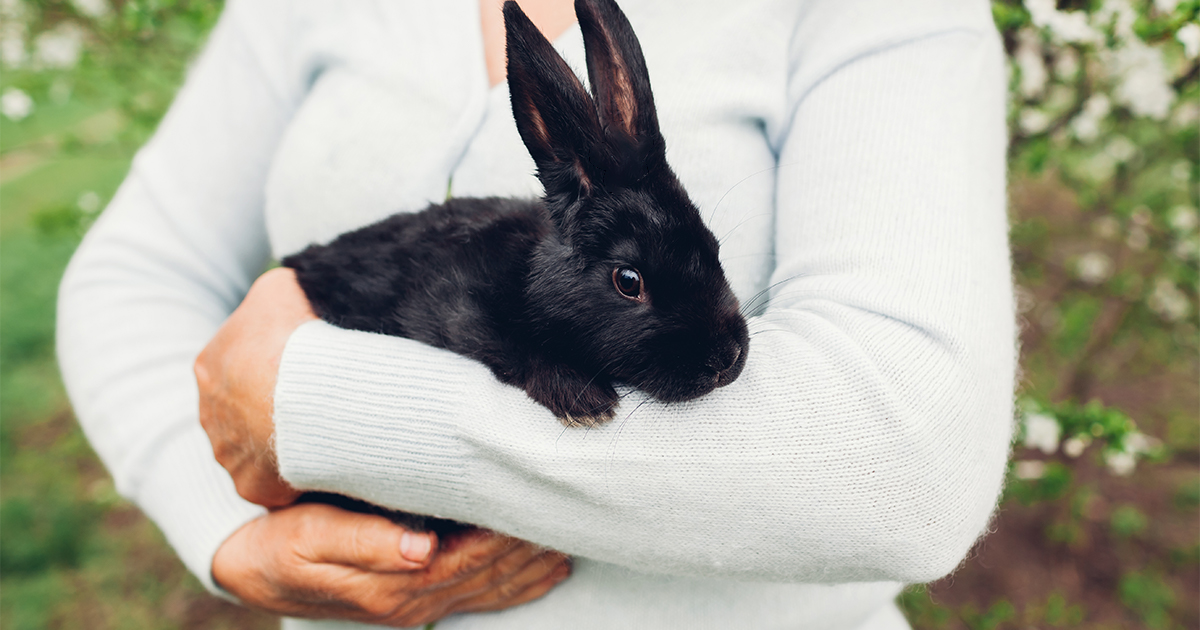
Handling rabbits safely involves understanding and mitigating potential risks. Proper handling techniques are crucial to ensuring the well-being of both the rabbit and the handler. This section details potential injuries, preventative measures, and appropriate first aid responses.Rabbits, though generally docile, can react defensively when handled, leading to injuries for both them and the handler. Stress, fear, and surprise can trigger unpredictable behaviors like biting or scratching.
Understanding these potential responses and implementing appropriate safety measures will reduce the likelihood of injury for everyone involved.
Potential Risks of Handling Rabbits
Rabbits are prey animals, and their natural instincts can be triggered during handling. Sudden movements, loud noises, or perceived threats can cause them to react defensively. This section highlights the potential risks and preventative measures.
- Bites: Rabbits can bite to defend themselves or to escape from a perceived threat. Bites can be painful and may introduce bacteria. Proper handling and a calm environment significantly reduce the risk of bites.
- Scratches: Rabbits have sharp claws that can inflict scratches during handling. These scratches can become infected if not treated properly. The use of appropriate handling techniques and tools can minimize the likelihood of scratches.
- Stress: Sudden or prolonged handling can cause stress in rabbits. Stress weakens their immune systems and can lead to other health issues. Minimizing handling time and ensuring a comfortable environment for the rabbit are crucial to avoid stress-related problems.
Preventative Measures
Several preventative measures can minimize the risks associated with handling rabbits.
- Proper Handling Techniques: Employing correct handling techniques, such as supporting the rabbit’s body and avoiding sudden movements, is paramount. Handling should always be done with care and consideration for the rabbit’s comfort and safety.
- Secure Environment: A secure and calm environment reduces the rabbit’s stress level and encourages a more cooperative handling experience. Minimize loud noises and sudden movements during handling.
- Using Tools: Tools such as handling cloths or gloves can provide a buffer between the handler and the rabbit, reducing the likelihood of scratches or bites. These tools also help to support the rabbit’s weight and prevent injury during handling.
- Gradual Introduction: Gradually introduce the rabbit to handling over time. This allows the rabbit to become accustomed to the handler and the handling process, reducing stress and the likelihood of defensive reactions.
Avoiding Bites and Scratches
Proper handling techniques are crucial in avoiding bites and scratches.
- Gentle Approach: Avoid sudden movements or loud noises. Approach the rabbit slowly and calmly, allowing it to adjust to your presence.
- Secure Grip: Support the rabbit’s body firmly but gently, avoiding pressure points that might cause discomfort or fear.
- Appropriate Tools: Use handling cloths or gloves to minimize the risk of scratches or bites.
- Distraction: A tasty treat can distract the rabbit and encourage a more cooperative attitude during handling.
Common Injuries and First Aid
This section details common injuries rabbits can sustain during handling and appropriate first aid steps.
- Minor Scratches: Clean the scratch with mild soap and water, and apply an antiseptic ointment. Monitor for signs of infection. If infection occurs, consult a veterinarian.
- Bites: Clean the bite wound thoroughly with mild soap and water. Apply an antiseptic ointment. Monitor for signs of infection. If infection occurs, consult a veterinarian immediately.
- Stress-related Problems: Provide a calm and quiet environment for the rabbit. If the rabbit shows signs of significant stress, consult a veterinarian.
Safety Measures Comparison
| Safety Measure | Description | Effectiveness |
|---|---|---|
| Proper Handling Techniques | Supporting the rabbit’s body, avoiding sudden movements, and using gentle handling. | High |
| Secure Environment | Creating a quiet and calm environment to minimize stress. | High |
| Handling Tools | Using gloves or handling cloths to prevent scratches and bites. | Moderate to High |
| Gradual Introduction | Gradually introducing the rabbit to handling to reduce fear and stress. | High |
Handling Different Rabbit Breeds

Rabbit handling techniques must be tailored to the individual rabbit’s breed and physical characteristics to ensure safety and comfort for both the rabbit and the handler. Understanding the variations in size, coat type, and temperament of different breeds is crucial for developing appropriate handling strategies. This allows for a more positive and less stressful experience for the animal.Different breeds of rabbits present varying physical attributes and temperaments that necessitate specific handling approaches.
A standardized approach will not always be effective; careful observation and adjustment of techniques based on the individual rabbit are essential.
Variations in Handling Needs Based on Breed
Understanding the specific characteristics of a breed helps in anticipating potential challenges during handling. Different breeds have varying sizes, coat types, and temperaments, requiring adjustments to handling techniques. For example, a small breed like a Dutch rabbit might be easily overwhelmed by forceful handling, while a large breed like a Flemish Giant might require more strength and patience.
Comparing Handling Techniques for Different Coat Types
Coat type significantly influences handling. Long-haired rabbits, like Angoras, require more gentle handling to avoid matting and tangling of their fur. Short-haired rabbits, on the other hand, are generally easier to handle but still need careful attention to avoid causing stress or injury. Regular grooming, especially for long-haired breeds, can significantly ease the handling process by keeping their coats free of tangles and knots.
Handling Rabbits with Varying Sizes
The size of the rabbit dictates the amount of force required and the support needed during handling. Large breeds like Flemish Giants need careful handling and support to prevent injury to the handler or the rabbit. Conversely, small breeds like Netherland Dwarfs need gentle handling and support to prevent them from being dropped or harmed. Using appropriate support and positioning will minimize stress on both the handler and the rabbit.
Detailed Handling Needs for Specific Breeds
| Breed | Handling Considerations |
|---|---|
| Flemish Giant | Requires more support due to size. Gentle handling and avoiding sudden movements are crucial. |
| Dwarf Lop | These rabbits can be prone to injury if mishandled. Gentle lifting and support are vital. |
| Angora | Long hair needs careful handling to avoid matting and tangling. Frequent grooming is recommended to minimize tangles during handling. |
| Rex | Rex rabbits have a dense, plush coat. Handling should be gentle and avoid pulling or tugging on the fur. |
Careful attention to the rabbit’s breed-specific characteristics is paramount for a positive and stress-free handling experience.
Handling Rabbits with Special Needs
Caring for rabbits with disabilities or special health conditions requires extra patience, understanding, and specialized handling techniques. These techniques ensure the rabbit’s comfort and safety while minimizing the risk of further injury. Understanding the specific needs of each rabbit is crucial for successful and humane handling.Rabbits with special needs may exhibit varying degrees of mobility limitations, sensory impairments, or other health conditions.
Careful observation and a proactive approach to handling are essential for ensuring their well-being. Modifying handling techniques based on the individual rabbit’s needs is critical for a positive experience.
Specialized Handling Techniques for Rabbits with Injuries or Illnesses
Proper handling is paramount for rabbits with injuries or illnesses to prevent further complications. A gentle approach, minimizing stress, and appropriate support are key. Use a soft towel or blanket to cushion the rabbit during handling. If the rabbit has a broken limb, use a soft sling or support structure to avoid putting pressure on the injured area.
It is crucial to maintain a calm and reassuring demeanor to alleviate any anxiety the rabbit may be experiencing.
Handling Rabbits with Visual Impairments
Visual impairments in rabbits require adjustments to handling techniques to maintain their safety and comfort. These rabbits rely more heavily on other senses. Speak to the rabbit in a soothing voice, and maintain consistent tactile cues, such as placing your hand on the rabbit’s side or back as you move it. Use visual cues as little as possible.
Always ensure a clear path, free from obstacles, and avoid sudden movements. The rabbit’s environment should be familiar and predictable, reducing anxiety and confusion.
Handling Rabbits with Mobility Issues
Rabbits with mobility issues, such as arthritis or paralysis, may need extra support during handling. Avoid lifting the rabbit directly; instead, use a soft towel or blanket to gently support its body. Support the rabbit’s weight to prevent stress or strain. Consider using a carrier with a ramp or incline to facilitate movement into and out of the carrier.
Carefully assess the rabbit’s tolerance and adjust handling accordingly.
Handling Rabbits with Specific Health Conditions
Handling rabbits with specific health conditions, such as respiratory issues, requires a cautious approach. Minimize stress and maintain a calm environment. Avoid abrupt movements or loud noises. Observe the rabbit’s breathing pattern and response to handling. If the rabbit exhibits signs of distress, discontinue handling immediately.
Consult a veterinarian for specific guidance based on the rabbit’s individual condition.
Summary Table of Handling Adaptations
| Special Need | Handling Adaptation |
|---|---|
| Visual Impairment | Use consistent tactile cues, avoid sudden movements, ensure clear path, maintain a soothing voice. |
| Mobility Issues | Avoid lifting directly, use soft support, consider ramps or inclines, assess tolerance and adjust handling. |
| Injuries/Illnesses | Gentle approach, soft cushioning, support injured areas, calm demeanor, observe response. |
| Respiratory Issues | Minimize stress, calm environment, avoid abrupt movements, observe breathing pattern, discontinue handling if distress is evident. |
Illustrative Examples of Safe Handling
Safe handling of rabbits is crucial for the well-being of the animal and the safety of the handler. Proper techniques minimize stress and prevent injuries for both parties. These examples illustrate best practices and common pitfalls to avoid.
Handling Rabbits at the Veterinarian
Bringing a rabbit to the veterinarian requires careful planning and execution. The goal is to ensure the rabbit’s comfort and safety during the visit, minimizing stress and maximizing the effectiveness of the examination. A stressed rabbit can hinder a proper diagnosis and treatment.
- Preparation is Key: Ensure the rabbit is securely and comfortably placed in a carrier. A hard-sided carrier is ideal, lined with soft bedding. Familiarize the rabbit with the carrier to reduce anxiety. Avoid using a carrier that’s too small or uncomfortable. Bring a small amount of the rabbit’s familiar food and water.
Inform the vet about any recent changes in behavior or health concerns.
- Handling During Examination: Allow the veterinarian to approach the rabbit and observe it from a distance first. This lets the rabbit acclimate. Use a towel or blanket to gently guide the rabbit if necessary. Be calm and reassuring, and support the rabbit’s body to prevent injury. Keep the rabbit secure in the vet’s hands.
Avoid rough handling or sudden movements.
- Post-Visit Care: After the visit, keep the rabbit in the carrier for a short period to allow it to adjust. Gradually introduce it to its home environment.
Handling Rabbits During Grooming
Grooming a rabbit requires patience and gentleness to minimize stress and discomfort. A stressed rabbit can be more difficult to groom and may resist.
- Preparation for Grooming: Ensure the rabbit is comfortable and accustomed to handling. Use a grooming table or a flat surface with a towel to prevent slips and falls. Use familiar scents and textures. Use a soft-bristled brush or a comb, depending on the rabbit’s coat type. Have plenty of treats available for positive reinforcement.
- Gentle and Gradual Approach: Gently handle the rabbit, supporting its body to prevent injury. Focus on one area at a time, and avoid pulling on the rabbit’s skin or fur. Use short, controlled strokes during brushing or combing. Praise and reward the rabbit with treats when it remains calm and cooperative.
- Recognizing Signs of Stress: Monitor the rabbit for signs of stress, such as flattened ears, trembling, or rapid breathing. If the rabbit shows signs of stress, stop the grooming session and allow the rabbit to rest. Reassure the rabbit and resume grooming when it is calm.
Handling Rabbits with Fear or Aggression
Handling fearful or aggressive rabbits requires special care. Understanding the cause of fear or aggression is crucial for effective management.
- Identifying the Cause: Fearful or aggressive behavior may stem from past negative experiences, or be a sign of illness. Identifying the root cause is vital to developing a suitable handling strategy. Consult with a veterinarian if you suspect underlying medical conditions.
- Positive Reinforcement: Use positive reinforcement methods to build trust and confidence. Offer treats and praise when the rabbit cooperates. Start with short handling sessions and gradually increase the duration. Never force or punish the rabbit.
- Safe Distance and Slow Approach: Avoid sudden movements or loud noises. Allow the rabbit to approach you at its own pace. Approach slowly and calmly, and avoid eye contact, which can be intimidating to some rabbits. Always maintain a safe distance to allow the rabbit to feel secure.
Ultimate Conclusion
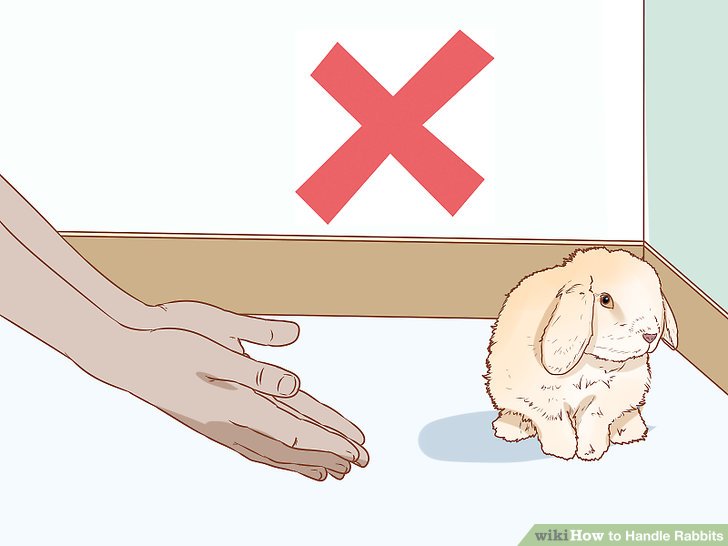
In conclusion, safe rabbit handling is a multifaceted process that demands careful attention to detail. By mastering the techniques and considerations Artikeld in this guide, you can ensure a positive and stress-free experience for both you and your rabbit. Remember, every interaction should prioritize the rabbit’s comfort and safety, fostering a strong bond between you and your furry companion.
The key to successful handling is a combination of preparation, gentle techniques, and a deep understanding of rabbit behavior. By applying these principles, you can ensure that your rabbit experiences handling as a positive and enjoyable interaction.