Rabbits are fascinating creatures with specific dietary needs. Understanding how to feed them vegetables correctly is crucial for their health and well-being. This guide provides a comprehensive overview, covering everything from choosing the right vegetables to ensuring proper portion sizes and handling techniques. A balanced diet, rich in the right vegetables, contributes significantly to a rabbit’s overall health and happiness.
This detailed guide will equip you with the knowledge to select, prepare, and serve a wide variety of vegetables safely and effectively. We will explore the nutritional value of different vegetables, discuss potential risks, and provide practical tips for maintaining a healthy diet for your rabbit companion.
Introduction to Rabbit Nutrition
Rabbits, with their delicate digestive systems, require a meticulously balanced diet to thrive. Understanding their nutritional needs is paramount for their overall health and well-being. A proper diet supports optimal growth, reproduction, and a long, happy life. Ignoring these needs can lead to various health issues, from digestive problems to more serious conditions. A consistent and appropriate diet forms the cornerstone of responsible rabbit care.
Rabbit Dietary Needs Overview
Rabbits are herbivores, meaning their diet primarily consists of plant-based materials. Crucially, their digestive systems are uniquely adapted to process fibrous plant matter. This necessitates a diet rich in high-quality hay, alongside appropriate amounts of vegetables, and a supplemental amount of pellets. The digestive process relies on a constant supply of fiber to maintain gut health.
Importance of a Balanced Diet
A balanced diet is essential for maintaining optimal health and preventing various illnesses in rabbits. A diet lacking in essential nutrients can lead to a range of health issues. Inadequate fiber intake, for instance, can cause digestive problems, while insufficient protein can hinder growth and reproduction. Conversely, a diet excessively rich in certain nutrients can also have negative effects.
Therefore, a carefully considered diet is key to a rabbit’s overall health and longevity.
Consequences of an Inappropriate Diet
Feeding rabbits an inappropriate diet can result in several adverse health effects. Insufficient fiber can lead to digestive blockages and other intestinal problems. Imbalances in protein, vitamins, or minerals can cause stunted growth, weakened immune systems, and reproductive issues. Furthermore, inappropriate diets can contribute to obesity, dental problems, and other health concerns. This emphasizes the importance of careful dietary planning and preparation.
Comparison of Food Sources
Understanding the role of different food sources is crucial for creating a balanced diet. The following table provides a comparison of hay, vegetables, and pellets, highlighting their nutritional contributions:
| Food Source | Primary Nutritional Benefit | Examples | Considerations |
|---|---|---|---|
| Hay | High fiber content, crucial for digestive health. Provides essential roughage for a healthy gut. | Timothy hay, Orchard grass hay, Alfalfa hay | Should be the primary component of the diet, offering constant fiber intake. Ensure fresh and clean hay is available at all times. |
| Vegetables | Source of vitamins, minerals, and water. Essential for overall health and well-being. | Carrots, leafy greens (kale, spinach), bell peppers, romaine lettuce | Offer a variety of vegetables, but avoid excessive amounts of sugary vegetables like carrots or root vegetables, which can cause dental problems. Introduce new vegetables gradually to avoid digestive upset. |
| Pellets | Concentrated source of nutrients, including vitamins and minerals. A supplemental feed, not a replacement for hay. | Commercial rabbit pellets | Use as a supplement to hay and vegetables, not a primary food source. Choose a high-quality pellet formulated specifically for rabbits. Always check ingredients and avoid pellets containing grains, as they can lead to digestive issues. |
Choosing the Right Vegetables
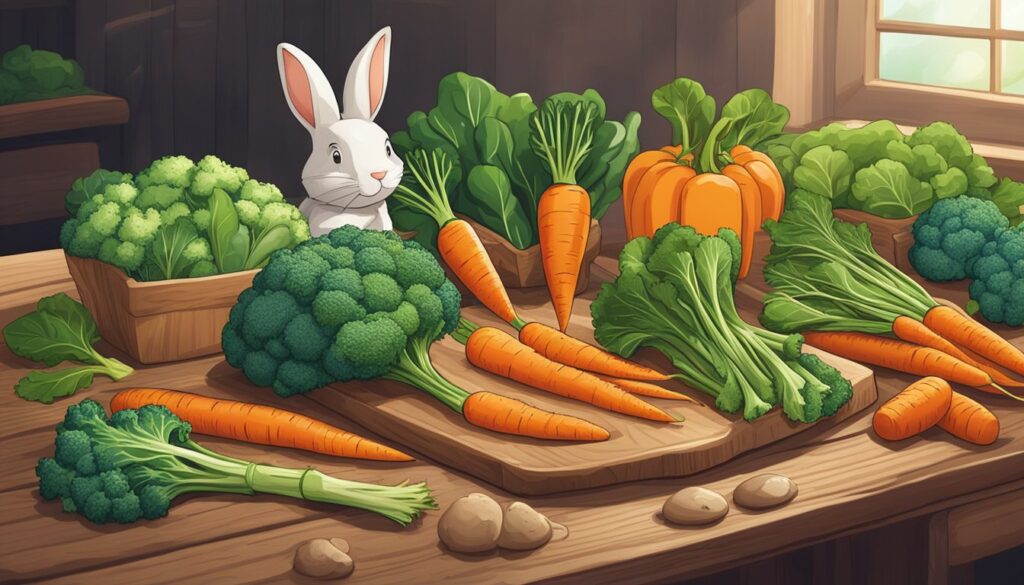
Selecting appropriate vegetables for rabbits is crucial for their health and well-being. A balanced diet, rich in essential nutrients, is vital for their growth, development, and overall health. Vegetables, when chosen carefully, provide a valuable source of vitamins, minerals, and fiber, contributing to a thriving rabbit.Proper vegetable selection ensures that rabbits receive the necessary nutrients without exposing them to potential dangers.
Understanding the nutritional value and potential risks associated with different vegetables allows rabbit owners to make informed choices, promoting a healthy and happy rabbit companion.
Safe and Beneficial Vegetables
A variety of vegetables can be incorporated into a rabbit’s diet, offering diverse nutritional benefits. Leafy greens, root vegetables, and fruits (in moderation) all contribute to a well-rounded diet. However, some vegetables are more beneficial than others, providing a higher concentration of essential vitamins and minerals.
Nutritional Value of Vegetables
Different vegetables contribute varying amounts of essential nutrients to a rabbit’s diet. For example, leafy greens are excellent sources of vitamins A and C, while root vegetables provide essential minerals and fiber. Understanding the nutritional profile of each vegetable allows owners to tailor their rabbit’s diet to meet specific nutritional needs.
Comparison of Vegetables
Comparing different vegetables allows owners to select those that best meet their rabbit’s dietary requirements. For instance, carrots are a good source of beta-carotene, while kale is rich in vitamin K. The diverse nutritional profiles of various vegetables allow for a balanced and nutritious diet.
Choosing Fresh, High-Quality Vegetables
Selecting fresh, high-quality vegetables is essential for a rabbit’s health. Look for vegetables that are crisp, vibrant in color, and free from any signs of damage or spoilage. Fresh vegetables are a vital part of a rabbit’s diet, ensuring they receive the best possible nutrients.
Safe Vegetable Types and Portions
| Vegetable Type | Portion Size (per day) | Nutritional Highlights |
|---|---|---|
| Romaine Lettuce | 1-2 cups, chopped | Good source of vitamins A and K. |
| Carrot (baby carrots) | 1-2 small pieces | Rich in beta-carotene, aiding in eye health. |
| Cucumber | 1-2 small slices | Excellent source of hydration and vitamins. |
| Parsley | 1-2 tablespoons, chopped | Provides vitamins and minerals. |
| Celery | 1-2 stalks, chopped | High in fiber, aiding digestion. |
| Spinach | 1/2 cup, chopped | Rich in vitamins and minerals. |
Note: Portion sizes are approximate and may vary depending on the rabbit’s size and individual needs. Always consult a veterinarian for specific dietary recommendations.
Potential Dangers of Certain Vegetables
Some vegetables, though tempting, can be harmful to rabbits. For example, potatoes and onions contain compounds that can be toxic to rabbits. Owners should avoid feeding these and other potentially harmful vegetables. Knowledge of the dangers associated with specific vegetables is essential to maintain a rabbit’s health.
Preparing Vegetables for Rabbits
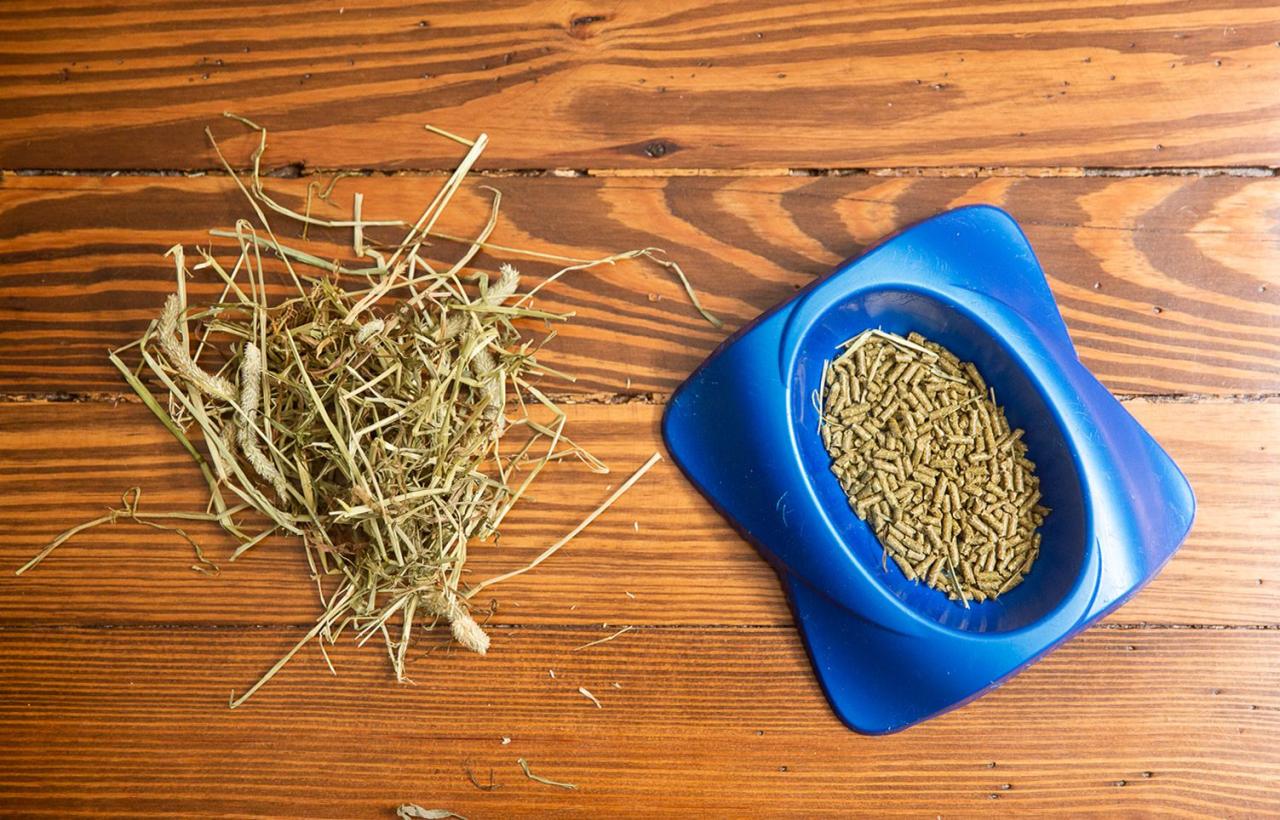
Proper preparation of vegetables is crucial for ensuring your rabbit’s health and well-being. It involves more than just washing; it encompasses careful handling to eliminate potential hazards and to maximize nutrient absorption. By following these guidelines, you can provide your rabbit with a nutritious and safe diet.Preparing vegetables for rabbits requires a meticulous approach. This involves not only washing and chopping, but also understanding the importance of avoiding harmful substances and the best methods for preserving the nutritional value of the chosen vegetables.
Safe preparation practices will ensure a healthy and happy rabbit.
Washing Vegetables
Thorough washing is essential to remove dirt, dust, and any potential contaminants. Rinse vegetables under cool, running water, paying close attention to areas that may harbor soil or debris. Avoid using harsh chemicals or detergents, as these can be harmful to rabbits.
Avoiding Harmful Substances
Rabbits are highly susceptible to toxins found in pesticides and other harmful substances. Always inspect vegetables for any signs of pesticide residue, such as white powdery substances or discoloration. When possible, purchase vegetables from reputable sources known for their organic practices. If you grow your own vegetables, ensure the area is free of pesticide applications and that the vegetables are thoroughly washed before feeding.
Chopping and Shredding Vegetables
Chopping or shredding vegetables into appropriate sizes is crucial for proper digestion. Small, manageable pieces will allow your rabbit to easily consume and digest the food. Avoid large chunks that could cause digestive issues. Different vegetables require different sizes.
Preparation Methods for Various Vegetables
| Vegetable Type | Preparation Method |
|---|---|
| Leafy greens (lettuce, spinach) | Wash thoroughly, remove any damaged or wilted leaves, and chop into small pieces. |
| Root vegetables (carrots, sweet potatoes) | Wash thoroughly, peel if necessary, and chop into small, bite-sized pieces. |
| Cruciferous vegetables (broccoli, cauliflower) | Wash thoroughly, remove stems and tough outer leaves, and chop into small florets. |
| Fruits (berries, melon) | Wash thoroughly, remove seeds and peel if necessary, and chop into small pieces. |
Storing Prepared Vegetables
Proper storage is vital to maintain the freshness and nutritional value of prepared vegetables. Store prepared vegetables in airtight containers in the refrigerator. Ensure that the containers are clean and free of any odors that could contaminate the food. Discard any vegetables that show signs of spoilage or molding.
Tips for Preparing Vegetables for Rabbits
- Always wash vegetables thoroughly under cool, running water.
- Inspect vegetables carefully for any signs of pesticide residue.
- Purchase vegetables from reputable sources whenever possible.
- Chop vegetables into small, manageable pieces.
- Store prepared vegetables in airtight containers in the refrigerator.
- Discard any vegetables that show signs of spoilage or molding.
- Never feed vegetables that have been treated with harmful chemicals.
Portion Control and Feeding Frequency
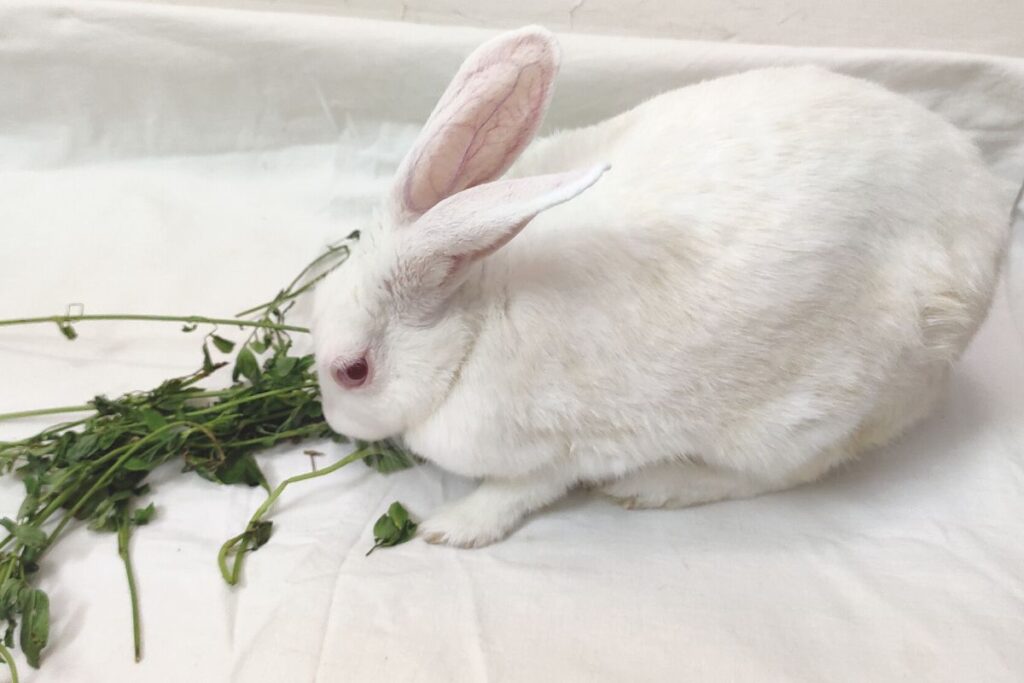
Proper portion control and feeding frequency are crucial for maintaining a rabbit’s health and well-being. These factors directly influence their digestive system, weight management, and overall vitality. Irregular or excessive feeding can lead to digestive issues, obesity, or other health problems. Therefore, a balanced approach is essential for ensuring optimal nutrition and preventing potential complications.Understanding the appropriate portion sizes and feeding schedules for rabbits is vital.
This involves considering the rabbit’s age, size, activity level, and overall health. Consistent feeding practices contribute to a stable and predictable environment for the rabbit’s digestive system.
Recommended Portion Sizes
Vegetable portions should be tailored to the rabbit’s size and age. A good rule of thumb is to offer a variety of vegetables, but in smaller quantities. Overfeeding, even with healthy vegetables, can lead to digestive upset. Focus on offering a range of nutrient-rich vegetables, but in measured portions.
Feeding Frequency
Rabbits are naturally inclined to eat small amounts frequently throughout the day. Maintaining a consistent feeding schedule promotes a healthy digestive system. Avoid large, infrequent meals, which can stress the digestive tract. Instead, offer smaller portions several times a day.
Monitoring Rabbit’s Weight and Health
Regularly monitoring your rabbit’s weight and overall health is essential for adjusting feeding strategies. Observe for any changes in appetite, activity levels, or stool consistency. These observations can signal potential health issues or the need for dietary adjustments. A veterinarian can provide professional guidance and support if needed.
Recommended Daily Vegetable Portions
| Rabbit Size/Age | Recommended Daily Vegetable Portions (Approximate) |
|---|---|
| Small (under 2 lbs) | 1/4 cup to 1/2 cup, divided into 2-3 meals |
| Medium (2-4 lbs) | 1/2 cup to 1 cup, divided into 2-3 meals |
| Large (over 4 lbs) | 1 cup to 1.5 cups, divided into 2-3 meals |
| Young Rabbits (under 6 months) | Smaller portions, adjusted according to growth rate, divided into 3-4 meals |
| Senior Rabbits (over 8 years) | Smaller portions, adjusted according to reduced activity level, divided into 2-3 meals |
Note: These are just guidelines. Individual rabbit needs may vary. Always adjust portions based on the rabbit’s specific characteristics.
Adjusting Portion Sizes
Adjusting portion sizes based on the rabbit’s activity level and appetite is crucial for maintaining a healthy weight. A highly active rabbit might need slightly more vegetables than a more sedentary one. Pay attention to your rabbit’s eating habits and adjust the portions accordingly. Observe how quickly they consume the vegetables offered and adjust future portions. For example, if a rabbit finishes a portion quickly, increase the portion for the next feeding.
Sample Weekly Meal Plan
This sample meal plan provides a framework for incorporating a variety of vegetables into your rabbit’s diet. Remember to adjust quantities based on your rabbit’s size, age, and individual needs.
- Monday: Mixed greens (lettuce, spinach, kale), carrots, cucumber, and a small amount of parsley.
- Tuesday: Broccoli florets, bell pepper strips, and a small amount of dandelion greens.
- Wednesday: Romaine lettuce, shredded zucchini, and a small amount of clover (if available and safe for rabbits).
- Thursday: Carrots, green beans, and a small amount of peas.
- Friday: Mixed greens (lettuce, spinach, and endive), apple slices (small amounts), and a small amount of cilantro.
- Saturday: Sweet potato (cooked and cooled), bell pepper strips, and a small amount of parsley.
- Sunday: Mixed greens (lettuce, spinach, and turnip greens), shredded beets, and a small amount of cilantro.
Common Vegetable Combinations and Avoidances
A balanced diet for rabbits relies heavily on the proper combination of vegetables. Understanding safe pairings and avoiding potentially harmful vegetables is crucial for maintaining their digestive health and overall well-being. This section will explore appropriate vegetable combinations, highlight vegetables to avoid, and emphasize the importance of gradual introductions to prevent digestive upsets.
Safe Vegetable Combinations
Properly combining vegetables can enhance nutrient intake and provide a more varied diet for rabbits. Variety is key, as it ensures a wider range of essential vitamins and minerals. Mixing greens, leafy vegetables, and root vegetables, in moderation, is a good approach to providing a nutritious meal. For example, a combination of carrots, leafy greens, and a small amount of bell peppers can provide a good mix of nutrients.
A diet that includes a range of vegetables, including dark leafy greens like kale and spinach, alongside root vegetables like carrots and sweet potatoes, can support optimal health.
Vegetables to Avoid
Certain vegetables pose significant risks to rabbit health due to their potential toxicity or digestive issues. It’s important to understand which vegetables are best avoided to maintain their well-being. The following vegetables should be given in very small quantities or completely avoided.
Table of Safe Vegetable Combinations
This table illustrates some safe combinations of vegetables for rabbits, aiming for a balanced diet. Remember, portion sizes are crucial.
| Vegetable Category | Examples | Important Notes |
|---|---|---|
| Leafy Greens | Kale, Spinach, Romaine Lettuce (in moderation) | High in vitamins and minerals. Introduce gradually. |
| Root Vegetables | Carrots, Sweet Potatoes, Parsnips | Excellent source of fiber and nutrients. Offer in moderation. |
| Other Vegetables | Bell Peppers (small amounts), Cucumber (in moderation), Broccoli florets (in small amounts) | Introduce gradually and monitor for digestive issues. |
Vegetables Causing Digestive Problems
Certain vegetables can cause digestive issues in rabbits due to their high fiber content or other factors. It’s crucial to be aware of these vegetables and avoid feeding them in significant quantities. Some vegetables, while safe in small amounts, can lead to digestive upset if consumed in excess. A rabbit’s digestive system is sensitive, and introducing new vegetables too quickly can result in gas, bloating, or diarrhea.
Gradual Introduction of New Vegetables
Introducing new vegetables to a rabbit’s diet gradually is essential. A sudden shift can lead to digestive problems, as their digestive system needs time to adjust. Start by offering a small portion of the new vegetable and observing the rabbit for any signs of digestive distress. Gradually increase the amount over several days or weeks as needed.
Safe Vegetables in Small Quantities
Some vegetables can be given in small quantities as part of a varied diet. However, it’s crucial to prioritize the primary food source for rabbits: hay. Vegetables should always be a supplemental part of their diet.
- Cruciferous vegetables (e.g., broccoli, cauliflower): These vegetables can be offered in very small quantities, as they can cause gas and digestive issues in some rabbits. The small quantities should be carefully monitored, and if there is any discomfort, they should be avoided entirely.
- Potato skins (in moderation): They should be given in very small amounts as they may not agree with all rabbits.
- Onion/Garlic (avoid): These vegetables contain compounds toxic to rabbits. Never give these to rabbits.
- Avocado (avoid): Avoid giving avocado to rabbits, as it contains compounds that are potentially harmful.
Handling and Serving Vegetables
Properly serving vegetables is crucial for ensuring your rabbit’s health and well-being. It’s not just about providing nutritious food; it’s about presenting it in a way that encourages safe consumption and prevents potential problems like choking or spoilage. Careful handling and appropriate serving methods contribute significantly to a rabbit’s overall digestive and nutritional health.
Serving Methods
Different serving methods can influence how easily your rabbit consumes vegetables. Understanding these methods allows you to optimize the nutritional intake while minimizing potential issues.
- Fresh, whole vegetables: Offer a variety of fresh, whole vegetables. This allows rabbits to explore and chew, promoting healthy digestion and stimulating natural foraging behaviors. For example, offering carrots, celery, or bell peppers in their entirety can provide satisfying textures and encourage appropriate chewing.
- Shredded or chopped vegetables: Shredded or chopped vegetables are suitable for rabbits with dental issues or difficulties chewing larger pieces. This preparation method makes it easier for them to consume the vegetables without potential choking hazards. However, ensure the pieces are not too small to prevent potential ingestion of large amounts of indigestible material. A small carrot, for instance, can be easily shredded to provide a more manageable size.
- Pureed vegetables: Pureed vegetables can be beneficial for rabbits with weaker chewing abilities or those experiencing difficulty swallowing whole pieces. For instance, a pureed mix of sweet potato and zucchini can provide a smooth texture for easier consumption. However, it’s crucial to ensure the puree is not overly thick or contains excessive moisture, which could lead to digestive issues.
Preventing Choking Hazards
Choking hazards can arise from various factors, including the size and shape of the vegetable pieces. Taking proactive steps can prevent this potential issue.
- Appropriate portion sizes: Serve vegetables in appropriate portions that are manageable for your rabbit. Avoid serving excessive quantities that could lead to overconsumption or digestive distress. Small, frequent portions are often better than large, infrequent ones. For instance, a small, chopped apple segment is easier for a small rabbit to manage than a whole apple slice.
- Careful cutting and chopping: Ensure vegetables are cut into appropriate sizes to prevent choking. Avoid overly large or hard-to-chew pieces. For example, a large piece of broccoli floret should be cut into smaller pieces to facilitate proper chewing.
Preventing Spoilage
Proper storage and handling are essential to maintain the freshness and quality of vegetables, preventing spoilage and ensuring nutritional value.
- Cleanliness: Wash all vegetables thoroughly before serving to remove any dirt or contaminants. This practice ensures your rabbit is consuming only clean, fresh food. For example, washing leafy greens such as lettuce or spinach thoroughly removes any dirt or bacteria.
- Storage: Store vegetables appropriately to maintain their freshness. Use airtight containers and place them in a cool, dry place to prevent moisture buildup, which can lead to mold or spoilage. For instance, store leafy greens in a container with a tight lid to avoid moisture accumulation.
- Discarding spoiled vegetables: Inspect vegetables regularly for signs of spoilage, such as mold or discoloration. Discard any vegetables that show signs of spoilage to prevent your rabbit from consuming contaminated food. For example, if a carrot has mold, it should be discarded immediately to prevent the risk of bacterial contamination.
Feeding Equipment
Utilizing appropriate feeding equipment can improve your rabbit’s feeding experience and make it easier to manage portions and prevent waste.
- Ceramic or stainless steel bowls: Use ceramic or stainless steel bowls for serving vegetables. These materials are durable and easy to clean, preventing the buildup of bacteria or odors. These materials are often a suitable choice for feeding rabbits.
- Rabbit-specific feeders: Specialized rabbit feeders are designed to hold vegetables and prevent waste. These feeders often have compartments or grids that keep vegetables contained and prevent them from being scattered. These can be beneficial for preventing wastage and ensuring efficient feeding.
Step-by-Step Guide to Serving Vegetables
This guide Artikels a systematic approach to serving vegetables safely and effectively to your rabbit.
- Thoroughly wash all vegetables under running water.
- Cut vegetables into appropriate sizes to prevent choking hazards.
- Place the prepared vegetables in a designated, clean bowl or feeder.
- Observe your rabbit’s feeding habits and adjust portions as needed.
- Regularly check for spoilage and discard any spoiled vegetables.
Serving Examples
These examples demonstrate how to serve vegetables in various forms.
- Whole carrots: Offer small, whole carrots to encourage chewing and promote natural foraging behavior.
- Shredded lettuce: Shred lettuce and serve in a small bowl. This prevents large quantities of indigestible materials being consumed at once.
- Pureed sweet potato: Offer a small amount of pureed sweet potato for rabbits with chewing difficulties.
Monitoring Rabbit’s Health and Reactions
Introducing new vegetables to your rabbit’s diet can be an exciting experience, but it’s crucial to monitor their response carefully. Rabbits can exhibit various reactions to new foods, ranging from mild digestive discomfort to more severe allergic responses. A watchful eye and understanding of potential signs will help ensure their well-being.Careful observation is key to maintaining your rabbit’s health and preventing issues arising from new foods.
Early detection of problems is vital for prompt intervention and effective treatment.
Importance of Post-Introduction Monitoring
Careful monitoring of your rabbit’s health after introducing new vegetables is essential. A rabbit’s digestive system is sensitive, and introducing unfamiliar foods can sometimes lead to digestive upset or allergies. Monitoring helps you identify potential issues early and address them promptly. This proactive approach can prevent more serious problems from developing.
Identifying Signs of Digestive Upset or Allergies
Recognizing signs of digestive upset or allergies in your rabbit is crucial for timely intervention. Pay close attention to changes in their behavior, eating habits, and overall appearance.
- Changes in appetite, such as decreased or increased intake, can indicate digestive distress.
- Changes in stool consistency or frequency, such as diarrhea, constipation, or unusual stool color, are significant indicators of potential digestive problems.
- Lethargy, loss of energy, and reduced activity levels may signify underlying health concerns related to the new food.
- Changes in the rabbit’s behavior, such as restlessness, vocalization, or hiding, could suggest discomfort or distress.
- Swelling or itching around the mouth or other parts of the body may indicate an allergic reaction.
Responding to Negative Reactions
If you observe any negative reactions after introducing new vegetables, immediate action is essential. Start by removing the suspect vegetable from the diet. Offer familiar, healthy foods to support their recovery. If the symptoms persist or worsen, consult a veterinarian immediately. Their expertise is invaluable in diagnosing and treating potential issues.
Common Symptoms and Potential Causes
The table below Artikels common symptoms and potential causes related to vegetable consumption. Consult your veterinarian for accurate diagnosis and treatment.
| Symptom | Potential Cause |
|---|---|
| Diarrhea | Digestive upset from a new or poorly digested vegetable |
| Constipation | Insufficient fiber or water intake from vegetables |
| Vomiting | Potential allergic reaction or ingestion of a harmful substance |
| Swelling around the mouth | Allergic reaction to a particular vegetable |
| Itching or redness of skin | Allergic reaction to a particular vegetable |
| Lethargy | Digestive distress or underlying illness |
Foods to Avoid Completely
Some vegetables can be harmful or even fatal to rabbits. Avoid feeding these foods completely.
- Avocado: Contains persin, a toxin that can cause vomiting, diarrhea, and other health problems in rabbits.
- Potato peels: Contain solanine, which is toxic to rabbits. The entire potato should be avoided.
- Onions and Garlic: Contain compounds that can damage red blood cells and cause anemia in rabbits.
- Rhubarb leaves: Contain oxalates, which can cause kidney problems and other health issues.
- Chocolate: Contains theobromine, which is toxic to rabbits and can cause various health problems.
Importance of Consulting a Veterinarian
If you have any concerns about your rabbit’s health or if symptoms persist despite removing the suspect vegetable, consult a veterinarian immediately. A veterinarian can provide a proper diagnosis and recommend the best course of action for your rabbit’s specific needs.
Additional Dietary Considerations
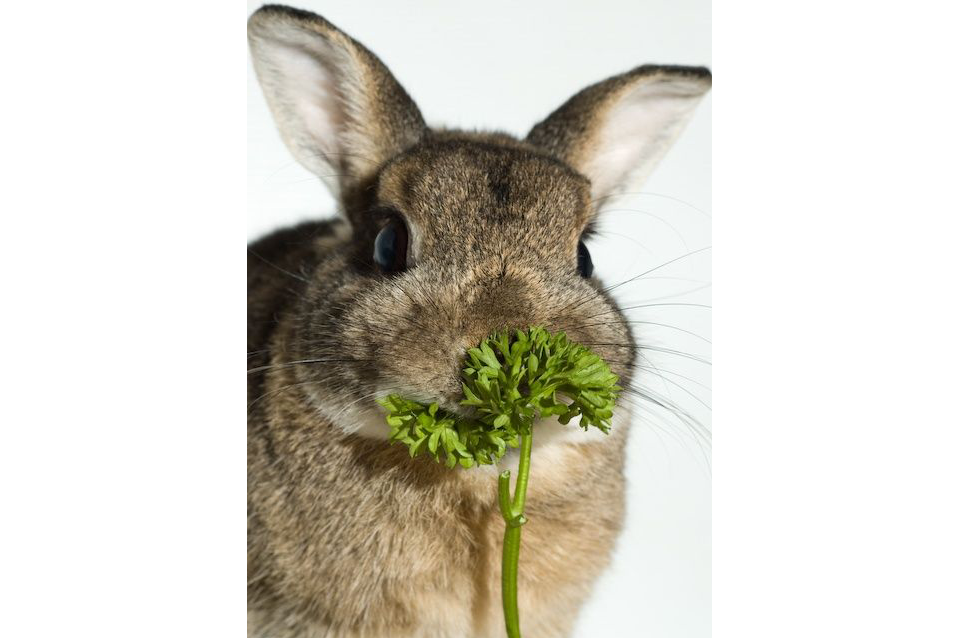
A healthy rabbit diet extends beyond just vegetables. A well-rounded diet incorporates essential components like hay, pellets, fresh water, and avoids harmful treats. Understanding these additional factors is crucial for maintaining a rabbit’s overall well-being and preventing potential health issues.
The Role of Hay and Pellets
Hay forms the foundation of a rabbit’s diet, providing essential fiber for proper digestion. It promotes healthy gut motility and helps prevent digestive problems like impacted cecums. High-quality hay, such as Timothy hay, provides a significant source of roughage, crucial for maintaining a rabbit’s digestive system. Pellets, on the other hand, offer a concentrated source of nutrients like protein, vitamins, and minerals.
They complement the hay, ensuring the rabbit receives a balanced nutritional intake. However, pellets should not replace hay in the diet. The fiber content in hay is essential for a rabbit’s digestive health. A good rule of thumb is to provide unlimited hay and a measured amount of pellets, tailored to the rabbit’s age and activity level.
The Importance of Fresh Water
Fresh, clean water is vital for a rabbit’s health. Water is necessary for all bodily functions, including digestion, temperature regulation, and nutrient transport. Rabbits need constant access to fresh water, as dehydration can quickly lead to serious health problems. Providing a water bottle with a sipper or a shallow dish is recommended. Regularly change the water to maintain hygiene and prevent bacterial growth.
The water should be replaced daily or more frequently if it becomes visibly dirty.
Avoiding Sugary Treats
Sugary treats, like chocolate, candy, and sugary fruits, are harmful to rabbits. Their digestive systems are not equipped to process these high-sugar foods, which can lead to various health problems. Sugary treats can cause digestive upset, dental issues, and even obesity. Avoid giving rabbits any human food that is not specifically designed for rabbits.
Key Elements of a Healthy Rabbit Diet
A healthy rabbit diet is a carefully balanced combination of various components. The core elements are hay, fresh vegetables, and a balanced amount of pellets. These items provide the essential nutrients and fiber for a rabbit’s optimal health. Supplementing with the appropriate amount of pellets ensures a complete nutritional profile.
Ensuring a Complete and Balanced Diet
To ensure a complete and balanced diet, follow these tips:
- Provide unlimited access to high-quality hay.
- Offer a measured amount of appropriate rabbit pellets.
- Offer a variety of fresh vegetables daily, in moderation.
- Ensure fresh, clean water is always available.
- Avoid sugary treats and human food.
These steps are crucial for a rabbit’s digestive system and overall health.
Summary Table of Dietary Components
| Component | Description | Importance |
|---|---|---|
| Hay | The primary source of fiber. | Essential for digestive health, gut motility, and dental wear. |
| Pellets | A concentrated source of nutrients. | Provides balanced protein, vitamins, and minerals, complementing hay. |
| Fresh Vegetables | A source of vitamins and minerals. | Provides variety and essential nutrients, but in moderation. |
| Fresh Water | Essential for all bodily functions. | Crucial for hydration, digestion, and temperature regulation. |
| Sugary Treats | Harmful to rabbits. | Avoid to prevent digestive issues, dental problems, and obesity. |
Ending Remarks
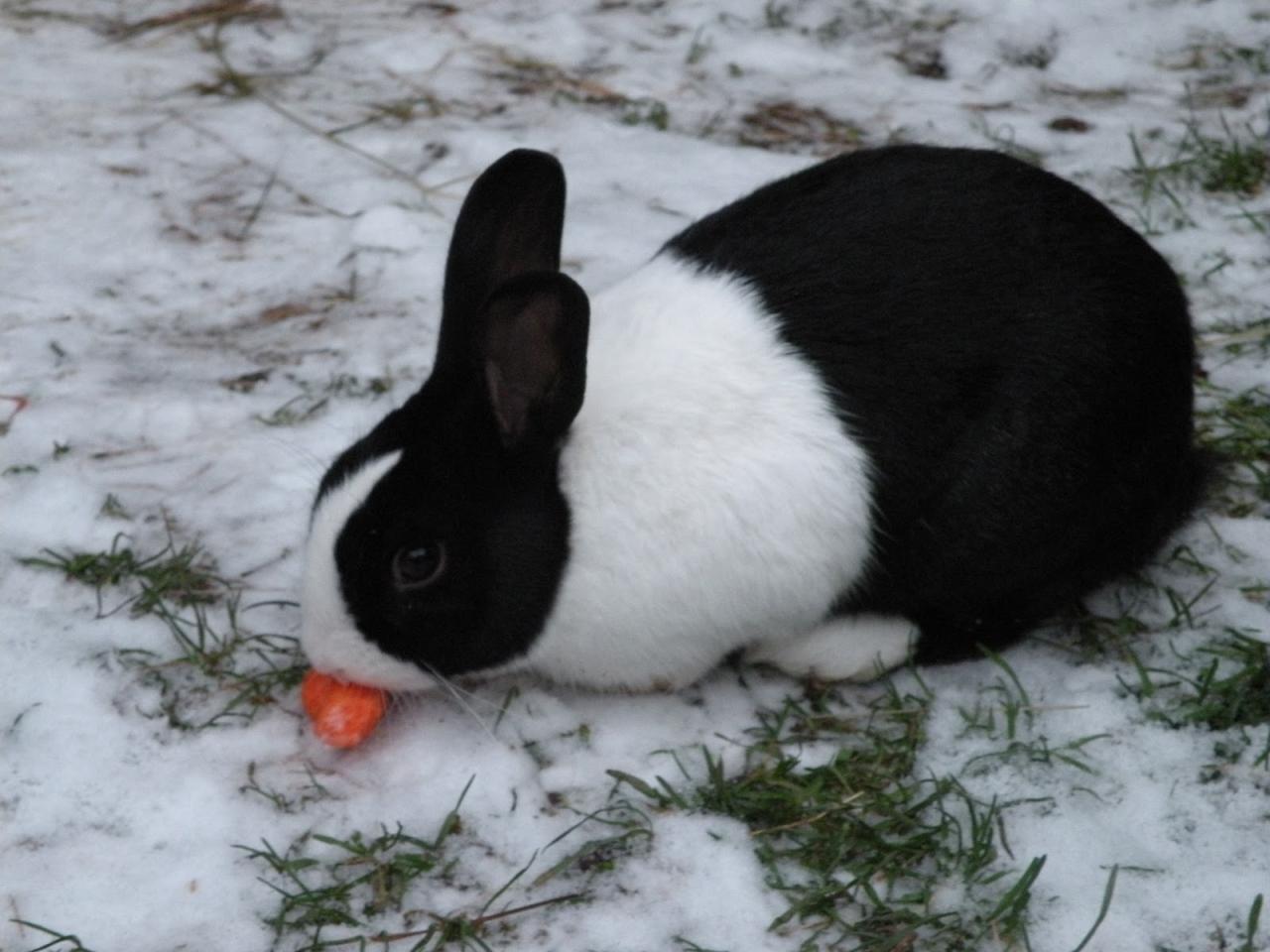
In conclusion, feeding rabbits vegetables correctly is essential for their health and happiness. By following the guidelines Artikeld in this comprehensive guide, you can ensure your rabbit receives a balanced diet that supports their overall well-being. Remember to prioritize fresh, high-quality vegetables, appropriate portion sizes, and careful monitoring of your rabbit’s response to new foods. A healthy rabbit is a happy rabbit!