Rabbits, with their delicate nature, are vulnerable to flea infestations. Understanding how to identify, prevent, and treat these pests is crucial for their health and well-being. This comprehensive guide delves into the intricacies of flea control, offering practical strategies for protecting your furry friend from these pesky parasites.
From recognizing the telltale signs of a flea infestation to implementing effective prevention and treatment methods, this guide equips you with the knowledge to maintain a flea-free environment for your rabbit. We’ll explore the science behind flea biology, discuss various treatment options, and highlight the importance of professional veterinary advice.
Identifying Flea Infestations in Rabbits
Rabbits, like other small mammals, can suffer from flea infestations. Early detection is crucial for effective treatment and preventing the spread of the problem. Recognizing the signs of fleas and differentiating them from other skin conditions is essential for proper rabbit care.Flea infestations in rabbits, if left untreated, can lead to severe skin irritation, anemia, and potentially life-threatening complications.
Prompt identification and treatment are therefore vital to ensure the rabbit’s well-being.
Physical Signs of Fleas on Rabbits
Flea infestations often manifest as noticeable physical signs on the rabbit. Careful observation is key to detecting these signs early. Fleas themselves are small, wingless insects, typically dark-colored, and visible to the naked eye. They are most commonly found in areas where rabbits groom themselves frequently, such as around the base of the ears, along the back, and on the hindquarters.
Rabbits may also exhibit signs of scratching or biting at these areas.
Stages of Flea Development
Fleas go through distinct stages of development, each with its own characteristics. Recognizing these stages can help in understanding the severity of an infestation. The eggs are tiny, oval-shaped, and white or yellowish. These eggs are typically laid in areas with high concentrations of rabbit activity, such as in the rabbit’s bedding or on its fur. Larvae are small, white, worm-like creatures that feed on flea dirt and organic debris.
Pupae are immobile, non-feeding, and encased in a protective cocoon. These cocoons are often found in similar locations as the eggs. Identifying these stages can be helpful for assessing the extent of the infestation.
Differentiating Flea Bites from Other Skin Irritations
It is crucial to differentiate flea bites from other skin irritations or allergies in rabbits. While flea bites often manifest as small, red bumps or welts, which can be itchy, they may be accompanied by excessive scratching. Other skin irritations, such as allergies to certain foods or materials, or skin mites, can also cause similar symptoms. A veterinarian can accurately diagnose the underlying cause of the skin irritation through a physical examination, a thorough history, and potentially skin scrapings to identify any parasites.
Careful observation and a thorough examination by a veterinarian are essential for accurate diagnosis.
Comparison of Flea Infestations with Other Rabbit Skin Problems
| Feature | Flea Infestation | Allergies | Mites (e.g., mange mites) ||—|—|—|—|| Appearance of skin lesions | Small, red bumps, welts, scabs, excessive scratching | Variable, can include redness, scaling, crusting, hair loss | Variable, can include hair loss, thickened skin, scabs, and lesions. Often a more diffuse pattern of skin irritation || Distribution of lesions | Often concentrated around the base of the ears, back, and hindquarters | Can be widespread depending on the allergen | Variable, often more widespread if a severe infestation.
|| Presence of insects | Fleas visible on the rabbit | No visible insects | Mites may be visible with a magnifying glass || Scratching/Biting | Frequent scratching or biting at affected areas | Frequent scratching or biting at affected areas | Frequent scratching or biting at affected areas || Other symptoms | Possible anemia if severe | May include digestive or respiratory problems depending on the allergen | May lead to hair loss, skin thickening, and lesions.
Other symptoms can vary by mite type. |
Prevention Strategies for Fleas
Preventing flea infestations in rabbits requires a multifaceted approach focusing on maintaining a clean environment and proactively addressing potential sources of infestation. Regular hygiene and vigilance are crucial for safeguarding your rabbit’s health and well-being. A proactive approach to flea prevention is far more effective than attempting to eradicate an established infestation.A clean and healthy environment significantly reduces the risk of fleas establishing a foothold.
By consistently maintaining cleanliness, you can minimize the availability of suitable breeding grounds and food sources for these parasites.
Environmental Hygiene
Maintaining a clean and flea-free environment is fundamental in preventing rabbit flea infestations. This involves meticulous cleaning and regular sanitation of the rabbit’s hutch and surrounding area. Flea eggs and larvae can easily thrive in cluttered or poorly maintained spaces.
- Regular Hutch Cleaning: Regularly clean and disinfect the hutch, including bedding, food and water bowls, and any toys or furnishings. Use a mild, rabbit-safe disinfectant solution, ensuring thorough rinsing to avoid residues that could irritate your rabbit. Replace bedding frequently (at least weekly) with fresh, clean material. Avoid using harsh chemicals or scented products that could be harmful to your rabbit.
- Sanitation of Surroundings: Extend the cleaning efforts beyond the hutch. Regularly vacuum or sweep the area around the hutch, including the floor and any carpets or rugs. Wash any rabbit-related items, such as grooming tools, with a mild detergent and hot water to eliminate any flea eggs or larvae.
Grooming and Inspection
Regular grooming and thorough inspections of your rabbit can help detect and prevent flea infestations in their early stages. Early detection allows for prompt intervention and minimizes the risk of the infestation spreading.
- Regular Grooming: Regular brushing and combing helps remove loose fur, debris, and any potential fleas or flea eggs. This routine maintenance can significantly reduce the likelihood of a flea infestation. Look for signs of flea activity during these sessions, such as small, dark spots on the rabbit’s skin.
- Visual Inspections: Daily or at least every few days, visually inspect your rabbit for signs of flea activity. Check around the rabbit’s neck, ears, and base of the tail, as these are common areas for fleas to hide. Note any unusual scratching or biting behavior. Pay particular attention to areas of the rabbit’s body where skin is thinner or more delicate.
Flea Prevention Products
Various flea prevention products are available for rabbits, each with its application method and specific considerations. Always consult with a veterinarian before using any new product to ensure its safety for your rabbit.
- Topical Treatments: Some topical flea prevention products are available for rabbits. These typically come in the form of a liquid or cream and are applied to the rabbit’s skin. These products often require careful application to specific areas, following the product’s instructions meticulously. Always test a small area of the rabbit’s skin before applying the product to the entire body.
- Oral Medications: Oral medications are another option for flea prevention in rabbits. These are typically formulated to be fed directly to the rabbit in their food or water. Follow the dosage instructions provided by the veterinarian and product manufacturer carefully. These medications can be effective but are often used as a supplemental strategy alongside environmental controls.
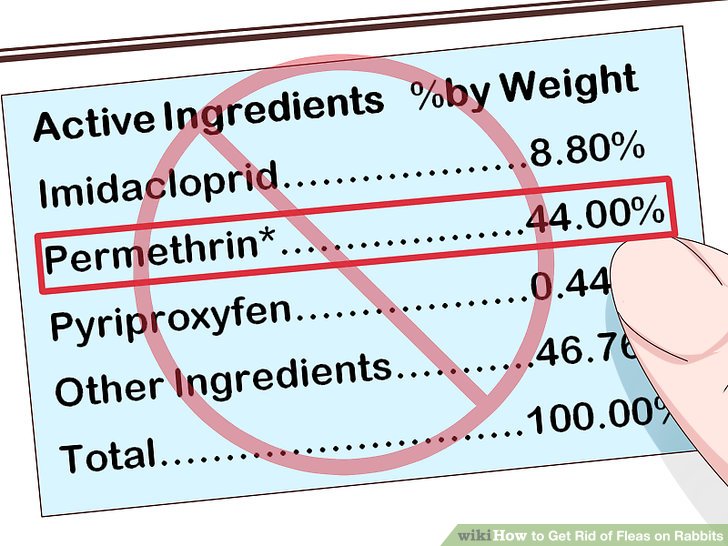
- Example: A topical flea treatment for rabbits might contain ingredients such as fipronil or permethrin. Always check the product’s label for specific instructions and warnings regarding the safety of application. The concentration and application method should always follow veterinary guidelines.
Preventing External Infestations
Controlling external sources of fleas is crucial to prevent infestations in your rabbit’s environment. Fleas can easily be introduced from other animals or the outdoors.
- Quarantine New Animals: If you introduce a new pet or animal to your home, quarantine it for a period of time to observe for any signs of fleas. This precautionary measure can prevent fleas from being introduced to your rabbits.
- Outdoor Protection: Keep the rabbit hutch and surrounding area away from potential sources of outdoor flea infestation. Maintain the surrounding area free of wild animals or rodents, which can act as carriers of fleas.
- Outdoor Precautions: Limit your rabbit’s outdoor access if possible. If your rabbit does go outdoors, ensure the area is free of fleas or other pests. Regularly check your rabbit for fleas after outdoor time.
Flea Treatment Options for Rabbits
Proper flea treatment for rabbits is crucial for their health and well-being. A veterinarian’s guidance is essential to ensure the chosen treatment is safe and effective. Incorrect treatments can lead to adverse reactions or ineffective flea control.Effective flea control in rabbits requires a multifaceted approach. Identifying and addressing the infestation promptly, combined with appropriate treatment, minimizes potential harm.
This section explores various treatment options, highlighting safety precautions and important considerations.
Safe and Effective Flea Treatment Options
Selecting the right flea treatment for rabbits depends on several factors, including the severity of the infestation, the rabbit’s age and health, and the specific flea treatment product. Consulting a veterinarian is paramount to determine the most suitable approach for each individual rabbit.
- Topical Treatments: Topical treatments are applied directly to the rabbit’s skin. These often come in the form of spot-on solutions or lotions. They can be effective for localized infestations but require careful application to avoid accidental ingestion or irritation. Always follow the veterinarian’s instructions regarding dosage and application frequency.
- Oral Treatments: Oral treatments, in the form of tablets or chewable medications, are administered by mouth. These can be effective for systemic flea control, targeting fleas throughout the rabbit’s body. However, the correct dosage is critical to avoid potential side effects. Consult your veterinarian about the appropriateness of oral treatments for your rabbit.
- Environmental Control: While not a treatment for the rabbit itself, addressing the environment is vital. A clean living space, free from potential flea breeding grounds, can significantly reduce the risk of re-infestation. Regular cleaning with appropriate cleaning solutions is a key part of a preventative approach.
Potential Risks and Side Effects
Certain flea treatments, if not administered correctly or in the proper dosage, can pose risks to rabbits. Possible side effects include skin irritation, digestive upset, and allergic reactions. It is imperative to be vigilant for any adverse effects following treatment.
- Skin Irritation: Topical treatments can sometimes cause skin irritation, redness, or itching. Careful monitoring of the application site is necessary. If irritation occurs, discontinue use and consult a veterinarian immediately.
- Ingestion: Accidental ingestion of topical treatments can lead to gastrointestinal issues. Care must be taken to avoid licking or chewing treated areas.
- Allergic Reactions: Rarely, rabbits can experience allergic reactions to certain flea treatments. Symptoms may include hives, swelling, or difficulty breathing. Immediate veterinary attention is crucial if such reactions occur.
Importance of Veterinary Consultation
Before administering any flea treatment to a rabbit, a veterinary consultation is essential. Veterinarians can assess the specific needs of the rabbit, identify the type of fleas present, and recommend the safest and most effective treatment plan.
Veterinarians possess the expertise to tailor treatment protocols to individual rabbits, minimizing risks and maximizing efficacy.
Comparison of Flea Treatment Products
Different flea treatment products for rabbits vary in active ingredients and efficacy. It is important to select products specifically formulated for rabbits. Active ingredients and efficacy are key considerations when choosing a treatment.
| Flea Treatment | Active Ingredient | Efficacy | Safety Rating (1-5, 5 being highest) |
|---|---|---|---|
| Example Product A | Fipronil | High | 4 |
| Example Product B | Imidacloprid | Moderate | 3 |
| Example Product C | Selamectin | Very High | 5 |
Dosage and Application Procedures
Adhering to the correct dosage and application procedures is crucial for effective flea treatment and to minimize potential harm. Following the instructions provided by the manufacturer and your veterinarian is paramount.
- Dosage: Always follow the recommended dosage for the rabbit’s weight and age as specified on the product label and by your veterinarian.
- Application: Use the correct application method prescribed by the product instructions and your veterinarian. Be mindful of the rabbit’s comfort and safety during the procedure.
Environmental Control Measures
Maintaining a clean and flea-free environment is crucial in preventing rabbit flea infestations. Proper sanitation and proactive measures are vital in disrupting the flea life cycle and protecting rabbits from re-infestation. This involves more than just cleaning the rabbit’s hutch; it extends to the surrounding areas where fleas can breed and hide.Effective environmental control strategies are a critical component of a comprehensive flea management plan for rabbits.
These strategies, combined with other preventive measures, form a robust defense against flea infestations. Consistent implementation of these methods significantly reduces the likelihood of flea problems recurring.
Methods for Reducing Flea Populations
Implementing effective strategies to minimize flea populations in the rabbit’s environment is essential for long-term flea control. These methods aim to disrupt the flea life cycle by eliminating breeding grounds and hiding places.
- Regular Hutch Cleaning: Regularly cleaning the rabbit’s hutch, including bedding, food and water bowls, and any toys or furniture, is vital. This removes flea eggs, larvae, and adult fleas, interrupting their development. Frequent cleaning is essential to prevent flea breeding grounds. This includes removing soiled bedding and replacing it with fresh, clean material.
- Deep Cleaning and Disinfection: Regular cleaning is not enough to eliminate flea eggs and larvae hidden in crevices and hard-to-reach areas. Deep cleaning, including thoroughly disinfecting the hutch with a pet-safe disinfectant, is essential. This process ensures that flea eggs and larvae are eliminated. This may involve using a specialized flea spray or a solution of mild disinfectant. It’s important to ensure the disinfectant is safe for rabbits to avoid any adverse health effects.
- Cleaning the Surrounding Area: Fleas can live in the environment around the rabbit’s hutch. Regularly cleaning the area around the hutch, including the floor, walls, and any potential hiding spots, is important. Vacuuming and mopping frequently, especially in areas where rabbits roam, will remove fleas and their eggs from the environment.
- Preventing Flea Entry: Blocking potential entry points for fleas is a proactive measure. Inspect the hutch and surrounding areas for any cracks, gaps, or holes that could allow fleas to enter. Seal these openings with appropriate materials to prevent flea access.
- Use of Flea-Safe Bedding: The choice of bedding material can influence flea control. Using bedding that is difficult for fleas to lay eggs on and that can be easily cleaned can contribute to a flea-free environment. Materials such as paper bedding or fleece are preferred to reduce flea populations compared to wool or straw, which can hold more moisture.
Effectiveness of Environmental Control Methods
The effectiveness of environmental control methods depends on the thoroughness and consistency of application. Regular cleaning and disinfection significantly reduce flea populations. Deep cleaning and surrounding area sanitation are critical for eliminating flea eggs and larvae, which are often hidden in hard-to-reach places.
| Environmental Control Method | Effectiveness against Fleas |
|---|---|
| Regular Hutch Cleaning | High – removes adult fleas, eggs, and larvae, interrupting the life cycle. |
| Deep Cleaning and Disinfection | Very High – eliminates hidden flea eggs and larvae in hard-to-reach areas, disrupting the life cycle. |
| Cleaning the Surrounding Area | Moderate – reduces the flea population in the overall environment, preventing re-infestation. |
| Preventing Flea Entry | High – prevents new fleas from entering the environment. |
| Using Flea-Safe Bedding | Moderate – reduces the surface area available for flea eggs and larvae. |
Sanitation and Flea Egg/Larva Elimination
Maintaining meticulous sanitation is fundamental to preventing flea infestations. Sanitation procedures aim to eliminate flea eggs and larvae, interrupting their development and reducing the overall flea population.
- Regular Vacuuming and Pest Control: Vacuuming frequently in the rabbit’s hutch and surrounding areas can remove flea eggs, larvae, and adult fleas. Consider professional pest control services to eliminate any remaining fleas or their eggs.
- Proper Disposal of Infested Materials: Proper disposal of infested materials, such as soiled bedding, is crucial. Avoid composting or disposing of these materials in areas where rabbits may access them. This prevents the possibility of fleas or their life cycle stages returning to the rabbit’s environment.
Understanding Flea Biology
Fleas are tiny, blood-sucking insects that can cause significant discomfort and health problems for rabbits. Understanding their biology, including their life cycle, feeding habits, and reproduction, is crucial for effective flea control and prevention. This knowledge empowers rabbit owners to implement targeted strategies to eliminate fleas and protect their furry companions.A comprehensive understanding of flea biology is essential for effectively managing flea infestations in rabbits.
Knowing how fleas reproduce, spread, and survive allows for the development of more effective prevention and treatment strategies. This knowledge also helps in recognizing the signs of an infestation early, which is key to minimizing the impact on the rabbit’s health and well-being.
Flea Life Cycle
The flea life cycle involves four distinct stages: egg, larva, pupa, and adult. Understanding these stages is critical for implementing targeted control measures. Fleas lay eggs that fall onto the environment, typically the host’s fur or bedding. The eggs hatch into larvae, which feed on organic matter, often in the rabbit’s environment. After a period of development, the larvae transform into pupae, a protective stage where they remain dormant until an adult flea emerges.
The adult flea, after emerging, is ready to mate and begin the cycle again, potentially laying thousands of eggs.
Flea Feeding Habits and Infestation
Fleas are obligate blood feeders, meaning they require blood to survive and reproduce. They use their piercing mouthparts to feed on the blood of their hosts, which in this case is the rabbit. Rabbits, particularly those living in close proximity to other rabbits or in shared environments, are more susceptible to flea infestations. Infestations can quickly spread if not addressed promptly.
The rabbit’s reaction to flea bites can range from mild irritation to more serious health issues, depending on the rabbit’s overall health and the severity of the infestation.
Flea Anatomy and Adaptations
Fleas possess several anatomical adaptations that enable them to thrive as parasites. These include specialized mouthparts for feeding, strong legs for jumping, and a hard exoskeleton for protection. Their bodies are flattened dorsoventrally, allowing them to move through fur easily. Their specialized mouthparts enable them to pierce the skin of the host and suck blood effectively. This adaptation plays a critical role in their survival and propagation.
Flea Reproduction and Spread
Fleas reproduce sexually. The female flea lays hundreds of eggs, which quickly disperse into the environment. These eggs are often found in the rabbit’s bedding, fur, and surrounding areas. These environments provide the ideal conditions for flea reproduction and spread. The rapid reproduction rate of fleas makes effective control measures essential to prevent a widespread infestation.
A flea infestation can spread rapidly within a household or rabbit colony if not addressed promptly.
Role of Fleas in Disease Transmission
Fleas can transmit diseases to rabbits. They can act as vectors, carrying pathogens from one animal to another. For example, fleas can carry bacteria that cause diseases such as tularemia. They can also carry parasites that cause other health problems. Prompt identification and treatment of flea infestations are crucial to prevent the transmission of diseases.
By addressing the flea infestation early, the spread of potentially harmful diseases is significantly minimized.
Illustration of a Flea
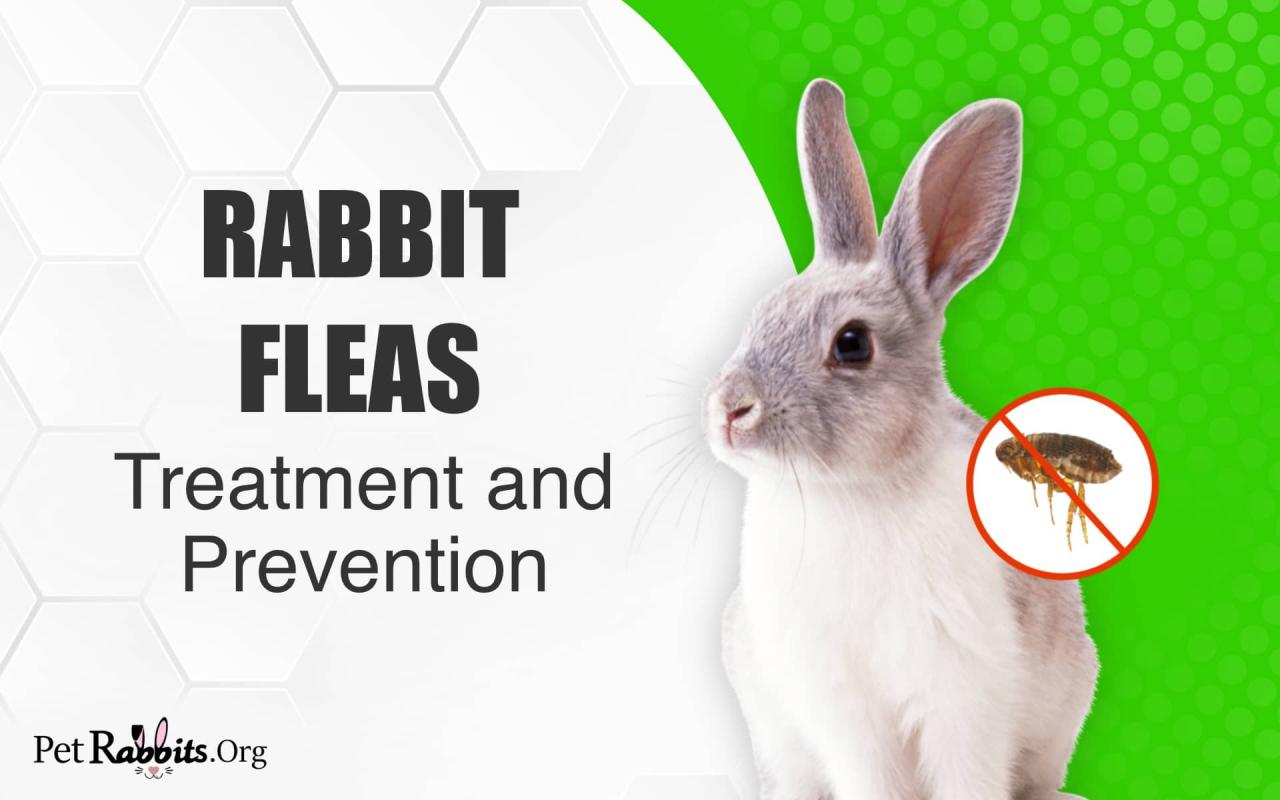
Imagine a tiny, dark-colored insect, approximately 2-3 millimeters in length. Its body is flattened from side to side, enabling it to move easily through fur. Notice its six legs, especially the powerful hind legs adapted for jumping. Its mouthparts are piercing and sucking, perfectly designed for feeding on blood. The hard exoskeleton provides protection.
These features are crucial to its parasitic lifestyle.
Professional Veterinary Advice
Seeking professional veterinary care is crucial for rabbits experiencing severe or persistent flea infestations. A veterinarian possesses the expertise and tools to accurately diagnose the problem, develop a tailored treatment plan, and monitor the rabbit’s response throughout the process. Their guidance ensures the rabbit receives the most effective and safest care, minimizing the risk of complications.Veterinary intervention is vital, particularly for rabbits showing signs of distress, discomfort, or a failure to respond to home remedies.
A vet can provide a definitive diagnosis, differentiate flea issues from other potential health concerns, and administer appropriate treatment, ensuring the rabbit’s well-being.
Diagnostic Tools
Veterinarians employ a range of diagnostic methods to pinpoint the presence and severity of flea infestations. These methods are essential to ensure the correct diagnosis and treatment for the rabbit. A thorough physical examination of the rabbit, including a detailed inspection of the skin and coat for fleas, flea dirt, or signs of itching, is often the first step.
This may include checking for areas of hair loss or skin lesions.A veterinarian might also utilize a flea comb to meticulously examine the rabbit’s coat for live fleas and flea dirt. Flea dirt, the dark, tiny fecal matter of fleas, can be a strong indicator of an infestation. Further diagnostics, like skin scrapings or cytology, might be necessary if the cause of the rabbit’s skin problems is unclear.
These procedures involve collecting skin samples for microscopic examination to identify any underlying skin conditions.
Treatment Options
Veterinarians tailor flea treatment plans to individual rabbit needs, taking into account the rabbit’s age, overall health, and the severity of the infestation. A wide range of treatments is available, ranging from topical medications to oral medications. The choice of treatment will depend on several factors, including the extent of the infestation and the rabbit’s overall health. It is important to note that some flea treatments used in dogs and cats are not suitable for rabbits and could be harmful.
Always follow the veterinarian’s prescribed treatment plan and dosage carefully. Failure to do so can lead to treatment failure and potential harm to the rabbit.
A veterinarian can also provide advice on environmental control measures to minimize the risk of future infestations.
Common Flea Treatments and Costs
Accurate cost estimations for flea treatments vary widely depending on the specific treatment, the severity of the infestation, and the geographic location of the veterinary clinic. It’s advisable to discuss the costs with the veterinarian before commencing any treatment.
| Treatment Option | Description | Typical Cost Range (USD) |
|---|---|---|
| Topical Medications | Liquid or cream formulations applied directly to the rabbit’s skin. | $25 – $75 |
| Oral Medications | Tablets or capsules given orally. | $30 – $100 |
| Environmental Treatments (e.g., flea sprays) | Designed to eliminate fleas from the rabbit’s environment. | $15 – $50 |
Last Word
In conclusion, protecting rabbits from fleas requires a multi-faceted approach encompassing prevention, identification, and treatment. By understanding flea biology, implementing effective environmental controls, and utilizing safe and appropriate treatment methods, you can safeguard your rabbit’s health and happiness. Remember, consulting your veterinarian is essential for any concerns regarding flea infestations.