Rabbit obesity, a prevalent issue impacting the well-being of these charming creatures, can stem from various factors. Understanding their unique physiology, dietary needs, and exercise requirements is crucial in preventing this condition. This guide offers a comprehensive approach to rabbit weight management, from foundational knowledge of their anatomy to practical strategies for proactive weight maintenance.
This guide delves into the multifaceted aspects of rabbit obesity prevention. We will explore the interplay of diet, exercise, and underlying health conditions, equipping you with the knowledge and tools to ensure your rabbit enjoys a long and healthy life.
Understanding Rabbit Anatomy and Physiology
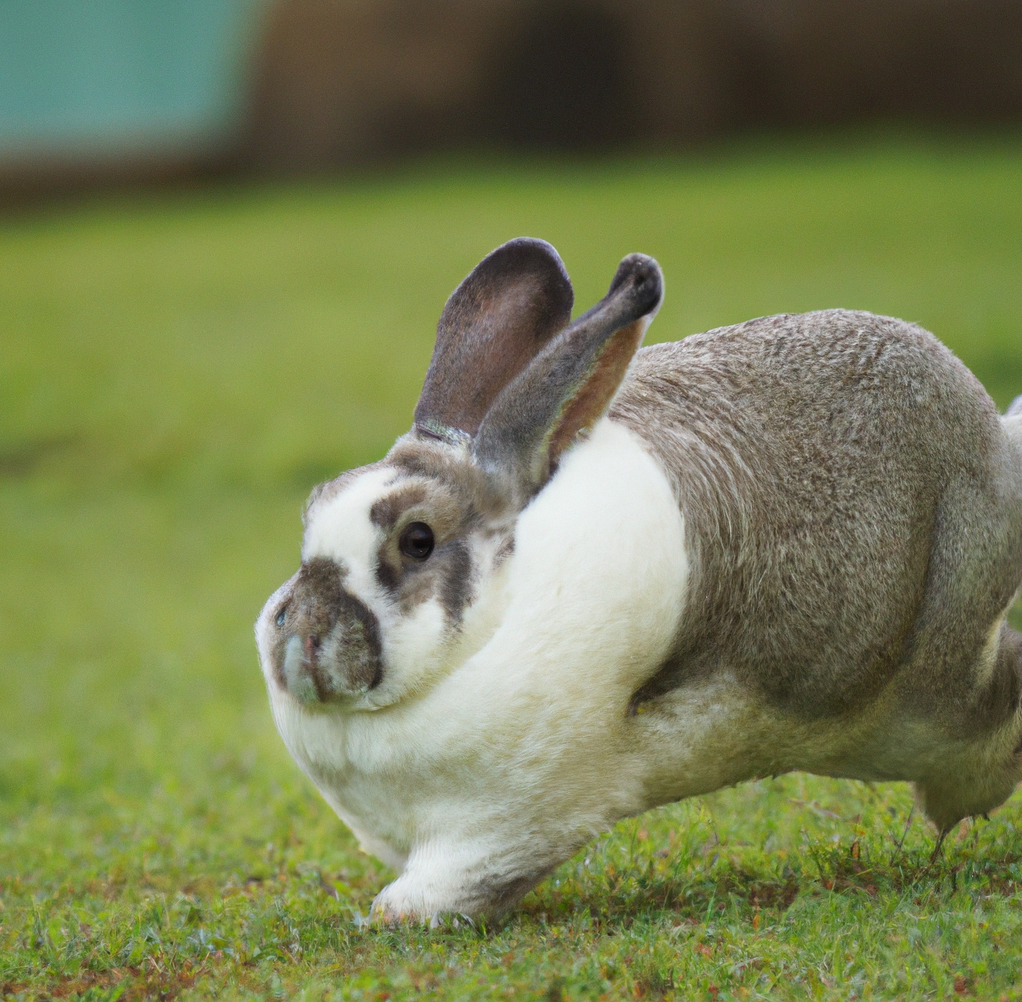
Rabbits possess a unique physiology that significantly impacts their weight management. Their digestive system, metabolic processes, and body fat composition all play crucial roles in determining their susceptibility to obesity. Understanding these factors is vital for responsible rabbit owners to maintain a healthy weight and prevent potential health problems.A comprehensive understanding of rabbit anatomy and physiology is essential for effective weight management strategies.
This involves recognizing the specific needs of their digestive systems, metabolic processes, and body composition, which often differ from other common household pets. Understanding their typical growth patterns and energy requirements allows for the development of tailored feeding plans that promote optimal health and prevent obesity.
Rabbit Digestive System and Weight Management
The digestive system of rabbits is highly specialized for efficient fiber digestion. Their cecum, a large pouch in the large intestine, houses a rich community of bacteria crucial for fermenting plant matter. This process generates energy and essential nutrients. However, this unique system requires a consistent supply of high-fiber food to function optimally. An imbalance in diet, leading to insufficient fiber or excessive calorie intake, can disrupt this delicate equilibrium, contributing to weight gain.
Metabolic Processes and Obesity
Rabbits exhibit specific metabolic responses that can influence weight gain. For instance, their high activity levels, particularly in the wild, require a considerable energy expenditure. However, an imbalance between energy intake and expenditure can lead to excess fat storage, ultimately causing obesity. Factors such as decreased activity levels, excessive feeding, or the consumption of high-calorie foods can significantly contribute to this imbalance.
Body Fat Deposits and Health Implications
Rabbits, like other animals, store energy in the form of fat. Excess fat accumulation can negatively impact their overall health. Visceral fat, located around the internal organs, and subcutaneous fat, just beneath the skin, are the primary types of fat deposits in rabbits. Visceral fat deposition can lead to organ dysfunction and increased risk of metabolic disorders.
Subcutaneous fat accumulation, while not as detrimental, can also lead to obesity-related health issues and negatively affect their appearance. The accumulation of fat in these areas can be readily observed by a knowledgeable veterinarian.
Typical Growth Patterns and Healthy Weight Ranges
Rabbits experience different growth rates depending on breed and sex. Young rabbits, especially during the growth spurt, require a higher energy intake to support their development. Overfeeding during this period can lead to rapid weight gain and potential obesity. Adult rabbits, on the other hand, have lower energy requirements, and maintaining a healthy weight requires a balanced diet and appropriate exercise.
Determining the healthy weight range for each stage of a rabbit’s life is critical to ensuring their well-being. A veterinarian can provide accurate guidance on appropriate weight ranges based on specific breed, age, and size.
Energy Needs of Different Rabbit Breeds and Sizes
| Breed/Size | Estimated Daily Energy Needs (kcal) |
|---|---|
| Small Breed (e.g., Dutch, Lionhead) | 25-40 |
| Medium Breed (e.g., Flemish Giant) | 40-60 |
| Large Breed (e.g., Californian) | 60-80 |
This table provides a general comparison of estimated daily energy needs for different rabbit breeds and sizes. These values are approximations and can vary based on factors such as individual metabolism, activity level, and overall health. A veterinarian can provide a more precise assessment of individual energy requirements.
Dietary Management for Weight Control
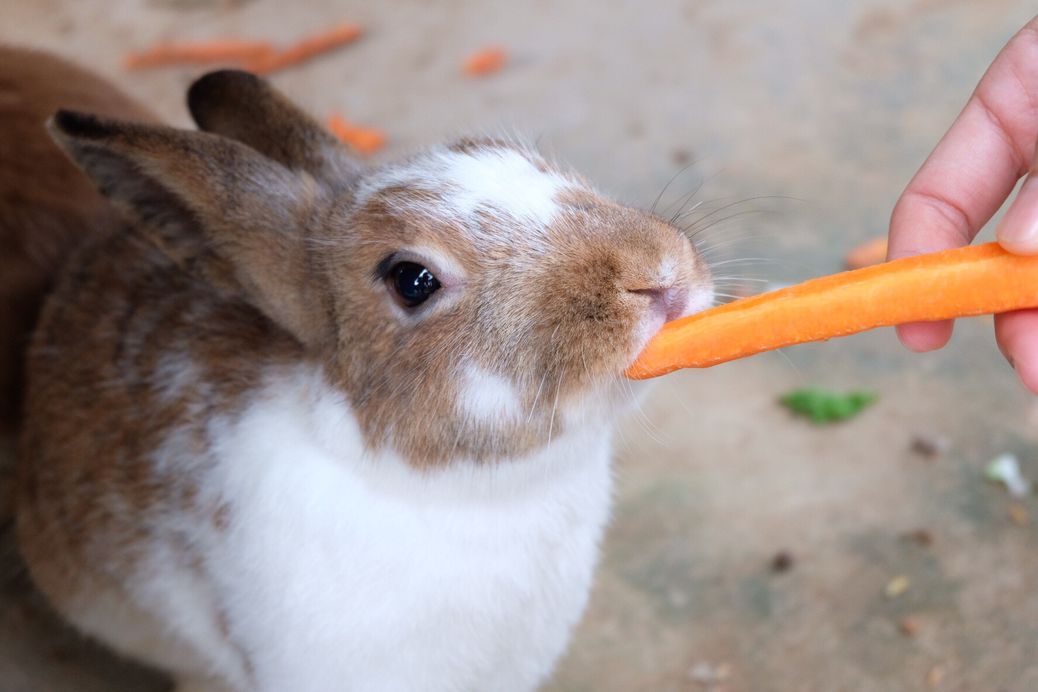
Proper dietary management is crucial for maintaining a healthy weight in rabbits. A balanced diet, tailored to individual needs, is essential for preventing obesity and promoting overall well-being. This involves understanding the nutritional content of various food types and calculating appropriate portions based on factors like size and activity.Careful attention to portion sizes and the types of foods provided is paramount in preventing rabbits from becoming overweight.
This detailed guide provides insights into managing a rabbit’s diet effectively for weight control, encompassing hay, pellets, vegetables, and fruits, while emphasizing the importance of unlimited fresh hay.
Nutritional Value of Rabbit Food Types
Understanding the nutritional content of different food types is essential for creating a balanced diet. A comprehensive approach to dietary management involves carefully considering the nutritional profiles of hay, pellets, and vegetables. This allows for tailored portioning and prevents imbalances.
| Food Type | Nutritional Value |
|---|---|
| Hay (e.g., Timothy, Orchardgrass) | High in fiber, low in calories. Provides essential roughage for digestion and promotes satiety. A primary source of vitamins and minerals. |
| Rabbit Pellets | A concentrated source of nutrients, including protein, vitamins, and minerals. Provides a supplement to hay, ensuring the rabbit receives necessary nutrients. Crucial for meeting specific needs, especially in growing or pregnant rabbits. |
| Vegetables (e.g., carrots, leafy greens) | Provide essential vitamins, minerals, and fiber. Important sources of antioxidants and support overall health. Varying types offer different nutritional profiles. |
Calculating Daily Food Portions
Determining appropriate daily food portions for rabbits depends on several factors. Rabbit size, age, activity level, and any underlying health conditions play a significant role in determining appropriate quantities.
Daily portion sizes should be adjusted based on the rabbit’s individual needs. A general guideline is to start with 1/4 to 1/3 cup of pellets per 5 pounds of body weight, adjusting as needed based on the rabbit’s response. This should be in addition to unlimited hay.
Importance of Unlimited Fresh Hay
Fresh hay, such as Timothy or Orchardgrass, is crucial for a rabbit’s digestive health. It provides essential roughage, promoting proper gut motility and preventing digestive issues. Its high fiber content contributes to a feeling of fullness, which is essential in managing weight.
Portion Sizes for Vegetables and Fruits
Vegetables should be offered in moderate portions, as some contain higher calorie counts. Fruits should be given sparingly due to their higher sugar content.
- Leafy greens (e.g., romaine lettuce, kale) are excellent choices due to their high nutrient density and low calorie count.
- Root vegetables (e.g., carrots, sweet potatoes) should be given in smaller quantities due to their higher carbohydrate content.
- Fruits (e.g., berries, melon) should be offered in very small amounts, if at all, because of their high sugar content.
Risks of Overfeeding and Nutrient Imbalances
Overfeeding can lead to obesity, digestive issues, and other health problems. Nutrient imbalances can arise from providing insufficient or excessive amounts of specific food types.
Sample Weekly Meal Plan for an Overweight Rabbit
A sample weekly meal plan for a rabbit with a tendency toward obesity emphasizes high-fiber foods and limited calorie-dense options.
- Monday: Unlimited Timothy hay, 1/4 cup pellets, 1 cup chopped romaine lettuce, 1/2 cup chopped parsley, small piece of cucumber.
- Tuesday: Unlimited Timothy hay, 1/4 cup pellets, 1 cup chopped spinach, 1/4 cup chopped carrots, small piece of apple.
- Wednesday: Unlimited Timothy hay, 1/4 cup pellets, 1 cup chopped dandelion greens, 1/4 cup chopped bell pepper, 1/2 cup broccoli florets.
- Thursday: Unlimited Timothy hay, 1/4 cup pellets, 1 cup chopped kale, 1/4 cup chopped zucchini, small piece of pear.
- Friday: Unlimited Timothy hay, 1/4 cup pellets, 1 cup chopped parsley, 1/2 cup chopped celery, small piece of cherry.
- Saturday: Unlimited Timothy hay, 1/4 cup pellets, 1 cup chopped romaine lettuce, 1/4 cup chopped bell pepper, small piece of banana.
- Sunday: Unlimited Timothy hay, 1/4 cup pellets, 1 cup chopped spinach, 1/4 cup chopped carrots, small piece of peach.
Comparing Rabbit Pellets for Weight Management
Choosing the right rabbit pellets is essential for weight management. Look for pellets formulated with high fiber content and lower calorie counts.
- High-fiber pellets are generally better suited for weight management due to their higher roughage content, promoting satiety and preventing overconsumption.
- Pellets with lower calorie density are crucial in limiting calorie intake, contributing to successful weight loss.
Exercise and Enrichment
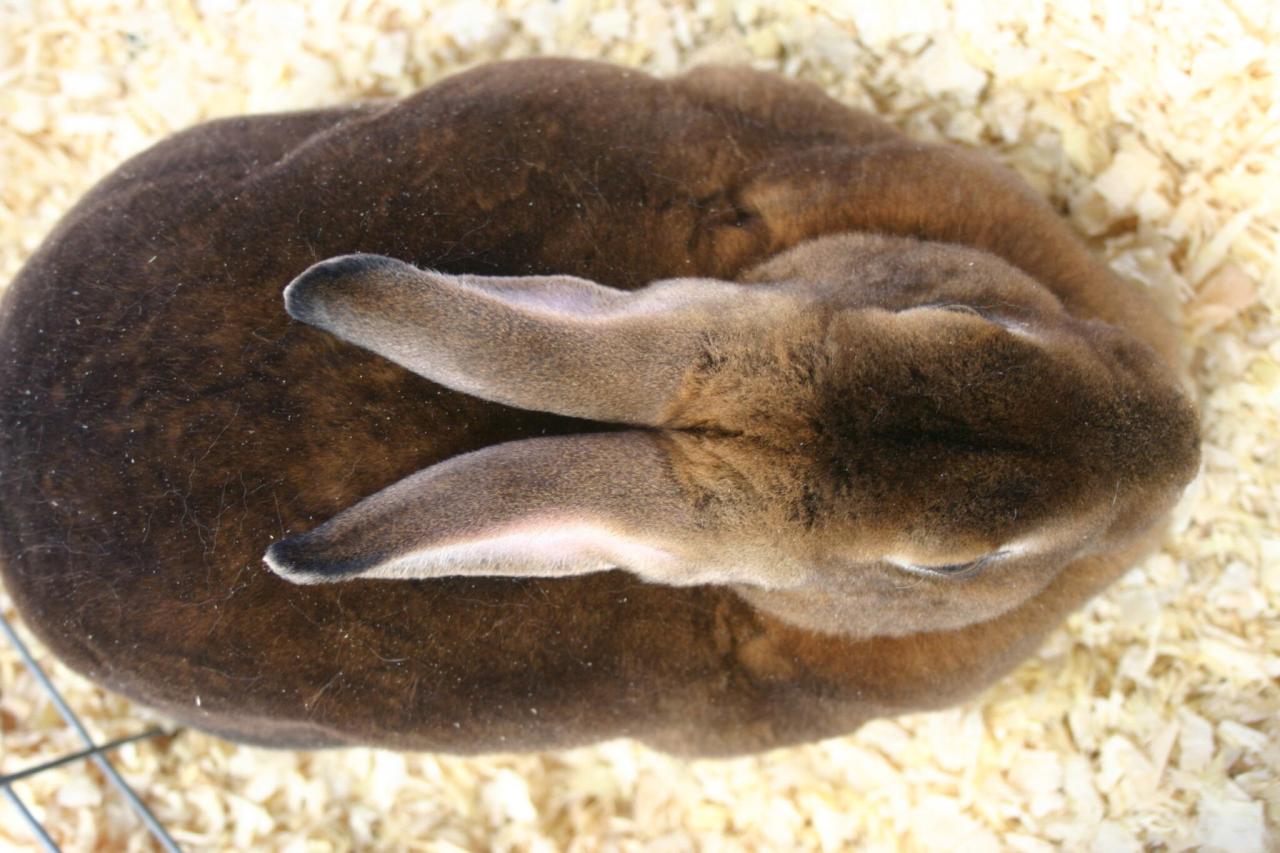
Maintaining a healthy weight in rabbits requires a multifaceted approach, encompassing proper nutrition, regular veterinary check-ups, and, crucially, sufficient exercise and mental stimulation. Exercise is vital for maintaining a rabbit’s physical well-being, while enrichment activities are essential for their psychological health, preventing boredom and stress-related overeating. A stimulating environment tailored to their natural behaviors is key to promoting a happy and healthy rabbit.Adequate exercise helps rabbits maintain a healthy weight by burning calories and strengthening their muscles.
This is particularly important for rabbits who are prone to obesity due to their sedentary nature or limited access to appropriate exercise opportunities. Enrichment activities not only promote physical activity but also provide opportunities for mental stimulation, reducing the likelihood of boredom and stress-related overeating.
Importance of Regular Exercise
Regular exercise is paramount for maintaining a healthy weight in rabbits. A lack of physical activity can lead to weight gain, increased risk of health problems such as arthritis and heart disease, and a reduction in overall quality of life. Exercise strengthens their musculoskeletal system, improves their cardiovascular health, and helps maintain a healthy body condition score.
Examples of Safe and Effective Exercise Routines
A safe and effective exercise routine for rabbits involves supervised sessions in a secure and rabbit-proofed area. Short, frequent exercise periods are preferable to long, strenuous ones. Allow your rabbit to explore a variety of environments within their enclosure, using tunnels, ramps, and elevated platforms to encourage movement. Supervision is crucial to prevent injuries and ensure the rabbit does not engage in behaviors that could cause harm.
Enrichment Activities
Enrichment activities can significantly enhance a rabbit’s physical activity levels. Providing a variety of textures and materials in their enclosure, such as different types of hay, wood chew toys, and paper-based enrichment materials, encourages foraging and chewing, which are natural behaviors that promote physical activity.
Psychological Benefits of Enrichment
Enrichment activities are not just about physical activity; they are crucial for a rabbit’s mental well-being. A stimulating environment reduces boredom, stress, and the potential for stress-related overeating. Rabbits are intelligent and social animals; providing opportunities for exploration, interaction, and problem-solving activities can significantly improve their overall quality of life.
Creating a Stimulating Environment
A stimulating environment encourages natural behaviors such as foraging, digging, and exploring. This includes incorporating various textures, heights, and hiding places within the enclosure. Providing multiple, varied feeding stations, and placing toys and puzzle feeders, helps promote foraging and encourages exploration. Creating a space that mimics their natural environment fosters a feeling of security and reduces stress.
Comparison of Exercise Equipment
| Exercise Equipment | Suitability for Rabbits | Considerations |
|---|---|---|
| Tunnels | High | Ensure tunnels are made of non-toxic materials and are a suitable size for the rabbit. |
| Ramps and Bridges | Medium | Choose ramps and bridges with a non-slip surface. |
| Elevated Platforms | High | Platforms should be sturdy and easily accessible. |
| Chew Toys | High | Provide a variety of chew toys to promote dental health and physical activity. |
| Puzzle Feeders | High | These encourage foraging behavior and provide mental stimulation. |
Potential Obstacles to Exercise and Solutions
Some rabbits may be hesitant to exercise, particularly if they have experienced previous negative experiences or have limited access to appropriate environments. Providing a safe, enclosed space for exploration is crucial to building trust and encouraging exercise. Gradually introduce new exercise opportunities to avoid overwhelming the rabbit. Encouraging play and exploration in a positive environment can significantly increase their willingness to engage in physical activity.
Identifying and Addressing Underlying Issues
Addressing potential underlying health issues is crucial in managing a rabbit’s weight effectively. Ignoring these issues can lead to a worsening condition and hinder efforts to achieve healthy weight management. Proper identification and prompt veterinary intervention are key to successful weight control and overall rabbit well-being.A rabbit’s weight gain is not always solely due to dietary indiscretions or lack of exercise.
Underlying health conditions can significantly impact a rabbit’s appetite, activity levels, and metabolism, leading to weight fluctuations that may mimic obesity. Understanding these potential factors is essential for implementing targeted interventions and ensuring the rabbit receives the best possible care.
Potential Health Conditions Contributing to Obesity
Identifying potential health issues that might contribute to obesity is essential for a comprehensive weight management plan. Several medical conditions can affect a rabbit’s appetite and energy expenditure, leading to unintended weight gain.
- Dental problems, such as malocclusion (misalignment of teeth) or overgrown teeth, can cause pain and difficulty eating. This discomfort can lead to decreased food intake and subsequently, weight loss, but can also result in overeating as the rabbit tries to compensate for the discomfort. Rabbits with dental issues often experience discomfort while eating, leading to reduced food consumption and weight loss.
Conversely, some rabbits might overeat in an attempt to compensate for the pain, leading to obesity.
- Gastrointestinal disorders, such as digestive blockages or inflammatory bowel disease, can alter a rabbit’s metabolism and impact their ability to absorb nutrients effectively. These issues can lead to decreased energy levels and reduced activity, impacting the rabbit’s weight management.
- Endocrine disorders, such as hypothyroidism or hyperthyroidism, can influence metabolism and appetite. These conditions can lead to weight gain or loss depending on the specific hormonal imbalance. For instance, hypothyroidism slows down metabolism, potentially leading to weight gain.
- Infections, such as upper respiratory infections (URIs) or other systemic infections, can decrease appetite and energy levels. A rabbit experiencing a fever or other systemic illness may have a reduced desire to eat, leading to weight loss. However, some infections can also lead to a temporary increase in appetite, potentially contributing to weight gain.
- Pain or injury, whether acute or chronic, can reduce a rabbit’s activity level and appetite. A rabbit experiencing pain from an injury or arthritis might reduce their activity, which can impact their weight management.
Recognizing Signs of Illness or Discomfort
Regular observation is vital for detecting potential health issues affecting a rabbit’s appetite or activity level. Changes in behaviour, appetite, or overall well-being can signal underlying conditions.
- Changes in eating habits, such as decreased or increased appetite, sudden refusal of favorite foods, or difficulty chewing, can indicate potential dental or gastrointestinal issues.
- Changes in activity levels, such as reduced exploration, decreased interaction with the environment, or lethargy, can suggest pain, illness, or discomfort.
- Changes in stool consistency, such as diarrhea or constipation, can be indicators of digestive issues or infections.
- Changes in urination patterns, such as increased frequency or difficulty urinating, can be a sign of urinary tract infections or other health concerns.
- Changes in overall appearance, such as weight loss or gain, loss of fur, or noticeable swelling, should prompt immediate veterinary attention.
Importance of Regular Veterinary Checkups
Regular veterinary checkups are essential for proactively identifying and addressing potential health issues that may be contributing to a rabbit’s weight gain or loss. These checkups allow for early detection of problems, enabling timely interventions and preventing further complications.
- Routine examinations allow veterinarians to assess a rabbit’s overall health and identify potential underlying conditions that might be affecting their weight.
- Veterinarians can perform diagnostic tests to rule out or confirm specific conditions, enabling appropriate treatment.
- Regular checkups contribute to a comprehensive weight management plan, ensuring that a rabbit’s overall health is addressed.
Stress and its Impact on Appetite and Weight Gain
Stress can significantly impact a rabbit’s appetite and weight management. Environmental changes, such as introducing a new pet, moving to a new home, or other stressors, can affect a rabbit’s behavior and potentially impact their appetite.
- Environmental stressors, such as loud noises, changes in the environment, or unfamiliar individuals, can cause a rabbit to overeat or under-eat, potentially affecting their weight.
- Social stressors, such as introducing a new rabbit or experiencing conflict with other rabbits, can impact a rabbit’s eating habits.
- Medical procedures or painful experiences can affect a rabbit’s appetite.
Behavioral Issues Leading to Overeating
Identifying potential behavioral issues is crucial in addressing obesity. Some rabbits may overeat due to boredom, lack of enrichment, or other behavioral factors.
- Boredom or lack of environmental stimulation can lead to excessive eating, as rabbits seek ways to occupy themselves. Providing adequate enrichment and play opportunities can mitigate this issue.
- Food-seeking behaviors, particularly if the rabbit has developed a conditioned response to specific foods, can contribute to overeating.
- Anxiety or fear can manifest as excessive eating, as rabbits seek comfort in food.
Identifying and Addressing Underlying Causes
Addressing underlying causes of obesity requires a comprehensive approach. Veterinary consultation is essential for proper diagnosis and treatment.
- A veterinarian can conduct a physical examination and recommend necessary diagnostic tests to identify any underlying health issues.
- Addressing behavioral issues, such as providing enrichment and minimizing stressors, can help manage a rabbit’s weight.
- Dietary management, along with exercise and enrichment strategies, should be tailored to address any identified health conditions.
Monitoring Progress and Adjusting Plans
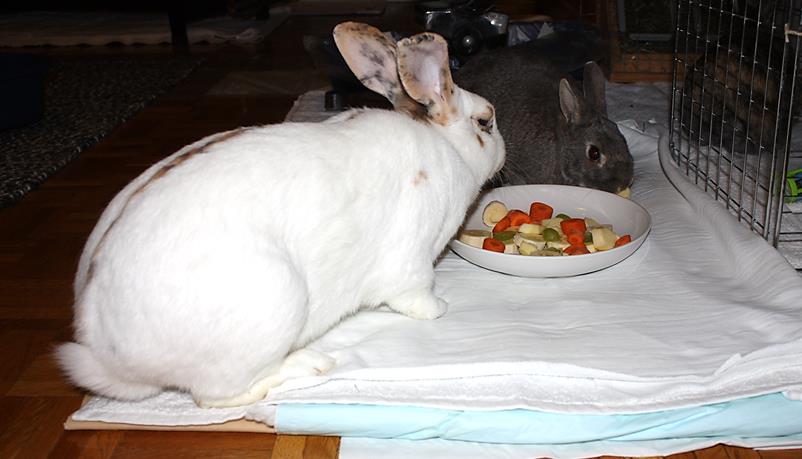
Regular monitoring of a rabbit’s weight and overall condition is crucial for successful weight management. Consistent tracking allows adjustments to be made to the diet and exercise plan as needed, ensuring the rabbit’s well-being and preventing any negative impacts of the weight management process. This proactive approach fosters a positive and sustainable outcome.Accurate monitoring is essential for assessing the effectiveness of the weight management strategy and adapting it to the rabbit’s individual needs.
By observing subtle changes in the rabbit’s weight and condition, owners can make informed decisions to maintain their rabbit’s health and well-being.
Accurate Weight Measurement Methods
Accurate weight measurement is paramount for tracking progress and adjusting the management plan. Different methods exist for weighing rabbits, and selecting the appropriate method depends on the rabbit’s temperament and the available resources.
- Using a kitchen scale is a common and practical method for accurately weighing rabbits. A flat surface, such as a countertop or a stable table, is necessary to ensure an accurate reading. Carefully place the rabbit on the scale, ensuring its body is centrally located. Record the weight and date.
- Veterinary scales are precise and reliable tools for weighing rabbits. They provide accurate measurements for rabbits of varying sizes. Veterinarians often use these scales, ensuring precise weight measurements are obtained.
Monitoring Tools and Their Benefits
Tracking progress requires suitable tools. The following table summarizes different monitoring tools and their advantages:
| Monitoring Tool | Benefits |
|---|---|
| Digital kitchen scale | Convenient, affordable, and readily available. Provides relatively precise measurements when used correctly. |
| Veterinary scale | Highly accurate, suitable for repeated measurements, and often used in professional settings for monitoring weight changes in rabbits. |
| Weight log | Records weight measurements over time, allowing for visual identification of trends and patterns. This facilitates the identification of improvements or deteriorations in the rabbit’s weight. |
Tracking Progress and Adjusting the Plan
A weight log, a notebook, or a digital spreadsheet can effectively record weight measurements. Regular entries facilitate the observation of trends. If the rabbit is not losing weight at the expected rate, adjust the feeding schedule, portion sizes, or the type of food offered. If the rabbit is losing weight too quickly, consult a veterinarian to rule out underlying health issues and adjust the diet accordingly.
Consistency in Feeding and Exercise Routines
Consistency in feeding and exercise routines is vital for maintaining a steady pace of weight management. Irregular feeding schedules and inconsistent exercise routines can disrupt the metabolic processes, making weight management more challenging.
Recognizing Signs of Improvement or Deterioration
Monitoring for signs of improvement or deterioration in a rabbit’s weight is essential. Changes in appetite, energy levels, or overall demeanor can indicate positive or negative trends. For instance, a noticeably increased appetite coupled with a lack of weight loss could suggest the need for a different approach to the diet. Conversely, if the rabbit displays lethargy and reduced appetite, it may be a sign of a health issue and requires veterinary attention.
Gradual Diet Transition
A gradual transition to a new diet is crucial to avoid digestive upset. Introduce the new food gradually, mixing it with the existing diet in increasing proportions over a period of several days. This gradual approach helps the rabbit’s digestive system adjust to the new food components, minimizing any potential discomfort. A gradual transition reduces stress on the digestive system, leading to a smoother adjustment to the new diet.
Patience and Persistence
Patience and persistence are essential for achieving weight loss goals in rabbits. Weight loss takes time and consistency. Do not get discouraged if the rabbit does not lose weight immediately. Consistent monitoring, appropriate adjustments to the plan, and a positive attitude are crucial for success. The rabbit’s well-being and overall health are paramount, and gradual changes are often more effective than drastic interventions.
Prevention Strategies
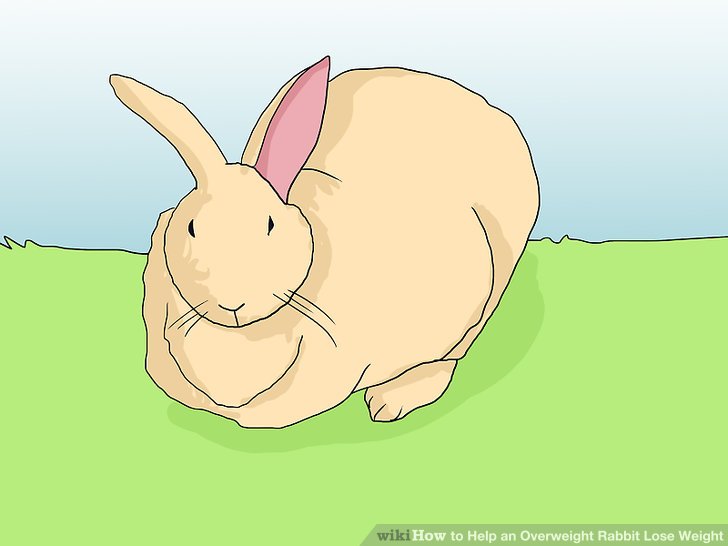
Preventing rabbit obesity is crucial for their long-term health and well-being. A proactive approach, focusing on early intervention and a healthy lifestyle, is key to ensuring your rabbit enjoys a happy and healthy life free from the complications of excess weight. Early habits and consistent routines are essential in setting your rabbit up for success.Implementing preventive measures early in a rabbit’s life establishes a foundation for healthy weight management.
This proactive approach emphasizes the importance of appropriate nutrition and exercise routines from the outset. Understanding the specific needs of a young rabbit and adapting accordingly sets the stage for a lifetime of optimal health.
Proactive Nutritional Strategies
A well-balanced diet is paramount for preventing obesity in rabbits. Providing appropriate quantities of high-quality food is crucial for maintaining a healthy weight. This includes hay as the primary component of the diet, offering unlimited access to ensure adequate fiber intake. The proper amount of pellets, fruits, and vegetables should also be carefully considered to prevent overfeeding.
- Prioritize Hay: Hay should constitute the majority of a rabbit’s diet. It provides essential fiber, promoting healthy digestion and preventing digestive issues, a primary cause of weight gain due to malabsorption. Different types of hay, such as Timothy hay, offer varying nutritional profiles, and should be selected based on your rabbit’s individual needs. Hay also helps to keep teeth worn down, which is critical for preventing dental issues, another potential contributing factor to obesity.
- Controlled Pellets: Pellets are a supplemental source of nutrients, but should be provided in controlled portions. Overfeeding can lead to an excess of calories and contribute to weight gain. Consult with a veterinarian to determine the appropriate amount based on your rabbit’s age, size, and activity level. Pellets should not replace hay as the primary food source.
- Portion-Controlled Treats: Introduce fruits and vegetables as occasional treats, rather than regular meals. Ensure portion control to prevent overconsumption. Fruits and vegetables provide essential vitamins and minerals but are not a significant source of calories. Too many treats can lead to overeating. Focus on nutrient-dense options like leafy greens and carrots over sugary or high-calorie treats.
Observe your rabbit’s reactions to different foods, and adjust their diet as needed.
Exercise and Environmental Enrichment
Regular exercise is essential for maintaining a healthy weight in rabbits. A stimulating environment is key to encouraging natural activity and preventing boredom. A combination of space, toys, and opportunities for exploration encourages a healthy lifestyle.
- Spacious Living Space: Provide a large, enclosed space where rabbits can freely explore and exercise. This could include a hutch with a large run, or a separate enclosure designed for ample space. Adequate space helps prevent boredom and promotes natural exercise.
- Engaging Toys: Incorporate toys and activities to encourage physical and mental stimulation. Toys such as tunnels, cardboard boxes, or chew toys can encourage exploration and prevent boredom. This can help burn calories and improve overall well-being.
- Regular Exercise Sessions: Schedule daily time for your rabbit to run and play, either in a safe, enclosed area or in a secure outdoor space. This can be an important component of a healthy lifestyle and helps maintain a healthy weight.
Comparison of Prevention Approaches
Various approaches to preventing rabbit obesity exist. One common strategy is focusing on a high-fiber diet with unlimited access to hay, coupled with regular exercise opportunities. Another approach involves monitoring and adjusting portions of pellets and treats based on individual needs and activity levels. A balanced approach, combining dietary control and consistent exercise, is often most effective.
Benefits of a Healthy Lifestyle
A healthy lifestyle, encompassing proper nutrition and exercise, directly translates to improved overall rabbit well-being. This encompasses a range of benefits, including increased longevity, reduced risk of health complications, and a generally more active and contented rabbit. Rabbits that maintain a healthy weight tend to be more playful, curious, and enjoy a better quality of life.
Final Thoughts
In conclusion, preventing rabbit obesity requires a holistic approach encompassing dietary management, regular exercise, and vigilant monitoring. By understanding the specific needs of your rabbit, and addressing potential underlying health concerns, you can effectively maintain a healthy weight and contribute to their overall well-being. A proactive and consistent approach is key to ensuring a happy and thriving rabbit companion.