Building a suitable rabbit hutch is crucial for ensuring the well-being of your furry friend. This comprehensive guide walks you through every step, from initial design considerations to final assembly and maintenance. Understanding rabbit anatomy, behavior, and environmental needs is key to creating a safe and enriching space.
This guide covers everything from selecting the perfect materials and calculating appropriate dimensions to creating a comfortable and hygienic environment. We’ll explore various hutch types, essential components, and essential maintenance strategies to keep your rabbit happy and healthy.
Introduction to Rabbit Hutch Design

Rabbit hutches are essential for the well-being of rabbits. They provide a safe and comfortable space for these creatures, allowing them to express natural behaviors and maintain good health. Proper hutch design is crucial for meeting the specific needs of rabbits, ensuring their comfort, safety, and overall quality of life. A well-designed hutch promotes a healthy and happy rabbit.A rabbit hutch’s design should be carefully considered to suit the rabbit’s needs.
Different types of hutches cater to various environments and living situations. Understanding the key elements of hutch design, including size, materials, and ventilation, is paramount for a suitable environment. Rabbit anatomy and behavior play a significant role in designing a suitable hutch.
Types of Rabbit Hutch
Different types of hutches cater to diverse needs and living situations. Indoor hutches are ideal for apartment dwellers or those with limited outdoor space. Outdoor hutches provide more space and access to natural elements for rabbits. Portable hutches are beneficial for those who want the flexibility of moving their rabbits for events or different purposes.
Key Considerations in Hutch Design
Several critical factors influence the success of a rabbit hutch. Size is a primary consideration, as rabbits require sufficient space for movement and comfort. Appropriate materials are essential for durability, safety, and hygiene. Adequate ventilation is vital for maintaining a healthy environment, preventing the buildup of ammonia, and promoting good air circulation. Understanding rabbit anatomy and behavior, such as their burrowing instincts and social interactions, is critical for designing a comfortable and enriching environment.
Rabbit Anatomy and Behavior
Rabbits are prey animals and have specific behavioral needs that influence their enclosure design. They are prone to stress if their environment is not appropriate. Their burrowing instincts can be accommodated by providing areas for digging and nesting. Rabbits are social animals, and they may experience stress when housed alone. Their physical characteristics, such as their sensitive ears and eyes, should be taken into account for environmental control and design.
For example, a well-ventilated enclosure is vital for preventing heat stress in warmer climates.
Hutch Design Table
| Hutch Type | Minimum Size Requirements (sq ft) | Key Materials | Maintenance Needs |
|---|---|---|---|
| Indoor Hutch | 2-3 sq ft | Wire mesh, wood, plastic | Regular cleaning of food and water bowls, daily spot cleaning, weekly deep cleaning |
| Outdoor Hutch | 4-6 sq ft | Wire mesh, wood, concrete | Regular cleaning of food and water bowls, daily spot cleaning, monthly deep cleaning |
| Portable Hutch | 3-5 sq ft | Wire mesh, plastic, lightweight wood | Regular cleaning of food and water bowls, daily spot cleaning, cleaning after each use |
Essential Components of a Rabbit Hutch
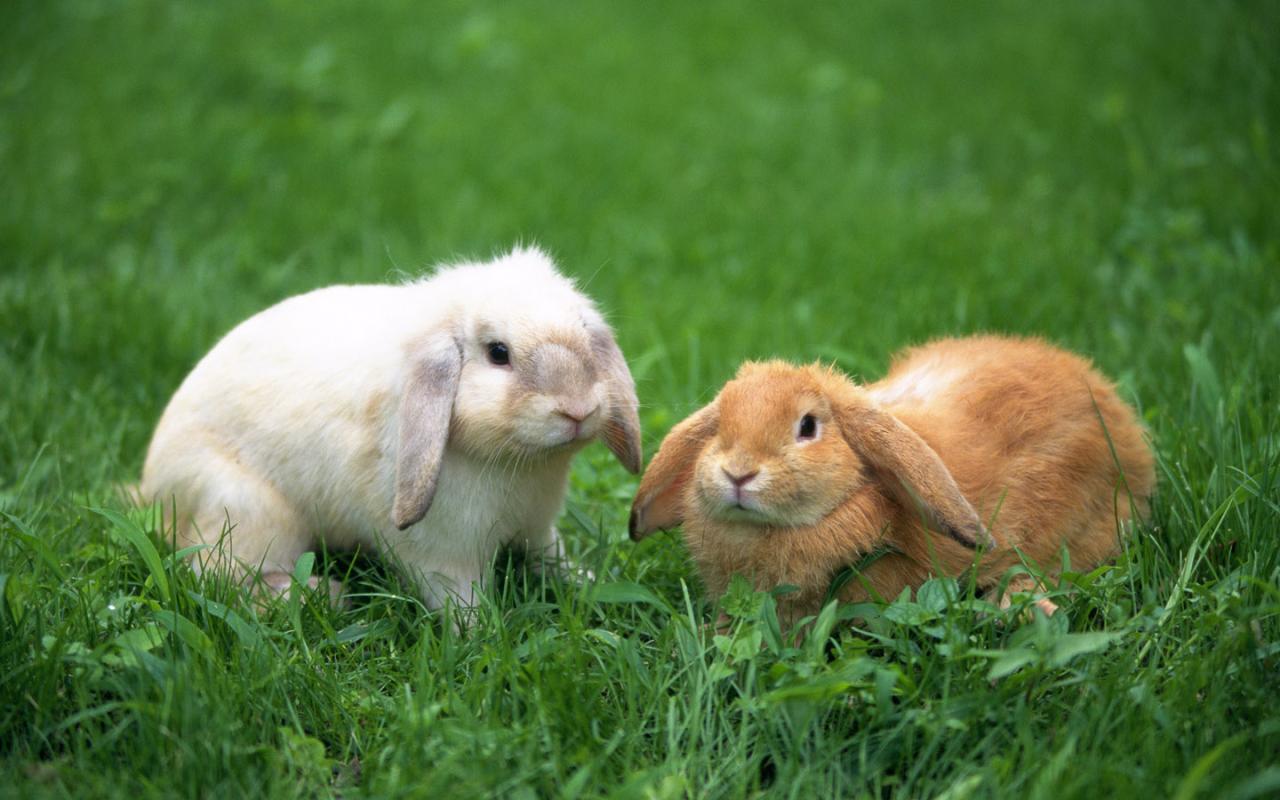
A well-designed rabbit hutch is crucial for the health and happiness of your furry friend. It provides shelter, space for activities, and a safe environment to rest and reproduce. Understanding the essential components and their proper application is paramount to creating a comfortable and hygienic enclosure.Careful consideration of materials and their suitability for rabbit welfare is key. A well-constructed hutch not only protects the rabbit from the elements but also fosters a clean and healthy living space.
Proper ventilation, insulation, and structural integrity are important factors to consider when building a hutch.
Hutch Flooring
Appropriate flooring is essential for rabbit health and hygiene. The material should allow for easy cleaning, prevent injuries, and promote comfort. Different materials offer varying degrees of practicality and cost-effectiveness.
- Wire Mesh Flooring: Wire mesh flooring is commonly used, offering good ventilation and ease of cleaning. However, it can be uncomfortable for rabbits’ feet, potentially causing sores or injuries if the mesh is too fine or the wire is sharp. Regular inspection and maintenance are crucial to ensure the mesh is in good condition and free of sharp edges.
Furthermore, wire mesh can be susceptible to damage from the weight of the rabbit.
- Wooden Flooring: Wood provides a more comfortable surface for rabbits. However, it requires more frequent cleaning and can be susceptible to moisture damage and harboring bacteria if not properly maintained. Wood splinters can also be a hazard to the rabbit’s feet. Choosing a durable, non-toxic wood type is critical for rabbit safety.
- Concrete Flooring: Concrete flooring offers durability and ease of cleaning. However, it can be cold and potentially cause discomfort for rabbits, especially during colder months. A layer of bedding is recommended for insulation and comfort. Concrete also requires careful preparation and application to prevent unevenness and potential injuries.
Hutch Walls
Hutch walls provide the structure and enclosure for the rabbit. Solid walls offer more security and privacy, while wire mesh can aid in ventilation and visibility. The material chosen should be durable, safe, and resist damage from the rabbit’s activity.
Hutch Roof
The roof protects the rabbit from the elements, and different materials offer varying degrees of insulation and durability.
- Solid Wood Roof: A solid wood roof provides excellent insulation and protection from the elements. However, it can be more challenging to construct and maintain. Wood is also susceptible to moisture damage and requires proper sealing to prevent rot and decay.
- Metal Roofing: Metal roofing is durable and resistant to the elements. It is relatively easy to install and maintain. However, metal roofing can be susceptible to heat buildup in warmer climates, which may become uncomfortable for the rabbit. Metal roofing materials should be appropriately insulated to minimize heat absorption.
- Plastic Roofing: Plastic roofing is lightweight and easy to install. It offers some insulation but may not be as durable as other materials. Plastic can also be prone to damage from harsh weather conditions, especially prolonged exposure to sunlight or intense rain.
Hutch Doors
Hutch doors provide access for cleaning and interaction with the rabbit. The type of door selected should be easily operated, secure, and contribute to the rabbit’s comfort and safety.
- Sliding Doors: Sliding doors are convenient for access and can be made of various materials. They provide easy access for cleaning and interaction with the rabbit.
- Swinging Doors: Swinging doors offer a simple and functional design. They are often constructed from wood or metal. Ensuring the door hinges are secure and the door doesn’t swing into the rabbit’s space is critical for safety.
- French Doors: French doors are useful for providing visibility while allowing access. They are suitable for large hutches and can enhance observation and interaction. Careful consideration of the size and weight of the door is crucial to prevent accidental injury to the rabbit.
Comparison of Flooring Materials
| Material | Durability | Cost | Hygiene |
|---|---|---|---|
| Wire Mesh | Moderate | Low | High |
| Wood | Moderate | Moderate | Moderate |
| Concrete | High | High | High |
Choosing the Right Materials for a Rabbit Hutch
Selecting appropriate materials is crucial for a durable, safe, and cost-effective rabbit hutch. The right choice ensures the well-being of your furry friend while minimizing maintenance and maximizing longevity. Consider factors such as the material’s resistance to weather, potential hazards to rabbits, and the ease of cleaning.Choosing materials that are both sturdy and safe for your rabbits is paramount.
The longevity and overall quality of the hutch are significantly impacted by the materials selected. Factors like cost-effectiveness, ease of maintenance, and the hutch’s lifespan should be carefully considered during the selection process.
Wood Types for Rabbit Hutches
Different wood types offer varying levels of durability, cost, and maintenance. Careful consideration of these factors is crucial for a long-lasting and suitable hutch.
- Pine: Pine is a relatively inexpensive wood, readily available, and easy to work with. However, it is not as durable as other options and may require more frequent repairs, especially in humid environments. Its soft nature makes it prone to damage from chewing rabbits.
- Cedar: Cedar is known for its natural resistance to rot and insects, making it a popular choice for outdoor structures. Its pleasant aroma is also a plus, though it might not be as strong as other options like redwood. However, cedar can be more expensive than pine.
- Redwood: Redwood is exceptionally durable and resistant to rot and pests. It’s a premium choice for longevity, but its cost is higher than other options. Its strength makes it a good choice for a long-lasting hutch.
Metal Wire Mesh
Metal wire mesh is a popular choice for rabbit hutches due to its visibility and potential for ventilation. However, it also presents certain drawbacks.
- Pros: Metal wire mesh offers excellent ventilation, allowing for good air circulation. It’s relatively inexpensive and lightweight, making it easy to assemble. Its visibility also allows for monitoring of the rabbits.
- Cons: Metal wire mesh can be prone to rust and deterioration over time, especially in damp environments. Rabbits can also potentially injure themselves on sharp edges or become entangled in the wire. It may not be as durable as other options.
Plastic for Rabbit Hutches
Plastic is another material considered for rabbit hutches. However, its suitability is a topic of ongoing discussion.
- Considerations: Plastic can be easy to clean and maintain, offering a low-maintenance option. It’s also resistant to rot and insects, offering good protection against the elements. However, plastic may not offer the same level of durability as wood or metal in the long term, and can be more challenging to customize for the specific needs of a rabbit.
Material Comparison Table
| Material | Strength | Cost | Longevity |
|---|---|---|---|
| Pine | Moderate | Low | Average |
| Cedar | Good | Medium | Good |
| Redwood | High | High | Excellent |
| Metal Wire Mesh | Low-Moderate | Low | Average (prone to rust) |
| Plastic | Low | Variable | Average (potential for cracking/deterioration) |
Hutch Dimensions and Layout
A well-designed rabbit hutch is crucial for the health and well-being of your furry companions. Careful consideration of dimensions and layout ensures ample space for movement, rest, and activity. Proper planning minimizes stress and allows for a comfortable environment.Appropriate hutch dimensions are essential for a rabbit’s physical and mental health. Overcrowding can lead to stress, aggression, and disease.
Conversely, insufficient space can lead to boredom and inactivity. This section will detail how to calculate appropriate dimensions, recommend space requirements for different breeds, and explore multi-level designs for larger populations. It will also guide you on positioning essential features like feeding stations and resting areas for optimal rabbit comfort.
Calculating Hutch Dimensions
To determine the ideal hutch size, consider the number and breed of rabbits. A general guideline is to provide at least 4 square feet of floor space per adult rabbit. Larger breeds may require more space. Additionally, consider the rabbit’s height and length when calculating vertical space. For example, a dwarf rabbit will need less vertical space compared to a Flemish Giant.
Space Requirements for Different Breeds
Different breeds of rabbits have varying size requirements. Dwarf breeds, such as the Dutch or the Lionhead, generally need less space than larger breeds like the Flemish Giant or the Californian. Always consult breed-specific information to ensure your rabbits have adequate room to thrive. For example, a Dutch rabbit, a small breed, might be content in a hutch with 2 square feet per rabbit, while a Flemish Giant rabbit, a larger breed, would likely need 5-6 square feet per rabbit.
Multi-Level Hutch Design
For larger rabbit populations, a multi-level hutch can maximize space utilization. This design allows multiple rabbits to share the hutch without feeling cramped. Ensure that each level provides adequate space for rabbits to move freely and access necessary features. A multi-level hutch can be a great option for a household with multiple rabbits, providing ample space without compromising the quality of life for each individual.
Placement of Essential Features
Strategic placement of feeding stations, water bowls, and resting areas is key to rabbit comfort. Feeding stations should be easily accessible and located to minimize competition among rabbits. Water bowls should be kept clean and readily available, preferably in multiple locations throughout the hutch. Resting areas should be comfortable, offering sheltered spots for the rabbits to relax.
A good layout might include a feeding station in a corner, water bowls in separate accessible areas, and resting areas near the back wall, potentially elevated, providing a comfortable spot to rest or sleep.
Hutch Layout Examples
| Layout Type | Suitability | Description |
|---|---|---|
| Simple Single-Level | Small populations of dwarf rabbits | Basic structure with one level, providing enough space for rabbits to move around comfortably. |
| Two-Level Hutch | Moderate rabbit populations | A more spacious design with two levels, accommodating a larger number of rabbits while allowing each rabbit to have enough space. |
| Three-Level Hutch | Larger populations of medium to large rabbits | Provides the most space for rabbits, ideal for families with many rabbits, allowing multiple rabbits to be housed without feeling crowded. |
Ventilation and Environmental Considerations

Proper ventilation and environmental control are crucial for maintaining a healthy and comfortable living space for your rabbits. Neglecting these aspects can lead to various health issues, including respiratory problems and stress. This section details the vital factors for creating a suitable environment within the hutch.Adequate airflow, temperature regulation, and appropriate light exposure are fundamental to preventing illness and ensuring the well-being of your rabbits.
Maintaining a balanced environment within the hutch will promote their overall health and happiness.
Importance of Proper Ventilation
Poor ventilation is a significant contributor to respiratory illnesses in rabbits. The accumulation of ammonia, moisture, and other airborne contaminants can irritate their respiratory systems, potentially leading to infections. Maintaining fresh air circulation helps to dilute these harmful substances and promotes a healthier environment.
Methods for Ensuring Adequate Airflow
Providing sufficient airflow within the hutch is vital. This can be achieved through various methods. Strategic placement of ventilation openings is paramount. Multiple small openings distributed across the hutch, rather than one large opening, allows for better air circulation. Ensure that these openings are positioned to allow air to flow through the hutch, preventing stagnant air pockets.
Avoid placing openings directly in areas where rabbits are likely to sit or rest.
Controlling Temperature and Humidity
Temperature and humidity play critical roles in rabbit health. Extreme temperatures or high humidity can cause stress and illness. For example, excessively high temperatures can lead to heatstroke, while excessive humidity can promote the growth of mold and bacteria, creating a breeding ground for illness. Consider the climate in your area and design the hutch accordingly.
Sunlight and Shade
Sunlight is beneficial for rabbits, providing vitamin D and regulating their circadian rhythm. However, excessive direct sunlight can lead to overheating. Therefore, proper shading is essential to prevent overheating. This can be achieved through strategically placed materials, such as overhangs or roof extensions. A well-balanced combination of sunlight and shade is ideal for rabbit well-being.
Ideal Temperature Range
The ideal temperature range for a rabbit hutch varies based on the climate. In temperate climates, a range of 65-75°F (18-24°C) is generally suitable. In hotter climates, providing shaded areas and adequate ventilation is crucial to prevent overheating. Conversely, in colder climates, insulation and additional heating may be necessary to maintain a comfortable temperature, keeping the hutch above freezing.
| Climate Zone | Ideal Temperature Range (°F) |
|---|---|
| Temperate | 65-75 |
| Hot | 60-75 (with shaded areas) |
| Cold | 60-75 (with insulation and additional heating) |
Building a Rabbit Hutch
Constructing a suitable rabbit hutch is crucial for providing a safe and comfortable environment for your furry friend. Careful planning and execution will ensure your rabbit enjoys a long and healthy life. This step-by-step guide will walk you through the process of building a rabbit hutch, from laying the foundation to completing the enclosure.
Assembling the Hutch Frame
Careful construction of the frame is paramount for the overall stability and longevity of the hutch. A sturdy frame will prevent sagging, warping, and potential collapse, ensuring a safe environment for your rabbit. The frame provides the foundation for all other components, including the floor, walls, and roof.
- Cutting Lumber: Measure and cut all lumber pieces to the precise dimensions Artikeld in your design plans. Ensure all cuts are square and accurate to prevent gaps or misalignments in the frame. Use a saw designed for the type of wood you are working with, like a circular saw for larger pieces or a handsaw for smaller, more precise cuts.
- Securing the Frame: Using appropriate fasteners, like screws or nails, carefully assemble the frame components. Pre-drill holes in the wood for screws to prevent splitting. Ensure all joints are securely fastened and the frame is stable. For added strength, consider using metal brackets or corner braces at each joint. The use of appropriate fasteners and pre-drilling will greatly enhance the stability of the hutch.
- Reinforcing the Frame: Add internal supports to reinforce the frame if needed. This is especially crucial for larger hutches or those with complex designs. These supports will prevent bowing or warping under the weight of the rabbit and materials. Ensure all supports are securely fastened to the frame.
Constructing the Hutch Walls and Roof
The walls and roof of the hutch provide protection from the elements and keep your rabbit secure. Appropriate materials will enhance the overall structural integrity and weather resistance.
- Installing the Walls: Attach the pre-cut wall panels to the frame using appropriate fasteners. Ensure the panels are level and aligned to prevent gaps or unevenness. Consider using exterior-grade plywood or pressure-treated lumber for added durability and resistance to moisture.
- Building the Roof: Construct the roof using the pre-cut pieces. Secure the roof to the walls using the appropriate fasteners. Ensure a proper slope for water runoff to prevent water damage. Consider using metal roofing or a durable plastic material for weather resistance.
Securing the Hutch
Preventing escapes is paramount for the safety and well-being of your rabbit. Thorough sealing and anchoring of the hutch will provide peace of mind.
- Fastening the Panels: Ensure all panels, including walls and the roof, are securely fastened to the frame to prevent gaps. Use appropriate fasteners, ensuring they are correctly installed to avoid any potential weak points.
- Securing the Hutch Base: If the hutch is elevated off the ground, secure the base to prevent movement. This could involve attaching it to a sturdy structure or using anchoring devices. This prevents the hutch from shifting or tipping over. Use appropriate anchors and fasteners to secure the hutch base to a solid surface, preventing accidental movement.
Important Considerations
Appropriate material selection and careful fastening are key to a robust and safe hutch.
- Fastening Techniques: Use appropriate fasteners for the type of wood and material you are using. Pre-drilling holes for screws prevents wood splitting. Use wood glue in conjunction with screws or nails for added strength and durability.
- Weatherproofing: Apply sealant to any gaps or joints to prevent water damage. Consider using exterior-grade paint or sealant to enhance the weather resistance of the hutch.
Enrichment and Accessories for a Rabbit Hutch
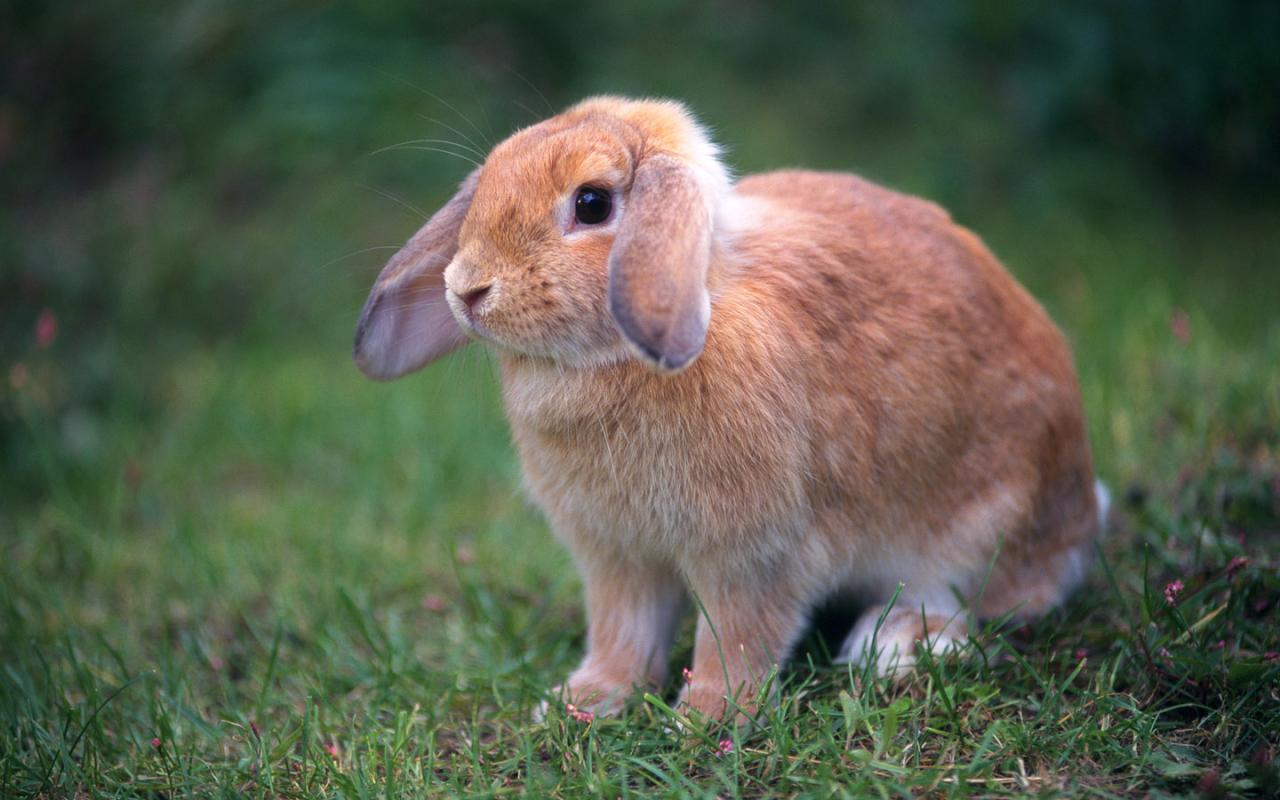
Providing adequate enrichment is crucial for a rabbit’s physical and mental well-being within their hutch. A bored rabbit is a stressed rabbit, and a stressed rabbit is more likely to exhibit behavioral problems. Enrichment activities stimulate natural behaviours, preventing boredom and promoting a healthy, happy bunny.A well-designed rabbit hutch should incorporate a variety of toys, activities, and appropriate placement of feeding and watering systems to encourage natural behaviours and prevent repetitive or monotonous routines.
This fosters a sense of exploration and engagement, which are vital for a rabbit’s overall health and happiness.
Importance of Enrichment for Rabbits
Rabbits are highly intelligent and social creatures with complex needs. They require mental and physical stimulation to thrive. Providing enrichment within their hutch helps prevent boredom, which can lead to destructive behaviours, such as chewing on the hutch or excessive digging. A stimulating environment reduces stress, promoting better overall health and well-being.
Types of Toys and Activities for Rabbits
A variety of toys and activities can engage a rabbit’s natural instincts. These include:
- Chew toys: These are essential for satisfying rabbits’ natural urge to gnaw. Hardwood chew toys, cardboard tubes, and safe branches provide both mental and physical stimulation.
- Tunnels and hideaways: These offer rabbits a sense of security and encourage exploration. Cardboard boxes, tunnels, and hollow logs can create engaging spaces within the hutch.
- Foraging opportunities: Scattering small amounts of safe vegetables, fruits, and hay within the hutch provides a foraging challenge. This stimulates natural foraging behaviours and promotes healthy eating habits.
- Climbing structures: These encourage exercise and exploration. Simple ramps, small shelves, or even a sturdy stack of wooden blocks can provide vertical space for rabbits to enjoy.
Placement of Feeding and Watering Systems
The placement of food and water bowls within the hutch is important. For optimal access, ensure that water and food are located in easily accessible areas, allowing the rabbit to reach them without difficulty. Avoid placing them in areas that are difficult for the rabbit to reach or in locations where they could be easily disturbed or soiled.
Examples of Safe and Engaging Toys
Safe and engaging toys for rabbits include:
- Hardwood chew toys: These are excellent for satisfying gnawing instincts and provide durability.
- Cardboard tubes: These offer a sense of security and can be used for hiding and exploration.
- Shredded paper: A safe and engaging material for rabbits to explore and burrow in.
- Safe branches (from trees like apple or pear): These can be used as chew toys and climbing structures. Ensure the branches are free of pesticides or other chemicals.
Enrichment Activities Table
| Enrichment Activity | Benefits |
|---|---|
| Chew toys | Satisfies natural gnawing instincts, promotes dental health, and reduces boredom. |
| Tunnels and hideaways | Provides a sense of security, encourages exploration, and offers mental stimulation. |
| Foraging opportunities | Stimulates natural foraging behaviours, promotes healthy eating habits, and provides mental stimulation. |
| Climbing structures | Encourages exercise, exploration, and vertical space for play. |
Maintaining a Healthy Rabbit Hutch
Maintaining a clean and hygienic rabbit hutch is paramount to ensuring the well-being of your furry friend. A clean environment minimizes the risk of diseases and parasites, allowing your rabbit to thrive in a comfortable and safe space. Proper cleaning and disinfection procedures are essential for a healthy rabbit.A well-maintained hutch contributes significantly to the rabbit’s overall health and happiness.
Regular cleaning not only removes harmful bacteria and waste but also prevents the buildup of unpleasant odors. This proactive approach helps maintain a comfortable and safe living environment for your rabbit.
Crucial Steps for a Clean Hutch
Regular cleaning is a fundamental aspect of rabbit hutch maintenance. This involves removing all soiled bedding, droppings, and uneaten food. Thorough cleaning, combined with appropriate disinfection, is essential for preventing the spread of diseases and parasites.
Importance of Regular Cleaning and Disinfection
Regular cleaning and disinfection are crucial for a healthy rabbit hutch. A dirty hutch can harbor harmful bacteria, parasites, and disease-causing agents. These can negatively impact your rabbit’s health and well-being, potentially leading to illnesses. Consistent cleaning and disinfection procedures help maintain a sanitary environment, protecting your rabbit from these risks.
Strategies for Preventing Pests and Diseases
Prevention is key when it comes to pests and diseases. Regular inspections of the hutch, along with a proactive approach to cleanliness, are critical. This involves checking for signs of pests, such as droppings or nests, and promptly addressing any issues. Keeping the hutch clean and dry helps prevent the proliferation of harmful bacteria and parasites, thereby minimizing the risk of illness.
Supplies for Cleaning and Disinfecting
A comprehensive cleaning and disinfection toolkit is essential for maintaining a healthy hutch. This includes items such as a sturdy scoop or brush for removing waste, a disinfectant solution specifically formulated for use around animals (always check the label for safety guidelines), and disposable cleaning cloths or paper towels. A bucket or spray bottle for the disinfectant solution is also important.
Table of Cleaning and Disinfection Frequency
| Element | Cleaning Frequency | Disinfection Frequency ||—|—|—|| Bedding | Daily | Weekly || Food and Water Dishes | Daily | Daily || Hutch Floors and Walls | Weekly | Monthly || Hutch Toys and Accessories | Weekly | Monthly || Hutch Interior Surfaces | Weekly | Monthly |
Regular cleaning and disinfection are crucial for preventing diseases and pests.
This table provides a guideline for cleaning and disinfection frequency. Adjust these frequencies based on your rabbit’s activity levels, the amount of waste produced, and any signs of illness or pest activity. The goal is to maintain a consistently clean and hygienic environment for your rabbit.
Troubleshooting Common Hutch Problems
Maintaining a rabbit hutch requires proactive attention to detail. Addressing potential issues promptly can prevent larger problems and ensure the well-being of your rabbits. This section will Artikel common problems, their causes, and effective solutions.
Ventilation Issues
Proper ventilation is crucial for maintaining a healthy environment within the hutch. Inadequate airflow can lead to respiratory problems, ammonia buildup, and other health concerns. Common issues include insufficient openings or blocked vents, leading to stale air and potentially elevated humidity. If the hutch feels excessively damp or stuffy, it’s a strong indication that ventilation needs attention.
- Insufficient Ventilation: Ensure adequate ventilation openings are present and unobstructed. Consider adding additional vents or adjusting existing ones to maximize airflow. A small fan may be necessary in extreme cases, but should be carefully monitored to avoid drafts.
- Blocked Ventilation: Regularly check for any obstructions like debris, accumulated droppings, or overgrown vegetation that may be blocking air circulation. Clean out any accumulated material to restore proper ventilation.
- Inadequate Size of Ventilation: If the ventilation is too small, consider enlarging the openings. This will increase the volume of air that can pass through, thereby reducing the likelihood of stale air buildup.
Temperature Concerns
Temperature extremes can negatively affect rabbits. Extreme heat can lead to heat stroke, while cold can cause hypothermia. Understanding the optimal temperature range for your breed and the environmental conditions is essential.
- Excessive Heat: If the hutch becomes excessively hot, consider providing shade, increasing ventilation, or using cooling mats or fans. Ensure that the rabbit has access to fresh water.
- Extreme Cold: In cold climates, insulation is crucial. Adding layers of insulation, such as straw or blankets, to the hutch can help maintain a suitable temperature. Providing a heated pad or a heat lamp (under supervision) might be necessary in severe conditions.
Cleanliness Problems
Maintaining a clean hutch is vital for preventing the spread of diseases and maintaining a healthy environment. Accumulated waste, moisture, and soiled bedding can lead to unpleasant odors and create breeding grounds for parasites.
- Inadequate Cleaning: Regularly clean the hutch, removing droppings, soiled bedding, and other waste. This should be a routine part of rabbit care. Cleaning at least once a week is a good starting point.
- Moisture Buildup: Excessive moisture can promote the growth of mold and bacteria. Regular cleaning and appropriate bedding materials can help control moisture.
- Odor Control: A strong ammonia smell often indicates that the hutch needs cleaning. Proper waste removal and ventilation can minimize odor.
Escape Attempts and Damage
Rabbits are known for their escape attempts, especially if they feel threatened or if the hutch isn’t secure. Inspect the hutch for any weak points and reinforce them. Damage to the hutch could be due to gnawing or climbing.
- Escape Attempts: Ensure all gaps and openings are securely closed, and consider using wire mesh or solid panels for any vulnerable areas. This can deter rabbits from finding ways to escape.
- Damage to the Hutch: Use durable materials to construct the hutch. Inspect for signs of gnawing and repair any damage promptly. If damage is significant, consider replacing the affected sections. Monitor the rabbit’s behavior for signs of stress or discomfort. If they are repeatedly chewing or scratching at the enclosure, there may be an underlying issue like boredom or lack of enrichment.
Common Mistakes to Avoid
Avoiding common mistakes can save time, money, and prevent potential problems.
- Inadequate Hutch Size: Ensure the hutch is appropriately sized for the rabbit’s needs. Rabbits require ample space to move around comfortably and socialize.
- Inadequate Lighting: Provide appropriate lighting for the rabbit to navigate safely within the hutch. Avoid using harsh or flickering lights.
- Poor Material Choices: Using materials that are not durable or easily chewed by rabbits can lead to structural damage. Consider the material’s durability.
Potential Problems and Solutions
| Problem | Solution |
|---|---|
| Rabbit escapes | Reinforce weak points in the hutch, using secure materials. |
| Hutch is too small | Increase the size of the hutch to accommodate the rabbit’s needs. |
| Hutch is too hot | Increase ventilation, provide shade, or use cooling mats. |
| Hutch is too cold | Insulate the hutch, use heated pads or lamps (if safe and supervised). |
| Hutch is dirty | Regularly clean the hutch, remove waste, and replace bedding. |
Ultimate Conclusion
In conclusion, constructing a rabbit hutch is a rewarding project that demonstrates your commitment to your rabbit’s well-being. By following the detailed steps and considerations Artikeld in this guide, you can create a safe, comfortable, and enriching space for your rabbit to thrive. Remember that proper maintenance and enrichment are vital for a happy and healthy rabbit companion.