Litter training a rabbit can be a rewarding experience for both you and your furry friend. This comprehensive guide will walk you through every step, from initial preparation to advanced techniques, ensuring a clean and happy home for your rabbit. A well-trained rabbit enjoys a healthier and more comfortable environment, fostering a stronger bond between you.
This guide covers essential aspects like preparing the environment, establishing a routine, and addressing common challenges. We’ll explore different litter types, discuss various litter box options, and highlight the importance of positive reinforcement. Understanding potential health issues and advanced techniques will also be crucial for success.
Introduction to Litter Training Rabbits
Litter training a rabbit is a crucial aspect of responsible rabbit ownership, fostering a healthy and happy environment for your furry friend. This process involves establishing a designated area for eliminating waste, teaching the rabbit to use it, and maintaining a clean living space. A well-trained rabbit benefits from reduced stress and improved hygiene, contributing significantly to their overall well-being.The benefits of a clean and well-maintained environment extend far beyond aesthetics.
A consistent, litter-trained routine reduces the risk of health problems associated with soiled living areas. It helps prevent the spread of parasites and diseases, and minimizes odors that can be unpleasant for both the rabbit and the household. Furthermore, a clean environment promotes a sense of security and comfort for the rabbit, leading to a more relaxed and contented animal.
Different Types of Rabbit Litter
Various materials are suitable for rabbit litter, each with its own advantages and disadvantages. Understanding these differences helps owners choose the best option for their rabbit’s needs and their own preferences. Choosing the right litter type minimizes dust inhalation and promotes a comfortable environment for the rabbit.
Comparison of Litter Materials
A well-informed choice of litter material is essential to ensure the rabbit’s health and comfort. The following table compares common litter types based on their absorbency, dust levels, and cost. These factors are important considerations when selecting the appropriate litter.
| Litter Material | Absorbency | Dust Levels | Cost |
|---|---|---|---|
| Wood Shavings (pine, aspen) | Moderate | Variable (pine often higher) | Generally affordable |
| Paper Pellets | High | Low | Moderately priced |
| Recycled Paper | High | Low | Often affordable |
| Corn Cob Bedding | High | Low | Can be moderately priced |
| Oat Straw | High | Low | Generally affordable |
Preparing the Environment for Litter Training
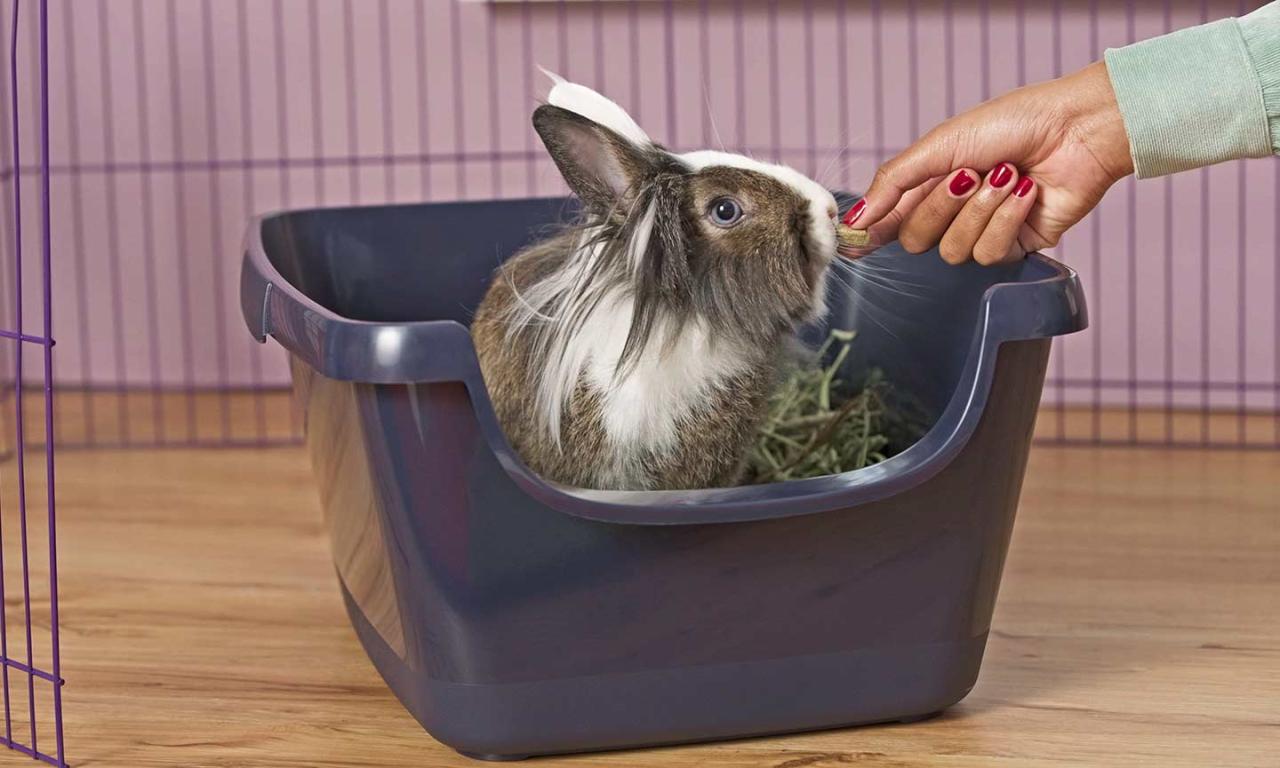
Successfully litter training a rabbit hinges on providing a comfortable and stimulating environment that encourages the desired behavior. A well-prepared space, equipped with the right supplies and strategically placed litter boxes, significantly increases the chances of a successful transition. Rabbits are naturally inclined to use designated areas for elimination, and by carefully preparing their environment, you can guide them towards the appropriate spot.
Essential Supplies for Litter Training
To effectively support your rabbit’s litter training, gather the following essential supplies:
- A suitable litter box, either covered or uncovered, depending on your rabbit’s personality and the environment.
- A high-quality, rabbit-safe litter material. Avoid using materials that could be harmful if ingested.
- A small scoop or a litter-collecting tool to remove waste easily.
- A designated area in your rabbit’s enclosure or hutch for the litter box. Ensure it is easily accessible and safe for your rabbit to navigate.
Preparing the Rabbit’s Living Area
Thoroughly preparing your rabbit’s living space is a crucial step in the litter training process. This involves more than just placing the litter box; it encompasses the overall environment. A calm and predictable space will greatly contribute to your rabbit’s comfort and encourage them to use the litter box.
- Ensure the area where the litter box will be placed is easily accessible and free of obstacles that could impede your rabbit’s movement.
- Keep the area clean and tidy. Regular cleaning minimizes the chance of your rabbit using areas other than the designated litter box.
- Minimize sudden noises or changes in the environment, as these can stress your rabbit and disrupt the litter training process. A consistent routine helps your rabbit feel secure.
- Consider adding soft bedding material, such as hay, to create a comfortable and familiar environment.
Choosing a Suitable Litter Box
The choice of litter box plays a significant role in the success of litter training. Different types of litter boxes offer varying degrees of convenience and effectiveness. The ideal box depends on your rabbit’s personality and the layout of their living space.
- A covered litter box provides privacy and can be beneficial for shy or nervous rabbits. It can also help contain odors better. However, some rabbits might be hesitant to enter a covered box.
- An uncovered litter box offers a more open space, which can be preferred by some rabbits. However, it may not be as effective at containing odors.
| Litter Box Type | Pros | Cons |
|---|---|---|
| Covered | Privacy, potential odor control | May be intimidating for some rabbits, limited visibility |
| Uncovered | More open space, easy access | Less odor control, potential for accidental soiling outside the box |
Steps to Prepare the Designated Area
Careful preparation of the designated area where the litter box will reside is vital.
- Choose a quiet, easily accessible corner or section of your rabbit’s hutch or enclosure.
- Position the litter box in the chosen location, ensuring it is not obstructed by furniture or other obstacles.
- Fill the litter box with the chosen litter material to a depth of approximately 2-3 inches. A deeper layer provides better absorption and odor control.
- Regularly scoop out waste from the litter box to maintain hygiene and encourage your rabbit to use the designated area.
Placing the Litter Box
Correct placement of the litter box is key to successful litter training.
- Position the litter box in a location where your rabbit frequently spends time, such as near their food and water.
- Avoid placing the litter box near noisy or high-traffic areas. A calm environment is essential for your rabbit’s comfort.
- Ensure the litter box is easily accessible, allowing your rabbit to enter and exit without difficulty. The rabbit should not feel confined or restricted.
Establishing a Routine for Litter Training
Establishing a consistent routine is crucial for successful litter training. A predictable schedule helps your rabbit understand when and where it’s expected to relieve itself. This predictability fosters a sense of security and encourages the desired behavior. A well-structured routine simplifies the process and significantly increases the chances of success.A consistent routine, coupled with positive reinforcement, will greatly expedite the litter training process.
This method promotes a strong association between the designated area and the act of eliminating waste.
Optimal Time Intervals for Litter Training Sessions
Consistency in scheduling litter training sessions is key. Young rabbits, especially, require frequent checks, as their bladders and bowels are still developing. Scheduling sessions around feeding times, after waking, and before bed are crucial periods to monitor and guide the rabbit. Observing your rabbit’s natural elimination patterns will help determine the optimal intervals. For example, if your rabbit typically eliminates waste shortly after waking, a session around that time is highly beneficial.
Importance of Consistent Repetition
Consistent repetition is essential for establishing a clear understanding in the rabbit’s mind. The more consistently you repeat the training process, the more the rabbit will associate the designated area with elimination. The rabbit learns to associate a specific location with the act of toileting through repeated exposure and positive reinforcement.
Positive Reinforcement Techniques
Positive reinforcement is a cornerstone of successful litter training. This method focuses on rewarding desired behaviors rather than punishing undesirable ones. Positive reinforcement techniques build a strong positive association between the desired behavior and a reward.
Types of Positive Reinforcement Methods
Various methods can be used for positive reinforcement. These methods can include treats, praise, or toys. The key is to select rewards that your rabbit finds motivating. A reward system should be customized to the individual rabbit’s preferences. For instance, some rabbits may be highly motivated by small pieces of fruit, while others may prefer a favorite chew toy.
Experimenting with different rewards can help identify the most effective motivators.
Using Rewards During the Training Process
Rewards should be given immediately following the desired behavior. This immediate association reinforces the connection between the action and the reward. Rewards should be small and easily accessible, so they can be given immediately. For example, small pieces of rabbit-safe vegetables or a few drops of a favorite treat can be excellent motivators. It is also important to avoid using food rewards that may be harmful to the rabbit’s health.
This emphasizes the importance of selecting appropriate and healthy treats.
Addressing Common Challenges in Litter Training
Litter training a rabbit can be a rewarding experience, but it’s not always straightforward. Understanding and addressing potential challenges is key to success. This section explores common obstacles and provides practical solutions to help you overcome them.Successfully litter training a rabbit often requires patience, consistency, and a good understanding of their behavior. Addressing issues proactively, rather than reactively, can greatly improve the chances of a positive outcome.
Common Litter Training Problems and Solutions
Understanding the reasons behind a rabbit’s resistance to using the litter box is crucial. This involves considering the rabbit’s individual needs and preferences, as well as environmental factors. The table below Artikels some common problems and potential solutions.
| Problem | Potential Cause | Solution |
|---|---|---|
| Refusal to use the litter box | Unfamiliar or uncomfortable environment, poor placement of the litter box, inappropriate litter type, fear of new surroundings, or medical issues. | Ensure the litter box is easily accessible and located in a quiet, comfortable area of the cage or hutch. Offer a variety of litter types to find one your rabbit prefers. Consider adding familiar objects or scents from the rabbit’s previous environment. Regular veterinary checkups can rule out any underlying health problems. |
| Soiling outside the litter box | Inappropriate litter box size or placement, inadequate cleaning of the litter box, changes in the rabbit’s environment, or stress. | Ensure the litter box is large enough for the rabbit to turn around comfortably. A larger litter box is often beneficial for larger rabbits. Clean the litter box frequently, ideally daily. Avoid sudden changes to the rabbit’s environment. Assess and alleviate any stressors, such as loud noises, new pets, or changes in their routine. |
| Inappropriate Litter Box Usage | The rabbit is using the litter box in an undesirable way. This could be due to the litter box being in an inappropriate location or the rabbit being overly active. | Ensure the litter box is placed in a location that is not disruptive to the rabbit’s normal activity or routine. A quiet, secluded spot is ideal. Consider observing the rabbit’s habits to understand where they tend to relieve themselves outside the box and adjust the box’s placement accordingly. |
| Frequent accidents | Lack of adequate litter box access or size, insufficient cleaning of the litter box, sudden changes in the environment, or underlying medical issues. | Ensure multiple litter boxes are available (one per rabbit, plus one extra), especially if multiple rabbits share the same space. Maintain meticulous litter box cleanliness. Avoid sudden changes in the environment or routine. Consult a veterinarian if accidents persist despite these measures. |
| Soiling in specific areas | Specific area may be associated with positive or negative experiences for the rabbit, or may have scent that is appealing. | Avoid punishment or scolding. Instead, try to identify and understand the rabbit’s reason for selecting that spot. Clean the soiled area thoroughly, and consider using enzymatic cleaners to eliminate odors. Consider re-evaluating the rabbit’s environment for any potential triggers and adjust accordingly. |
Addressing Resistance to Litter Box Use
Resistance to using the litter box can stem from various factors, including anxiety, previous negative experiences, or a lack of familiarity with the designated area. Careful observation of the rabbit’s behavior and environment can help determine the underlying cause. A consistent routine and a clean, comfortable environment are essential for fostering a positive association with the litter box.
Strategies for Overcoming Litter Training Challenges
Employing consistent strategies is vital in addressing litter training issues. This involves a multifaceted approach, combining environmental modifications, behavioral adjustments, and potential veterinary interventions. For example, if a rabbit is exhibiting fear-related behaviors, creating a safe, familiar space within the enclosure can help alleviate their anxiety. This might include introducing familiar scents or textures, or providing hiding spots.
Gradually introducing the rabbit to the litter box in a calm and non-threatening manner is crucial.
Maintaining Litter Training Habits
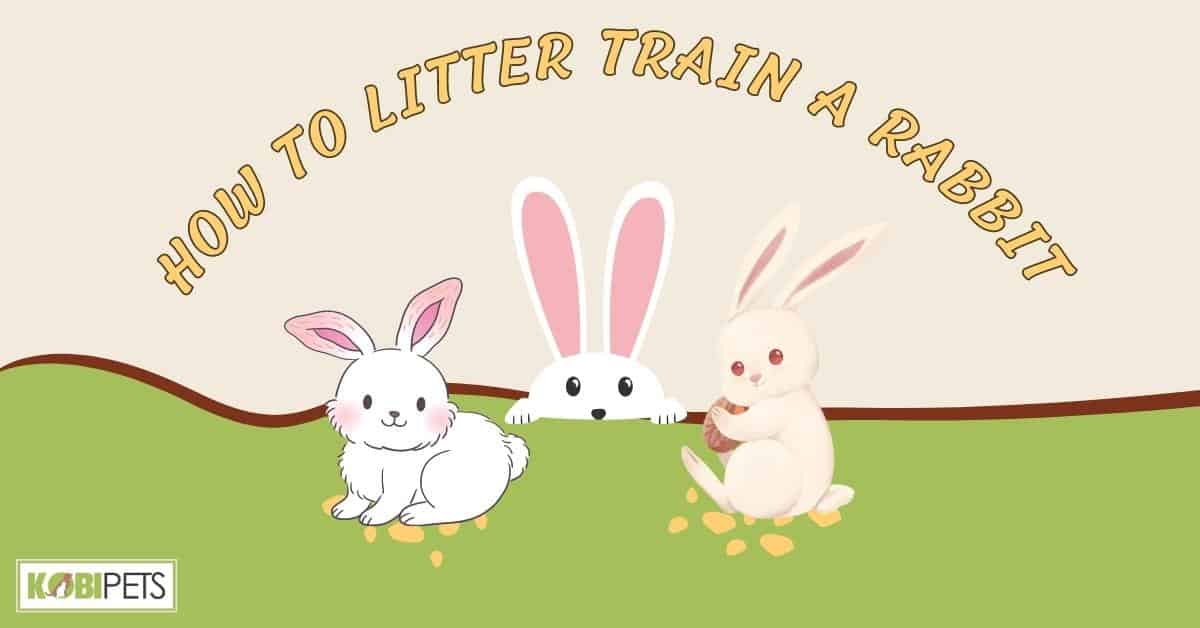
Maintaining the litter training habits of your rabbit requires consistent effort and attention. Once a routine is established, consistent reinforcement is key to ensuring your rabbit continues to use the designated litter box. This involves not only regular cleaning but also understanding and addressing potential setbacks that might arise.
Maintaining a Clean Litter Box
Regular cleaning and maintenance of the litter box are essential for maintaining a healthy and hygienic environment for your rabbit. A clean litter box discourages accidents outside the designated area and promotes good litter training habits. The frequency of cleaning depends on factors such as the size of the litter box, the number of rabbits using it, and the type of litter used.
Cleaning Schedule
A consistent cleaning schedule is crucial for maintaining a clean environment and preventing unpleasant odors. Daily spot cleaning of any accidents is recommended. This will minimize the spread of odors and encourage your rabbit to continue using the litter box. A complete litter box cleaning, including replacing the litter, should be done at least twice a week, or more frequently if necessary.
This schedule ensures that the litter box remains fresh and appealing to your rabbit.
Changing the Litter
Changing the litter is an important aspect of maintaining a clean litter box. The frequency of changing the litter depends on the type of litter used and the amount of urine and feces produced by the rabbit. For example, a highly absorbent litter might require changing less frequently than a less absorbent one. It’s recommended to observe the litter and replace it when it becomes soiled or smelly.
Identifying and Addressing Setbacks
Identifying and promptly addressing any setbacks in the litter training process is crucial for maintaining positive habits. Pay close attention to changes in your rabbit’s behavior. If your rabbit starts having accidents outside the litter box, it could indicate an underlying issue, such as illness or stress. Identifying the root cause is essential to restoring the training process.
Potential Problems and Solutions
| Potential Problem | Possible Solution |
|---|---|
| Changes in the litter box environment (e.g., location, size, type of litter). | Observe your rabbit’s behavior; a new location or litter type could be unsettling. Consider adjusting the litter box or the type of litter to match the rabbit’s preferences. |
| Stress or anxiety in the rabbit. | Identify the source of stress and address it. This could involve changes in the environment, introduction of new animals, or other factors. |
| Medical issues. | Consult a veterinarian. Changes in urination or defecation habits could indicate a health problem. |
| Inadequate litter box size or placement. | Ensure the litter box is large enough for your rabbit to comfortably use. A well-placed box is crucial for encouraging use. |
| Lack of positive reinforcement. | Use positive reinforcement techniques, such as treats or praise, to reward your rabbit for using the litter box correctly. |
Advanced Litter Training Techniques
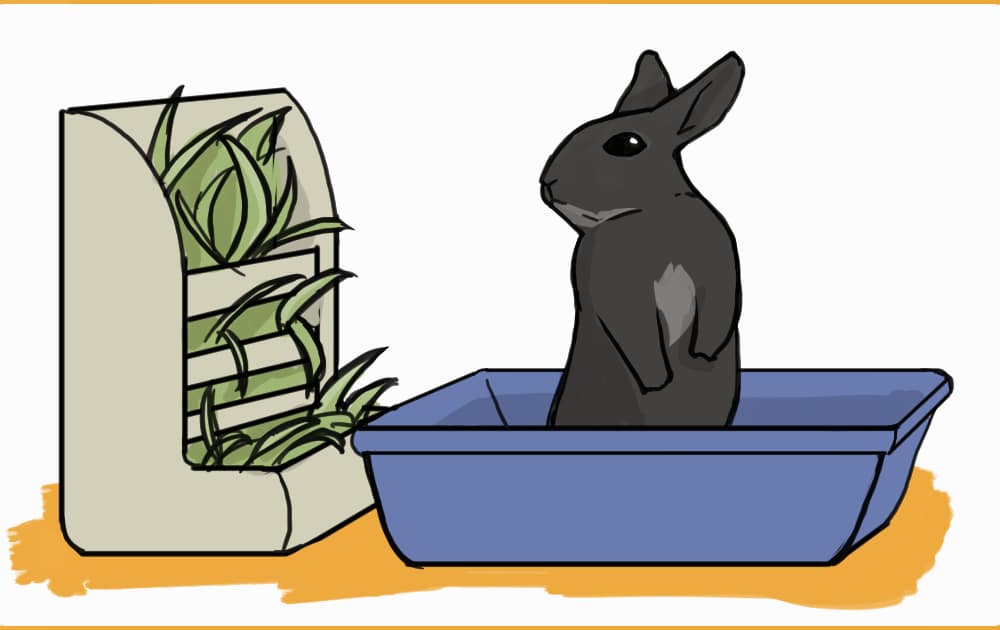
Successfully litter training a rabbit often involves more than just providing a box and a substrate. Some rabbits present unique challenges, requiring a more nuanced approach. This section delves into advanced techniques for addressing these challenges, from adapting to different litter types to understanding medical considerations.Addressing stubborn or resistant behaviors necessitates a flexible and patient approach. Observing the rabbit’s body language and understanding their individual needs is crucial for success.
The goal is not to force the rabbit into a routine but to create an environment that encourages natural toileting habits.
Addressing Resistance to Litter Boxes
Many factors can contribute to a rabbit’s resistance to using a litter box. A rabbit might be accustomed to a different environment, or the litter box itself might be unsuitable for their preferences. Consideration of the rabbit’s size, the box’s size and placement, and the litter type used can all be critical to success.
- Enhancing Box Accessibility and Comfort: Ensure the litter box is easily accessible from multiple angles. A larger box, especially for larger breeds, can make a significant difference. Consider adding a soft, comfortable bedding inside the box to mimic a natural burrowing space. Ensure the rabbit is comfortable in the space, avoiding any stressors.
- Exploring Alternative Litter Types: Some rabbits prefer certain textures or scents. Experimenting with different litter types, such as paper pellets, shredded paper, or wood shavings, can help find a suitable option. Consider the rabbit’s potential allergies or sensitivities when choosing a litter type.
- Modifying Litter Box Placement: Placement is key. The box should be placed in a location where the rabbit feels safe and secure, not directly next to their food or water. Observe the rabbit’s natural patterns to identify a suitable spot. Consider the potential for escape routes.
Managing Medical Conditions
Certain medical conditions can significantly affect a rabbit’s ability to use a litter box. These conditions might involve pain, discomfort, or neurological issues. If a rabbit displays changes in behavior or toileting habits, veterinary consultation is essential.
- Identifying Potential Underlying Issues: If a rabbit stops using the litter box suddenly, it could signal an underlying medical problem. Changes in behavior, such as restlessness, lethargy, or discomfort, are warning signs. Regular veterinary check-ups can help identify potential issues early.
- Collaboration with Veterinarians: Working closely with a veterinarian is crucial in addressing medical conditions affecting litter training. They can diagnose the cause of the problem and recommend appropriate treatment.
- Adapting Treatment to the Rabbit’s Needs: The treatment plan should be tailored to the specific needs of the rabbit. Medication, pain management, or environmental adjustments might be necessary.
Comparing and Contrasting Strategies
Several approaches to litter training can be employed. Understanding the potential benefits and drawbacks of each strategy is vital for success.
| Strategy | Potential Benefits | Potential Drawbacks |
|---|---|---|
| Enrichment-based approach | Encourages natural behaviors, minimizes stress | Requires more time and patience |
| Strict schedule approach | Predictable results, quick adaptation for some rabbits | Potential for stress, may not work for all rabbits |
| Combination approach | Balances structure and flexibility | Requires careful observation and adaptation |
Health Considerations and Litter Training
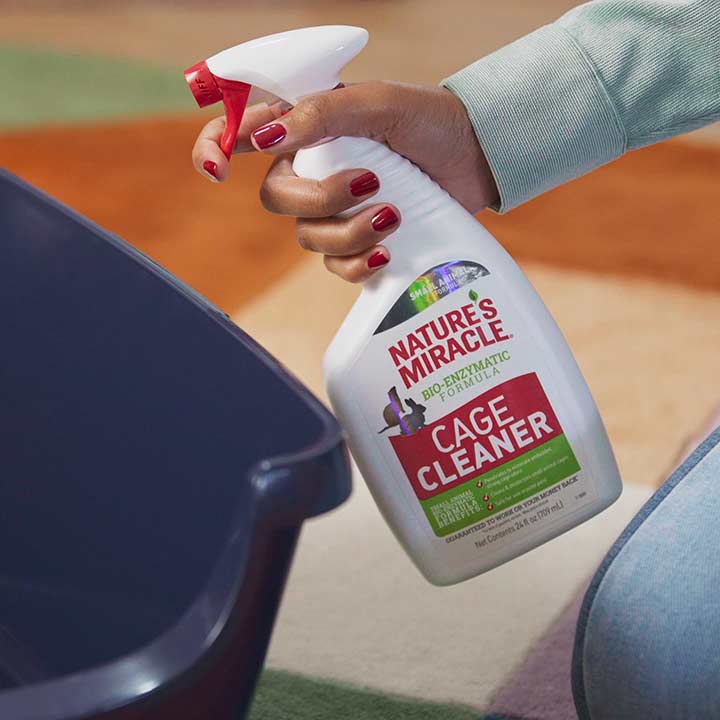
Litter training a rabbit is a rewarding experience, but it’s crucial to consider the potential impact of health issues. A rabbit’s physical and mental well-being directly influences their ability to learn and maintain a consistent litter box routine. Understanding how various health problems might affect the training process is essential for providing optimal care.Maintaining a healthy rabbit is paramount, and this includes regular veterinary check-ups to identify potential issues early on.
Early intervention can greatly improve the rabbit’s overall health and facilitate a successful litter training program. This section will delve into potential health concerns and their effects on litter training, offering practical recommendations for addressing these challenges.
Potential Health Issues Affecting Litter Training
Identifying and addressing any potential health problems affecting a rabbit’s ability to use a litter box is crucial for successful litter training. Underlying health conditions can disrupt a rabbit’s normal routines and behaviors, making litter box training more challenging. Understanding the correlation between health and litter training is essential for providing effective care.
Impact of Health Problems on Litter Box Use
Health problems can significantly impact a rabbit’s ability to use a litter box consistently. Conditions like arthritis, digestive issues, or urinary tract infections can cause discomfort, pain, or difficulty in reaching the litter box. This can lead to accidents outside the designated area. Recognizing these challenges is vital for tailoring the training process to meet the rabbit’s specific needs.
Importance of Regular Veterinary Check-ups
Regular veterinary check-ups are essential for maintaining a rabbit’s overall health and well-being. They provide an opportunity to detect potential health problems early, allowing for timely intervention and treatment. Proactive veterinary care can prevent minor issues from escalating into more serious conditions, thus reducing the challenges faced during litter training.
Addressing Health-Related Litter Training Issues
If a rabbit is experiencing health problems impacting their litter training, a tailored approach is necessary. This might involve adjusting the litter box size or location, providing extra support, or modifying the training routine. Close observation and communication with the veterinarian are key to ensuring the rabbit receives the appropriate care and support throughout the process. Modifying the environment to accommodate the rabbit’s needs is crucial for maintaining their comfort and well-being.
Identifying and Addressing Potential Medical Conditions
Early identification of potential medical conditions is essential for successful litter training. Signs like frequent urination, straining to urinate, or changes in appetite can indicate underlying issues. Consult a veterinarian promptly if any unusual behaviors or changes in habits are observed. This proactive approach can help determine if the rabbit is experiencing any discomfort or pain that could be hindering their ability to use the litter box.
Potential Health Concerns and Their Effects on Litter Training
| Potential Health Concern | Effect on Litter Training | Recommendations |
|---|---|---|
| Arthritis | Difficulty reaching the litter box, discomfort during urination or defecation. | Adjust litter box size and location, provide ramps or steps, consider a larger litter box with lower sides. |
| Digestive Issues (e.g., diarrhea) | Frequent accidents outside the litter box due to urgency and discomfort. | Consult a veterinarian, provide a bland diet, ensure access to fresh water. |
| Urinary Tract Infections (UTIs) | Increased frequency of urination, straining to urinate, pain, accidents outside the litter box. | Consult a veterinarian immediately, provide a comfortable environment. |
| Mobility Issues | Inability to reach the litter box or maintain a consistent position to urinate or defecate. | Modify the environment, use ramps or steps, adjust litter box location, consult a veterinarian. |
| Dental Problems | Difficulty eating or chewing, discomfort during urination or defecation, pain in the mouth. | Consult a veterinarian immediately. |
Final Review
![How to Litter Train a Rabbit - A Step by Step Guide [2023]](https://renji.web.id/wp-content/uploads/2025/09/Encourage-Your-Rabbit-to-Use-the-Litter-Box.jpg "How to Litter Train a Rabbit - A Step by Step Guide [2023]")
In conclusion, litter training a rabbit is a journey that requires patience, consistency, and understanding. By following the steps Artikeld in this guide, you can create a positive experience for your rabbit and maintain a clean and hygienic living space. Remember that every rabbit is unique, and adapting these techniques to your specific needs is key. A well-trained rabbit is a happy rabbit, leading to a stronger bond between you.