Rabbit dental health is crucial for their overall well-being. Proper care, encompassing a balanced diet, appropriate environmental factors, and regular veterinary check-ups, plays a vital role in preventing potentially serious dental issues. Understanding the nuances of rabbit anatomy, the potential causes of dental problems, and effective preventive strategies are essential for ensuring a happy and healthy rabbit companion.
This comprehensive guide explores the intricate world of rabbit dental care, providing detailed insights into the various aspects of prevention. From the specific dietary needs of rabbits to the importance of regular dental check-ups and the impact of environmental factors, each element is examined to equip readers with a comprehensive understanding of maintaining optimal oral health in these fascinating creatures.
Rabbit Dental Anatomy and Function
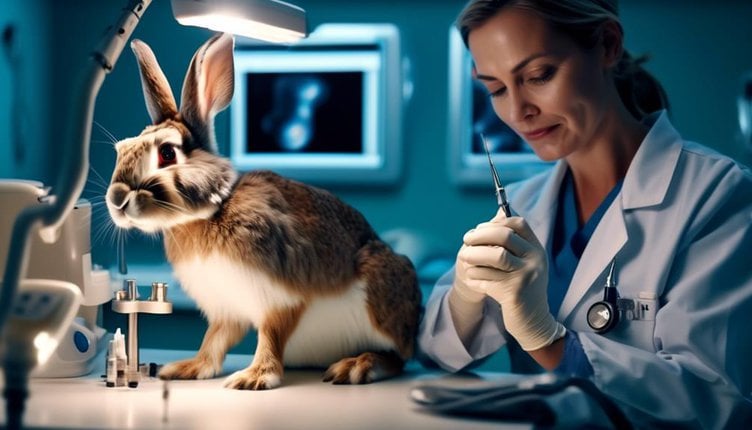
Rabbits possess a unique dental structure crucial for their diet and overall health. Understanding their dental anatomy is essential for preventing dental disease, a common and often painful issue for these animals. A well-maintained dentition allows for efficient digestion and prevents discomfort. This section details the typical dental structure, chewing mechanisms, potential breed variations, and the role of dental occlusion.
Typical Dental Structure
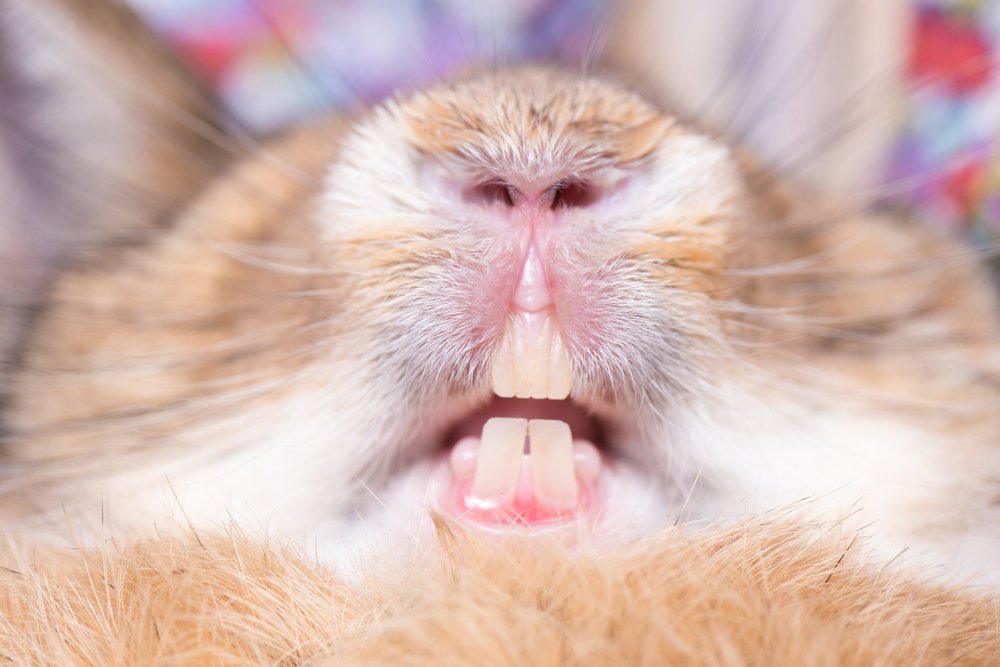
Rabbits, unlike many other mammals, have continuously growing incisors and premolars. These teeth are constantly worn down through chewing and grinding, a natural process. The incisors, located at the front of the mouth, are chisel-shaped and are responsible for nipping and clipping vegetation. Premolars and molars, further back in the mouth, are designed for grinding and pulverizing food.
The structure of these teeth plays a vital role in the rabbit’s ability to digest their fibrous diet.
Unique Chewing and Grinding Mechanisms
Rabbits exhibit a unique chewing pattern, driven by the constant growth of their incisors. This constant growth requires continuous wear, and the process of chewing and grinding against plant material ensures that their teeth remain at the proper length. This continuous grinding action also helps to maintain the correct occlusion, which is essential for preventing dental disease. Rabbits also use their cheek teeth to further pulverize their food.
They typically have a sideways chewing motion, rather than the up-and-down motion of some other animals.
Dental Variations Across Breeds
While the fundamental dental structure remains consistent across most rabbit breeds, variations can exist. Some breeds may have slightly different incisor shapes or molar patterns. For example, some smaller breeds might have more compact dental arches, which could potentially influence the wear pattern and increase the risk of dental issues if the diet isn’t carefully managed. Individual differences also play a part, and careful observation of the rabbit’s teeth is key to identifying any potential problems.
Role of Dental Occlusion
Dental occlusion refers to the way the upper and lower teeth meet. Proper occlusion is crucial in preventing dental disease. If the teeth do not meet correctly, it can lead to uneven wear, pressure points, and the development of dental problems. The continuous grinding and chewing action helps maintain a proper occlusion, as the teeth adjust to the wear and tear.
This ensures that the incisors and molars work in harmony to process food effectively.
Dental Health Table
| Tooth Type | Function | Typical Wear Pattern | Potential Issues |
|---|---|---|---|
| Incisors | Nipping and clipping vegetation | Constantly worn down due to continuous growth and chewing | Overgrown incisors, malocclusion, uneven wear, potential for incisor spurs |
| Premolars | Grinding and pulverizing food | Exhibit gradual wear as food is processed | Uneven wear, malocclusion, abscesses, or other complications in the premolar region |
| Molars | Further grinding and pulverizing food | Exhibit gradual wear as food is processed, particularly in the molar region | Uneven wear, malocclusion, abscesses, or other complications in the molar region |
Causes of Rabbit Dental Disease
Rabbit dental disease, a significant concern for rabbit owners, arises from a complex interplay of factors. Understanding these causes is crucial for preventative measures and timely intervention. A proactive approach to diet, environment, and overall health can significantly reduce the risk of developing dental issues.Genetic predisposition, dietary deficiencies, and environmental stressors all contribute to the development of dental problems in rabbits.
Identifying the specific contributing factors allows for targeted preventative strategies. Recognizing the early signs of dental disease is vital for prompt treatment and minimizing long-term complications.
Genetic Predisposition
Certain breeds or lines of rabbits may have a higher susceptibility to dental malocclusion. This genetic predisposition can affect the shape and alignment of teeth, making them more prone to overgrowth and malalignment. For instance, some breeds may exhibit a naturally narrower jaw structure that could hinder proper tooth eruption. This can lead to a predisposition for teeth to grow in an irregular pattern or at an accelerated rate.
Dietary Factors
Diet plays a critical role in rabbit dental health. A diet lacking in sufficient fiber can lead to dental overgrowth, as teeth continuously grow throughout the rabbit’s life. Hay, the cornerstone of a healthy rabbit diet, provides the necessary abrasion to keep teeth at the proper length. A diet consisting primarily of soft foods, like pellets, or insufficient amounts of hay, can lead to a build-up of plaque and tartar, which further exacerbates dental problems.
For example, a diet low in roughage can cause teeth to grow rapidly and unevenly, potentially leading to malocclusion.
Environmental Factors
Environmental factors can also contribute to dental problems in rabbits. A lack of chewing opportunities can contribute to dental overgrowth. Chewing is crucial for rabbits to maintain a proper tooth length. If rabbits don’t have enough to chew on, their teeth can grow unchecked, leading to malocclusion. Furthermore, stress or changes in the environment can also impact dental health.
Stress can negatively affect the body’s ability to maintain proper oral health.
Comparison of Dental Diseases
Dental disease in rabbits can manifest in several ways, from malocclusion to dental abscesses. Malocclusion, where teeth don’t align properly, can lead to significant discomfort and hinder the rabbit’s ability to eat. Dental abscesses, often a result of infection, cause pain and swelling, which can impede the rabbit’s overall health. Furthermore, tooth root abscesses can spread to other parts of the body.
Understanding the different types of dental diseases and their symptoms is essential for diagnosis and treatment.
Long-Term Consequences of Untreated Dental Issues
Untreated dental problems can have severe and lasting consequences. Pain and discomfort can hinder a rabbit’s ability to eat, leading to malnutrition and weight loss. Untreated dental disease can also lead to secondary infections and other health complications. For example, a rabbit with a severe dental abscess may experience significant pain and inflammation, making it difficult to eat, and potentially leading to complications like kidney failure.
Table: Causes, Descriptions, Symptoms, and Preventative Measures for Rabbit Dental Disease
| Cause | Description | Symptoms | Preventative Measures |
|---|---|---|---|
| Genetic Predisposition | Certain breeds or lines are more susceptible to dental malocclusion due to jaw structure. | Irregular tooth alignment, accelerated tooth growth. | Choosing breeds known for good dental health, monitoring for early signs of malocclusion. |
| Dietary Deficiencies (Lack of Fiber) | Insufficient hay intake and excessive soft food intake. | Dental overgrowth, malocclusion, difficulty eating, weight loss. | Provide unlimited access to high-quality hay, limit pellets and other soft foods. |
| Environmental Factors (Limited Chewing Opportunities) | Lack of appropriate chewing objects. | Dental overgrowth, malocclusion, difficulty eating. | Offer a variety of chew toys and hard objects to promote healthy tooth wear. |
| Stress | Environmental changes or lack of enrichment. | Increased risk of dental problems, slower healing of existing issues. | Maintain a calm and stable environment, provide enrichment. |
Dietary Management for Prevention
A crucial aspect of preventing dental disease in rabbits is establishing a proper diet. Rabbits, by nature, are herbivores with specialized digestive systems requiring a diet rich in fiber and low in sugars. This dietary management approach is essential for maintaining optimal oral health and overall well-being.A diet tailored to meet a rabbit’s specific needs plays a pivotal role in preventing dental problems.
The proper balance of nutrients, particularly high-fiber content, is critical for maintaining healthy teeth and preventing excessive wear and tear. Understanding the appropriate food types and their quantities is essential for ensuring a rabbit’s dental health.
High-Fiber, Low-Sugar Diet
A rabbit’s diet should primarily consist of high-fiber foods, such as hay. These fibrous foods promote proper tooth grinding and prevent the overgrowth of teeth. A diet rich in sugar can contribute to dental issues, including cavities and inflammation. Minimizing sugary treats and processed foods is crucial for preventing these problems.
Importance of Hay
Hay is the cornerstone of a healthy rabbit diet. It provides essential roughage, promoting proper chewing and preventing dental problems. Different types of hay, such as Timothy hay, orchard grass hay, or alfalfa hay, offer varying nutritional profiles. Always ensure fresh, clean hay is available at all times. Hay should make up the majority of a rabbit’s daily intake.
Calculating Food Amounts
Determining the correct food portions is essential for maintaining a rabbit’s health. The amount of food required depends on the rabbit’s size, age, and activity level. Young rabbits require more frequent feedings and smaller portions compared to adults. Consult a veterinarian for personalized dietary recommendations, as individual needs may vary. A general guideline is to provide a small, measured amount of food twice a day.
Examples of Appropriate and Inappropriate Foods
A rabbit’s diet should primarily consist of hay. Fresh vegetables, such as leafy greens, carrots (in moderation), and herbs, can be incorporated as supplemental foods. Avoid foods high in sugar, such as sweets, bread, and processed foods. Avoid offering chocolate or other toxic foods.
Detailed Dietary Plan
| Food Type | Nutritional Benefits | Potential Risks | Recommended Daily Intake |
|---|---|---|---|
| Timothy Hay | Excellent source of fiber, promotes healthy digestion, and helps wear down teeth. | None if given in appropriate quantities. | At least 80% of daily intake. |
| Leafy Greens (e.g., romaine lettuce, cilantro, parsley) | Provide vitamins, minerals, and hydration. | Some greens can cause digestive upset if given in excess. | A small portion, typically 1-2 cups per day, depending on the rabbit’s size. |
| Fresh Herbs (e.g., dandelion greens, plantain) | Provide vitamins, minerals, and antioxidants. | Some herbs can cause digestive upset if given in excess. | A small portion, typically 1-2 cups per day, depending on the rabbit’s size. |
| Carrots (in moderation) | Source of vitamins and minerals. | High in sugar; can contribute to dental problems if given in excess. | A small piece or a few slices per day. |
| Commercial Rabbit Pellets (in moderation) | Supplement of vitamins and minerals. | Can lead to dental issues if given in excess. Should not be the primary food source. | A small amount, approximately 1-2 tablespoons per day, depending on the rabbit’s size and needs. |
| Fruits (in moderation) | Source of vitamins and minerals. | High in sugar; should be given sparingly. | A very small amount, typically a few pieces per week, depending on the rabbit’s size and needs. |
| Sugary Treats (e.g., sweets, chocolate) | No nutritional value. | High in sugar; can cause dental problems and other health issues. | Avoid completely. |
Dental Care and Hygiene Practices
Maintaining optimal oral health is crucial for a rabbit’s overall well-being. Regular dental care, both professional and at-home, plays a vital role in preventing and managing dental disease. Neglecting dental care can lead to pain, discomfort, and even serious health complications.Professional veterinary care is essential for identifying early signs of dental issues and developing a tailored prevention and treatment plan.
Early intervention can significantly improve the rabbit’s quality of life and prevent progression to more complex problems. At-home dental hygiene practices, when performed correctly, can supplement professional care and support long-term oral health.
Importance of Regular Dental Check-ups
Regular veterinary check-ups, ideally every 6-12 months, are crucial for early detection of dental problems. Veterinary professionals can assess the rabbit’s teeth for any signs of wear, malocclusion (incorrect bite), or early stages of disease. Early detection allows for prompt intervention, preventing the progression of dental disease and minimizing the need for more invasive procedures.
Role of Professional Dental Care
Professional dental care, performed by a veterinarian, is often necessary for more severe dental issues. This may include procedures such as tooth extraction, polishing, or dental scaling to remove tartar and plaque buildup. Veterinarians are equipped with specialized tools and techniques to safely and effectively address these concerns. The veterinarian’s expertise ensures the rabbit’s comfort and safety throughout the procedure.
Appropriate At-Home Dental Hygiene Practices
Daily observation of the rabbit’s teeth and mouth for any signs of redness, swelling, or unusual chewing habits is a vital part of at-home care. Identifying these early signs can alert owners to potential problems that may require veterinary intervention. In conjunction with regular professional check-ups, at-home care significantly enhances preventative efforts.
Tools and Techniques for Cleaning a Rabbit’s Teeth Safely
Safe and effective at-home dental hygiene involves using appropriate tools and techniques. Soft-bristled toothbrushes designed for small animals are ideal. Use a small amount of a pet-safe toothpaste formulated for rabbits. Gentle, circular motions should be used to clean the teeth. Avoid harsh scrubbing or forceful pressure, which can injure the gums and teeth.
Avoid using human toothpaste, as it contains ingredients that are harmful to rabbits. Consult your veterinarian for appropriate toothpaste recommendations.
Common Mistakes to Avoid When Cleaning a Rabbit’s Teeth
Avoid using human-grade dental products or tools that may be too rough or large for a rabbit. Do not use harsh chemicals or abrasive materials that could damage the rabbit’s teeth and gums. Do not attempt to clean the rabbit’s teeth if you are uncomfortable or unsure of the proper technique. Always consult your veterinarian for guidance and support in at-home dental care.
Table of Dental Care Procedures
| Tool | Procedure | Safety Considerations | Potential Issues |
|---|---|---|---|
| Soft-bristled toothbrush | Gently brush teeth in small, circular motions. | Avoid harsh scrubbing or forceful pressure. | Injury to gums or teeth, discomfort to the rabbit. |
| Pet-safe toothpaste | Apply a small amount to the brush. | Ensure the toothpaste is specifically formulated for rabbits. | Ingestion of inappropriate toothpaste can be harmful. |
| Cotton swabs (optional) | Use cotton swabs to clean hard-to-reach areas. | Avoid forcing or inserting the cotton swab too deep. | Potential for scratching the rabbit’s gums or mouth. |
| Veterinary tools | Professional dental cleaning. | Performed by a qualified veterinarian. | Unnecessary procedures, potential for complications. |
Recognizing and Managing Symptoms
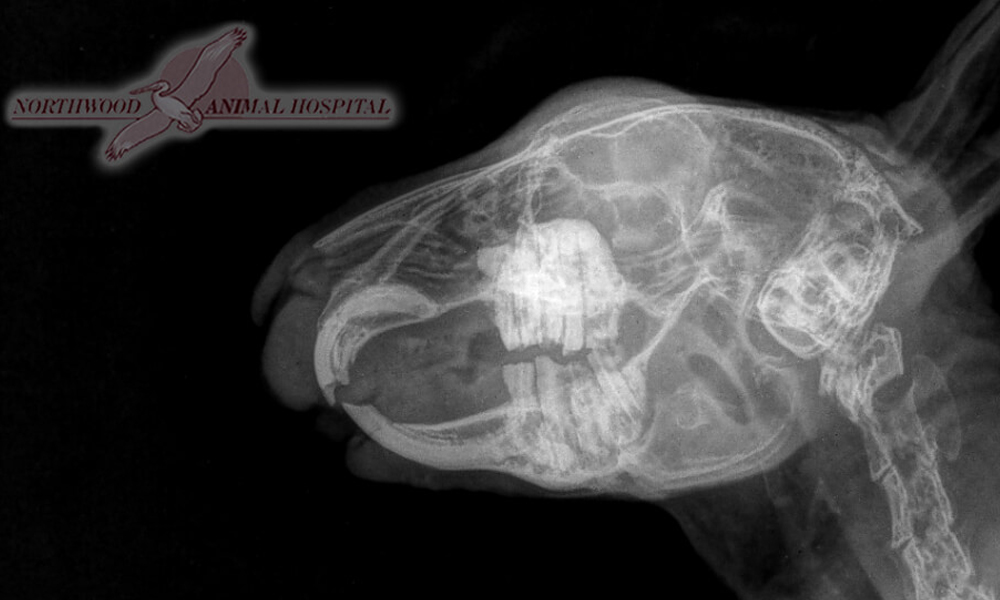
Early detection of rabbit dental disease is crucial for effective treatment and minimizing long-term complications. Rabbits, being prey animals, often hide signs of pain or discomfort. Owners need to be vigilant and observant to identify potential issues early. Prompt veterinary attention is vital to ensure the rabbit’s well-being.
Early Signs of Dental Disease
Rabbits experiencing dental problems may exhibit subtle changes in their behavior and appearance. These initial signs can be overlooked if not carefully monitored. Early detection allows for timely intervention, preventing the progression of dental issues.
- Changes in appetite: A rabbit that previously enjoyed their food may suddenly lose interest. This could be a sign of discomfort while chewing or pain associated with the teeth. Reduced food intake can lead to weight loss.
- Drooling or excessive salivation: Saliva production may increase if the rabbit is experiencing pain or discomfort from their teeth. Excess saliva can lead to a wet, soiled environment.
- Difficulty eating: Rabbits may struggle to chew their food or show signs of discomfort while consuming it. This can manifest as slow eating or an unwillingness to eat altogether.
- Weight loss: Prolonged difficulty eating or chewing can result in weight loss, a significant indicator of underlying dental issues.
- Facial swelling: In some cases, swelling around the face or mouth can occur, indicating an infection or inflammation related to dental disease.
- Pawing at the mouth or face: Rabbits may paw at their mouth or face in an attempt to alleviate discomfort caused by dental problems.
Recognizing Discomfort and Pain
Identifying signs of discomfort in rabbits requires careful observation. Rabbits are often stoic, masking pain and distress. Recognizing these signs is essential for timely intervention.
- Grinding teeth: A rabbit might grind their teeth (bruxism) excessively, often accompanied by head shaking, as a response to dental pain.
- Changes in behavior: A rabbit exhibiting unusual behaviors, such as lethargy, hiding, or reduced activity, may be experiencing discomfort or pain from dental issues.
- Vocalizations: Rabbits may vocalize more than usual, especially if they are in pain. These vocalizations may range from soft whimpers to louder squeals.
Importance of Veterinary Care
Prompt veterinary attention is critical for managing dental disease in rabbits. Veterinary professionals are equipped to diagnose the specific dental problem and provide appropriate treatment.
- Professional Diagnosis: Veterinarians can accurately diagnose the stage and severity of dental disease. This is crucial for developing a tailored treatment plan.
- Appropriate Treatment: Veterinarians can recommend and administer necessary dental procedures, such as extractions or fillings. They can also provide guidance on dietary adjustments to prevent further dental problems.
- Monitoring Progress: Regular veterinary check-ups are essential for monitoring the rabbit’s response to treatment and preventing future complications.
Recognizing Stages of Dental Disease
Dental disease in rabbits can progress through various stages, each with varying degrees of severity. Understanding these stages is vital for determining the appropriate treatment approach.
- Early Stage: Characterized by subtle signs, such as reduced appetite and mild discomfort. Treatment at this stage can prevent the disease from progressing further.
- Moderate Stage: Demonstrates more pronounced signs of discomfort, including significant weight loss and difficulty eating. Treatment at this stage may require more extensive procedures.
- Advanced Stage: Marked by severe discomfort, significant weight loss, and potentially life-threatening complications. Treatment at this stage may be more complex and may require aggressive interventions.
Severity and Treatment Options
The table below summarizes the symptoms, severity, and treatment options for various dental problems in rabbits.
| Dental Problem | Symptoms | Severity | Treatment Options |
|---|---|---|---|
| Overgrown incisors | Difficulty eating, weight loss, drooling | Moderate | Dental grinding, dietary changes, trimming |
| Malocclusion | Uneven wear, abnormal bite | Moderate to Severe | Dental grinding, trimming, potential extraction |
| Abscesses | Swelling, pain, fever | Severe | Antibiotics, pain management, possible extraction |
| Fractured teeth | Pain, difficulty eating, swelling | Moderate to Severe | Dental grinding, pain management, extraction |
Environmental Factors and Prevention
A rabbit’s environment significantly impacts its overall health, including dental health. Proper housing, ample space, and appropriate enrichment are crucial for maintaining a healthy oral cavity. Stressful environments can lead to a cascade of negative effects, potentially contributing to dental problems. Understanding these environmental factors is essential for preventing dental disease in rabbits.Environmental factors play a pivotal role in a rabbit’s dental well-being.
A well-designed environment minimizes stress, encourages natural behaviours, and provides opportunities for essential chewing activities, all contributing to a healthy mouth. Ignoring these factors can lead to an increased risk of dental issues.
Influence of Housing
Proper housing is fundamental for a rabbit’s dental health. Adequate space allows for natural movement and exploration, crucial for preventing boredom and stress, which are both factors that can contribute to dental problems. A cramped environment limits opportunities for essential chewing activities, potentially leading to malocclusion. The housing should be spacious enough to accommodate the rabbit’s size and needs, and constructed from materials that are easy to clean and maintain.
Impact of Space
Sufficient space is essential for a rabbit’s well-being. Rabbits are naturally active animals, requiring ample room to move, explore, and engage in natural behaviours like chewing. Confinement in small spaces can lead to boredom, stress, and a reduction in chewing activities, increasing the risk of dental issues. Providing a spacious hutch or enclosure with a large run or outdoor access is recommended.
Importance of Enrichment
Enrichment items provide vital chewing opportunities and stimulate natural behaviours, contributing to a rabbit’s overall health, including dental health. Lack of enrichment can lead to boredom and stress, impacting the rabbit’s dental health. Offer a variety of chew toys, such as hard blocks, wood branches (appropriate for rabbits), and cardboard tubes, providing opportunities for gnawing and reducing the risk of dental disease.
Chewing Opportunities
Chewing is a crucial natural behaviour for rabbits. It helps to keep teeth worn down to the correct length and shape, preventing overgrowth. Providing ample opportunities for chewing through various hard materials is essential for maintaining healthy dental function. A lack of suitable chewing materials can result in malocclusion and dental disease. Offering a range of appropriate hard materials, including safe wood branches, cardboard, and hard chew toys, will encourage natural chewing behaviour.
Impact of Stress
Stress is a significant factor influencing rabbit dental health. Stressful environments, such as loud noises, changes in routine, or interactions with other animals, can lead to reduced chewing, impacting dental health. Chronic stress can lead to a variety of health problems, including dental issues. Minimising stressors in a rabbit’s environment is essential for overall well-being, including dental health.
Providing a quiet and predictable environment, with opportunities for exploration and play, helps to minimise stress.
Environmental Factors Affecting Rabbit Dental Health
| Environmental Factor | Impact on Dental Health | Solutions | Considerations |
|---|---|---|---|
| Cramped Housing | Limited chewing opportunities, increased stress, potential for malocclusion | Provide spacious hutches or enclosures with access to runs or outdoor space. | Ensure adequate space is appropriate for the rabbit’s size and needs. |
| Lack of Enrichment | Boredom, reduced chewing activity, increased stress, potential for dental disease | Offer a variety of safe chew toys, wood branches (appropriate for rabbits), cardboard tubes. | Ensure materials are safe and appropriate for rabbits. |
| Stressful Environment | Reduced chewing, abnormal tooth growth, potential for dental disease | Maintain a quiet and predictable environment. Minimize loud noises or sudden changes in routine. | Identify and address any potential stressors. Provide a secure and comfortable space. |
| Insufficient Chewing Materials | Teeth overgrow, potential for malocclusion, dental disease | Provide a variety of hard chew toys, safe wood branches, cardboard. | Ensure materials are rabbit-safe and offer appropriate textures. |
Breed Predisposition and Prevention
Certain rabbit breeds exhibit a higher susceptibility to dental disease compared to others. This predisposition is often linked to anatomical variations and breed-specific characteristics that influence the development and maintenance of healthy dental structures. Understanding these breed-specific vulnerabilities is crucial for implementing targeted preventive strategies to minimize the risk of dental issues.Breed-specific differences in jaw structure, tooth size, and overall facial morphology can affect the natural wear and tear of teeth.
Furthermore, differences in chewing habits and dietary preferences can influence the development of dental problems. By recognizing these predispositions, responsible rabbit owners can implement proactive measures to promote oral health.
Rabbit Breeds with Higher Susceptibility
Several rabbit breeds are known to have a higher risk of dental disease due to inherent anatomical and physiological characteristics. Factors such as jaw structure, tooth size, and the potential for overgrowth or misalignment can contribute to a higher susceptibility. Understanding these breed-specific vulnerabilities allows for proactive preventive strategies.
- Dutch Rabbits: Dutch rabbits, known for their distinctive coat patterns, often exhibit a predisposition to malocclusion (incorrect bite). Their shorter jaws and specific tooth morphology can increase the risk of teeth growing unevenly or misaligning, potentially leading to discomfort and dental disease. Preventive measures, such as careful dietary management and regular dental check-ups, are crucial for maintaining their oral health.
- Rex Rabbits: Rex rabbits, characterized by their dense, velvety fur, may also be more prone to dental issues. The potential for irregular tooth wear due to their specific chewing patterns and jaw structure may require increased vigilance in dental care. Dietary adjustments and routine dental examinations are essential.
- Lionhead Rabbits: Lionhead rabbits, with their distinctive mane-like fur around their heads, can have unique dental challenges. The unusual facial structure and potential for malocclusion in some individuals necessitates proactive measures, such as appropriate nutrition and dental care, to ensure oral health.
- English Lop Rabbits: English Lop rabbits, with their long, floppy ears and large body size, often exhibit jaw structure variations that can lead to dental issues. Their larger size and specific jaw structure may require more frequent dental check-ups and specialized care to maintain optimal oral health.
Preventive Strategies Tailored to Specific Breeds
Addressing breed-specific vulnerabilities requires tailored preventive strategies. The approach should consider the unique anatomical characteristics and potential predisposition to specific dental problems.
- Dietary Management: A balanced diet, including appropriate roughage and hay, is crucial for all rabbit breeds. However, breeds with higher susceptibility may benefit from specialized diets or supplemental feeding plans to promote proper tooth wear. For example, high-fiber diets are beneficial in preventing dental disease.
- Dental Hygiene Practices: Regular dental examinations by a veterinarian are recommended, especially for rabbits in higher-risk breeds. These examinations allow for early detection of potential issues, such as malocclusion or overgrown teeth. Thorough dental hygiene practices, including appropriate brushing and cleaning techniques, should be implemented.
- Environmental Factors: The environment plays a role in maintaining oral health. Providing adequate chew toys or appropriate chewable objects can promote proper tooth wear and prevent overgrown teeth. Consistent monitoring and proactive care are essential.
Comparison of Dental Needs Across Breeds
The dental needs of different rabbit breeds vary due to anatomical and physiological differences. Factors such as jaw structure, tooth size, and chewing habits influence the susceptibility to dental disease. Understanding these differences is crucial for appropriate preventive measures.
| Breed | Dental Needs | Preventive Strategies |
|---|---|---|
| Dutch | Regular dental check-ups due to potential malocclusion | High-fiber diet, frequent monitoring, professional dental care |
| Rex | Regular monitoring for irregular tooth wear | Consistent dental care, proper diet, regular dental examinations |
| Lionhead | Increased risk of malocclusion due to facial structure | Careful dental care, balanced diet, regular monitoring |
| English Lop | Potential for jaw structure issues affecting tooth wear | Specialized dental care, proper diet, monitoring for overgrown teeth |
Wrap-Up
In conclusion, preventing rabbit dental disease requires a multifaceted approach encompassing dietary management, meticulous hygiene practices, and proactive veterinary care. By understanding the unique dental anatomy and function of rabbits, the common causes of dental problems, and the importance of environmental factors, owners can proactively contribute to their rabbit’s long-term oral health. A holistic approach, tailored to individual rabbit needs, will ultimately help maintain a healthy and vibrant life for these beloved companions.