Understanding the subtle signs of pregnancy in rabbits is crucial for providing optimal care. This guide delves into the various methods for determining if your furry friend is expecting, ranging from physical changes and behavioral shifts to the importance of professional veterinary assessment. Early detection allows for proactive measures to ensure the well-being of both the mother and her offspring.
From identifying potential physical changes to evaluating abdominal conditions and understanding behavioral cues, this comprehensive resource will equip you with the knowledge to navigate the exciting (and sometimes challenging) journey of rabbit pregnancy. We will explore the nuances of these signs, considering factors like breed and individual rabbit characteristics. Accurate assessment is key to providing appropriate care and support during this critical period.
Identifying Potential Signs of Pregnancy
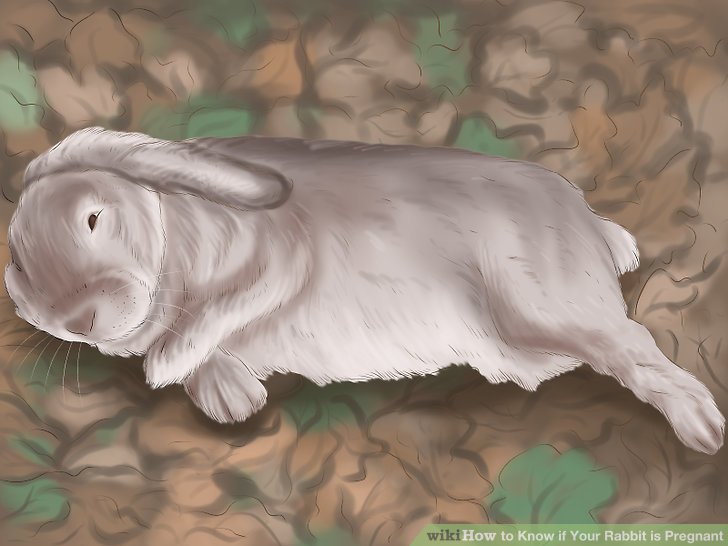
Determining if a rabbit is pregnant can be challenging, as the early stages often show subtle changes. Careful observation of both physical and behavioral cues is crucial for accurate assessment. This process requires patience and understanding of normal rabbit behavior to distinguish pregnancy signs from other conditions.Early detection of pregnancy allows for appropriate care and management, promoting the health of both the mother and her future offspring.
Recognizing the potential signs of pregnancy is essential for providing timely veterinary intervention if needed.
Physical Changes Indicating Pregnancy
Early pregnancy in rabbits is marked by subtle physical changes. These changes typically become more pronounced as the pregnancy progresses. A growing uterus, while not immediately visible, can impact the rabbit’s overall appearance. Abdominal swelling is one of the first observable changes, but it is crucial to differentiate this from other factors such as obesity or digestive issues.
Careful observation and consideration of other symptoms are vital.
Differentiating Pregnancy-Related Changes from Other Conditions
It’s essential to distinguish between pregnancy-related changes and other common rabbit ailments. Obesity can cause similar abdominal distension, while digestive problems or tumors can also lead to unusual swelling. Uterine enlargement is a key sign of pregnancy, but it is often accompanied by behavioral changes that help distinguish it from other conditions. Careful monitoring of the rabbit’s overall health, including appetite, activity level, and stool consistency, alongside physical changes, can aid in distinguishing pregnancy from other potential issues.
Importance of Observing Behavioral Changes
Behavioral changes often accompany physical changes during pregnancy. Rabbits may exhibit nesting behavior, such as gathering soft materials to create a nest, which is a clear indicator of impending birth. Changes in appetite, such as increased or decreased appetite, can also indicate pregnancy. However, variations in appetite can be due to various factors, including stress, illness, or even changes in diet.
Thorough observation of both physical and behavioral changes provides a more comprehensive understanding of the rabbit’s condition.
Comparison of Pregnancy Signs Across Breeds
While the general signs of pregnancy are similar across rabbit breeds, subtle variations may exist. For instance, some breeds might exhibit physical changes earlier or more dramatically than others. The size and build of the rabbit also influence the visibility of changes. Breed-specific variations in body type and metabolism can influence the rate and degree of physical changes during pregnancy.
Summary Table of Potential Changes
| Sign | Description | Frequency | Severity |
|---|---|---|---|
| Abdominal Swelling | Gradually enlarging abdomen, especially noticeable as pregnancy progresses. | Moderate to high, depending on the stage of pregnancy. | Mild to moderate, but can become significant near birth. |
| Nesting Behavior | Gathering soft materials (hay, fur, etc.) to create a nest. | High, especially as the due date approaches. | Mild to moderate, often a strong indication of pregnancy. |
| Increased Appetite | May consume more food than usual. | Variable, depending on the rabbit and stage of pregnancy. | Mild to moderate, but not always present. |
| Decreased Activity | Reduced activity levels. | Moderate to high, especially as pregnancy progresses. | Mild to moderate, but can be significant near birth. |
| Restlessness | Increased movement and restlessness, especially during the last few weeks of pregnancy. | High, especially as the due date approaches. | Moderate to severe, often associated with impending labor. |
Assessing the Rabbit’s Body Condition
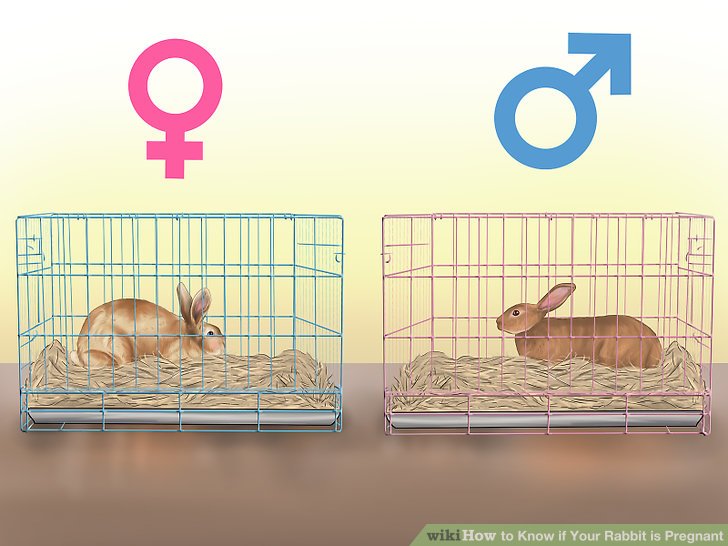
Monitoring a rabbit’s body condition is crucial during suspected pregnancy. Consistent weight checks provide valuable insights into the rabbit’s overall health and well-being, particularly during this sensitive period. This allows for early detection of potential issues, ensuring the mother and her offspring are receiving the necessary care.Accurate weight measurement, combined with regular assessments of body condition, can help identify potential problems early, allowing for prompt intervention.
Changes in weight and body condition can be indicative of pregnancy, but are not conclusive. This method must be used in conjunction with other signs of pregnancy.
Importance of Consistent Weight Monitoring
Regular weight checks are essential to identify subtle changes in a rabbit’s body condition. These changes, although small, can indicate pregnancy-related physiological adjustments. Consistent monitoring allows for the detection of potential problems before they become critical, thereby improving the chances of a healthy pregnancy outcome. For example, a sudden or significant weight loss could indicate illness or stress, while gradual weight gain might be a sign of pregnancy.
Accurate Weight Measurement
Accurate and safe weight measurement is paramount. A digital scale specifically designed for small animals is ideal. Place the rabbit gently onto the scale, ensuring the scale is level and stable. Record the weight, noting the date and time. Avoid handling the rabbit excessively, as this can cause stress.
The rabbit should be weighed at approximately the same time each day, ideally before feeding, to ensure consistent comparisons. A slight variation in the time of day may occur due to the rabbit’s natural feeding and activity patterns.
Connection Between Weight Gain and Pregnancy
Weight gain is a key indicator of pregnancy, though not the only one. A pregnant rabbit will experience a gradual increase in weight, largely due to the growing litter and the increased nutrient demands of the mother. However, other factors such as diet and overall health influence the rate of weight gain. It is important to distinguish between healthy weight gain associated with pregnancy and weight gain resulting from overfeeding or other underlying conditions.
Evaluating Overall Body Condition
Beyond weight, evaluating the rabbit’s overall body condition provides a more comprehensive picture. Observe the rabbit’s muscle tone and fat distribution. A pregnant rabbit may show a slight increase in abdominal girth, as the uterus expands to accommodate the developing kits. Inspect the rabbit’s ribs, spine, and hips; a healthy rabbit will have a discernible but not prominent rib cage and a well-defined spine.
Excessive fat accumulation, however, might mask the underlying signs of pregnancy.
Methods of Weight Assessment
| Method | Pros | Cons | Accuracy |
|---|---|---|---|
| Digital Scale for Small Animals | Precise measurements, safe for the rabbit, easy to read | Requires a stable surface, can be expensive | High |
| Hand-held Scale | Portable, less expensive | Less precise, potential for inaccurate readings | Medium |
| Visual Assessment (Body Condition Scoring) | Simple, readily available, can be used in conjunction with other methods | Subjective, requires experience | Low |
Evaluating Abdominal Changes
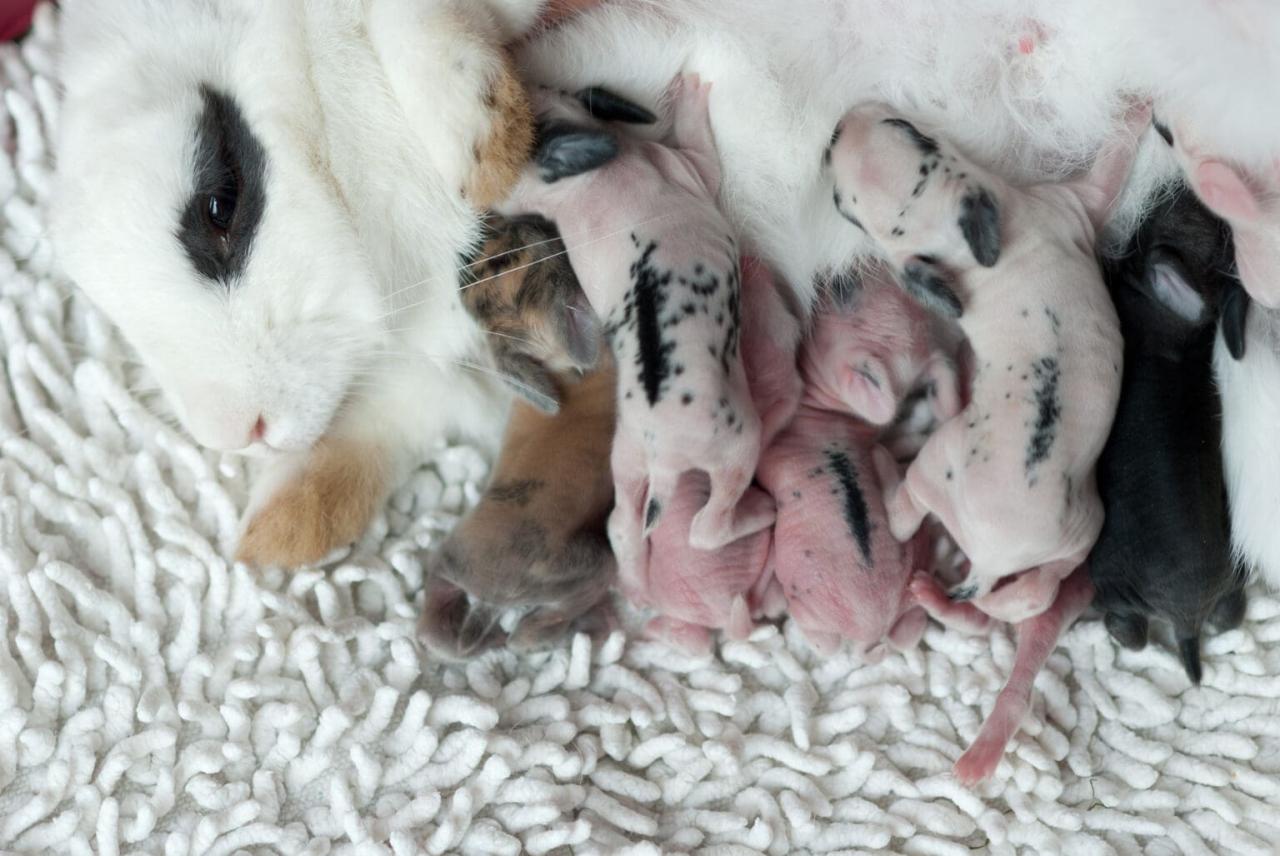
Assessing a rabbit’s abdomen for signs of pregnancy requires careful observation and palpation. This method allows for the detection of developing fetuses, providing valuable insights into the progression of the pregnancy. Early detection aids in proper care and management throughout the gestation period.A key aspect of evaluating pregnancy in rabbits is understanding how the developing fetuses impact the abdominal cavity.
By palpating the abdomen, you can identify the presence of fetuses, their size, and their distribution. The techniques described below provide a framework for safe and effective palpation, enabling you to determine the stage of pregnancy.
Palpating a Rabbit’s Abdomen for Pregnancy
Proper palpation techniques are crucial for both the rabbit’s well-being and the accuracy of the assessment. Gentle pressure is essential to avoid causing discomfort or injury to the rabbit.
Stages of Pregnancy and Abdominal Changes
The presence of abdominal changes is a primary indicator of pregnancy. Early in the pregnancy, when the number of fetuses is limited and they are small, changes may be subtle. As the pregnancy progresses, and the number of fetuses increases, changes become more pronounced.
Gentle and Appropriate Pressure
Applying excessive pressure during palpation can cause stress to the rabbit and potentially harm the developing fetuses. A gentle, but firm touch is critical. It’s vital to use a light touch initially, and only increase pressure if necessary and only if you are certain the rabbit is comfortable.
Palpation Techniques for Different Stages of Pregnancy
Different stages of pregnancy necessitate adjusted palpation techniques. Early pregnancy often requires a more delicate touch to avoid discomfort or harming the developing fetuses. As the pregnancy advances, and the number of fetuses increases, the abdomen will feel more pronounced, allowing for a more comprehensive assessment.
Step-by-Step Procedure for Safe Palpation
This step-by-step guide Artikels the procedure for safely palpating a rabbit’s abdomen to check for pregnancy. Always prioritize the rabbit’s comfort and safety.
- Preparation: Ensure the rabbit is calm and relaxed. A quiet environment and gentle handling are key.
- Positioning: Gently restrain the rabbit, ensuring it is in a comfortable position for palpation. A flat surface or a slight incline is beneficial.
- Initial Touch: Use the pads of your fingers to palpate the abdomen, beginning with light pressure and slowly increasing if necessary. Observe the rabbit’s response. If it shows any signs of discomfort, stop immediately.
- Palpation Technique: Gently move your fingers around the abdomen, feeling for the presence of firm, distinct objects, which are the developing fetuses. Vary the pressure and direction of your touch to thoroughly assess the area.
- Evaluation: Assess the size, shape, and distribution of any detected objects. If you are unsure about the presence of fetuses, consult a veterinarian.
- Post-Palpation: Offer the rabbit a comforting treat and praise it for its cooperation. Observe the rabbit for any signs of distress or discomfort.
Understanding the Role of Behavior
Identifying potential pregnancy in rabbits relies not only on physical changes but also on observing behavioral shifts. These subtle changes, often linked to hormonal fluctuations, can provide valuable clues to a rabbit’s reproductive status. Recognizing these patterns can aid in providing appropriate care and support during this crucial time.
Behavioral Changes as Indicators
Rabbits exhibit a complex array of behaviors, and pregnancy can subtly alter these patterns. Understanding normal rabbit behavior is key to recognizing potential deviations. A pregnant rabbit might display changes in activity levels, social interactions, and nesting habits. These adjustments are often subtle but can be significant indicators.
Specific Behaviors Potentially Linked to Pregnancy
A pregnant rabbit may exhibit a variety of behaviors, some of which might be interpreted as changes in mood, but are, in fact, physical or hormonal responses. These behaviors may or may not be obvious.
- Increased Restfulness or Lethargy: A pregnant rabbit may experience increased fatigue due to the demands of pregnancy. This can manifest as more time spent resting, less interaction with the environment, or a slower response to stimuli. While not always indicative of pregnancy, it’s important to consider it alongside other indicators.
- Nesting Behavior: Rabbits are known to be meticulous nesters, but a pregnant female might exhibit more pronounced nesting activity. This can include gathering bedding materials, rearranging the hutch, or creating a dedicated nest area. This behavior often precedes or accompanies the birth of the kits. The amount of material gathered and the intensity of the behavior may vary.
- Changes in Appetite: A pregnant rabbit’s appetite might fluctuate. Initially, the appetite may remain normal, but it may increase as the pregnancy progresses to support the developing kits. However, some pregnant rabbits may experience decreased appetite, especially in the later stages.
- Changes in Social Interactions: A pregnant rabbit might become more withdrawn or exhibit changes in social interactions with other rabbits. She might spend less time interacting with other rabbits and more time in her nest. She may also become more protective of her space or surroundings. This is a complex behavior that can be influenced by several factors.
- Increased Grooming: A pregnant rabbit may increase her grooming habits, which is a normal behavior. However, an excessive increase could be a sign of discomfort or anxiety, or could be a symptom of pregnancy.
Hormonal Changes and Altered Behavior
Hormonal changes associated with pregnancy directly influence the rabbit’s behavior. Estrogen and progesterone levels rise, affecting the rabbit’s mood, activity, and nesting instincts. These changes can also affect appetite, and the frequency and intensity of these changes may vary among individual rabbits. Changes in hormone levels influence the rabbit’s behaviors and create a distinct behavioral pattern.
Comparing and Contrasting Normal and Potential Pregnancy Behaviors
It is essential to consider normal rabbit behavior when assessing potential pregnancy signs. A rabbit’s activity level, social interactions, and grooming habits vary depending on factors like age, environment, and health. Observing these behaviors over time provides context for potential pregnancy-related shifts. Comparing and contrasting these behaviors is essential for accurate assessment.
Table of Potential Behavioral Changes
| Behavior | Description | Frequency | Potential Meaning |
|---|---|---|---|
| Increased Restfulness | More time spent resting, less interaction with environment | More than usual, especially at night | Possible sign of pregnancy, fatigue, or illness; needs further observation |
| Nesting Behavior | Gathering bedding materials, rearranging hutch, creating nest | Increased activity compared to normal | Strong indicator of pregnancy, especially when combined with other signs |
| Changes in Appetite | Increased or decreased appetite | Significant change in daily intake | Possible sign of pregnancy or illness; monitor closely |
| Changes in Social Interactions | More withdrawn, less interaction with other rabbits, protective of space | Noticeable change in interaction patterns | Potential indicator of pregnancy or illness; consider other signs |
| Increased Grooming | More frequent grooming, possibly excessive | Significantly higher than normal | Potential indicator of pregnancy, discomfort, or anxiety; observe for other signs |
Using Veterinary Assistance
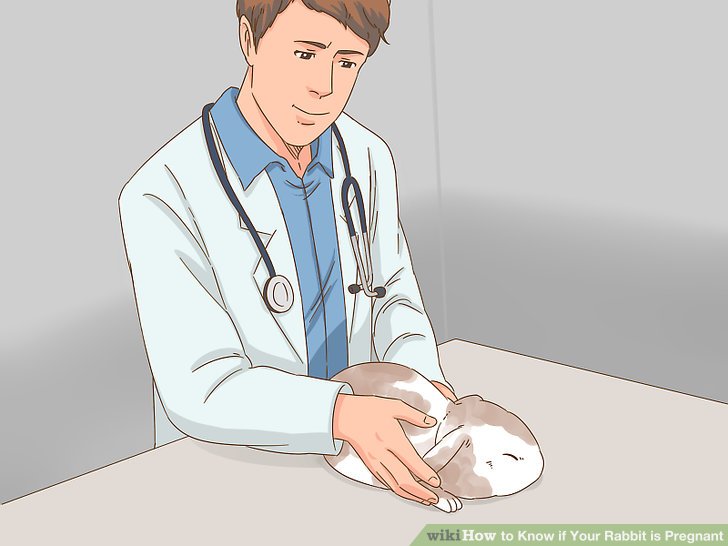
Seeking veterinary advice is crucial for confirming a rabbit’s pregnancy and developing a suitable care plan. While observant owners can often detect potential signs, a veterinarian’s expertise provides definitive confirmation and tailored guidance for the rabbit’s well-being throughout the pregnancy. This professional assessment ensures the rabbit receives optimal care and addresses any potential complications.
Importance of Veterinary Confirmation
Veterinary confirmation is essential because early diagnosis allows for proactive management of potential complications. This includes addressing any underlying health concerns that might be exacerbated by pregnancy. Veterinary expertise can provide accurate assessments, which is crucial for developing a care plan that considers the individual needs of the rabbit and the pregnancy. A veterinarian can identify any issues early on, such as malnutrition, underlying diseases, or potential complications that may arise.
Scheduling a Veterinary Examination
Scheduling a veterinary examination involves communicating with the clinic or veterinarian to arrange a convenient time. This usually requires providing the rabbit’s history, including any previous medical conditions, and potential symptoms. Be prepared to answer questions about the rabbit’s diet, exercise routine, and any observed changes in behavior or physical condition. A thorough history will enable the veterinarian to assess the situation comprehensively.
A preliminary consultation may be necessary to discuss the concerns and to assess the rabbit’s overall health.
Diagnostic Tools Used by Veterinarians
Veterinarians utilize various diagnostic tools to determine pregnancy, including physical examination, palpation, and advanced imaging techniques. A physical examination assesses the rabbit’s overall health and body condition. Palpation allows the veterinarian to feel for the presence of developing fetuses. Ultrasound imaging is a common and effective method to visualize the developing fetuses and determine the stage of pregnancy.
This detailed imaging technique provides crucial information about the number of fetuses and their development, aiding in proactive management.
Benefits of Early Diagnosis of Rabbit Pregnancy
Early diagnosis of rabbit pregnancy is advantageous for several reasons. Early detection allows for the implementation of appropriate dietary adjustments to support the growing needs of the pregnant rabbit. This includes ensuring sufficient nutrient intake to maintain the health of both the mother and the developing fetuses. It also enables the veterinarian to monitor the rabbit’s condition closely for any potential complications that might arise during pregnancy, such as uterine infections or other health issues.
A proactive approach to early diagnosis ensures the well-being of the rabbit and its offspring.
Procedure for Seeking Veterinary Care
| Step | Action | Timeline |
|---|---|---|
| 1 | Contact the veterinarian and discuss the situation. | As soon as potential pregnancy is suspected. |
| 2 | Schedule an appointment at the earliest possible time. | Within a few days or as soon as possible. |
| 3 | Gather information about the rabbit’s history, including diet, behavior, and any recent changes. | Prior to the appointment. |
| 4 | Bring the rabbit to the veterinary clinic, following the veterinarian’s instructions. | On the day of the appointment. |
| 5 | Follow the veterinarian’s recommendations for care and monitoring. | Ongoing, after the examination. |
Visualizing Pregnancy Stages
Understanding the progression of pregnancy in rabbits is crucial for providing appropriate care. Visual cues, combined with weight changes and behavioral shifts, can offer valuable insights into the rabbit’s gestational journey. Monitoring these indicators allows owners to proactively address potential issues and ensure the well-being of both the mother and her offspring.
Changes in Abdominal Appearance
The rabbit’s abdomen undergoes noticeable changes throughout pregnancy. Early on, the changes may be subtle, but as gestation advances, the abdomen becomes more pronounced. Visualizing these changes is an essential aspect of monitoring the rabbit’s pregnancy.
- Early Pregnancy (1-2 weeks): A slight fullness or a barely perceptible swelling may be present. This early stage is characterized by the initial development of the fetuses and is often difficult to visually distinguish. Individual variation exists, and not all rabbits will display noticeable changes at this point.
- Mid-Pregnancy (3-4 weeks): The abdomen typically starts to swell noticeably. The shape may become slightly rounded or barrel-shaped. The growing fetuses begin to occupy more space within the uterine cavity. It is important to remember that individual rabbits can vary in their response to pregnancy. A noticeable difference in the size of the abdomen might occur in comparison to the rabbit’s previous size.
- Late Pregnancy (5-6 weeks): The abdomen becomes significantly distended. The rabbit’s body shape is noticeably altered, with the abdomen filling out considerably. At this stage, the fetuses are well-developed and occupy a large proportion of the abdominal cavity. The weight gain is typically most significant during this time, with the potential for the rabbit to appear heavier than usual. It’s crucial to monitor the rabbit closely for any signs of distress or difficulty breathing.
Weight Changes During Gestation
Monitoring the rabbit’s weight is a useful tool in assessing the health of the mother and the development of the fetuses. The weight gain is typically gradual but becomes more significant as the pregnancy progresses. A noticeable change in the rabbit’s body weight can be observed.
- Early Pregnancy (1-2 weeks): Weight gain is often minimal, with a small increase in overall weight, sometimes undetectable by the naked eye. The weight changes can be subtle and often do not reflect the internal changes occurring in the mother.
- Mid-Pregnancy (3-4 weeks): The weight gain becomes progressively more noticeable. The increased weight is directly related to the growing fetuses and the uterine expansion. An increase of 100-200 grams is common during this period, depending on the individual rabbit and litter size.
- Late Pregnancy (5-6 weeks): The weight gain accelerates, often reflecting the full development of the fetuses. The mother rabbit will likely gain significantly more weight. This increased weight is a critical indicator of the fetus development. A rapid weight gain could be a sign of potential health issues. It’s essential to note that the weight gain should be consistent with the expected rate of pregnancy progression.
Illustrative Diagram of Pregnancy Stages
A diagram depicting the progressive changes in the rabbit’s body shape and abdominal size across different stages of pregnancy would provide a clear visual representation. This diagram should show the gradual increase in abdominal circumference and weight throughout the pregnancy.
| Stage of Pregnancy | Abdominal Appearance | Weight Change | Fetal Development |
|---|---|---|---|
| Early (1-2 weeks) | Slight fullness | Minimal | Early development |
| Mid (3-4 weeks) | Noticeable swelling | Moderate | Growth and development |
| Late (5-6 weeks) | Significant distension | Significant | Full development |
Wrap-Up
In conclusion, recognizing the signs of rabbit pregnancy involves a multifaceted approach. By carefully observing physical changes, evaluating body condition, and understanding behavioral patterns, you can gain valuable insights into your rabbit’s reproductive state. However, professional veterinary guidance is essential for confirmation and to ensure the best possible outcome for both the mother and her offspring. This comprehensive guide provides a roadmap for recognizing and responding to the various signs, empowering you to provide exceptional care throughout the entire process.