Senior rabbits, with their wisdom and years of companionship, deserve the best possible care, including a nutritionally balanced diet. This guide delves into the specifics of feeding senior rabbits, providing practical advice to ensure their well-being and happiness. From essential nutrients to dietary adjustments, we’ll cover all aspects of creating a nutritious and supportive feeding regimen tailored to their unique needs.
Maintaining a healthy diet for senior rabbits is crucial for their longevity and overall quality of life. Understanding their specific nutritional requirements and adjusting feeding practices accordingly can significantly impact their well-being. This comprehensive guide will cover all aspects of senior rabbit nutrition, from hay and fresh produce to water intake and special considerations for senior rabbits with specific health conditions.
Diet Basics for Senior Rabbits
Senior rabbits, like their human counterparts, require specific dietary adjustments as they age. Maintaining a balanced and nutritious diet is crucial for their overall well-being, supporting optimal health and extending their lifespan. This section delves into the essential nutrients, feeding schedules, and potential dietary considerations unique to senior rabbits.Proper nutrition plays a vital role in a senior rabbit’s health.
A well-balanced diet can help maintain a healthy weight, support strong teeth and digestion, and help prevent age-related illnesses. Addressing specific nutritional needs is key to ensuring your senior rabbit thrives.
Essential Nutrients for Senior Rabbits
Senior rabbits, like all rabbits, require a diet rich in fiber, essential vitamins, and minerals. High-fiber diets promote healthy digestion and maintain a healthy weight. Vitamins and minerals are critical for various bodily functions, including immune support and bone health. Senior rabbits are especially susceptible to dental problems, so a diet that promotes good dental health is essential.
Importance of a Balanced Diet
A balanced diet ensures that senior rabbits receive the appropriate amounts of nutrients necessary to support their overall health. This is especially important as their metabolism slows down with age, and their nutritional requirements shift. A well-balanced diet can help maintain their energy levels, digestion, and prevent age-related illnesses. A proper diet is vital for their longevity and well-being.
Sample Daily Feeding Schedule for Senior Rabbits
A consistent feeding schedule is crucial for maintaining a senior rabbit’s digestive health. A sample daily schedule could include morning and evening meals, with portions adjusted based on individual needs and activity levels. A consistent schedule can help prevent digestive upset and maintain a healthy weight.
- Morning: A portion of high-fiber hay (e.g., Timothy hay) and a small amount of leafy greens. A small amount of pellets.
- Evening: Another portion of high-fiber hay and a small amount of vegetables (e.g., carrots, cucumber) and a small amount of pellets.
Comparison of Nutritional Needs
Younger rabbits have higher energy requirements and different nutritional needs compared to senior rabbits. Their metabolisms are more active, and their bodies are still developing. Senior rabbits need fewer calories and more easily digestible fiber. The type and amount of food are crucial to ensure appropriate nutrition.
Foods to Include in a Senior Rabbit’s Diet
Providing a varied diet is important for senior rabbits. It’s vital to include a variety of fresh vegetables, fruits, and hay. These options provide essential vitamins, minerals, and fiber.
- Hay: Timothy hay is a staple in a senior rabbit’s diet, providing essential fiber. Other options include orchard grass or alfalfa, but in smaller amounts due to its higher calcium content.
- Vegetables: Leafy greens (e.g., romaine lettuce, kale, dandelion greens) and root vegetables (e.g., carrots, sweet potatoes) are good sources of vitamins and minerals. Avoid iceberg lettuce, as it provides minimal nutritional value.
- Fruits: Small portions of fruits (e.g., berries, melon) can be added occasionally. These should be given in moderation due to their higher sugar content.
- Pellets: Senior rabbit pellets should be carefully chosen, as they need to meet the specific dietary needs of senior rabbits. Consult with a veterinarian to determine the best pellet type for your rabbit’s age and health condition.
Potential Nutritional Deficiencies and Solutions
Senior rabbits may experience age-related nutritional deficiencies. Dental problems can restrict their ability to chew and consume certain foods, potentially leading to deficiencies in certain vitamins and minerals. Supplementation may be necessary under veterinary guidance. Regular veterinary checkups are essential to monitor their nutritional status and address any potential deficiencies.
Suitable Vegetables, Fruits, and Hay for Senior Rabbits
This table Artikels appropriate options for senior rabbits, including recommended portions. Adjust portions based on individual needs and activity levels.
| Vegetable/Fruit | Type | Portion Size (Approximate) | Notes |
|---|---|---|---|
| Romaine Lettuce | Leafy Green | 1/4 cup | Excellent source of vitamins and minerals. |
| Carrots | Root Vegetable | 1 small piece | Good source of vitamins and fiber. |
| Cucumber | Fruit | 1 small slice | Low in calories, high in water content. |
| Berries | Fruit | 1/4 cup | Offer small amounts due to sugar content. |
| Timothy Hay | Hay | Unlimited | Essential for digestion and fiber. |
Hay and Fiber Intake
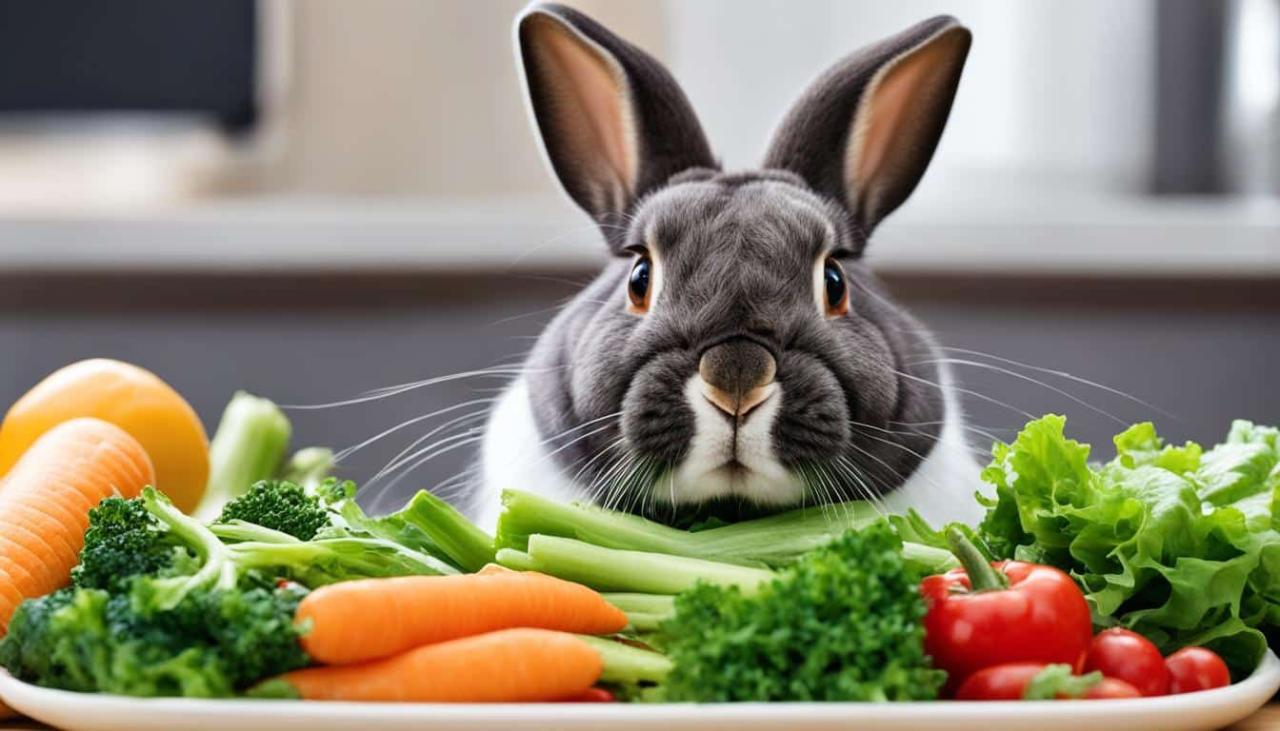
Senior rabbits, like all rabbits, require a substantial amount of hay in their diet to maintain optimal digestive health. Hay provides essential roughage, promoting healthy gut motility and preventing various digestive issues, which are particularly important for senior rabbits. A consistent, high-quality hay intake is fundamental to their overall well-being.
The Crucial Role of Hay
Hay is the cornerstone of a senior rabbit’s diet. It provides the necessary fiber to stimulate the digestive system, preventing digestive problems such as impacted cecotropes and digestive stasis. This is crucial for senior rabbits, whose digestive systems may be less efficient than younger rabbits. The high fiber content in hay aids in maintaining a healthy gut microbiome, crucial for nutrient absorption and overall health.
Senior rabbits often experience a decline in appetite, making readily available and palatable hay even more important.
Types of Hay Best Suited for Senior Rabbits
Timothy hay is generally considered the best choice for senior rabbits due to its lower calcium content compared to alfalfa hay. It is a good source of fiber and digestible nutrients. Oats, while a good addition, should be fed in moderation as a supplement, as it can be higher in calories than Timothy hay. Other grass hays like orchard grass and brome grass may also be suitable choices.
Hay varieties vary in fiber content, which plays a role in suitability for senior rabbits.
Preparing Hay for Senior Rabbits
Hay should always be presented in its natural state. Avoid processing it in any way that might compromise its nutritional value or palatability. Simply ensure the hay is clean and free from mold or dust. Store hay in a cool, dry place to maintain its quality. Keeping hay in containers that are easy to access and clean will also be important.
Presenting Hay for Encouragement
Senior rabbits may have decreased appetites. To encourage consumption, present hay in various locations and in different forms. Using a hay rack, offering hay in a shallow dish, or scattering hay on the floor can encourage consumption. Providing fresh, high-quality hay in multiple locations throughout the enclosure can be helpful. Consider a hay feeder that prevents waste and promotes regular access.
Hay Types and Digestive Sensitivities
Senior rabbits with digestive sensitivities might need specific hay types. Timothy hay, being a lower-calcium option, is a generally safe choice for senior rabbits with digestive issues. If a senior rabbit exhibits signs of digestive upset with a particular hay, consider switching to a different grass hay. Carefully observing their digestive health after changing hay types is essential.
Maintaining Consistent Access to Fresh Hay
Consistent access to fresh hay is vital. Senior rabbits should always have unlimited access to high-quality hay. This promotes continuous chewing and aids in maintaining healthy gut motility. Ensure the hay supply is consistently replenished to prevent the hay from becoming stale or moldy.
Hay Options and Nutritional Benefits
Timothy hay, a popular choice, provides a good balance of nutrients and is low in calcium. Orchard grass, known for its higher protein content, can be a suitable supplement. Always consider the specific needs of your senior rabbit when selecting hay types.
Comparison of Hay Types
| Hay Type | Fiber Content (Approximate) | Suitability for Senior Rabbits | Nutritional Benefits |
|---|---|---|---|
| Timothy Hay | High | Excellent, suitable for most senior rabbits | Good source of fiber, low in calcium |
| Orchard Grass Hay | Medium to High | Good option, potentially higher protein | Higher protein content compared to Timothy |
| Alfalfa Hay | Medium | Not recommended for long-term use due to high calcium content, better for growing rabbits | High in protein and calcium |
| Oat Hay | Medium | Suitable as a supplement, moderate calorie content | Higher calorie content, good source of fiber |
Fresh Produce and Treats
A senior rabbit’s diet should include a variety of fresh vegetables and fruits, but moderation is key. These additions can provide essential vitamins, minerals, and antioxidants. However, not all produce is suitable, and improper portions can lead to digestive upset. Careful selection and portion control are crucial for maintaining the health and well-being of your senior companion.Understanding the role of fresh produce in a senior rabbit’s diet is important.
Fresh vegetables and fruits provide essential vitamins, minerals, and antioxidants crucial for maintaining their overall health. However, their digestive systems are sensitive, so careful selection and appropriate portioning are vital to prevent digestive issues. Senior rabbits often have different nutritional needs than younger rabbits, so adjustments in the types and amounts of produce are necessary.
Beneficial Vegetables and Fruits
A diverse selection of vegetables and fruits can enrich a senior rabbit’s diet, providing vital nutrients. Cruciferous vegetables like carrots, broccoli, and leafy greens like kale and spinach are excellent sources of vitamins and minerals. Other options include bell peppers, cucumbers, and zucchini, which contribute to hydration and fiber intake. Apples and berries, while containing natural sugars, can be offered in moderation.
Safe and Unsafe Vegetables and Fruits
Safe vegetables and fruits are those that do not cause digestive upset. Safe choices include carrots, broccoli, spinach, bell peppers, and small portions of berries. Unsafe options, however, can lead to gas, diarrhea, or other digestive problems. Avoid feeding your senior rabbit onions, garlic, avocados, chocolate, and grapes, as these can be harmful. Grapes and raisins, in particular, are known to be toxic to rabbits.
Recommended Portions for Fresh Vegetables and Fruits
The appropriate portion size for fresh vegetables and fruits depends on the rabbit’s size, overall diet, and any health conditions. A good rule of thumb is to offer fresh produce as a supplement to a diet primarily consisting of hay and pellets. A small portion (about 1-2 tablespoons) of chopped vegetables or fruits is usually sufficient for a meal.
Avoid excessive amounts, as this can disrupt the balance of the diet.
Nutritional Benefits of Different Fruits and Vegetables
Different vegetables and fruits offer varying nutritional benefits. For example, leafy greens like spinach provide vitamins and minerals, while carrots are a good source of beta-carotene. Berries offer antioxidants, and bell peppers contribute vitamins and hydration. Always consult with your veterinarian to determine the optimal balance of nutrients for your senior rabbit.
Potential Risks of Introducing New Foods
Introducing new foods to a senior rabbit’s diet can pose risks, particularly if they are not introduced gradually. Sudden changes in diet can lead to digestive issues such as diarrhea or gas. This is especially true for senior rabbits, whose digestive systems may be more sensitive. The gradual introduction of new foods allows the rabbit’s digestive system to adjust and prevents these issues.
Safe Ways to Introduce New Foods
Introduce new vegetables or fruits gradually, starting with a tiny amount and observing the rabbit’s response. If the rabbit shows no adverse reaction after a few days, increase the portion size. If any digestive issues arise, reduce the portion size or discontinue the food entirely. Observe your rabbit closely for any signs of discomfort. Always consult with your veterinarian for personalized advice.
Safe Vegetables and Fruits for Senior Rabbits
| Vegetable/Fruit | Nutritional Benefits | Recommended Portion (approx.) | Notes |
|---|---|---|---|
| Carrots | Good source of beta-carotene, fiber | 1-2 tablespoons, chopped | Offer in moderation due to sugar content. |
| Spinach | Rich in vitamins and minerals, especially vitamin K | 1-2 tablespoons, chopped | Can be combined with other greens. |
| Bell Peppers | Excellent source of vitamins A and C, good hydration | 1-2 small pieces, chopped | Offer different colors for varied nutrients. |
| Apples (small portions) | Source of fiber, antioxidants | 1-2 small slices, core removed | Avoid the core, seeds, and stems. |
| Berries (small portions) | Rich in antioxidants | 1-2 tablespoons | Monitor for any digestive reactions. |
Water and Hydration
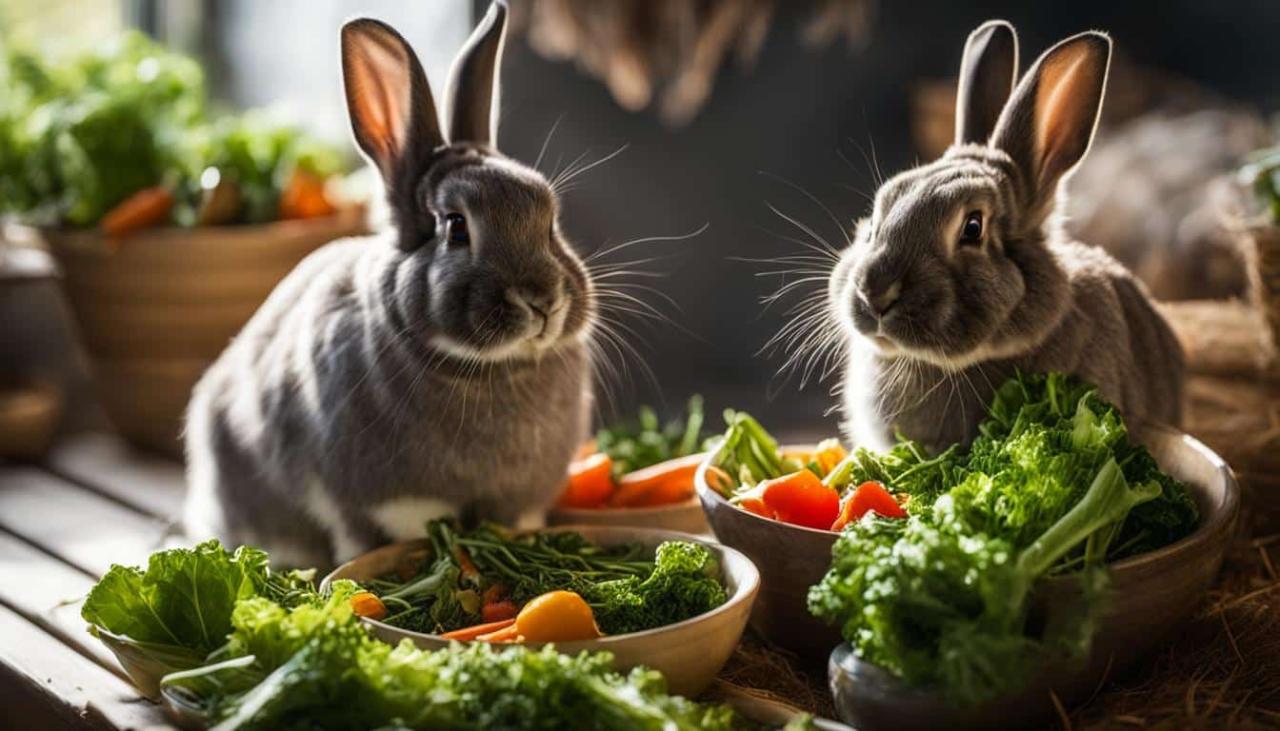
Senior rabbits, like all rabbits, require consistent access to fresh, clean water to maintain optimal health. Proper hydration is crucial for numerous bodily functions, including digestion, nutrient absorption, and temperature regulation. Dehydration can quickly become a serious concern, particularly for senior rabbits with potential underlying health conditions.Maintaining a senior rabbit’s hydration is an important aspect of responsible care, and ensuring consistent access to fresh water is a simple yet vital step in their well-being.
Senior rabbits often have decreased thirst cues, making it even more important for owners to proactively ensure adequate water intake.
Importance of Consistent Water Access
Consistent access to fresh water is paramount for senior rabbits. Their ability to regulate body temperature and maintain hydration may be diminished, making access to clean water essential for their overall well-being. Water is essential for nutrient absorption and for eliminating waste products. Without adequate water intake, senior rabbits may experience digestive issues, constipation, and reduced energy levels.
A consistently hydrated senior rabbit is better equipped to cope with potential illnesses and maintain a high quality of life.
Signs of Dehydration in Senior Rabbits
Recognizing the signs of dehydration in senior rabbits is critical for prompt intervention. Several indicators can signal a lack of hydration, and early detection can lead to more effective treatment. These include:
- Dry or sticky nasal passages.
- Sunken eyes.
- Loss of skin elasticity (tenting).
- Reduced urine output (or absence of urine).
- Lethargy or decreased activity levels.
- Rapid heartbeat.
If you notice any of these signs, it is crucial to contact your veterinarian immediately. Early intervention can significantly improve the rabbit’s chances of recovery.
Recommendations for Maintaining Water Intake
Senior rabbits may require extra encouragement to drink sufficient water. Enhancing their water intake involves creating a more appealing and accessible water source.
- Provide multiple water sources in various locations to cater to individual preferences.
- Offer water at room temperature; extremely cold or hot water can deter drinking.
- Consider adding a small amount of fresh, unflavored fruit juice or plain yogurt to encourage drinking, however, consult with a veterinarian before doing so, as this is not always advisable.
- Regularly check and refill water bottles and bowls to ensure a consistent supply.
- Monitor water intake and adjust water availability as needed to meet individual requirements.
Best Types of Water Containers for Senior Rabbits
Choosing the right water container is important for both ease of access and hygiene. Senior rabbits might have difficulty reaching or maneuvering around certain types of containers.
- Water Bottles: These are convenient and easy to clean, but ensure the bottle spout is not too high for the rabbit to reach. Older rabbits with arthritis or limited mobility may find bottles more challenging to use.
- Shallow Dishes/Bowls: Shallow dishes are generally easier for senior rabbits to access and drink from. However, ensure they are not too deep to avoid spillage.
- Water Fountains: Water fountains can encourage drinking, especially if the water is flowing. However, they may require more frequent cleaning and can be noisy.
Water Container Comparison
| Water Container Type | Ease of Use for Senior Rabbits | Suitability for Senior Rabbits | Cleaning Difficulty |
|---|---|---|---|
| Water Bottles | Moderate (May be difficult for some) | Suitable if spout is accessible | Easy |
| Shallow Dishes/Bowls | High | Excellent for most seniors | Moderate |
| Water Fountains | High (if preferred) | Suitable for many seniors | Difficult (requires frequent cleaning) |
Role of Hydration in Overall Senior Rabbit Health
Adequate hydration plays a crucial role in maintaining the overall health of senior rabbits. It is essential for proper digestion, nutrient absorption, and waste elimination. Hydration also supports kidney function and helps regulate body temperature. A properly hydrated senior rabbit is more resilient to illness and better able to maintain energy levels for daily activities.
Tips for Ensuring Easy Access to Clean Water
Keeping water fresh and accessible is essential. This involves regular checks and prompt replenishment.
- Position water containers in easily accessible areas for the rabbit.
- Ensure the water container is appropriate for the rabbit’s size and mobility.
- Clean water containers thoroughly on a daily basis.
- Monitor water intake regularly and adjust the amount or type of container as needed.
Monitoring and Adjustments
Senior rabbits, like all aging animals, require careful monitoring to ensure their well-being and optimal health. This involves diligently observing their eating habits, body condition, and overall demeanor to detect any potential issues early. Prompt identification of problems allows for timely interventions, maximizing the rabbit’s quality of life.Regular monitoring and appropriate adjustments to their diet are crucial for maintaining the health of senior rabbits.
Recognizing signs of illness or dietary challenges is vital, as these can quickly impact a senior rabbit’s overall condition. Understanding how to adjust their diet based on individual needs and health conditions is equally important, as it allows for tailored support and fosters optimal well-being.
Monitoring Eating Habits and Body Condition
Senior rabbits may experience changes in their appetite and digestive systems. Regularly observing their eating patterns, including the amount of hay consumed and the frequency of feedings, is essential. Pay attention to any significant changes, such as decreased appetite or abrupt changes in food preferences. Careful observation of their body condition, including weight, body fat distribution, and muscle tone, is equally important.
A noticeable decrease in body condition could indicate a problem.
Recognizing Signs of Illness or Dietary Issues
Senior rabbits may exhibit various signs of illness or dietary problems. These can range from subtle changes in behavior to more overt symptoms. Loss of appetite, lethargy, decreased activity, and changes in bowel habits are common indicators. Changes in stool consistency, color, or frequency can also signal underlying issues. It’s crucial to note any unusual symptoms and consult a veterinarian promptly.
Importance of Regular Veterinary Check-ups
Regular veterinary check-ups are vital for senior rabbits. Veterinary professionals can assess the rabbit’s overall health, identify any potential health concerns, and recommend appropriate dietary adjustments. Veterinarians can also monitor for any underlying medical conditions that may be affecting the rabbit’s appetite or digestive system. This proactive approach allows for early detection and intervention, preventing potential complications.
Adjusting the Diet Based on Individual Needs and Health Conditions
Adjusting the diet based on the rabbit’s individual needs and health conditions is crucial for optimal well-being. This may involve increasing or decreasing the amount of hay, fresh produce, or treats. It might also involve introducing specialized diets if the rabbit has specific digestive or health issues. Consulting a veterinarian is essential to determine the most suitable dietary adjustments for each rabbit.
Recording Feeding Information
Maintaining a detailed record of feeding information is invaluable. This record should include the type and amount of food consumed, the frequency of feedings, and any observed changes in eating habits or body condition. This information provides valuable insights for both the owner and the veterinarian. A well-maintained record facilitates more informed decisions regarding dietary adjustments and management.
A sample table format can be used:
| Date | Time | Food Type | Amount | Observations |
|---|---|---|---|---|
| October 26, 2023 | 8:00 AM | Hay | 1 cup | Consumed readily |
| October 26, 2023 | 12:00 PM | Fresh Carrots | 1 small piece | Rejected |
Identifying Insufficient Eating
Senior rabbits may not eat as much as younger rabbits. However, a significant decrease in appetite warrants attention. Monitoring the amount of hay consumed and the rabbit’s overall activity level can help identify potential issues. If the rabbit is losing weight or shows signs of lethargy, it is important to consult a veterinarian. Reduced food intake could be indicative of underlying health problems.
Potential Issues with Senior Rabbit Feeding and Resolutions
- Decreased Appetite: This could be due to various factors, including dental problems, digestive issues, or underlying health conditions. Consult a veterinarian to determine the cause and implement appropriate solutions.
- Dental Problems: As rabbits age, dental issues can arise, impacting their ability to properly chew and consume food. Veterinary intervention is essential to address these issues.
- Digestive Issues: Senior rabbits might experience digestive problems such as constipation or diarrhea. Dietary adjustments and veterinary care are crucial to address these issues.
- Loss of Interest in Fresh Produce: Changes in taste preferences are common in senior rabbits. Varying the types of fresh produce or offering different textures can encourage consumption.
- Underlying Medical Conditions: Various medical conditions can affect a senior rabbit’s appetite. Veterinary care is essential to diagnose and treat these conditions.
Special Dietary Considerations
Senior rabbits, like their human counterparts, may develop age-related health conditions that necessitate adjustments to their diet. Understanding these special needs is crucial for maintaining their well-being and ensuring a comfortable and healthy senior life. This section will explore dietary adaptations for rabbits with specific health issues.Senior rabbits may experience various health conditions, requiring adjustments to their diet.
Careful monitoring and professional veterinary advice are essential to ensure appropriate dietary management and overall health.
Dental Problems
Dental issues, such as malocclusion (misalignment of teeth) or tooth wear, are common in senior rabbits. These conditions can make it challenging for rabbits to chew and properly process hay and fibrous foods.Adapting feeding practices for rabbits with dental problems involves offering softer, more easily digestible foods. This may include finely chopped vegetables, soft fruits, or specialized rabbit food formulas designed for dental health.
Consider offering foods in a variety of textures and shapes to encourage chewing.
Digestive Issues
Senior rabbits may experience digestive issues, including gastrointestinal stasis (a slowing or stoppage of digestive processes) or diarrhea. These conditions can severely impact nutrient absorption and overall health.Managing digestive issues in senior rabbits often involves a gradual dietary transition. Reducing the amount of high-fiber foods initially and introducing soft, easily digestible options can be beneficial. Monitoring their stool consistency and overall condition is essential for assessing the effectiveness of dietary adjustments.
Foods to Avoid
Certain foods can exacerbate existing health conditions or cause adverse reactions in senior rabbits with specific health issues.
- Avoid overly hard or crunchy foods that can damage already compromised teeth. Examples include large, hard pieces of carrots, and certain types of dried treats.
- Foods high in sugar, such as sugary fruits or excessive treats, can disrupt the digestive system. Overfeeding sugary foods can also lead to obesity, a major concern for senior rabbits.
- Avoid excessive amounts of certain vegetables known to cause digestive upset, such as broccoli and cabbage. These foods may irritate the digestive tract in some rabbits.
Management Methods
Several methods can be used to manage senior rabbit dietary issues.
- A gradual transition to a softer diet is often effective. This involves gradually decreasing the amount of high-fiber foods and introducing softer alternatives.
- Supplementation with digestive enzymes may be necessary in cases of gastrointestinal stasis, especially if coupled with dietary changes. Always consult a veterinarian before introducing any supplements.
- Monitoring the rabbit’s overall condition, including appetite, stool consistency, and overall behavior, is crucial. Changes in these areas can indicate a need for further dietary adjustments.
Signs of Digestive Problems
Monitoring senior rabbits for signs of digestive issues is vital for early intervention.
- Decreased appetite.
- Changes in stool consistency, including diarrhea or hard, dry stools.
- Loss of weight.
- Lethargy or inactivity.
- Abdominal pain or discomfort.
Veterinary Consultation
Seeking professional veterinary advice is paramount for managing dietary issues in senior rabbits.A veterinarian can assess the rabbit’s specific health condition, recommend appropriate dietary modifications, and monitor the effectiveness of any changes. Early intervention and tailored dietary management can significantly improve the quality of life for senior rabbits facing these challenges.
End of Discussion
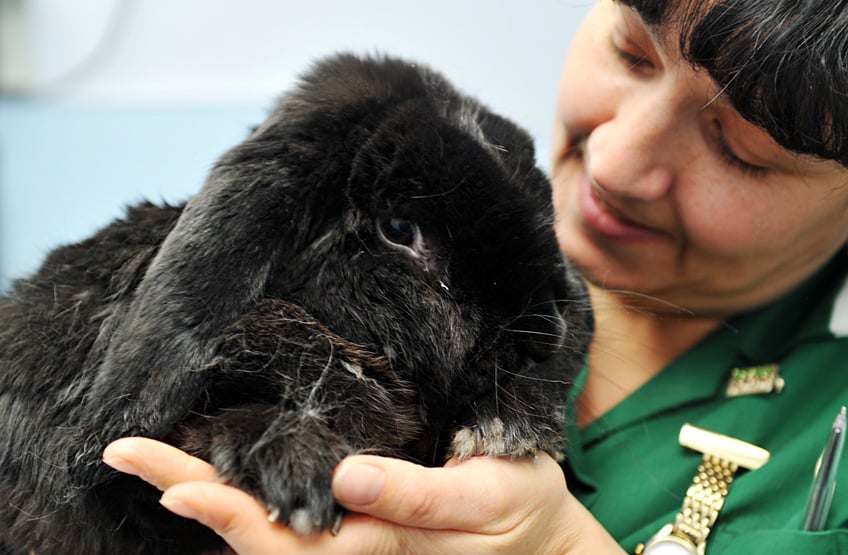
In conclusion, proper nutrition is paramount for the health and happiness of senior rabbits. By carefully considering their unique needs and adjusting feeding practices accordingly, rabbit owners can ensure their senior companions live fulfilling lives. This guide has provided a comprehensive overview of essential aspects of senior rabbit nutrition, equipping readers with the knowledge to provide optimal care.