Syringe feeding a rabbit can be a critical life-saving skill for rabbit owners. This guide provides a thorough overview of the procedure, emphasizing safety and proper technique. It details the necessary steps from preparation to aftercare, addressing common issues and alternative methods. The information presented is intended to equip readers with the knowledge and confidence to provide necessary care in various situations.
This comprehensive guide covers all aspects of syringe feeding rabbits, from identifying when it’s necessary to the crucial steps of preparing the rabbit and food. We’ll delve into the essential supplies, the technique itself, monitoring for complications, and troubleshooting potential problems. Understanding these critical details is vital for ensuring the well-being of your rabbit.
Introduction to Syringe Feeding Rabbits
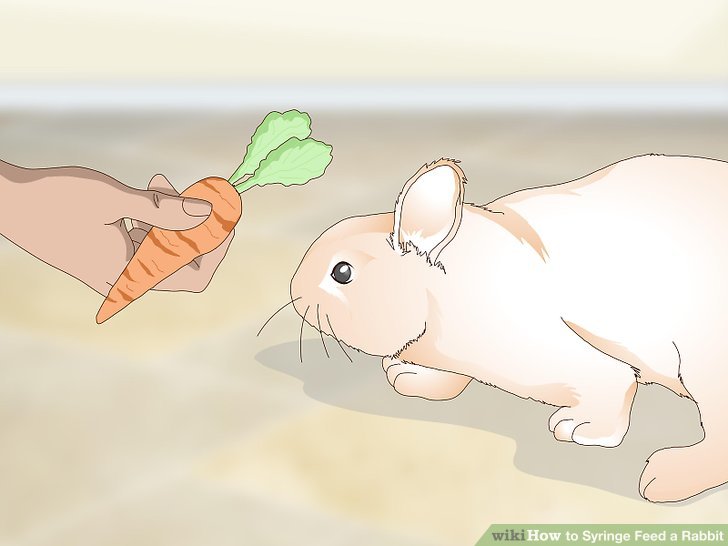
Syringe feeding is a crucial skill for rabbit owners, particularly in situations where a rabbit cannot obtain adequate nutrition through normal means. This method allows for controlled and precise delivery of essential nutrients, ensuring the rabbit receives the necessary sustenance during illness, injury, or other critical periods. Proper technique is paramount to ensure the rabbit’s well-being and prevent complications.
Safety precautions are essential to minimize stress on the rabbit and prevent potential health risks for both the rabbit and the caregiver.Syringe feeding is not a routine practice. It should only be used when a rabbit cannot meet its nutritional needs through regular eating habits. It’s important to consult a veterinarian before initiating syringe feeding and to follow their recommendations meticulously.
The veterinarian can assess the rabbit’s specific condition and provide the most appropriate guidance and food types. This method can be used for a wide range of situations, but its application should always be a last resort, not a first-line solution.
Situations Requiring Syringe Feeding
Syringe feeding is a necessary intervention in various circumstances when a rabbit cannot consume sufficient food orally. These situations often arise due to illness, injury, or developmental issues.
- Post-surgery recovery: Rabbits undergoing surgical procedures may experience temporary difficulty eating. Syringe feeding allows for the provision of crucial nutrients to aid in recovery and prevent malnutrition. For example, a rabbit undergoing a major abdominal surgery might have trouble eating solid food and require temporary syringe feeding.
- Illness and reduced appetite: Many illnesses can lead to a loss of appetite. In such cases, syringe feeding can deliver essential nutrients to maintain the rabbit’s health and strength until the illness resolves. A rabbit with dental problems, for example, may have difficulty chewing and consuming food, thus requiring syringe feeding.
- Injury and trauma: Rabbits that have sustained injuries or trauma may struggle to eat, either due to pain, discomfort, or a physical inability to access food. Syringe feeding can be a lifeline in such situations to support the rabbit’s recovery.
- Developmental issues: Young rabbits that have developmental issues might not be able to feed properly, necessitating syringe feeding to ensure proper growth and development. For example, a newborn rabbit with weak suckling reflexes would require syringe feeding to receive the necessary nutrition.
Optimal Syringe Feeding Practices
A systematic approach to syringe feeding ensures the rabbit’s well-being and minimizes stress.
| Situation | Reason for feeding | Recommended food type | Important considerations |
|---|---|---|---|
| Post-surgery recovery | Support nutritional needs during recovery from surgery. | A commercially available rabbit diet specifically formulated for recovery, or a slurry of soft food and water, like softened vegetables or baby food. | Consult with a veterinarian to determine the most appropriate food and feeding schedule. |
| Illness and reduced appetite | Provide essential nutrients when the rabbit cannot eat enough on its own. | A soft and easily digestible food, like a commercially available rabbit diet, or a mixture of softened vegetables and a small amount of water, creating a slurry. | Ensure the food is lukewarm and at the correct consistency. Monitor the rabbit’s response to feeding. |
| Injury and trauma | Supply crucial nutrition while the rabbit is recovering from injury. | A soft and easily digestible food, like a commercially available rabbit diet, or a mixture of softened vegetables and a small amount of water, creating a slurry. | Carefully monitor the rabbit’s comfort and pain levels. Seek veterinary advice on the appropriate feeding schedule and food type. |
| Developmental issues | Ensure adequate nutrition for proper growth and development. | A nutrient-rich diet, specifically formulated for baby rabbits, or a carefully prepared mixture of softened vegetables and water. | Follow the veterinarian’s recommendations for feeding schedule and food type, and carefully monitor the rabbit’s growth and development. |
Necessary Supplies and Equipment
Proper syringe feeding of a rabbit requires meticulous preparation and the use of appropriate supplies. Careful attention to hygiene and sterilization is paramount to prevent infection and ensure the rabbit’s well-being. This section details the essential supplies and Artikels the importance of proper preparation.
Essential Supplies List
Careful selection and preparation of supplies are crucial for successful syringe feeding. A complete and sterile kit is necessary for each feeding session. The following table lists the essential items required:
| Item | Description |
|---|---|
| Syringe | A small, sterile syringe, typically 1-5 ml, suitable for administering the appropriate volume of feed. A needleless syringe is preferred for added safety. |
| Feeding Tube (optional) | A flexible tube for administering the feed to rabbits who cannot easily accept the syringe directly. |
| Food | A commercially available rabbit formula or a carefully prepared, nutritionally balanced homemade diet, suitable for the rabbit’s age and condition. |
| Water | Clean, fresh water, ideally boiled and cooled, for mixing the formula or offering separately. |
| Measuring Utensils | Precise measuring cups or spoons for accurate mixing of the feed. |
| Sterile Gloves | Disposable gloves for handling the rabbit and supplies to prevent contamination. |
| Sterile Basin/Bowl | A clean, shallow container for mixing the feed. |
| Sterile Cotton Balls or Gauze | For cleaning the rabbit’s mouth and nose areas after feeding. |
| Warmth Pad (optional) | For maintaining the temperature of the formula or keeping the rabbit warm during the feeding process. |
| Record Keeping | A notebook to document feeding times, amounts, and any observations to monitor the rabbit’s progress. |
Supply Preparation and Hygiene
Thorough preparation of the supplies is vital for a successful and safe feeding session. The process should follow strict hygiene protocols to avoid infection.
| Item | Purpose | Preparation | Importance |
|---|---|---|---|
| Syringe, Feeding Tube, Basin/Bowl | Administering and mixing the formula. | Thoroughly sterilize using boiling water or a suitable disinfectant, ensuring complete removal of any microorganisms. Allow to cool completely before use. | Sterilization prevents contamination and infection. |
| Gloves | Handling supplies and the rabbit. | Wear sterile gloves during all stages of the feeding process. Change gloves between handling the rabbit and handling the feeding supplies. | Preventing cross-contamination between the rabbit and the supplies. |
| Food and Water | Providing nutrients. | Prepare the formula according to the manufacturer’s instructions. Ensure water is clean and appropriate temperature. Keep food and water covered and refrigerated when not in use. | Providing a nutritionally balanced diet is crucial for the rabbit’s health and recovery. |
| Cotton Balls/Gauze | Cleaning the rabbit’s mouth. | Sterilize cotton balls or gauze using boiling water or a suitable disinfectant. Allow to cool before use. | Preventing infection and discomfort from residue. |
Preparation of the Rabbit and the Food
Safe and effective syringe feeding requires careful preparation of both the rabbit and the food mixture. Proper restraint minimizes stress for the rabbit, while a meticulously prepared food mixture ensures optimal nutrient absorption and prevents potential health complications. This section will detail these crucial steps.Careful handling and a calm environment are essential during the syringe feeding process. A stressed rabbit is more likely to resist or injure itself during the procedure, potentially leading to complications.
A supportive environment and gentle handling will greatly contribute to a successful and stress-free feeding session.
Safe Restraint Techniques
Gentle handling and restraint are crucial to ensure the rabbit’s comfort and safety during syringe feeding. A calm and supportive environment minimizes stress, allowing for a more efficient and successful feeding process. Avoid sudden movements or loud noises that could startle the rabbit.
- Secure the rabbit: Use a soft towel or blanket to gently wrap the rabbit, securing its body to prevent struggling and injury. Avoid using excessive force, as this could harm the rabbit. A well-fitting, comfortable restraint is paramount.
- Support the rabbit’s head and neck: Support the rabbit’s head and neck with your free hand to prevent injury and maintain proper alignment during feeding. This minimizes stress and ensures the rabbit remains comfortable.
- Minimize movement: Hold the rabbit securely and minimize any unnecessary movement. A stable and calm environment will help the rabbit feel more secure and cooperate better.
Food Mixture Preparation
Proper preparation of the food mixture is critical for optimal nutrient delivery and digestive health. The consistency and composition of the mixture directly impact the rabbit’s ability to consume and absorb nutrients.
- Warm the food: Ensure the food mixture is at a temperature suitable for consumption. Too cold or too hot can cause discomfort or even injury. A lukewarm temperature is usually ideal.
- Consistency: The food mixture should be smooth and easily digestible. Avoid lumps or hard particles that could cause choking or discomfort.
- Hygiene: Use clean utensils and containers for preparing the food mixture. Thorough cleaning prevents contamination and ensures the food is safe for the rabbit.
Mixing Appropriate Food Types
The correct combination of food types ensures a balanced diet that caters to the rabbit’s specific nutritional needs. A balanced diet is essential for maintaining good health and preventing potential nutrient deficiencies.
| Food Type | Preparation | Appropriate Situations |
|---|---|---|
| Fresh vegetables (e.g., carrots, parsley, lettuce) | Finely chop or blend into a smooth puree | For rabbits requiring supplemental hydration or when the rabbit has difficulty chewing solid food |
| Commercial rabbit pellets | Crush or grind into a fine powder | For rabbits requiring supplemental protein or when the rabbit has difficulty consuming whole pellets |
| Baby food (plain, unsweetened varieties) | Use a type appropriate for the rabbit’s age and size. Ensure it is low in sugar and salt. | For rabbits requiring supplemental nutrients or when the rabbit has difficulty consuming solid food |
| Fruit (e.g., apples, bananas) | Finely chop or puree. Offer in moderation. | Supplement to the diet, but not the main source of food. |
Importance of Health and Diet
A rabbit’s health and diet directly impact the success of syringe feeding. A healthy rabbit will generally tolerate syringe feeding better, and a balanced diet will provide the necessary nutrients for recovery or maintenance.
Maintaining a healthy diet and addressing any underlying health concerns is crucial for successful syringe feeding. A strong, healthy rabbit is more likely to thrive during and after the feeding process.
The Syringe Feeding Technique
Proper syringe feeding technique is crucial for the rabbit’s well-being, ensuring efficient nutrient delivery and minimizing stress. A slow, steady approach, combined with careful attention to placement and volume, is essential for a positive feeding experience. This section details the technique, including volume guidelines, feeding frequency, and placement strategies.
Correct Syringe Placement
Accurate syringe placement directly impacts the rabbit’s comfort and the effectiveness of the feeding. The tip of the syringe should be positioned at the back of the rabbit’s mouth, slightly to the side, avoiding the delicate throat area. This approach minimizes the risk of aspiration and ensures that the food reaches the back of the mouth, where it can be swallowed efficiently.
Volume and Frequency of Feedings
The volume and frequency of feedings depend heavily on the rabbit’s age, size, and condition. A young or small rabbit will require a smaller volume and more frequent feedings than a larger, adult rabbit. Consult a veterinarian for specific recommendations tailored to your rabbit’s individual needs. It is essential to follow the veterinarian’s guidance and not deviate from the prescribed volume and frequency without consulting a professional.
For instance, a sick rabbit might require smaller portions and more frequent feedings compared to a healthy one.
Step-by-Step Feeding Procedure
A systematic approach to syringe feeding minimizes stress and ensures the rabbit receives the necessary nutrients. The following steps provide a guide for a safe and efficient feeding process:
- Prepare the necessary equipment. This includes the syringe, food, and a clean, comfortable environment. Proper preparation ensures a smooth and stress-free feeding process.
- Position the rabbit comfortably. Gently restrain the rabbit, supporting its body to minimize stress. This position should allow for easy access to the mouth while maintaining the rabbit’s comfort.
- Gently open the rabbit’s mouth. Use your fingers to carefully open the rabbit’s mouth without causing discomfort. Ensure that the mouth is open wide enough to accommodate the syringe tip.
- Position the syringe tip. Place the syringe tip at the back of the rabbit’s mouth, slightly to the side, avoiding the delicate throat area. The tip should not be pushed too deep into the throat.
- Administer the food slowly and steadily. Introduce the food in small, controlled amounts, avoiding rapid injections. This prevents choking and ensures efficient nutrient uptake.
- Monitor the rabbit’s reaction. Observe the rabbit’s breathing and swallowing to ensure the food is being administered properly. If the rabbit shows signs of distress, stop the feeding immediately and contact your veterinarian.
- Clean the equipment. Immediately after each feeding, clean and sanitize all equipment to prevent contamination.
Feeding Schedule Table
| Step | Action | Importance |
|---|---|---|
| 1 | Prepare the necessary equipment | Ensures hygiene and efficiency of the feeding process. |
| 2 | Position the rabbit comfortably | Minimizes stress for the rabbit and facilitates access to the mouth. |
| 3 | Gently open the rabbit’s mouth | Avoids injury and ensures proper placement of the syringe tip. |
| 4 | Position the syringe tip | Prevents aspiration and ensures efficient food intake. |
| 5 | Administer the food slowly and steadily | Minimizes choking risk and promotes proper digestion. |
| 6 | Monitor the rabbit’s reaction | Identifies any discomfort or issues during the feeding process. |
| 7 | Clean the equipment | Prevents contamination and ensures the safety of future feedings. |
Monitoring and Aftercare
Following a syringe feeding, careful monitoring is crucial for ensuring the rabbit’s well-being and a successful recovery. Close observation allows for early detection of potential complications, enabling prompt intervention and minimizing risks. A proactive approach to aftercare significantly enhances the chances of a positive outcome.
Post-Feeding Procedures
After completing the syringe feeding, gently return the rabbit to its environment, ensuring it’s in a safe and comfortable space. Avoid any sudden movements or disturbances that might cause stress or discomfort. Observe the rabbit’s behavior closely. A return to normal activity usually indicates successful feeding. Observe for any signs of distress or difficulty breathing.
Monitoring the Rabbit’s Response
Monitoring the rabbit’s response to the feeding involves observing its overall demeanor and physical condition. Pay attention to any changes in its breathing patterns, appetite, or activity level. Assess for any signs of discomfort, such as restlessness or limping. Regular checks are vital in recognizing any early warning signs of complications.
Potential Complications and Issues
Recognizing potential complications or issues during or after feeding is critical. Early intervention can prevent serious consequences. Some common signs include difficulty breathing, vomiting, or decreased activity. Also watch for signs of pain, such as reluctance to move or a hunched posture. Maintaining a watchful eye is essential for identifying any deviations from the rabbit’s normal behavior.
Feeding Log Importance
Maintaining a detailed feeding log is crucial for tracking the rabbit’s progress and identifying patterns. Record the date, time, amount of food administered, and any observations made. Note any changes in behavior, such as decreased appetite or increased thirst. This detailed record allows for better understanding of the rabbit’s response to the feeding regime and enables timely adjustments as needed.
Potential Complications Table
| Sign | Description | Action |
|---|---|---|
| Difficulty breathing (labored breathing, wheezing) | Rapid or shallow breathing, noisy inhalations or exhalations. | Contact veterinarian immediately. Assess for underlying respiratory issues. |
| Vomiting | Expulsion of food or fluid from the mouth. | Contact veterinarian. Adjust feeding frequency and consistency. |
| Decreased activity or lethargy | Loss of energy, reluctance to move or interact. | Monitor closely. Contact veterinarian if lethargy persists or worsens. |
| Appetite loss | Reduced interest in food. | Consult with veterinarian. Consider adjusting the food consistency or type. |
| Diarrhea | Loose, watery stools. | Consult with veterinarian. Ensure access to clean water. |
| Pain (hunched posture, reluctance to move) | Indicates discomfort or injury. | Contact veterinarian immediately. Avoid further handling. |
Troubleshooting Common Issues

Syringe feeding, while crucial for a rabbit’s health, can sometimes present challenges. Understanding potential problems and their solutions is vital for successful feeding and ensuring the rabbit’s well-being. This section details common issues and strategies for overcoming them.
Potential Problems During Syringe Feeding
Troubleshooting during syringe feeding requires a keen eye and a calm approach. A rabbit’s refusal to eat, for example, could stem from various factors, some minor and some requiring veterinary intervention. Careful observation and a systematic approach are key.
Reasons for Refusal to Eat
A rabbit’s refusal to eat during syringe feeding can stem from several factors. A rabbit might be uncomfortable, experiencing pain, or have an underlying health issue. The food itself might be unsuitable, or the feeding technique may be incorrect. It is crucial to observe the rabbit’s overall demeanor, including body language and breathing patterns, to understand the root cause.
Potential Complications and Management
Complications during syringe feeding, although rare, can occur. These can range from minor discomfort to more serious issues. For instance, aspiration pneumonia, a condition where food enters the lungs, is a potential complication. Immediate veterinary attention is crucial if you suspect this. Another concern is the rabbit’s stress level.
A stressed rabbit might resist feeding, and finding ways to calm the animal is important.
Table of Common Problems and Solutions
| Problem | Solution |
|---|---|
| Rabbit is reluctant or refuses to eat | Ensure the environment is calm and quiet. Try a different feeding technique, such as offering the food from a shallow bowl instead of the syringe. Assess the rabbit’s overall comfort. If the problem persists, consult a veterinarian to rule out underlying health issues. |
| Food is aspirated | Adjust the feeding angle and technique to minimize the risk of food entering the lungs. Feed smaller amounts more frequently, and be very gentle. If aspiration is suspected, seek immediate veterinary attention. |
| Rabbit shows signs of discomfort (e.g., struggling, wincing) | Stop the feeding session immediately. Assess the rabbit’s overall condition. If the discomfort persists, consult a veterinarian for diagnosis and treatment. |
| Rabbit is dehydrated | Consult a veterinarian. If the rabbit is severely dehydrated, they may need intravenous fluids. The veterinarian can determine the appropriate course of action. |
| Rabbit has an underlying health condition | Consult a veterinarian immediately. They can diagnose the underlying issue and recommend the best course of action. |
| Incorrect syringe size or type | Use a syringe appropriate for the rabbit’s size and needs. A smaller syringe for a smaller rabbit can help avoid discomfort. |
| Food is too cold or too hot | Always check the temperature of the food before feeding. Ensure it is at a suitable temperature for the rabbit to consume comfortably. |
Alternative Feeding Methods
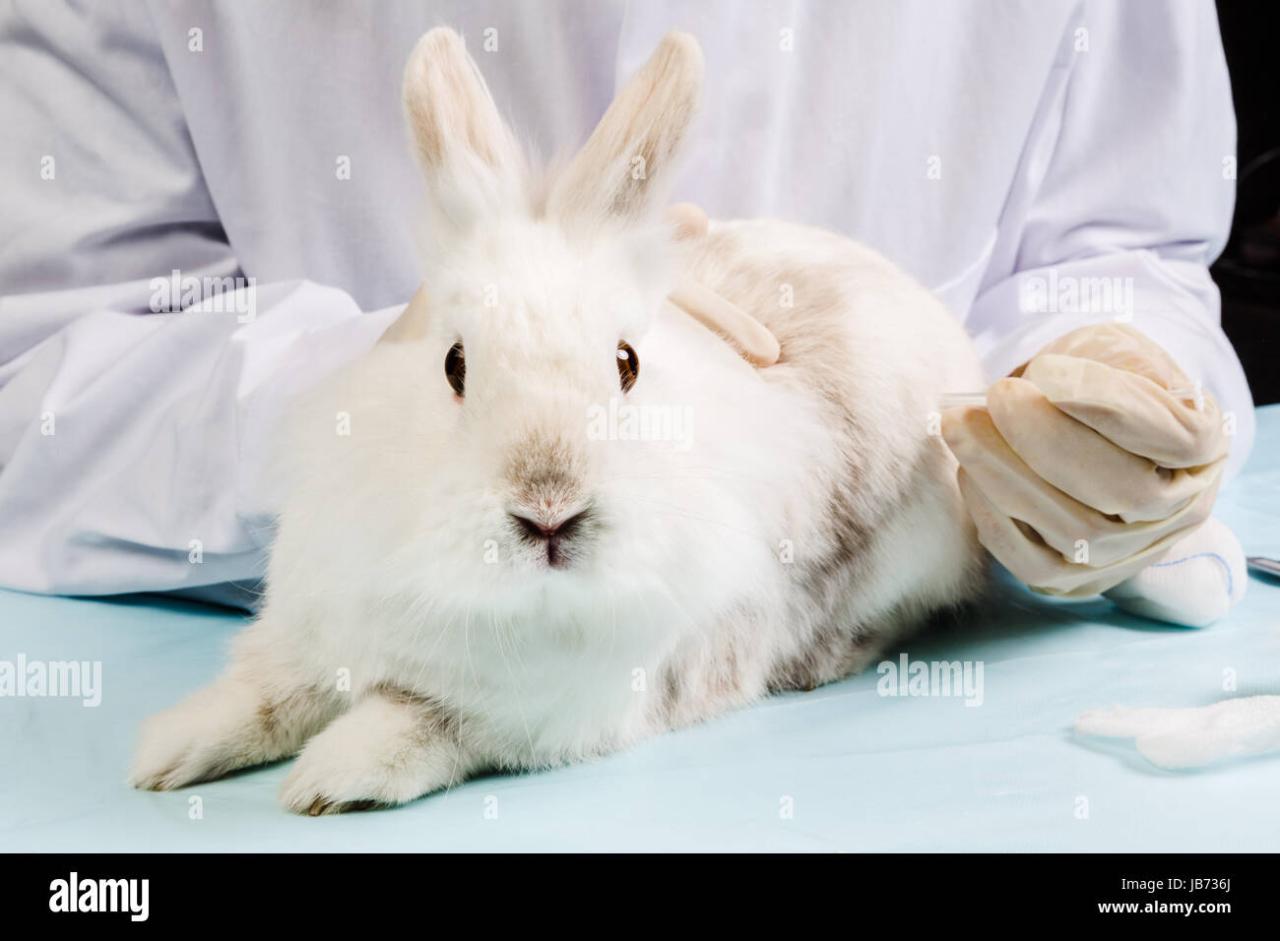
Syringe feeding, while essential in certain situations, is not always the ideal long-term solution for rabbits. Understanding and implementing alternative feeding methods is crucial for ensuring the rabbit’s overall well-being and promoting a return to normal feeding habits. These methods, when appropriate, can help the rabbit regain its natural feeding instincts and reduce the need for prolonged syringe feeding.Alternative feeding methods provide varied ways to deliver nutrition to rabbits, supplementing or replacing syringe feeding.
Careful consideration of the rabbit’s individual needs and circumstances is paramount when choosing an alternative method.
Alternative Feeding Methods Compared to Syringe Feeding
Syringe feeding, while effective in providing immediate nourishment, often requires consistent intervention and can create dependence. Alternative methods, when successful, encourage a more natural recovery and re-establish the rabbit’s ability to consume food independently.
Comparison Table of Alternative Feeding Methods
| Method | Description | Pros | Cons |
|---|---|---|---|
| Oral Feeding with a Spoon or Pipette | Small amounts of softened food are carefully placed directly into the rabbit’s mouth. | Allows for easier monitoring of intake, potentially less stressful for the rabbit, and cost-effective. | Can be challenging for rabbits that are not receptive to oral feeding, requires patience and precise handling. |
| Feeding with a Soft Food Pouch | The food is placed into a soft pouch, which is then placed near the rabbit’s mouth for it to consume. | The pouch can help in gentle and controlled feeding, offering a way to introduce solid food. | Might not be suitable for all rabbits, may not provide sufficient nutrition, and the rabbit may not accept the food. |
| Encouraging Natural Feeding Habits | Providing a familiar environment, placing familiar food sources, and using positive reinforcement techniques. | Promotes a natural recovery process, minimizes stress on the rabbit, and fosters a return to normal eating patterns. | Requires patience and observation, may not be effective for rabbits with severe feeding issues, and progress can be slow. |
| Using a Feeding Tube (with veterinary supervision) | A feeding tube is inserted into the rabbit’s esophagus, allowing for controlled delivery of food. | Provides a highly precise method for delivering a specific amount of nutrition, allowing for the introduction of a wide range of nutrients, and can be used for longer periods. | Requires specialized equipment and veterinary expertise, poses a risk of complications if not performed correctly, and may be stressful for the rabbit. |
Situations Favoring Alternative Feeding Methods
Alternative feeding methods are often preferred when the rabbit shows signs of recovery or is exhibiting an interest in consuming food. These methods aim to gradually reintroduce the rabbit to normal feeding habits, promoting independence and reducing the reliance on syringe feeding. For example, a rabbit that demonstrates a willingness to eat from a soft food pouch might be a good candidate for this approach.
Conversely, a rabbit that actively rejects food presented in all forms may require more intensive care, such as syringe feeding.
Important Considerations and Safety Precautions
Syringe feeding, while sometimes necessary, carries potential risks if not performed correctly. Careful attention to safety precautions and potential complications is crucial to ensure the rabbit’s well-being and prevent further distress. This section Artikels important considerations and safety measures to minimize risks and maximize the rabbit’s comfort.
Potential Risks and Complications
Syringe feeding, while a vital tool in certain situations, presents potential risks if not managed meticulously. These risks can range from minor discomfort to serious complications. Incorrect technique can lead to aspiration pneumonia, esophageal damage, or even airway obstruction. Overfeeding can cause digestive upset and potentially fatal bloat. Furthermore, introducing foreign substances or improper hygiene during the feeding process can introduce infections.
The rabbit’s weakened condition may also make it more susceptible to various health problems.
Safety Guidelines and Recommendations
Adhering to strict safety guidelines and recommendations is paramount when syringe feeding a rabbit. Using sterile equipment, maintaining proper hygiene, and ensuring the rabbit’s comfort throughout the process are critical steps. Always use a new, sterile syringe and needle for each feeding. Ensure the food temperature is appropriate to avoid causing discomfort or potentially damaging the rabbit’s sensitive digestive system.
Observe the rabbit’s response closely and adjust the feeding technique or volume as needed. Never force the rabbit to eat, as this can cause further complications.
Importance of Professional Veterinary Advice
Seeking professional veterinary advice is essential whenever possible, especially when considering syringe feeding a rabbit. Veterinarians are trained to assess the specific needs of each rabbit, including their overall health, nutritional requirements, and potential underlying conditions. They can provide tailored guidance on feeding methods, appropriate food types, and monitoring procedures. Veterinary oversight can prevent further complications and ensure the rabbit receives the most appropriate care.
Risk, Prevention, and Consequences Table
| Risk | Prevention | Consequences |
|---|---|---|
| Aspiration pneumonia | Ensure proper feeding technique, slow and gentle administration, and maintaining the rabbit’s head elevated slightly during feeding. | Lung inflammation, breathing difficulties, potential death if severe. |
| Esophageal damage | Use a suitably sized syringe and needle, avoid forceful insertion, and ensure the food is not too cold or too hot. | Difficulty swallowing, potential infections, and pain. |
| Digestive upset (bloating) | Administer food slowly, in small portions, and monitor the rabbit for signs of discomfort. Ensure the food is appropriate for the rabbit’s condition. | Severe pain, abdominal distension, potentially fatal. |
| Introduction of infections | Use sterile equipment, maintain strict hygiene, and avoid cross-contamination. | Bacterial or fungal infections, requiring further treatment. |
Ensuring Rabbit Comfort and Well-being
Ensuring the rabbit’s comfort and well-being during and after feeding is paramount. Create a calm and stress-free environment, minimizing handling time to avoid undue distress. Place the rabbit in a comfortable, safe, and familiar location. After feeding, monitor the rabbit for any signs of distress, such as difficulty breathing, lethargy, or unusual behavior. Provide gentle encouragement and reassurance to the rabbit, fostering a positive experience.
This care is crucial for the rabbit’s recovery and overall well-being.
Epilogue
In conclusion, syringe feeding rabbits requires careful attention to detail and a thorough understanding of the procedure. By following the steps Artikeld in this guide, you can ensure the safety and well-being of your rabbit while providing essential nutrition. Remember, professional veterinary guidance is always recommended, especially in complex situations.