Rabbits, with their insatiable curiosity and powerful teeth, can pose a significant threat to your home’s structural integrity. This comprehensive guide provides a detailed roadmap for effectively rabbit-proofing your property, covering everything from identifying potential entry points to implementing robust deterrents and ongoing maintenance strategies.
By understanding rabbit behavior and their methods of entry, you can effectively protect your home from damage. This guide delves into practical strategies for creating a rabbit-resistant environment, offering insights into materials, techniques, and specific solutions for various challenges.
Identifying Entry Points

Identifying potential entry points for rabbits is crucial in effectively rabbit-proofing a home. A thorough inspection of vulnerable areas, combined with understanding rabbit behavior, will reveal pathways rabbits may utilize to gain access. Knowing where rabbits might enter allows homeowners to implement appropriate preventative measures.Rabbits are adept at finding small openings and crevices, using their powerful incisors to gnaw through materials.
They will readily exploit any weakness in a structure, whether it be a gap in the foundation, a poorly sealed window, or a damaged roof. Therefore, a systematic approach to identifying these potential entry points is essential for a successful rabbit-proofing strategy.
Potential Entry Points by Location
Understanding where rabbits are most likely to enter a home is the first step in effective prevention. Different locations present various vulnerabilities. Walls, foundations, roofs, and windows each offer potential pathways for rabbits.
- Walls: Rabbits can tunnel through soft soil or poorly constructed walls, often utilizing existing cracks and gaps. They may burrow into landscaping close to the home’s exterior walls. Examples include poorly maintained stucco, gaps around pipes or wiring, and openings around electrical conduits.
- Foundations: Foundations are a common point of entry. Cracks in the concrete, gaps around utility lines, and areas where the foundation meets the ground are particularly vulnerable. A rabbit might exploit a crack in the concrete slab to gain access to the interior. A poorly maintained landscaping area surrounding the foundation can also provide a route.
- Roofs: Roofs, especially those with poorly sealed vents, gaps around chimneys, or damaged shingles, can be entry points. Rabbits may climb onto the roof and create openings, or they may find openings already present. Look for signs of gnawing or droppings near the edges of the roof.
- Windows: Windows, particularly those with damaged or missing screens, can be entry points. Rabbits are agile and can easily squeeze through small openings. Ensure all window screens are intact and securely fitted.
Methods for Inspection
A thorough inspection using various methods is vital for pinpointing rabbit entry points. Employing careful observation and proactive searching will reveal any vulnerabilities.
- Visual Inspection: Carefully examine the exterior of the home, paying close attention to areas near the ground. Look for any signs of digging, rabbit droppings, or gnaw marks on the exterior walls, foundation, and roof. Check the ground around the perimeter for signs of burrows or tunnels. Observe any areas of the landscaping that might offer a route to the home.
- Probing: Use a thin, flexible tool, like a long stick or screwdriver, to probe areas where you suspect there might be openings. This method can reveal hidden gaps and tunnels. Use caution to avoid damage to the structure.
- Ground Inspection: Inspect the ground surrounding the home. Look for any signs of digging or burrows. If burrows are present, the surrounding area should be evaluated for potential access to the home.
Common Entry Points and Vulnerabilities
Identifying specific examples of rabbit entry points and their associated vulnerabilities can be helpful in formulating a preventative plan.
| Type of Entry Point | Likely Location | Vulnerability |
|---|---|---|
| Gaps in Foundation Walls | Basements, crawl spaces | Rabbits can easily burrow through gaps in foundation walls, especially if the ground is soft or there are no preventative measures. |
| Damaged or Missing Window Screens | Windows, doors | Rabbits can easily squeeze through small openings in window screens or around damaged window frames. |
| Openings Around Utility Pipes | Walls, foundations | Utility pipes, especially those running near the ground, can provide access points if not properly sealed. |
| Holes in Exterior Walls | Walls, siding | Pre-existing holes or gaps in exterior walls can be exploited by rabbits. |
Understanding Rabbit Behavior
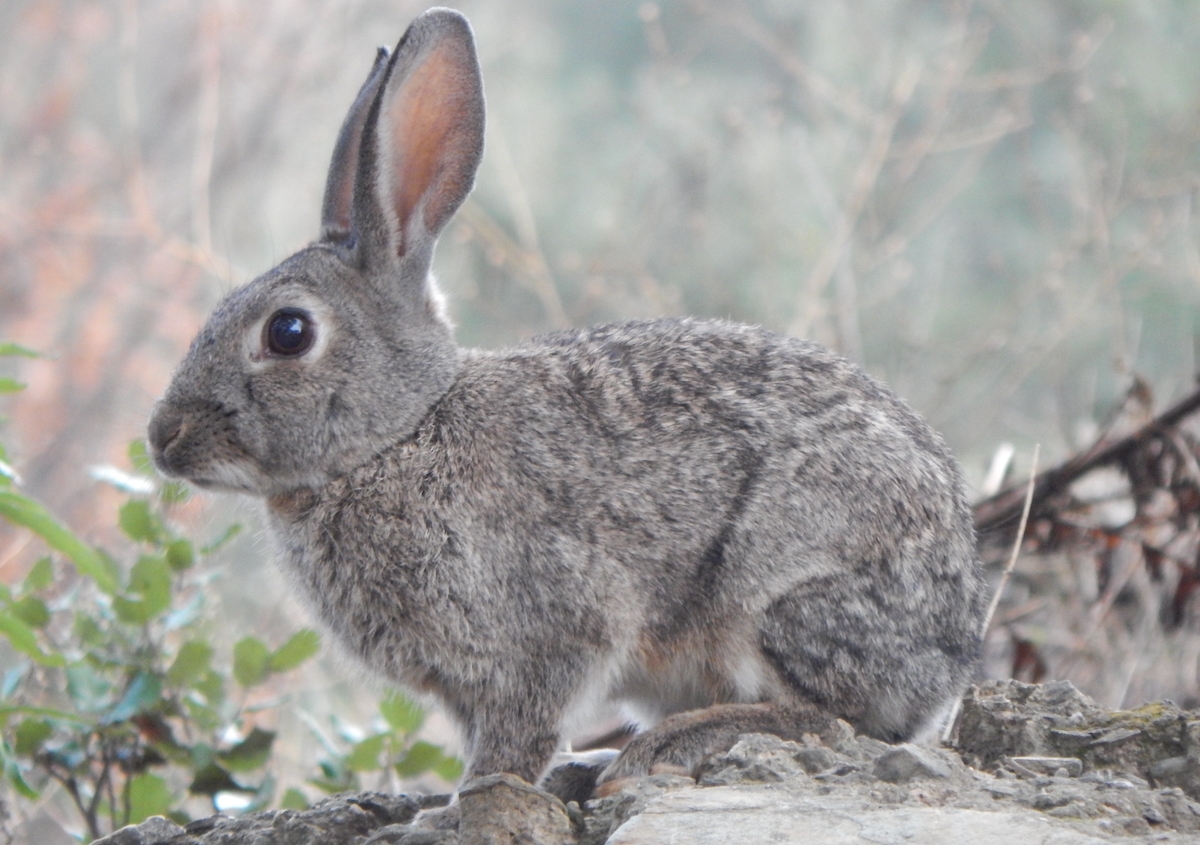
Rabbits are highly motivated by foraging and exploration, leading them to seek out potential entry points into homes. Understanding their behaviors is crucial to effectively rabbit-proofing your property. Their inherent curiosity and desire for resources often result in damage to structures.Rabbit behavior is driven by their natural instincts, which frequently lead to activities that can compromise the integrity of your home.
This includes a strong drive to explore and find food, shelter, and mates. Recognizing these behaviors allows for targeted preventative measures to deter entry and minimize damage.
Rabbit Foraging and Exploration Habits
Rabbit foraging is a crucial aspect of their daily routine. They are naturally inclined to seek out new food sources, often exploring areas beyond their immediate surroundings. This includes searching for vegetation, which can lead them to areas near homes. Understanding their foraging habits helps to anticipate where they might look for food and water sources, and how to effectively deter them from entering your home.
Rabbit Communication Signals
Rabbits use various signals to communicate their presence and intentions. These signals, though often subtle, can be indicators of potential entry points. For example, scratching at the base of walls or digging in the ground near foundations can indicate a rabbit trying to gain access. Urine marking is another common signal. These signals highlight areas that require further examination for potential entry points.
Typical Damage Patterns Caused by Rabbits
Rabbits often create distinctive damage patterns as they search for entry points and resources. These include gnawing on wood, particularly around foundations, fences, and structures that provide access to food sources. Tunnels or burrows may be constructed in soft soil near the home. Understanding these patterns allows for quicker identification of potential entry points and the implementation of appropriate preventative measures.
How Rabbits Use Existing Structures to Gain Access
Rabbits are adept at exploiting existing structures to gain entry into homes. They can easily navigate small gaps and openings, even those seemingly insignificant. A crack in a wall or a gap under a door can provide easy access. They also use existing vegetation, such as shrubs and bushes, as pathways to reach vulnerable areas. Recognizing these vulnerabilities is key to creating a rabbit-proof environment.
Implementing Physical Barriers

Effective rabbit proofing relies heavily on creating formidable physical barriers. These barriers act as a crucial deterrent, preventing rabbits from accessing vulnerable areas of your property. Properly implemented, they significantly reduce the risk of damage and infestation.Understanding rabbit behavior and common entry points is fundamental to designing a robust system. By anticipating their paths and weaknesses, you can create barriers that are both efficient and aesthetically pleasing.
Various Physical Barriers
A range of materials and techniques can be used to create rabbit-proof barriers. The choice depends on factors like budget, aesthetics, and the specific characteristics of the rabbit population in your area.
- Fencing: A fundamental aspect of rabbit proofing, fences effectively block access to your property. Various materials and heights are available, with the best choice depending on the rabbit’s ability to jump or dig.
- Mesh Barriers: Metal or plastic mesh barriers are often used for smaller areas or as supplementary protection. Their strength and flexibility allow them to be installed in areas with complex contours. A strong, tightly woven mesh prevents rabbits from squeezing through or chewing their way through.
- Concrete or Brick Walls: Solid walls offer excellent resistance to burrowing and chewing. They are particularly effective for areas that require complete security, like vegetable gardens or flowerbeds. However, their installation is often more expensive than other options.
- Gravel or Rock Barriers: A layer of gravel or rocks can create a physical obstacle that rabbits find difficult to navigate. This method works best in areas where digging is a concern. The depth and type of material will influence the effectiveness of the barrier.
Materials for Rabbit-Proof Fences
Selecting the appropriate materials for your fence is crucial for its effectiveness and longevity. Consider the durability, cost, and aesthetic appeal when making your decision.
- Metal Wire Mesh: Galvanized or stainless steel wire mesh is strong and resistant to chewing. Its durability makes it a popular choice for long-term protection.
- Wood Fencing: Wood fencing can be effective, but it requires regular maintenance and is susceptible to damage from moisture and pests. Pressure-treated lumber can extend the lifespan.
- Plastic Mesh: Plastic mesh is relatively inexpensive and lightweight, making it suitable for temporary or less critical areas. However, its durability is lower compared to metal mesh.
- Chain-link Fencing: A widely used option, chain-link fencing offers a strong barrier, but it might not be visually appealing in all settings. The galvanized steel construction adds to its durability.
Installation Techniques
Proper installation is essential for a functional and long-lasting fence. The depth and reinforcement of the fence are key factors.
- Perimeter Fencing: For the perimeter of your property, dig a trench at least 12 inches deep. Place the fence posts in the trench, ensuring they are firmly anchored. This prevents rabbits from digging under the fence.
- Reinforcement of Existing Structures: Existing structures, such as walls or decks, can be reinforced by adding mesh or wire barriers to prevent rabbit entry. Ensure that the barrier is secure and extends several inches beyond the existing structure to deter rabbits from digging around it.
- Ground Coverage: A layer of gravel or rocks along the base of the fence can deter rabbits from digging under it. Ensure the layer is thick enough to prevent them from digging through or under it.
Comparative Analysis of Fence Materials
The table below summarizes the effectiveness and cost-efficiency of various fence materials.
| Material | Effectiveness | Durability | Cost | Maintenance |
|---|---|---|---|---|
| Metal Wire Mesh | High | High | Medium | Low |
| Wood Fencing (Pressure Treated) | Medium | Medium | Low | Medium |
| Plastic Mesh | Low | Low | Low | Low |
| Chain-link Fencing | High | High | Medium | Low |
Applying Deterrents
Effective rabbit proofing involves more than just physical barriers. Employing deterrents creates a hostile environment, discouraging rabbits from approaching your property. This multifaceted approach, combining natural and human-made methods, significantly reduces the likelihood of rabbit incursions.A comprehensive strategy incorporates various tactics, such as employing specific scents and sounds, strategically placing motion-activated sprinklers, and using suitable netting and mesh barriers.
Understanding rabbit behavior and preferences is key to the success of these deterrent measures. This section delves into the practical application of these strategies.
Natural and Human-Made Deterrents
Various methods deter rabbits, utilizing both natural and human-made approaches. These deterrents aim to create an environment less appealing to rabbits. Natural deterrents often leverage scents or sounds that rabbits dislike, while human-made solutions utilize commercial products and technologies.
- Natural deterrents include planting strong-smelling plants like rosemary, lavender, or onions around the perimeter of your property. These plants have strong scents that rabbits tend to avoid. Furthermore, the pungent smell can create an unpleasant environment that discourages them from approaching your home.
- Human-made deterrents can include commercial products formulated with strong scents or noises designed to deter rabbits. These solutions can be more effective than natural deterrents and can be strategically placed around your property.
Scents and Sounds to Deter Rabbits
Rabbits possess a highly developed sense of smell and hearing. Employing scents and sounds that they find unpleasant can create a deterrent effect.
- Pepper spray, or substances containing capsaicin, are known to deter rabbits due to the unpleasant sensation they induce. However, care must be taken to avoid harming beneficial wildlife or pets.
- Commercial rabbit deterrents often utilize a blend of unpleasant scents, such as predator urine or other strong smells that rabbits find unpleasant. These solutions should be used cautiously and according to the product instructions.
- Sounds like ultrasonic devices or strategically placed noisemakers, such as wind chimes or other audible deterrents, can startle rabbits and discourage them from entering the area. The intensity and frequency of these sounds need to be carefully evaluated to prevent unnecessary disturbance to other wildlife.
Motion-Activated Sprinklers
Motion-activated sprinklers can effectively deter rabbits by startling them and creating a deterrent effect. This method can be effective in conjunction with other deterrent strategies.
- Strategically place motion-activated sprinklers around the perimeter of your property to create a deterrent effect. The placement should ideally cover areas rabbits are known to frequent or where they are likely to enter.
- Ensure the sprinklers are properly maintained and positioned to effectively cover the targeted areas. Regular checks are important to ensure proper functioning.
- The frequency of activation is also crucial. Adjust the sprinkler settings to achieve a deterrent effect without causing undue disturbance to other wildlife.
Netting and Mesh Materials
Implementing physical barriers, such as netting and mesh materials, effectively prevents rabbit access to your property.
- Install netting or mesh fencing along the ground, around vulnerable areas like gardens, or beneath openings to prevent access. This provides a physical barrier that rabbits cannot easily penetrate.
- Select materials that are durable and resistant to damage from rabbits, such as wire mesh, metal sheeting, or heavy-duty netting. The strength of the material is essential to maintain the integrity of the barrier.
- Ensure that the mesh or netting is securely anchored to prevent rabbits from digging underneath or chewing through the material. Proper installation is crucial to maintain the effectiveness of the barrier.
Commercial Rabbit Deterrents
Various commercial products are available to deter rabbits. Each product has its own set of pros and cons.
| Commercial Deterrent | Pros | Cons |
|---|---|---|
| Ultrasonic devices | Often relatively affordable and easy to install. | Effectiveness can vary, and some rabbits may become accustomed to the sound. |
| Scent-based deterrents | Can be effective if the scent is strong enough and not easily washed away. | May be unpleasant to humans or pets if the scent is strong. Some may cause irritation or allergic reactions. |
| Motion-activated sprinklers | Effective in deterring rabbits, and relatively inexpensive. | May require careful adjustment to avoid disturbing other wildlife. Can be ineffective if not properly maintained. |
Preventing Food Sources

Attracting rabbits to a home is often linked to readily available food sources. Eliminating these sources is a crucial step in creating a rabbit-proof environment. Proper food storage and management of vegetation surrounding the house are key components of this strategy.Effective prevention involves a multifaceted approach that considers rabbit preferences and the availability of food. By addressing these factors, the likelihood of rabbit intrusions can be significantly reduced.
Eliminating Food Sources in Gardens and Yards
Rabbits are omnivores, with a particular fondness for various garden and yard vegetation. Understanding their dietary preferences allows for targeted measures to minimize attraction.
- Controlling Vegetation: Regular trimming of shrubs, bushes, and overgrown grass around the home significantly reduces the amount of readily available food. Cutting back vegetation near the house and along fences helps to eliminate hiding places and foraging grounds. Rabbits are particularly drawn to dense foliage, making it important to maintain regular yard maintenance. This strategy is effective in preventing rabbits from using vegetation as a food source and as a refuge.
- Identifying High-Risk Plants: Some plants are more attractive to rabbits than others. Knowing which plants are favored can help homeowners tailor their yard maintenance accordingly. Commonly targeted plants include leafy greens, vegetables, and certain flowers. It is wise to choose landscaping that minimizes appealing vegetation.
- Clearing Debris: Rabbits can utilize fallen leaves, twigs, and other debris as cover and for foraging. Regular removal of yard debris minimizes the availability of these potential food sources and reduces areas for rabbits to hide.
Storing Food and Supplies Properly
Proper storage of food and supplies is critical to deterring rabbits from accessing potential sources of nutrition. Improper storage creates easy targets.
- Secure Storage Containers: Utilizing airtight containers and securely sealing food storage bins is essential to prevent rabbits from accessing stored food. Rabbits can be remarkably adept at finding weaknesses in storage, so double-checking the seal and using sturdy containers is important. Utilizing heavy-duty plastic or metal containers will deter them from accessing food stored within.
- Elevated Storage: Storing food and supplies off the ground, preferably on shelves or in cabinets, can make it more difficult for rabbits to reach. This measure prevents easy access, limiting the attractiveness of the stored food to rabbits.
- Protecting Feed Storage: If feeding livestock or pets, use secure containers or feeders designed to prevent access from rabbits. Utilizing feeders or containers with sturdy locks will reduce the likelihood of unwanted visitors accessing the feed.
Preventing Access to Stored Food and Feed
Preventing access to stored food and feed is vital for minimizing rabbit attraction. Rabbits are known for their tenacity in foraging.
- Exterior Security: Ensure that all exterior food storage areas are secure. This includes checking for any gaps or openings in storage sheds, garages, or similar structures that could provide access points for rabbits. Inspecting for any weaknesses or potential breaches is crucial for preventing access to stored items.
- Checking for Gaps: Inspecting for any gaps or holes in walls, foundations, or other structures around the house is necessary. These openings can serve as entry points for rabbits seeking food sources inside the home. Thorough inspections for potential entry points will significantly reduce the chances of rabbits accessing stored food.
Monitoring and Maintenance

Maintaining a rabbit-proof home requires ongoing vigilance and proactive maintenance. Simply implementing physical barriers is not enough; regular inspections and repairs are crucial to prevent rabbits from gaining entry. This proactive approach ensures the effectiveness of your efforts and minimizes the risk of damage over time.Effective rabbit proofing is an ongoing process, not a one-time fix. Regular monitoring and maintenance are essential to identify and address any vulnerabilities before they become significant problems.
This proactive approach ensures the long-term success of your efforts and minimizes the need for extensive repairs later on.
Regular Inspections Checklist
Regular inspections are vital for identifying new entry points and signs of rabbit activity. A thorough inspection schedule helps to catch potential problems early, preventing costly damage. A comprehensive checklist should include the following:
- Exterior Walls and Foundation: Examine all exterior walls, foundations, and any cracks or gaps around pipes, vents, and utility lines. Look for fresh holes, gnaw marks, or signs of digging.
- Roofing and Gutters: Inspect the roofline for any holes or damage that might allow access. Check gutters and downspouts for any signs of rabbit activity or damage. Damaged flashing or missing shingles can create entry points.
- Fences and Landscaping: Carefully examine fences, walls, and landscaping features. Rabbits can tunnel under fences or create pathways through vegetation. Look for any signs of digging, tunnels, or chewed plants.
- Plumbing and Electrical Entries: Inspect all pipes, wiring, and any other utility entries for signs of damage or holes. Check for gnaw marks on conduits or damage to the surrounding areas.
- Interior Walls and Ceilings: Examine the interior of the house for signs of rabbit activity. Look for droppings, gnaw marks, or holes in walls or ceilings. This is particularly important in areas where rabbits may have access to stored food.
Repairing Damage
Identifying damage caused by rabbits is crucial for preventing further entry and damage. Addressing damage promptly can prevent future problems. The appropriate repair method depends on the type of damage.
- Small Holes and Gaps: Small holes and gaps can be sealed with steel wool, expanding foam, or hardware cloth. Ensure a secure and permanent seal to prevent rabbits from re-entering.
- Gnaw Marks and Damage to Wood: For gnaw marks or damage to wood, use wood filler or patching compounds to repair the damaged areas. Reinforce the area with metal sheeting or wire mesh for added protection.
- Tunnels and Digging: For tunnels and digging, the best approach is to eliminate the cause. If rabbits are digging under a fence, consider reinforcing the fence with additional supports or a deeper foundation. If rabbits are digging in landscaping, remove any tempting vegetation and use a physical barrier.
- Damaged Fences: Repair damaged fences promptly. Use metal sheeting or hardware cloth to reinforce the fence to deter rabbits. Consider burying the fence deeper to prevent tunneling.
Ongoing Maintenance Frequency
Maintaining a rabbit-proof home requires a regular schedule of inspections and repairs. The frequency of inspections depends on the level of rabbit activity in the area and the type of preventative measures in place.
| Area | Inspection Frequency |
|---|---|
| Exterior Walls and Foundation | Monthly |
| Roofing and Gutters | Quarterly |
| Fences and Landscaping | Weekly (during active rabbit seasons) |
| Plumbing and Electrical Entries | Semi-annually |
| Interior Walls and Ceilings | Monthly |
Note: Inspection frequency may need adjustment based on observed rabbit activity.
Addressing Specific Challenges
Rabbit proofing a home is a multifaceted task, and some situations demand specialized solutions beyond basic measures. Understanding the unique characteristics of your property, including its location and existing structures, is crucial for developing an effective strategy. This section delves into specific challenges and tailored approaches for successful rabbit exclusion.
Homes with Gardens or Attractive Features
Gardens, flowerbeds, and fruit trees often attract rabbits due to the readily available food and cover. Effective rabbit proofing in these areas requires a multi-pronged approach. Strategic placement of physical barriers is key, encompassing the garden perimeter.
- Fencing Enhancements: Reinforce existing fencing with additional layers or install new, taller barriers to prevent rabbits from jumping over or digging under. Consider using hardware cloth or chicken wire, buried several inches deep, to deter tunneling. This barrier should extend at least a foot below ground level and a foot above ground level.
- Exclusion around Plants: Protect individual plants and vulnerable areas by creating small, enclosed spaces around them. Use cages or sturdy barriers made of wire mesh or plastic to keep rabbits from nibbling on delicate foliage or digging up roots. These enclosures should be securely anchored to the ground.
- Covering Ground Areas: In flowerbeds or vegetable patches, covering the ground with netting or hardware cloth can prevent rabbits from gaining access to food sources or creating burrows.
Homes with Existing Structural Issues
Homes with pre-existing cracks, gaps, or poorly maintained foundations present unique challenges for rabbit proofing. A thorough inspection is the first step to addressing these issues.
- Addressing Cracks and Gaps: Seal any gaps or cracks in walls, foundations, or other structures with a suitable sealant, such as expanding foam or caulk. These materials effectively block entry points and prevent further damage. Ensure that the sealant extends several inches beyond the crack to ensure complete coverage.
- Foundation Reinforcement: If rabbit activity around the foundation is observed, consider reinforcing the foundation perimeter with concrete or metal barriers. This may involve professional consultation for structural support.
- Inspecting Gutters and Downspouts: Check gutters and downspouts for gaps that could allow rabbits to enter. Securely attach the gutters to the house to prevent any gaps and make sure downspouts are not providing access to the foundation or walls.
Homes Near Bodies of Water
Rabbits are drawn to water sources, especially during dry periods. Homes near bodies of water, such as ponds, streams, or irrigation ditches, often experience heightened rabbit activity.
- Enhanced Perimeter Fencing: Extend fencing around the water’s edge to prevent rabbits from accessing the area and using it as a path to the house. Ensure that the fencing is buried deeply to deter tunneling.
- Water Feature Modifications: Consider modifying the water feature to reduce the attractiveness to rabbits. For example, consider using a different landscaping design that eliminates cover or access to the water source.
- Exclusion of Access Paths: Identify and block any paths or pathways that rabbits use to approach the water source from the home. This often involves installing additional barriers or creating obstacles that deter their movement.
Homes with Persistent Rabbit Problems
Persistent rabbit problems may indicate multiple entry points, a high population density in the area, or other contributing factors. In these situations, a more intensive approach may be necessary.
- Comprehensive Inspection: Conduct a thorough and detailed inspection to identify all potential entry points, including those that may have been missed in earlier attempts. This could involve professional assistance.
- Professional Consultation: Consider consulting a pest control expert or wildlife specialist to devise a tailored plan that addresses the specific circumstances of your property. They can provide expert advice on effective exclusion methods.
- Repellent Strategies: Explore the use of rabbit repellents in conjunction with physical barriers. These repellents often contain scents or substances that rabbits find unpleasant, deterring them from returning to the area. These should be used in conjunction with physical barriers to maximize effectiveness.
Visual Representation
A visual representation of a rabbit-proofed home’s perimeter is crucial for a comprehensive understanding of the implemented preventative measures. This visualization allows for a clear overview of the entire process, facilitating effective strategy development and implementation. It also serves as a valuable tool for visualizing potential weaknesses and addressing them proactively.Effective rabbit proofing requires a multifaceted approach. A visual representation, accompanied by detailed explanations and specific examples, empowers homeowners to create a fortress against unwelcome guests.
This section will illustrate the perimeter, identify crucial entry points, depict the placement of deterrents, and showcase the effectiveness of the combined defenses.
Perimeter Diagram
A detailed diagram of the home’s perimeter, including the exterior walls, fences, and landscaping, is essential. This diagram should precisely indicate all potential entry points. Note the locations of gardens, shrubs, and any other areas that might attract rabbits. The diagram should show the precise locations of various physical barriers, like fences and walls, indicating their height, materials, and any gaps.
It also includes the precise placement of deterrents, such as motion-activated sprinklers, to demonstrate their intended impact on rabbit behavior.
Implementing Physical Barriers
This section details the application of physical barriers within the perimeter diagram. The diagram should visually represent various fence types, such as wire mesh, solid wooden fences, or metal barriers, and their placement. Specify the fence height (minimum 2 feet) and the depth of the buried perimeter to prevent burrowing. The diagram should show how these barriers prevent rabbits from reaching the home.
Additionally, the diagram should highlight any gaps or weaknesses in the perimeter, requiring additional measures, like wire mesh under the fence to prevent burrowing.
Placement and Effectiveness of Deterrents
The diagram should clearly illustrate the placement of deterrents, such as motion-activated sprinklers, around the perimeter. The diagram should indicate the range of effectiveness of these deterrents. Visualize the placement of other deterrents, such as netting or mesh, over vulnerable areas like flowerbeds and vegetable patches. It should illustrate the effectiveness of these deterrents by showing rabbits avoiding the area due to the perceived threat or discomfort.
This visual representation helps homeowners select appropriate deterrents for their specific needs and environment.
Key Steps of the Process
| Step | Description | Visual Cue |
|---|---|---|
| 1. Identify Entry Points | Locate all possible entry points on the perimeter. | Diagram highlighting potential entry points with red arrows. |
| 2. Implement Physical Barriers | Install fences, walls, or other barriers to prevent entry. | Diagram showing the physical barriers in place. |
| 3. Apply Deterrents | Place deterrents like motion-activated sprinklers, netting, or scents. | Diagram illustrating the placement of deterrents. |
| 4. Prevent Food Sources | Remove or secure food sources to discourage rabbits. | Diagram showing secure food storage and removal of attractants. |
| 5. Monitor and Maintain | Regularly check for damage and repair as needed. | Diagram showing ongoing maintenance checks. |
Illustrative Sequence of Rabbit Attempts and Barriers
This section will describe a sequence of illustrations without providing images. The first illustration would depict a rabbit approaching the perimeter, attempting to breach a gap in the fence. The second illustration would showcase the rabbit encountering a motion-activated sprinkler, causing it to recoil. The third illustration would demonstrate the rabbit encountering a wire mesh fence, unable to penetrate it.
The fourth illustration would show the rabbit encountering a well-maintained, high perimeter fence and ultimately giving up on entry attempts. This sequence of illustrations vividly conveys the effectiveness of the implemented preventative measures.
Outcome Summary
In conclusion, effectively rabbit-proofing your home requires a multi-faceted approach that combines a thorough understanding of rabbit behavior, the implementation of physical barriers, and the use of appropriate deterrents. This guide equips you with the knowledge and strategies necessary to create a rabbit-resistant haven, protecting your property and peace of mind. Regular monitoring and maintenance are crucial to ensure long-term success.