Protecting your beloved rabbits from ticks is crucial for their health and well-being. This comprehensive guide delves into various aspects of tick prevention, removal, and post-care, empowering you with the knowledge to safeguard your furry friend.
Understanding the different tick species that affect rabbits, their identification, and the signs of infestation is vital. The guide will also provide practical advice on preventative measures, including creating a tick-resistant environment, using appropriate repellents, and natural deterrents.
Identifying Tick Infestations
Tick infestations can pose significant health risks to rabbits, potentially leading to anemia, discomfort, and even serious complications. Early detection and appropriate treatment are crucial for successful management. This section will provide a detailed understanding of common tick species, their visual characteristics on rabbits, the associated symptoms, and how to distinguish tick bites from other skin irritations.
Common Tick Species Affecting Rabbits
Rabbits are susceptible to several tick species, each with its own characteristics and potential risks. Understanding these differences is essential for targeted prevention and treatment strategies. Different tick species exhibit varying preferences for hosts, impacting their prevalence and the severity of potential infestations.
- American Dog Tick (Dermacentor variabilis): These ticks are relatively common in many parts of the United States and are known to feed on rabbits. Their appearance varies during different life stages. Adults are typically reddish-brown and oval-shaped, with visible scutum (a hard dorsal plate) and prominent mouthparts. Nymphs are smaller and more difficult to spot initially.
- Lone Star Tick (Amblyomma americanum): Found throughout the southeastern United States, the Lone Star tick is another common tick species that feeds on rabbits. The adult female Lone Star tick can be distinguished by its distinctive white spot on its back. Early detection is crucial, as these ticks can transmit diseases, including ehrlichiosis, a potentially serious bacterial infection in rabbits.
Male and nymph ticks do not have this white spot.
- Blacklegged Tick (Ixodes scapularis): Also known as the deer tick, this species is found in the northeastern and mid-Atlantic regions of the US. They are particularly known for transmitting Lyme disease, a bacterial infection that can affect various animal species, including rabbits. Identifying the nymph stage of the tick is crucial, as it is often smaller and more difficult to spot compared to adult ticks.
Nymphs are typically reddish-brown or dark-colored.
Visual Characteristics of Ticks on Rabbit Fur
Ticks can be found attached to various locations on a rabbit’s body. Their size and appearance vary depending on the tick species and developmental stage.
- Location: Ticks are often found in areas with dense fur, including the head, neck, ears, under the armpits, and along the back. They may also be found on the legs and feet, especially in areas where the fur is thinner.
- Appearance: Ticks are typically small, ranging from a few millimeters to a few centimeters in size. Their color can vary from reddish-brown to dark brown, black, or gray. As they feed, ticks become engorged with blood and appear larger, almost like a dark-colored seed or a small, round lump.
Signs and Symptoms of a Tick Infestation
Recognizing the signs and symptoms of a tick infestation in rabbits is vital for prompt treatment.
- Skin Irritation: A rabbit with a tick infestation might exhibit redness, swelling, or itching around the tick bite site. This is a common initial sign. Additionally, localized hair loss may occur around the infestation site.
- Lethargy: A rabbit experiencing a significant tick infestation may show signs of lethargy, decreased appetite, and reduced activity levels. These symptoms are more pronounced in severe infestations.
- Fever: Some tick-borne diseases can cause fever in rabbits. This is a crucial symptom to watch out for.
Differentiating Tick Bites from Other Skin Irritations
Differentiating tick bites from other skin irritations can be challenging. The presence of a small, engorged tick firmly attached to the skin is a definitive indicator of a tick bite. Other skin irritations may not have these characteristics.
- Identifying Characteristics: A key difference lies in the presence of a small, engorged tick firmly attached to the skin. Other skin irritations, such as allergies or insect bites, might not exhibit this feature.
Comparison of Tick Species and Risks
The following table summarizes the common tick species affecting rabbits and their associated risks:
| Tick Species | Appearance | Geographic Distribution | Associated Risks |
|---|---|---|---|
| American Dog Tick | Reddish-brown, oval-shaped | Widely distributed in the US | Possible transmission of pathogens |
| Lone Star Tick | Adult female with white spot; others with different coloring | Southeastern US | Ehrlichiosis, other diseases |
| Blacklegged Tick | Dark-colored; easily recognizable nymph | Northeastern and mid-Atlantic US | Lyme disease, other diseases |
Prevention Methods
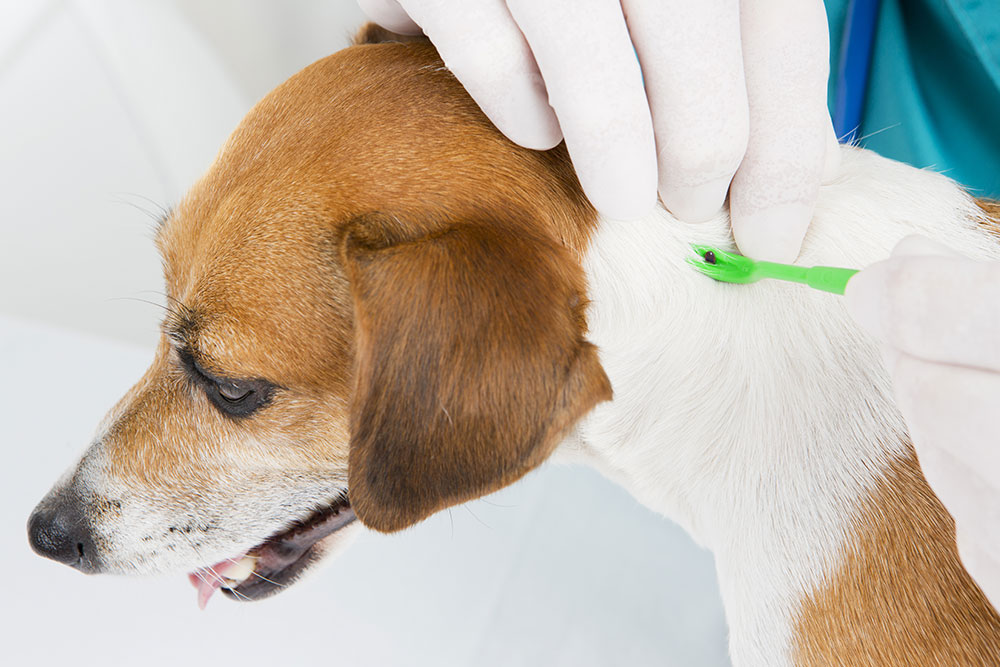
Protecting rabbits from ticks requires a multi-faceted approach focusing on both environmental control and direct repellent measures. A proactive strategy significantly reduces the risk of tick infestations, promoting the rabbit’s overall health and well-being. Understanding the various preventative measures and their respective advantages is crucial for rabbit owners.Effective tick prevention involves a combination of environmental modifications, the judicious use of repellents, and the incorporation of natural deterrents.
A comprehensive approach addresses the multiple ways ticks can come into contact with rabbits, minimizing the chances of infection.
Environmental Management
Maintaining a tick-free environment around rabbit habitats is paramount for preventing infestations. This involves proactive measures that reduce the tick population and their access to rabbits.Regularly clearing tall grass, brush, and leaf litter around the rabbit enclosure and surrounding areas eliminates hiding places and reduces tick populations. Frequent removal of these elements disrupts the tick life cycle, limiting their ability to reproduce and spread.
Furthermore, keeping the area clean and well-maintained minimizes the tick population, effectively reducing the risk of tick exposure for rabbits.
Tick Repellent Products
Several commercially available tick repellent products are formulated for use on rabbits. It is crucial to select products specifically designed for use on animals, adhering to the manufacturer’s instructions.Applying these products correctly is vital for their effectiveness and safety. Products should be applied according to the label instructions, ensuring appropriate dilution and dosage for the rabbit’s size and weight.
Regular checks are necessary to monitor the product’s effectiveness and to ensure it remains intact and does not cause any adverse reactions. The specific application method should be carefully followed to ensure optimal efficacy and to minimize the risk of harming the rabbit.
Natural Tick Deterrents
Natural tick deterrents, such as certain essential oils or herbs, offer an alternative approach to traditional chemical repellents. These options can be part of a comprehensive tick prevention strategy.Essential oils like lavender, peppermint, and citronella, and certain herbs like rosemary and thyme, are known to deter ticks. However, proper dilution is critical to avoid skin irritation or toxicity in rabbits.
Carefully research the specific dilutions and application methods for each natural deterrent to ensure safety and effectiveness. It is recommended to consult with a veterinarian or animal health professional before using natural tick deterrents on rabbits.
Comparison of Prevention Methods
Different prevention methods offer varying degrees of effectiveness and safety profiles. Careful consideration of these factors is crucial in selecting the most suitable approach for individual rabbit needs.Chemical repellents often provide broad-spectrum protection but require careful application to avoid harm to the rabbit. Natural deterrents, while generally safer, may not provide the same level of comprehensive protection. The choice of prevention method should be based on factors such as the rabbit’s health, the severity of the tick infestation, and the availability of natural deterrents in the local environment.
Thorough research and consultation with a veterinarian can help determine the most suitable approach.
Creating a Tick-Resistant Environment
Implementing specific measures to create a tick-resistant environment can significantly minimize the risk of tick exposure for rabbits. These steps involve a combination of environmental control and targeted application of tick prevention products.These measures include maintaining a clean and well-maintained environment around the rabbit habitat, regularly removing tall grass and brush, and ensuring appropriate ventilation. Regularly inspecting the rabbit for ticks and prompt removal are also crucial steps.
Implementing these steps effectively minimizes the rabbit’s exposure to ticks, significantly reducing the risk of infestation.
Removal Procedures
Removing ticks from rabbits safely and effectively is crucial for preventing further complications and ensuring the animal’s well-being. Improper removal methods can lead to infection, tissue damage, or even the tick’s mouthparts remaining embedded. A systematic approach, using appropriate tools and techniques, minimizes risks and maximizes the likelihood of complete tick removal.
Safe and Effective Tick Removal Methods
Proper tick removal techniques are vital to avoid causing harm to the rabbit. Using the right tools and employing gentle pressure is paramount. Aggressive or improper removal can result in the tick’s mouthparts breaking off, leading to infection or further discomfort for the rabbit.
Tick Removal Tools and Their Proper Use
A variety of tools can be used for tick removal. Choosing the appropriate tool is essential to ensure a safe and effective removal process. A fine-tipped, blunt-ended tweezers are generally recommended for rabbits due to their delicate skin.
Potential Risks of Improper Tick Removal Techniques
Improper removal methods can result in several adverse effects on the rabbit. These include infection at the bite site, trauma to the skin, and the potential for the tick’s mouthparts to remain embedded. These complications can lead to further discomfort, inflammation, or even more serious health problems.
Step-by-Step Guide for Removing Ticks from Rabbits
This guide Artikels a safe and effective process for removing ticks from rabbits. Carefully follow each step to ensure the tick is removed completely and safely.
- Gather all necessary supplies. This includes tweezers, antiseptic wipes, a clean cloth, and a container for disposing of the tick.
- Gently restrain the rabbit. A calm and secure environment will minimize stress for the animal.
- Locate the tick. Use a magnifying glass if necessary to locate the tick’s head.
- Using fine-tipped tweezers, grasp the tick as close to the skin as possible.
- Pull the tick steadily and evenly, avoiding twisting or jerking motions.
- Once the tick is removed, apply antiseptic wipes to the area.
- Monitor the rabbit for any signs of discomfort or infection.
- Dispose of the tick in a sealed container to prevent further spread of disease.
Essential Supplies for Tick Removal
These items are crucial for a safe and efficient tick removal process.
- Fine-tipped, blunt-ended tweezers: These are ideal for delicate skin.
- Antiseptic wipes or solution: Use a gentle antiseptic to clean the bite site.
- Clean cloth or paper towel: Used for absorbing any blood or secretions.
- Sealable container: For disposing of the tick to prevent disease transmission.
- Magnifying glass (optional): Helpful for locating the tick’s head.
Comparison of Tick Removal Methods
The following table compares different tick removal methods based on effectiveness and ease of use.
| Method | Effectiveness | Ease of Use | Suitability for Rabbits |
|---|---|---|---|
| Tweezers | High | High | Excellent |
| Tick Removal Tool | High | Medium | Good |
| Other Methods (e.g., petroleum jelly) | Low | Low | Poor – potentially harmful |
Post-Removal Care
Following the careful removal of a tick, appropriate post-removal care is crucial for the rabbit’s well-being. This involves diligent monitoring for any signs of complications and prompt veterinary attention if necessary. Proper wound care and cleaning are essential steps in minimizing potential risks.Post-removal care focuses on preventing secondary infections and managing potential adverse reactions. Close observation of the rabbit is key to recognizing any unusual symptoms that may indicate complications from the tick bite or removal procedure.
Monitoring for Adverse Reactions
Careful observation of the rabbit is paramount after tick removal. This includes noting any changes in behavior, appetite, or overall demeanor. Rabbits may exhibit signs of discomfort, such as lethargy or reduced activity levels, as a result of the tick bite or the removal process.
Potential Complications
Tick bites can introduce bacteria or viruses into the rabbit’s bloodstream, potentially leading to various complications. These include infections, allergic reactions, and the transmission of diseases like Lyme disease (though less common in rabbits compared to other animals). Rarely, tick paralysis can occur. The severity of these complications can vary significantly, depending on the type of tick and the rabbit’s overall health.
Warning Signs Requiring Immediate Veterinary Attention
Recognizing warning signs is critical for prompt veterinary intervention. These include, but are not limited to:
- Persistent redness, swelling, or heat around the bite site.
- Increased pain or discomfort, evident through vocalization, limping, or reluctance to move.
- Difficulty breathing or rapid heart rate.
- Loss of appetite or significant changes in eating habits.
- Lethargy or unusual sleepiness.
- Discharge from the bite site, especially if it’s purulent (pus-filled).
- Visible signs of infection, such as localized abscesses.
- Neurological symptoms, such as seizures, paralysis, or unusual muscle tremors.
Prompt veterinary attention is vital for these signs, as they can indicate a developing infection or other complications.
Topical Ointments or Medications for Wound Care
Using appropriate topical ointments or medications for wound care can help prevent secondary infections. Veterinary consultation is crucial to determine the appropriate medication and dosage for the rabbit’s specific needs. Applying any ointment should be done gently, avoiding excessive pressure or trauma to the wound. Unnecessary use of human medications should be avoided, as they can be harmful to rabbits.
Cleaning Techniques for the Removal Site
Thorough cleaning of the area where the tick was removed is essential to prevent infection. Gentle cleansing with a saline solution or a mild, veterinarian-approved antiseptic solution is recommended. Avoid harsh scrubbing, which could further irritate the skin. Using cotton swabs or soft cloths, gently clean the area, ensuring no debris or remnants of the tick remain.
Veterinary Consultation
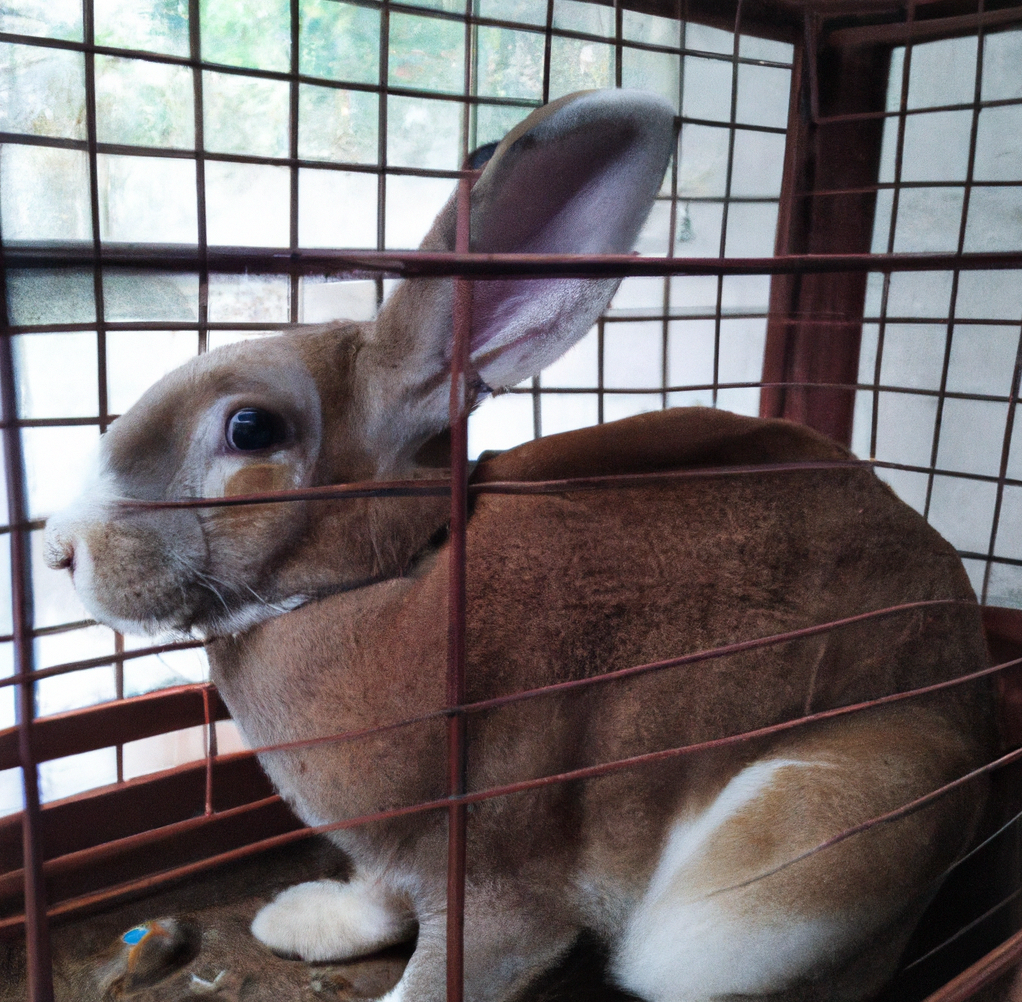
Seeking veterinary advice for tick infestations in rabbits is crucial for effective treatment and preventing potential complications. A veterinarian possesses the expertise to accurately diagnose the extent of the infestation, recommend appropriate treatment, and monitor the rabbit’s response to therapy. Proactive veterinary intervention is often key to ensuring a positive outcome.Professional veterinary guidance is essential to determine the best course of action for your rabbit.
This includes understanding the severity of the infestation, potential underlying health issues, and selecting the most suitable treatment options. Early intervention significantly improves the chances of a complete recovery and minimizes potential long-term consequences.
Importance of Veterinary Advice
Veterinary consultation is vital because tick infestations can sometimes lead to serious health problems in rabbits. Ticks can transmit diseases, cause anemia, and trigger allergic reactions. A veterinarian can diagnose the specific type of tick, assess the overall health of the rabbit, and recommend the most effective treatment plan.
When to Seek Immediate Veterinary Attention
Rabbits exhibiting any of these symptoms should receive immediate veterinary attention:
- Significant lethargy or loss of appetite
- Visible signs of distress, such as labored breathing or difficulty moving
- High fever or noticeable changes in body temperature
- Evidence of neurological problems, including seizures or tremors
- Swelling or inflammation at the site of the tick bite
- Severe anemia or pale gums
- Signs of infection, such as pus or discharge from the bite wound
Prompt veterinary intervention is critical in these cases to prevent the spread of infection or the development of life-threatening conditions.
Preparing for a Veterinary Visit
Thorough preparation for the visit will help ensure a smooth and efficient consultation. Bring the following:
- Detailed information about the rabbit’s medical history, including vaccinations, past illnesses, and any medications.
- A precise description of the symptoms and the timeline of their appearance.
- Any relevant photos of the tick and the affected areas.
- The exact location of the tick bite(s).
- The date of the tick bite(s).
- A sample of the tick, if possible.
- Records of any home remedies or treatments that have been tried.
This preparation assists the veterinarian in making an accurate diagnosis and formulating an effective treatment plan.
Questions to Ask a Veterinarian
A well-informed approach will ensure the rabbit receives the best possible care.
- What is the likely cause of the tick infestation?
- What is the risk of tick-borne diseases in the region?
- What diagnostic tests are necessary to determine the severity of the infestation?
- What treatment options are available, and what are their potential side effects?
- What is the estimated recovery time for the rabbit?
- What preventive measures can be taken to prevent future infestations?
- What is the cost of the treatment?
Diagnostic Procedures
Veterinarians utilize various methods to diagnose tick infestations and assess the rabbit’s health.
- Physical examination: A thorough examination of the rabbit, including checking for signs of anemia, inflammation, and any other abnormalities.
- Complete blood count (CBC): A CBC assesses the rabbit’s red blood cell count and other blood parameters to determine if anemia or other blood disorders are present.
- Fecal examination: This analysis can help detect any parasites or infections present in the digestive tract.
- Tissue samples: Biopsies or other tissue samples might be taken from affected areas for laboratory analysis.
- Tick identification: The identification of the tick species will help determine if the tick is a vector for diseases.
Potential Veterinary Treatments
This table Artikels potential veterinary treatments for tick infestations in rabbits:
| Treatment | Description | Potential Side Effects |
|---|---|---|
| Topical Medications | Medicated creams or ointments applied directly to the affected area. | Possible skin irritation or allergic reactions. |
| Oral Medications | Medications administered orally to treat infection or disease. | Possible digestive upset or other adverse reactions. |
| Surgical Removal | Surgical removal of ticks, particularly if embedded deeply. | Potential for bleeding or infection at the surgical site. |
| Supportive Care | Providing fluids, nutrition, and pain relief to manage symptoms. | May not directly address the tick infestation but helps manage symptoms. |
Environmental Considerations
Maintaining a clean and hygienic environment around rabbit habitats is crucial for preventing tick infestations. Ticks thrive in specific conditions, and by understanding these factors, rabbit owners can proactively reduce the risk to their beloved companions. Proper environmental management plays a significant role in minimizing the tick population and the likelihood of your rabbit contracting a tick-borne illness.Environmental factors significantly influence tick populations.
Understanding these factors is essential for developing effective prevention strategies. This includes identifying high-risk areas, managing vegetation, and implementing measures to prevent tick entry into rabbit enclosures. A proactive approach to environmental hygiene is often the most effective way to protect rabbits from ticks.
Importance of Cleanliness
A clean environment minimizes tick breeding grounds. Regularly removing debris, dead leaves, and tall grass from around the enclosure and surrounding areas reduces the hiding places and food sources for ticks. Keeping the enclosure floor and surrounding areas free of accumulated organic matter disrupts the tick life cycle. This simple practice helps break the cycle and drastically reduces tick populations.
High-Risk Areas for Tick Infestations
Ticks favor humid, shady areas with dense vegetation. Woodpiles, overgrown bushes, and tall grass provide ideal conditions for tick populations to flourish. Moist areas near bodies of water or damp soil are also high-risk environments for ticks. Recognizing these locations allows for targeted preventative measures.
Role of Vegetation in Tick Populations
Vegetation plays a significant role in tick survival and reproduction. Tall grass, shrubs, and weeds provide hiding places and food sources for ticks, and they often serve as a bridge for ticks to move to other areas. Dense vegetation provides the perfect microclimate for ticks to thrive, making these areas a significant source of infestation.
Managing Vegetation to Reduce Tick Populations
Controlling vegetation around rabbit enclosures is crucial for reducing tick populations. Regular mowing of grass and trimming of shrubs and weeds reduces hiding places and food sources. Removing leaf litter and debris helps to reduce humidity and disrupt the tick life cycle. This targeted approach can be highly effective in limiting the tick population.
Preventing Tick Entry into Rabbit Enclosures
Preventing ticks from entering rabbit enclosures is an essential preventative measure. Keeping the enclosure perimeter clear of vegetation reduces access points for ticks. Using tick-resistant materials for enclosure construction, such as metal or wire mesh, can help to limit tick entry. A barrier of gravel or sand around the enclosure base can discourage ticks from crawling in.
Environmental Control Measures
| Control Measure | Description |
|---|---|
| Regular Lawn Mowing | Maintaining short grass around the enclosure and surrounding areas. |
| Weed Control | Removing weeds and unwanted vegetation to reduce hiding places. |
| Debris Removal | Regularly removing leaf litter, dead leaves, and other debris. |
| Perimeter Treatment | Creating a barrier around the enclosure using gravel, sand, or other materials to prevent tick entry. |
| Enclosure Inspection | Regularly checking the enclosure for ticks and signs of infestation. |
| Environmental Monitoring | Keeping track of local tick activity reports and adapting prevention strategies accordingly. |
Rabbits’ Natural Defenses

Rabbits, by nature, possess certain mechanisms to defend against tick infestations. Understanding these natural defenses can help rabbit owners better manage tick populations and support their pet’s well-being. A combination of grooming, physiological traits, and dietary factors play crucial roles in a rabbit’s tick resistance.Rabbits employ various strategies to minimize tick burdens, including their inherent grooming behaviors and physical attributes.
These strategies often work in conjunction with environmental factors and diet, creating a complex interplay that influences their overall tick resistance.
Grooming Habits and Tick Removal
Rabbits are meticulous groomers. This constant self-grooming plays a significant role in removing ticks from their fur. The act of grooming not only removes ticks but also helps to distribute natural oils throughout the coat, which can have a repellent effect on some tick species. Regular and thorough grooming by the owner can further enhance this natural defense mechanism.
A rabbit’s meticulous grooming behavior is a crucial factor in preventing tick infestations.
Rabbit Breeds and Susceptibility
Certain rabbit breeds may exhibit varying levels of susceptibility to ticks. While no breed is entirely immune, some factors like coat length and texture can influence the ease with which ticks attach. Shorter-haired rabbits might be less prone to harboring ticks due to less surface area for tick attachment, while long-haired rabbits might need more frequent grooming to prevent tick accumulation.
Impact of Diet on Tick Resistance
A healthy and balanced diet provides rabbits with the necessary nutrients to support their overall well-being, including their immune system. A diet rich in essential vitamins and minerals can strengthen their natural defenses against ticks. A diet deficient in certain nutrients might compromise their immune response, making them more susceptible to tick infestations.
Summary of Natural Tick Protection Mechanisms
Rabbits possess a range of natural defenses against ticks. These include:
- Constant Self-Grooming: This crucial behavior helps remove ticks and distribute natural oils that may deter some tick species.
- Coat Characteristics: Coat length and texture can affect the ease of tick attachment and removal. Shorter coats may offer less surface area for ticks to attach.
- Diet and Nutrition: A balanced diet with adequate vitamins and minerals strengthens the rabbit’s immune system, aiding in its natural resistance against ticks.
By understanding and supporting these natural defenses, rabbit owners can contribute to their pet’s well-being and reduce the risk of tick infestations.
Closing Notes

In conclusion, protecting rabbits from ticks requires a multi-faceted approach that encompasses environmental management, preventative measures, and proper removal techniques. By combining knowledge of tick identification, prevention strategies, and post-removal care, you can ensure the health and happiness of your rabbit companions. Remember, prompt veterinary consultation is essential if you suspect a severe infestation or adverse reactions.