Protecting your beloved rabbits from predators is crucial for their well-being and safety. This comprehensive guide delves into the essential strategies for creating a secure environment, from selecting appropriate fencing to understanding predator behavior. A well-designed enclosure and proactive measures are key to ensuring your rabbits thrive.
This guide covers a range of crucial aspects, including various fencing options, enclosure design considerations, predator deterrents, and crucial rabbit husbandry practices. It also provides valuable insights into identifying and managing potential threats, as well as emergency preparedness plans. Ultimately, this information empowers rabbit owners to safeguard their companions.
Fencing Strategies

Protecting rabbits from predators hinges significantly on robust and well-designed fencing. A suitable enclosure acts as a crucial barrier, preventing access by various potential threats. Careful consideration of materials, height, depth, and predator-specific adaptations are vital for effective rabbit safety.Effective fencing is paramount for rabbit security. It not only deters predators but also creates a safe space for the rabbits to thrive.
This section delves into the intricacies of fencing strategies, outlining various materials, heights, depths, and methods for deterring digging predators. Successful fencing implementations will be examined, highlighting key features that contribute to the safety of the rabbits.
Types of Fencing Materials
Proper fencing material selection is critical for rabbit protection. Different materials offer varying degrees of resistance to different predators. Understanding the strengths and weaknesses of each is essential for creating an effective enclosure.
- Wire Mesh: Commonly used, wire mesh provides a relatively affordable barrier. However, its strength against determined predators like foxes or dogs is limited. Smaller animals like raccoons can often squeeze through openings. Mesh size is crucial, with finer mesh being more secure.
- Wooden Fencing: Solid wooden fencing offers good protection against smaller predators. However, it’s less effective against burrowing predators like badgers or foxes, and may not be as durable as other materials.
- Metal Fencing: Metal fencing, particularly galvanized steel, is robust and durable, offering strong resistance to most predators. The material’s strength makes it an excellent choice for protecting against larger animals like dogs or foxes. However, it can be more expensive than other options.
- Hardware Cloth: A strong, heavy-duty material, hardware cloth is highly effective against burrowing animals. Its small mesh size prevents most predators from accessing the enclosure.
Fencing Height and Depth
The effectiveness of fencing is greatly influenced by its height and depth. The appropriate height and depth vary depending on the target predator.
| Predator | Recommended Fencing Height (in) | Recommended Fencing Depth (in) | Additional Considerations |
|---|---|---|---|
| Fox | 48 | 12 | Burrowing prevention crucial; bury at least 12 inches. |
| Dog | 48-60 | 12-18 | Consider additional security measures if large breeds are a concern. |
| Raccoon | 36 | 6 | Smaller openings make access easier; use finer mesh. |
Rabbit-Proof Fence Plan
A well-structured plan is essential for creating a secure rabbit enclosure.
A basic rabbit-proof fence should be at least 4 feet high, with the bottom portion buried at least 12 inches deep to prevent digging predators.
A diagram illustrating a basic rabbit-proof fence plan would include:
- Dimensions (height and depth) for the fence.
- Material specifications (type of mesh or wire, wood thickness).
- Method for burying the bottom portion of the fence.
- Entry/exit points with appropriate security measures.
Deterrent Methods for Digging Predators
Preventing digging predators requires a multi-faceted approach.
- Burying the Fence: A critical element is burying the bottom portion of the fence, often at least 12 inches deep. This effectively prevents digging predators from gaining access beneath the fence.
- Gravel or Rocks: A layer of gravel or rocks at the base of the fence can deter digging and make it more challenging for predators to excavate.
- Metal or Concrete Barrier: A metal or concrete barrier extending at least a few inches below the ground level can create an impenetrable barrier for burrowing predators.
Mesh, Wire, and Other Materials
The choice between mesh, wire, and other materials depends on the specific needs of the enclosure.
- Mesh: Provides excellent visibility and allows air circulation. However, the mesh size needs careful consideration to prevent small predators from entering.
- Wire: Generally stronger and more durable than mesh, but can be more expensive. It’s crucial to use sturdy wire and ensure the gaps are small enough to prevent entry.
- Other Materials: Consider other materials like concrete blocks or PVC pipes, particularly in areas with high risk of digging predators. These offer an additional layer of protection.
Successful Fencing Implementations
Successful fencing implementation relies on careful planning and attention to detail.
- Example 1: A farmer successfully protected his rabbits from foxes by using a 48-inch high wire mesh fence buried 12 inches deep. The addition of a gravel barrier around the base of the fence further deterred digging.
- Example 2: A homeowner successfully protected their rabbits from raccoons by using a 36-inch high, fine-mesh wire fence. The fence was reinforced with additional stakes and posts for added stability.
Enclosure Location and Design
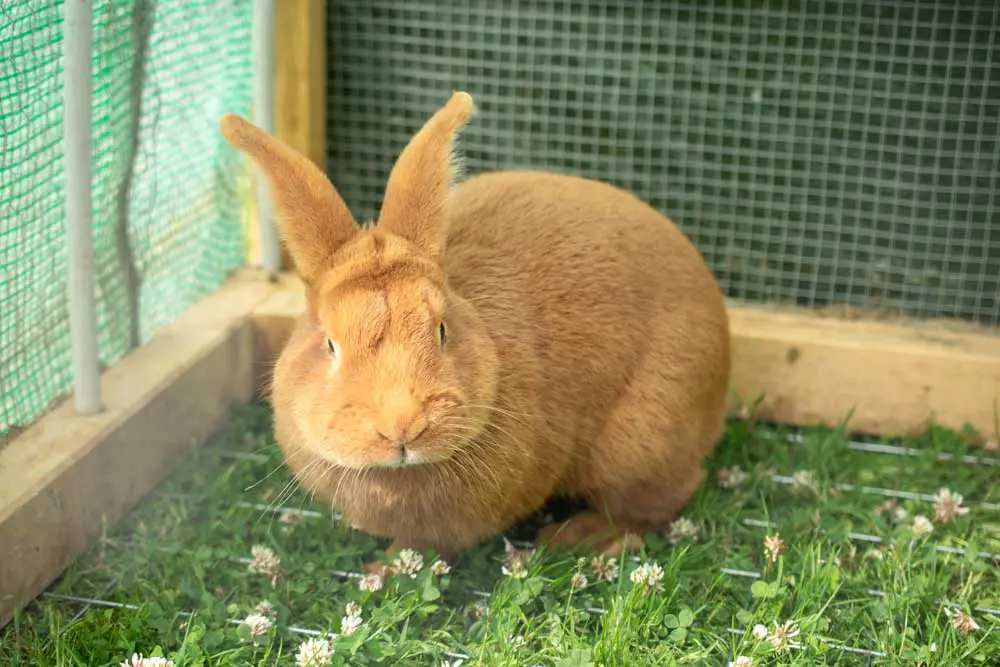
Proper enclosure location and design are critical for protecting rabbits from predators. Careful consideration of the surrounding environment and the specific needs of the rabbits will significantly enhance their safety and well-being. This involves understanding predator activity, terrain features, and appropriate enclosure dimensions.A well-designed enclosure provides a safe haven, minimizing the risk of predation. This is achieved by a combination of physical barriers and careful site selection, incorporating natural elements where possible.
Rabbits require a secure space to feel safe and thrive.
Ideal Locations for Rabbit Enclosures
Choosing the right location for a rabbit enclosure is essential. Areas with lower predator activity and natural cover provide a significant advantage. Avoid locations directly adjacent to heavily trafficked areas or places with dense, tall vegetation where predators can easily ambush rabbits. Consider the terrain. Slopes or areas with easy access points for predators should be avoided.
Areas with natural barriers, like dense shrubbery or rocky outcroppings, offer additional protection.
Perimeter Security
A secure perimeter is paramount. The enclosure’s fencing should extend at least 12 inches into the ground to deter digging predators, and the top should be covered to prevent climbing. A wire mesh is recommended, with small enough holes to prevent predators from getting through. Consider using heavy-duty, galvanized wire to increase the fence’s durability. Solid materials like concrete or brick walls can also be employed, but fencing materials should be regularly inspected and maintained for damage.
Enclosure Size and Shape
The size and shape of the enclosure should accommodate the needs of the rabbits. Ensure ample space for movement, resting, and foraging. A minimum enclosure size of 10 square feet per rabbit is recommended for a single rabbit. Enclosures should be designed to allow for natural movement and access to resources. A rectangular or square shape is often suitable, with multiple access points for easy maintenance and rabbit movement.
A larger, multi-level enclosure can be beneficial, offering more space and hiding places for rabbits.
Incorporating Natural Barriers
Strategic use of natural barriers enhances enclosure security. Dense bushes, shrubs, and rocky outcroppings can create natural barriers, discouraging predators from entering. Place these barriers around the perimeter of the enclosure, strategically placed to maximize their effectiveness. These natural elements can be integrated into the enclosure design to provide visual and physical obstacles to predators.
Enclosure Design Comparison
| Enclosure Design | Pros | Cons | Suitability for Predators |
|---|---|---|---|
| Elevated Enclosure | Enhanced predator deterrence; Reduced ground-level threats; Easier access and maintenance | Potential for climbing predators; Can be more expensive to construct; Requires careful consideration of support structures | Good for ground predators; less effective against climbing predators |
| Run-in/Hutch System | Allows for controlled access; Can be integrated with existing structures; More affordable for smaller enclosures | Can be more vulnerable to predators; Potential for escapes; May not provide adequate space for larger breeds | Suitable for smaller, less mobile predators; may not be adequate for larger, more active predators |
| Underground Enclosure | Excellent predator deterrence; Suitable for digging predators; Offers maximum protection | Can be very expensive to construct; Requires extensive excavation; May not be suitable for all terrain | Very effective against most predators, including digging predators |
Geographic Variations and Predator Influence
Predator types vary geographically, impacting enclosure design choices. In areas with coyotes, foxes, or bobcats, elevated enclosures or those with secure perimeters are recommended. In areas with raccoons or weasels, secure fencing and the incorporation of natural barriers are essential. For areas with owls, hawks, or other aerial predators, consider netting or other overhead protection.
- In areas with high raccoon populations, the design should incorporate measures to prevent them from reaching the enclosure through gaps in the fencing or by climbing over barriers.
- Consider the potential for neighborhood cats, dogs, or other domestic animals, as these can also pose a threat to rabbits and should be taken into account in the design and location of the enclosure.
- In rural areas with larger predators like coyotes, a larger and more robust enclosure design is crucial, potentially including additional layers of protection or elevated structures.
Predator Deterrents
Protecting rabbits from predators requires a multifaceted approach, encompassing robust fencing, suitable enclosure locations, and strategic deterrent measures. This section details various methods to deter predators, ranging from natural repellents to human-made devices. Understanding the effectiveness of each deterrent against different predator types is crucial for creating a safe environment for your rabbits.
Natural Deterrents
Natural deterrents often provide a cost-effective and environmentally friendly solution for rabbit protection. These methods typically rely on repelling predators through scent or sound, rather than directly harming them. Many are also a way to enhance the rabbit’s habitat.
- Plants with strong scents: Certain plants emit strong scents that can deter predators. Examples include lavender, rosemary, and peppermint. Planting these around the rabbit enclosure can create a less appealing environment for predators. Note that some plants may also be harmful to rabbits if ingested, so thorough research and careful selection are vital.
- Predatory animal scents: Using scents associated with predators (such as fox or coyote urine) can deter potential threats. These scents create a sense of threat, making the area less desirable for predators. However, the effectiveness varies depending on the predator species. The use of these scents should be carefully considered and may need to be reapplied frequently.
- Natural barriers: Natural barriers, such as dense shrubs or tall grasses, can act as physical deterrents. These barriers provide cover and make it more difficult for predators to approach the rabbits. Ensure that these barriers are robust enough to withstand the elements and do not allow easy access for the predators.
Human-Made Deterrents
Human-made deterrents offer a wider range of options for predator control. They often provide more immediate and noticeable effects compared to natural deterrents.
- Motion-activated sprinklers: These devices are effective against a variety of predators, including foxes, raccoons, and dogs. The sudden burst of water can startle and deter predators from approaching the enclosure. The effectiveness depends on the sprinkler’s intensity and range.
- Noisemakers: Sound-based deterrents, such as ultrasonic devices or motion-activated sirens, can also deter predators. These devices can emit sounds that are unpleasant to predators but generally harmless to rabbits. Their effectiveness can vary depending on the predator type and the specific noise produced.
- Fencing enhancements: Adding additional layers of protection to existing fencing, such as electrified wires or barbed wire, can deter predators. These additions should be strategically placed and maintained to ensure their effectiveness. It’s crucial to assess the risk and potential dangers to rabbits when employing such measures.
Scent Deterrents
Scent deterrents can be a useful tool for deterring predators.
- Predator urine/scents: Using the urine or scents of predators that prey on rabbits can create a sense of threat, making the area less desirable for predators. However, this method requires careful application and can be ineffective against persistent predators. Ethical considerations and the potential impact on the local ecosystem should be considered when using these deterrents.
Comparison and Evaluation
The effectiveness of various deterrents can differ depending on the predator species and the specific environment. Factors such as the size of the enclosure, the type of vegetation, and the presence of other animals can influence the effectiveness of different deterrents.
Table of Deterrent Pros and Cons
| Deterrent | Pros | Cons | Cost | Maintenance |
|---|---|---|---|---|
| Motion-activated sprinklers | Effective against many predators, relatively low cost | Can be disruptive to rabbits if not properly positioned, water waste if not managed well | Moderate | Moderate |
| Noisemakers | Relatively low cost, can deter a wide range of predators | May not be effective against persistent or intelligent predators, can be disruptive to rabbits or neighbors | Low to Moderate | Low |
| Predator urine/scents | Relatively low cost, effective for some predators | Potentially ineffective, needs frequent application, can impact ecosystem, ethical concerns | Low | Moderate to High |
| Natural barriers | Cost-effective, environmentally friendly | Can be less effective against determined predators, may require significant upfront investment | Low | Low |
Rabbit Husbandry Practices
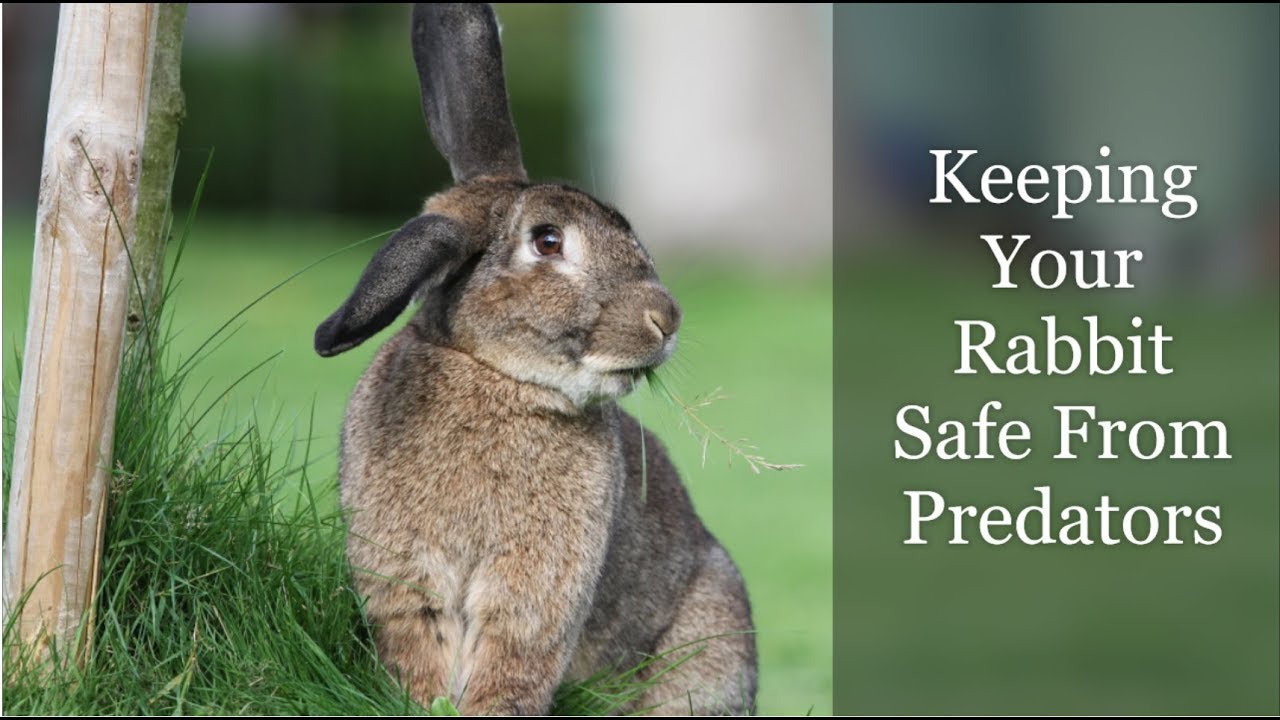
Proper rabbit husbandry is crucial for ensuring the well-being of these animals and enhancing their chances of survival in predator-prone environments. A well-cared-for rabbit is more resilient to stress and injury, making it less susceptible to predation. This section details key aspects of rabbit care, focusing on breed selection, monitoring, feeding, and recognizing potential problems.Selecting the right breed plays a significant role in predator resistance.
Some breeds possess physical characteristics that make them slightly more formidable or better suited for specific environments. Careful consideration of the local predator threats should influence the breed choice.
Breed Selection for Predator Environments
Different rabbit breeds possess varying levels of temperament and physical attributes. Understanding these differences is essential for choosing rabbits that can better withstand local threats. For example, breeds with denser coats may offer a degree of insulation and protection from cold weather and possibly some minor predator encounters. Similarly, breeds with a more alert nature might be better equipped to detect and respond to potential dangers.
- Larger breeds, such as Flemish Giants, might be more formidable against smaller predators like foxes or weasels due to their size and weight.
- Breeds with a higher tolerance for cold may be more suitable for regions with harsher climates, which can indirectly impact their resilience to predators.
- Breeds known for their alertness and vigilance, like the Dutch, are more likely to detect potential threats and warn others in the enclosure.
Consistent Monitoring of Rabbits and Surroundings
Regular observation of rabbits’ behavior and the environment is vital for early detection of predator activity. Rabbits are prey animals, so they have evolved to be acutely aware of danger. Recognizing subtle changes in their behavior can alert you to potential problems.
- Changes in behavior, such as increased alertness, hiding, or a sudden change in feeding patterns, can indicate the presence of a predator.
- Signs of predation, such as missing rabbits or signs of struggle, are clear indicators that the enclosure may be compromised.
- Inspecting the enclosure for any signs of damage or predator tracks, including paw prints, droppings, or scratches, is a crucial component of vigilance.
Feeding and Watering Practices
Adequate nutrition is critical for maintaining rabbit health and strength. Healthy rabbits are better able to withstand stress and injury, making them less vulnerable to predation.
- A balanced diet, consisting of appropriate hay, pellets, and fresh vegetables, ensures optimal health and energy levels. Avoid overfeeding.
- Fresh water should always be available. Clean water is crucial for hydration and preventing illness.
- Avoid overfeeding sugary treats or high-calorie foods, which can lead to obesity and make the rabbits more susceptible to illness and injury.
Identifying Stress and Injury Signs
Recognizing signs of stress or injury in rabbits is essential for timely intervention and potentially saving their lives. Stress can weaken their immune system, making them more vulnerable to predators.
- Stress may manifest in changes in appetite, excessive grooming, restlessness, or aggression. Sudden changes in behaviour could also indicate stress or illness.
- Injury might involve wounds, limping, or difficulty moving. Even subtle injuries can become severe quickly, if left untreated.
Caring for Injured Rabbits
Prompt and appropriate care for injured rabbits is crucial for their recovery. First aid can be a lifesaver.
- Isolate the injured rabbit from the others to prevent further injury and to allow for more focused care.
- Assess the injury carefully, and seek veterinary assistance promptly for more serious wounds or injuries. This will allow for professional care to ensure the rabbit’s full recovery.
- Clean any wounds with a mild antiseptic solution and apply a protective bandage. Consult a veterinarian or a rabbit-care specialist for advice on wound care.
Preventative Measures
Implementing preventative measures can significantly reduce rabbit vulnerability to predators. These measures are important for both maintaining the rabbit’s safety and for protecting them from future attacks.
- Secure fencing is the primary defense against most predators. Reinforce and inspect the fence regularly.
- Predator deterrents, such as motion-activated sprinklers or noisemakers, can discourage predators from approaching the enclosure.
- Regular monitoring of the enclosure and rabbit behavior is critical to identifying and responding to potential threats promptly.
Predator Identification and Management
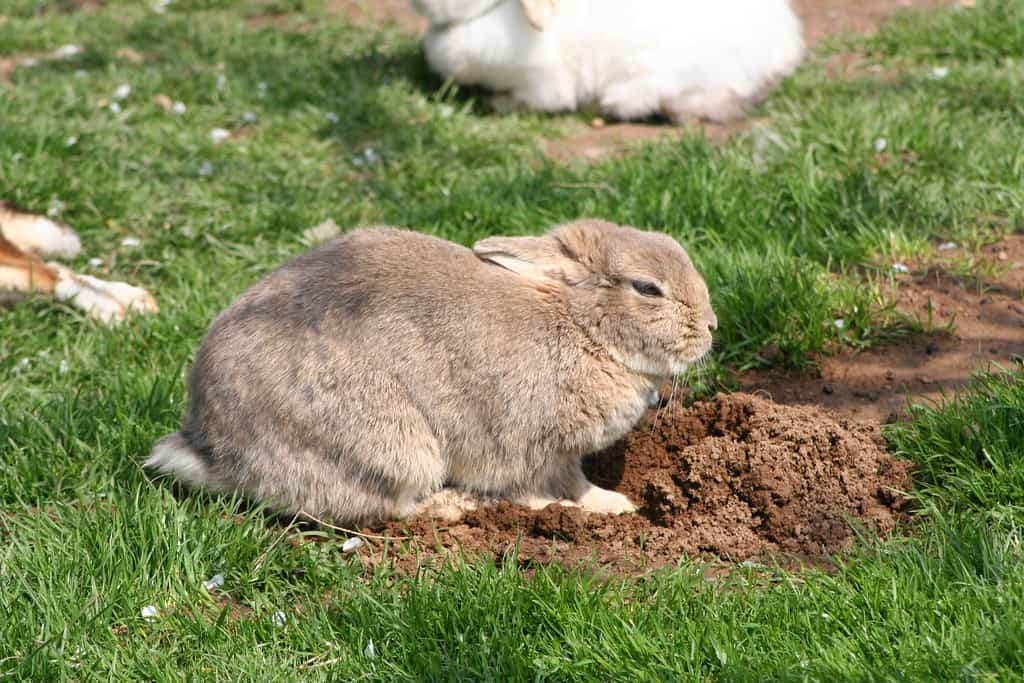
Protecting rabbits from predators requires a thorough understanding of potential threats and effective management strategies. Knowing the local predators, their habits, and how to identify their presence is crucial for developing a comprehensive defense plan. This proactive approach will significantly enhance the safety and well-being of your rabbits.Identifying the specific predator is paramount to tailoring protective measures. Different predators have varying hunting techniques and preferences, necessitating different strategies for deterring them.
For instance, a fox might be deterred by a robust fence, whereas a raccoon might be better addressed by secure storage of attractants.
Common Rabbit Predators by Region
Understanding the common predators in your specific region is fundamental. Local wildlife agencies or agricultural extension services are excellent resources for this information. For example, in North America, coyotes, foxes, hawks, owls, and weasels are frequent rabbit predators, while in Australia, foxes and feral cats pose significant threats. Knowledge of these regional variations is essential for tailored protection.
Predator Presence Indicators
Recognizing signs of predator activity is vital for early intervention. These indicators might include disturbed soil, tracks, scat, or unusual noises around the enclosure. For example, fresh tracks in the vicinity of the enclosure strongly suggest a recent encounter. The presence of prey remains, such as fur or bones, can also be a clear sign of predation.
A keen eye for these indicators can significantly reduce the risk of attacks.
Importance of Predator Identification
Identifying the specific predator allows for the implementation of targeted strategies. Different predators necessitate different deterrents. A fox, for instance, may be effectively repelled by a taller, electrified fence, whereas a small predator like a weasel might require a more intricate barrier around the base of the enclosure.
Responsible Predator Management
Responsible predator management is integral to a rabbit-friendly environment. This involves understanding the natural role of predators in the ecosystem while safeguarding your rabbits. Avoidance of methods that cause unnecessary harm to the predator population is crucial. For instance, traps should be humane and only used as a last resort. Consider the potential impact of predator control on the broader ecosystem when implementing measures.
Actions When a Predator is Sighted
If a predator is observed near the rabbit enclosure, swift and appropriate action is necessary. Assess the situation and prioritize the safety of your rabbits. If the predator is a small, non-aggressive animal, like a raccoon, you can attempt to deter it with noisemakers. For larger, more dangerous predators, like coyotes, immediate removal of the rabbits to a secure location is the priority.
Preventing Predator Attraction
Preventing predator attraction to the area is a critical preventative measure. Remove potential food sources, such as leftover food scraps or unsecured garbage. Regularly maintain the enclosure and surrounding area to eliminate potential hiding spots. These preventative measures will create a less attractive environment for predators, thus safeguarding your rabbits.
Emergency Preparedness

Protecting rabbits from predators requires proactive measures, but unfortunately, emergencies can still arise. Having a comprehensive emergency plan in place is crucial for minimizing harm and ensuring the well-being of your rabbits in the event of an attack. This section details crucial aspects of responding to such incidents, from assessing the situation to providing immediate care and ensuring proper veterinary attention.
Responding to a Predator Attack
Swift action is paramount during a predator attack. Rabbits are vulnerable animals, and rapid response can significantly influence the outcome. Initial steps involve immediately removing the rabbit from the immediate danger zone, minimizing further exposure to the threat. Assess the rabbit for visible injuries, such as bites, scratches, or broken bones. A quick and calm evaluation of the situation is critical.
Equipment and Supplies for Emergencies
Having the right tools and supplies readily available can significantly impact the success of emergency treatment. A well-stocked first-aid kit for rabbits should include antiseptic wipes, bandages (appropriate sizes), pain relievers (as directed by a veterinarian), and tweezers. Essential equipment should include a carrier for safe transport to the veterinarian, a thermometer for measuring body temperature, and a clean towel or blanket for comfort.
Knowing where these supplies are located and having them easily accessible will prove invaluable in an emergency.
Assessing the Severity of an Attack
Assessing the severity of an attack is crucial for determining the appropriate course of action. Consider the type of predator involved and the duration of the attack. Significant blood loss, difficulty breathing, or signs of shock (pale gums, lethargy) suggest a serious injury requiring immediate veterinary attention. A minor bite or scratch might require less immediate intervention but should still be monitored for infection.
Emergency Procedures for Injured Rabbits
Injured rabbits need immediate care and prompt transportation to a veterinarian. Maintaining warmth and stability are essential. Wrap the rabbit gently in a clean, soft cloth to minimize movement and stress. Keep the rabbit calm and quiet during transportation. Avoid rough handling or jostling.
Providing a safe and secure environment is paramount. Always transport the rabbit in a suitable carrier to prevent further injury.
Transportation and Veterinary Care
Safe transportation is critical. Use a carrier designed for small animals. Ensure the rabbit is properly secured to prevent movement or escape. Document the nature of the injury, the time of the incident, and any unusual behaviors observed before, during, and after the attack. Provide this information to the veterinarian during the consultation.
Open communication with the veterinarian is crucial for successful treatment.
Case Studies of Successful Emergency Responses
Numerous cases highlight the importance of prompt action and appropriate veterinary care. One case involved a rabbit that experienced a fox attack. Quick removal from the enclosure, immediate cleaning of wounds, and prompt veterinary treatment resulted in the rabbit’s recovery. This illustrates the critical need for swift response and proper veterinary care in such incidents. A second case involved a raccoon attack, and similar swift action and veterinary care resulted in successful recovery.
Emergency Response Steps for Various Predators
| Predator Type | Initial Actions | Assessment | Treatment | Transportation ||—|—|—|—|—|| Fox | Secure rabbit immediately, remove from area. | Check for bites, scratches, broken bones. | Clean wounds, provide pain relief (if appropriate). | Secure in carrier. || Raccoon | Secure rabbit, remove from area.
| Check for bites, scratches, broken bones. | Clean wounds, provide pain relief (if appropriate). | Secure in carrier. || Owl | Secure rabbit, remove from area. | Check for bites, scratches, broken bones.
| Clean wounds, provide pain relief (if appropriate). | Secure in carrier. || Dog | Secure rabbit, remove from area. | Check for bites, scratches, broken bones. | Clean wounds, provide pain relief (if appropriate).
| Secure in carrier. |
Ultimate Conclusion
In conclusion, protecting rabbits from predators requires a multi-faceted approach encompassing robust fencing, strategic enclosure design, effective deterrents, and diligent rabbit care. By understanding the specific needs of your rabbits and the potential threats in your area, you can create a safe haven for your furry friends. This comprehensive guide provides a detailed roadmap for successful rabbit protection, emphasizing proactive measures and preparedness for unforeseen circumstances.