Knowing if rabbits can live together harmoniously is crucial for their well-being. Understanding their social structures, individual temperaments, and the factors that influence their compatibility is key to preventing potential conflicts and ensuring a positive experience for all involved. This guide provides a comprehensive approach to rabbit cohabitation, covering everything from initial introductions to ongoing maintenance.
Rabbit compatibility isn’t a simple yes or no answer. A careful evaluation of individual rabbits’ needs, personalities, and living conditions is paramount to success. This involves understanding the various factors that can influence their interactions, such as age, sex, and past experiences. Proper preparation and a gradual introduction process are vital for minimizing potential conflicts.
Introduction to Rabbit Compatibility
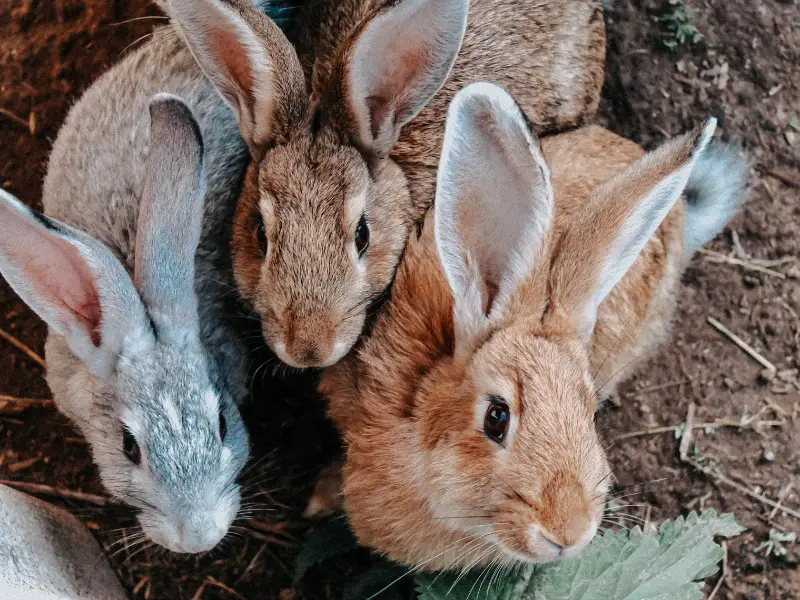
Rabbits, despite their charming appearance, are complex social creatures with specific needs and temperaments. Understanding their natural behaviors and social structures is crucial for ensuring their well-being, especially when introducing them to other rabbits. Compatibility isn’t simply a matter of putting two rabbits together; it requires careful consideration of individual personalities and preparation.Successfully housing rabbits together requires an in-depth understanding of their individual characteristics and the potential for conflicts.
A well-planned introduction and ongoing monitoring are vital for maintaining harmony and preventing aggression or stress. Misconceptions about rabbit compatibility can lead to costly and potentially harmful outcomes for the animals involved.
Rabbit Social Structures and Behaviors
Rabbits are naturally social animals, though their social structures are nuanced and complex. They live in groups called “warrens” in the wild, which often include a dominant hierarchy. Understanding these hierarchies and the potential for conflict is vital for success when keeping multiple rabbits together. Aggression can arise from competition for resources like food, water, or space.
Individual rabbits may have different levels of tolerance and social needs, which must be factored into the compatibility assessment.
Importance of Temperament and Needs
Before introducing rabbits, understanding their individual temperaments and needs is paramount. Observe each rabbit’s behavior: how they interact with humans, their reaction to novel situations, and their comfort levels with physical touch. Consider factors such as age, sex, and previous experiences. A rabbit that is shy or fearful may not adapt well to a new environment or another rabbit.
Common Misconceptions
Common misconceptions about rabbit compatibility include the belief that any two rabbits will automatically get along. Size, breed, and even age do not guarantee compatibility. Similarly, the belief that a rabbit’s behavior can be quickly altered is also a common misconception. Rabbits are complex individuals with unique personalities. Changes in their environment or the addition of another rabbit must be approached with patience and sensitivity.
Potential Risks of Improper Preparation
Improper preparation can lead to serious consequences for the rabbits. Uncontrolled aggression can lead to injuries, stress, and even death. Aggressive behaviors can escalate rapidly, causing irreparable damage. The rabbits may develop long-term behavioral problems. Furthermore, stress can affect a rabbit’s health and well-being.
Breed Compatibility Comparison
The compatibility of different rabbit breeds varies. Some breeds are known for being more docile and less prone to aggression, while others are more independent and territorial. A comparison table, while not exhaustive, can offer insight into the potential compatibility of different breeds.
| Breed | General Temperament | Compatibility Notes |
|---|---|---|
| Dutch | Generally friendly and sociable | Can be good companions for other Dutch or similar breeds. |
| Rex | Usually docile and relatively easy-going | Tend to be good companions with other Rex rabbits. |
| Flemish Giant | Generally calm and tolerant | May be good companions for other large breeds. |
| English Angora | Often outgoing and friendly | Can be good companions with other Angora rabbits. |
| Dwarf Lop | Can be energetic and playful | Might require careful introduction to other rabbits. |
Compatibility is not guaranteed and depends on the individual rabbit’s personality. Careful observation and preparation are essential.
Factors Influencing Rabbit Compatibility
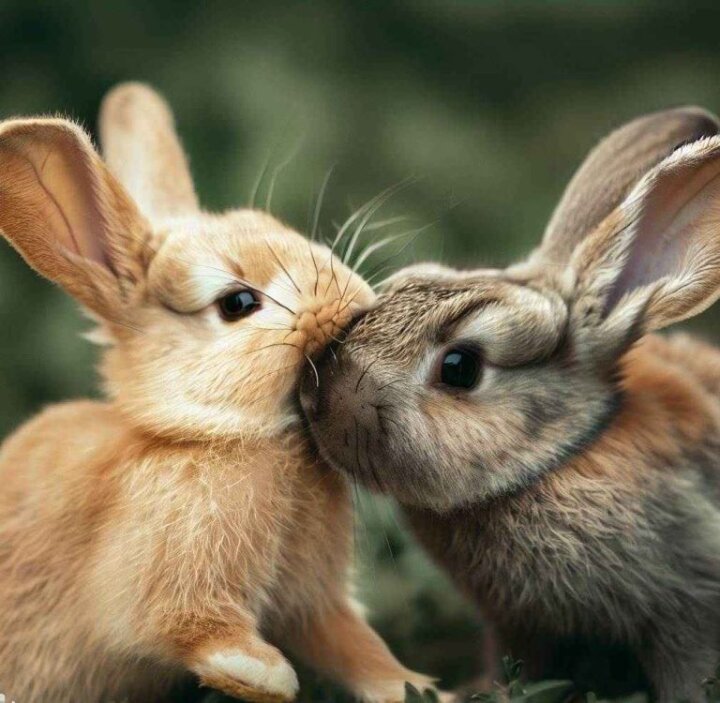
Understanding the factors that influence rabbit compatibility is crucial for ensuring the well-being and happiness of all individuals in a household. A harmonious environment fosters strong bonds, reduces stress, and promotes a positive experience for all rabbits. This section delves into the key elements that contribute to successful rabbit cohabitation.Compatibility is not a guaranteed outcome, even with careful planning.
Factors such as age, sex, personality, previous experiences, and the environment all play significant roles in determining how rabbits will interact. By understanding these influences, rabbit owners can take proactive steps to create an environment that supports positive interactions.
Age and Personality Differences
Age-related differences in rabbits can significantly impact their compatibility. Younger rabbits may be more playful and prone to conflict, whereas older rabbits may be more reserved or less tolerant of boisterous interactions. Personality also plays a crucial role. Some rabbits are naturally more sociable and enjoy the company of others, while others may be more independent or shy.
Recognizing these differences helps in choosing rabbits that are likely to get along.
Sex and Introduction
Introducing rabbits to each other requires a gradual and controlled process. Rabbits of the same sex can sometimes exhibit more aggression than those of opposite sexes. The introduction process should always prioritize the safety and well-being of both rabbits. Initial interactions should occur in a neutral territory, allowing the rabbits to assess each other without the pressure of established territories.
Controlled, supervised interactions are essential.
Previous Experiences and Interactions
A rabbit’s past experiences significantly impact its current interactions with other rabbits. Rabbits that have been mistreated or neglected may exhibit aggression or fearfulness. Understanding a rabbit’s background can provide insight into its potential behavior and compatibility with others. Similarly, rabbits that have lived in a group or with other rabbits may have developed a greater tolerance for social interactions.
Thorough assessment of past experiences can help in predicting future behavior and establishing a harmonious cohabitation environment.
Space and Resources
Adequate space and resources are essential for multiple rabbits. Each rabbit requires sufficient living space, including sleeping areas, foraging areas, and exercise space. The availability of multiple food and water sources is also crucial to prevent competition and stress. Insufficient space or limited resources can lead to conflict, aggression, and stress.
Environmental Impact on Rabbit Interactions
The environment plays a significant role in how rabbits interact. A well-structured environment can support positive interactions, whereas a cramped or poorly designed space can increase the likelihood of conflict. The following table demonstrates the impact of varying environments on rabbit interactions.
| Environmental Factor | Impact on Interactions |
|---|---|
| Spacious Enclosure | Reduces competition for resources, promotes positive interactions |
| Multiple Hiding Spots | Provides opportunities for individual space and reduces stress |
| Enrichment Items | Promotes exploration and engagement, reducing boredom and potential aggression |
| Consistent Routine | Reduces anxiety and stress, contributing to a more positive social environment |
| Poorly Designed Enclosure | Leads to competition for resources, increases stress, and may escalate conflict |
Signs of Compatibility and Conflict

Understanding the subtle cues rabbits use to communicate is crucial for assessing their compatibility. Positive interactions, characterized by mutual respect and acceptance, are vital for their overall well-being. Conversely, signs of conflict can indicate underlying issues that need addressing to prevent aggression and ensure a harmonious environment.Observing rabbits’ body language and behaviors is key to determining if they are getting along.
Recognizing these signs allows proactive intervention to maintain a peaceful coexistence. By addressing potential problems early, you can create a safe and comfortable living space for all rabbits.
Positive Signs of Compatibility
Positive interactions between rabbits are often subtle yet significant. A key indicator of compatibility is the willingness of rabbits to interact in a calm and relaxed manner. This includes shared grooming, mutual sniffing, and close proximity without aggression.
- Shared Grooming: Rabbits will often groom each other, a sign of affection and comfort. This mutual grooming indicates a positive social interaction and a sense of acceptance between the rabbits.
- Mutual Sniffing: Sniffing each other’s bodies is a common social interaction in rabbits. It allows them to gather information about each other’s scent, status, and intentions. Gentle sniffing is a positive indicator of compatibility.
- Close Proximity Without Aggression: Rabbits that are compatible will frequently be found near each other without displaying signs of aggression. They may lie together, eat together, or play together, demonstrating comfort and trust in each other’s presence.
Signs of Potential Conflict or Aggression
Identifying potential conflict or aggression between rabbits is essential for ensuring their well-being. Aggressive behaviors can escalate rapidly, so early intervention is vital.
- Growling or Hissing: These vocalizations are clear indicators of displeasure and potential aggression. Rabbits may growl or hiss when feeling threatened or uncomfortable.
- Biting or Chasing: Biting or chasing are clear signs of conflict. If one rabbit consistently bites or chases another, it indicates a need to address the issue and potentially separate the rabbits.
- Defensive Posturing: Rabbits may adopt a defensive posture to protect themselves. This includes flattened ears, arched backs, or a stiff stance. These defensive postures often precede aggressive behaviors.
- Pinned Ears: Pinned ears, or ears that are flat against the head, are often a significant indicator of aggression or fear.
- Teeth Clacking: A rapid clacking of teeth, similar to chattering, can indicate impending aggression. This sound is often a precursor to biting.
Checklist for Identifying Potential Issues
Regular observation of rabbit interactions is key to early identification of potential issues. This checklist provides a structured approach to assessing rabbit interactions.
- Frequency of Interactions: Note how often the rabbits interact and whether the interactions are primarily positive or negative.
- Body Language: Pay close attention to their body language, looking for signs of aggression or fear. Observe posture, ear position, and facial expressions.
- Vocalizations: Listen for any vocalizations, such as growls, hisses, or chattering, which may indicate conflict.
- Physical Contact: Observe whether the rabbits are grooming each other, or if there is any physical contact that is aggressive or defensive.
- Resource Competition: Check if there are any resources that may be leading to conflict, such as food, water, or shelter.
Interpreting Rabbit Body Language
Rabbits’ body language is crucial for understanding their social interactions. Accurate interpretation allows for proactive management of conflicts.
| Social Interaction | Body Language |
|---|---|
| Positive Interaction (Compatibility) | Ears erect, relaxed posture, mutual grooming, close proximity, gentle sniffing. |
| Potential Conflict (Aggression) | Ears pinned back, arched back, stiff posture, growling, hissing, teeth chattering, biting, chasing. |
| Fear or Anxiety | Flattened ears, tucked tail, avoiding contact, trembling, rapid heart rate. |
Preparing for Introduction
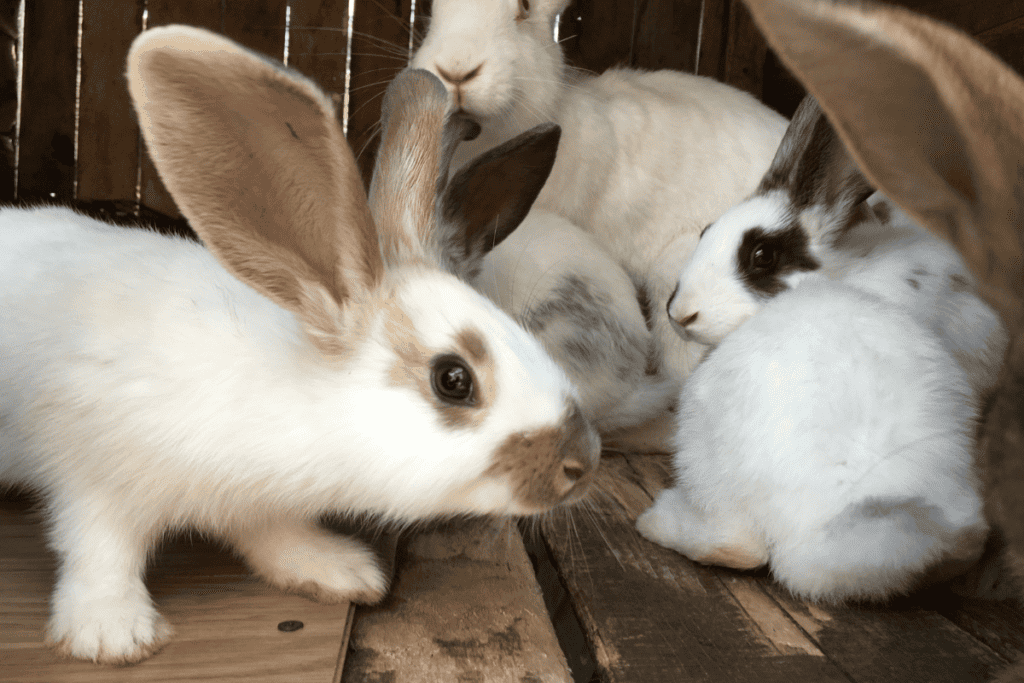
Successfully introducing rabbits requires careful planning and execution. A well-structured introduction process, focusing on gradual interaction and a neutral environment, significantly increases the likelihood of a harmonious cohabitation. This approach minimizes stress for both rabbits and fosters a positive association between them.
Neutral Territory Introduction
A crucial aspect of successful introductions involves utilizing a neutral territory. This space, free from the scent and associations of either rabbit’s existing environment, provides a fresh start. It allows the rabbits to interact without the pre-existing anxieties that might arise from encountering each other in their home territory. A spare room, a large enclosed area, or a section of a yard specifically designated for the introduction can serve as a neutral territory.
Careful consideration of the rabbits’ needs and the available space is vital in selecting this area.
Gradual Introductions and Supervised Interactions
Gradual introductions are essential for establishing positive associations. Initial interactions should be brief and supervised. This allows both rabbits to acclimate to each other’s presence without feeling overwhelmed. Supervised interactions provide opportunities to observe their behavior and address any signs of conflict promptly. Short, controlled exposures gradually increase interaction time, ensuring a smooth transition.
For example, a 10-minute supervised interaction followed by a period of separation before a repeat interaction is a practical approach.
Separate Areas and Controlled Access
Provision of separate areas for each rabbit during introduction periods is paramount. These spaces should provide comfort and security. This allows each rabbit to retreat and regain composure if necessary, reducing stress. The rabbits should be able to see each other but not directly interact, using partitions or barriers. This controlled access minimizes the likelihood of aggressive displays or unwanted conflicts.
For instance, creating separate sections within a neutral space with barriers, or utilizing separate enclosures, enables individual retreats and safe observation.
Step-by-Step Procedure for Introduction
The following steps provide a structured approach to rabbit introductions:
- Preparation of Neutral Territory: Thoroughly clean and sanitize the neutral space. Remove any potential stressors and ensure a comfortable environment for both rabbits.
- Initial Visual Contact: Allow the rabbits to visually interact through a barrier. Observe their body language for any signs of aggression or fear.
- Controlled Scent Exchange: Introduce the scents of the rabbits by placing bedding or toys from their original enclosures in the neutral space. Observe for any signs of conflict or stress.
- Initial Contact with Barrier: Allow the rabbits to briefly interact through a barrier, gradually increasing the time of interaction.
- Introduction Without Barrier: If the rabbits show positive interactions, remove the barrier to allow them to interact freely, but under close supervision. Continue with brief, supervised interactions, monitoring their behavior closely.
- Monitoring and Adjustment: Continuously monitor the rabbits’ behavior and adjust the introduction process as needed. If signs of aggression or fear emerge, separate the rabbits and re-evaluate the introduction strategy.
Examples of Successful Introduction Strategies
Successful introductions often involve a gradual approach, starting with brief visual contact and progressing to direct interaction. Creating a safe and neutral environment allows the rabbits to establish a positive association. Utilizing partitions or barriers initially allows for observation without direct confrontation. Monitoring the rabbits’ body language is critical, and any signs of stress or aggression necessitate immediate separation and adjustment of the introduction process.
Maintaining Harmony Between Rabbits
Establishing a harmonious environment for multiple rabbits requires proactive measures to prevent conflicts and ensure the well-being of all individuals. Understanding the nuances of rabbit behavior and implementing appropriate management strategies is crucial for fostering positive interactions and preventing stress-related issues.A well-structured environment that caters to the individual needs of each rabbit is key to maintaining peace and preventing conflicts.
This includes recognizing the potential for aggression and proactively addressing any signs of tension.
Essential Factors for a Positive Environment
Maintaining a positive environment for multiple rabbits hinges on several key factors. A carefully planned setup that respects individual needs minimizes the potential for conflict. Providing ample space for each rabbit to move freely, explore, and engage in natural behaviors is crucial. This includes ensuring sufficient space for burrowing, resting, and play. A safe and secure environment is paramount to prevent unwanted stress and anxiety, which can trigger aggression.
Separate Food and Water Bowls, and Litter Boxes
Providing separate food and water bowls for each rabbit is essential for preventing competition and ensuring each individual has access to sufficient resources. Similarly, dedicated litter boxes for each rabbit are vital to avoid territorial disputes over toileting areas. This minimizes potential confrontations over limited resources, a common cause of stress and aggression.
Consistent Daily Routines
Establishing consistent daily routines is beneficial for all rabbits, particularly in a multi-rabbit household. Predictable routines help rabbits feel secure and reduce stress, thereby minimizing potential conflicts. This includes feeding times, playtime, and quiet rest periods. Consistent routines help to establish a sense of order and predictability, which can prevent the escalation of minor conflicts.
Strategies for Addressing Conflict
When conflicts arise, it is essential to address them promptly and effectively. Understanding the triggers of conflict is crucial for implementing appropriate solutions. Immediate intervention is crucial to prevent escalation. Observing the rabbits’ body language and identifying potential triggers is key.
Managing Aggression and Disputes
Potential aggression and disputes between rabbits can be managed through several strategies. Careful monitoring for signs of escalating aggression is crucial. These include hissing, growling, teeth chattering, and chasing. Separating the rabbits temporarily can help de-escalate the situation, allowing them to calm down and reducing the chance of further conflict. Using visual and auditory cues to create a sense of calm, such as using soft music or calming scents, can be helpful.
Preventative Measures for Maintaining Peace
| Preventative Measure | Description |
|---|---|
| Separate Food and Water | Ensure each rabbit has its own food and water bowls to avoid competition. |
| Separate Litter Boxes | Provide dedicated litter boxes for each rabbit to prevent territorial disputes. |
| Sufficient Space | Adequate space allows rabbits to move freely and avoid crowding. |
| Consistent Routine | Establish a predictable daily schedule for feeding, play, and rest. |
| Observation of Body Language | Monitor rabbit behavior for signs of stress or aggression and intervene promptly. |
| Temporary Separation | Separate rabbits temporarily when conflicts arise to de-escalate the situation. |
| Positive Reinforcement | Reward positive interactions between rabbits with treats or praise. |
| Veterinary Consultation | Consult a veterinarian for underlying health issues that may contribute to aggression. |
Common Problems and Solutions
Cohabitating rabbits, while rewarding, can present challenges. Understanding potential conflicts and implementing appropriate solutions is crucial for maintaining a harmonious environment. Effective conflict resolution often involves identifying the root cause and employing tailored strategies to address the underlying issues. Early intervention and proactive measures can prevent escalating problems and foster positive relationships between your furry companions.
Identifying Common Problems
Successfully integrating rabbits requires careful observation and proactive management. Common problems arise from miscommunication, differing personalities, and resource competition. These issues can range from subtle signs of discomfort to more pronounced displays of aggression. Understanding these issues allows for timely intervention and fosters a positive cohabitation experience.
Potential Reasons for Conflict
Conflicts between rabbits stem from various factors. Resource guarding, a common issue, occurs when one rabbit attempts to monopolize resources such as food, water, or resting spots. Territorial behavior, another potential source of contention, involves one rabbit claiming an area and defending it against others. Differences in personalities, such as dominance or shyness, can also contribute to disputes.
These factors need careful consideration to prevent escalation.
Methods for Resolving Disputes
Effective conflict resolution involves a multi-faceted approach. Separation, temporarily separating the rabbits, is often a necessary first step. This allows for a cooling-off period and reduces stress. Enrichment activities, designed to engage the rabbits and distract them from potential conflict triggers, are essential for maintaining positive interactions. This may involve introducing new toys, or creating separate feeding areas to prevent direct competition.
Examples of Enrichment Activities
Providing a stimulating environment helps to prevent conflict. Offering a variety of toys, such as tunnels, climbing structures, and foraging puzzles, promotes mental and physical well-being. Rotating food locations and introducing different types of food can also reduce resource-guarding issues. Interactive play sessions with safe, supervised interactions can help rabbits get to know each other and build positive associations.
Creating distinct areas within the enclosure for each rabbit, with their own food and water stations, can also help.
Practical Advice for Managing Conflicts
Early detection of conflict is key. Observing subtle changes in behavior, such as hissing, growling, or chasing, is crucial. Maintaining a consistent routine and providing ample space and resources can significantly reduce tension. Seeking veterinary advice for any concerning behaviors is recommended.
Table of Common Rabbit Problems and Solutions
| Problem | Potential Solutions |
|---|---|
| Resource guarding (food, water, shelter) | Separate feeding and water stations, offer multiple resources, increase enclosure space, foraging toys. |
| Territorial disputes | Create distinct areas within the enclosure, increase the enclosure size, provide visual barriers, and offer safe spaces for each rabbit. |
| Aggressive behaviors (biting, chasing) | Immediate separation, observe for patterns, increase enrichment, veterinary consultation. |
| Stress from overcrowding | Increase enclosure space, provide more hiding places, separate access to food and water. |
| Different personalities (dominant/shy) | Create separate areas, introduce gradual and supervised interaction, provide plenty of hiding places. |
Ultimate Conclusion
Successfully cohabitating rabbits requires a proactive approach. This involves careful consideration of factors such as individual personalities, space, and resources. By understanding the signs of compatibility and conflict, and implementing appropriate introduction strategies and ongoing management techniques, you can significantly improve the chances of harmonious coexistence. Remember, a well-planned and executed introduction process is fundamental to long-term success.