A rabbit in distress requires immediate, expert attention. This guide provides a comprehensive approach to rescuing a rabbit, from recognizing the signs of need to providing initial care and ultimately connecting the animal with professional veterinary help. Understanding how to safely and effectively respond to a rabbit in distress is crucial for ensuring the well-being of the animal.
This detailed guide will walk you through each step of the rescue process, emphasizing safety, proper handling techniques, and the importance of immediate veterinary care. From identifying the signs of distress to providing temporary care and transportation, this guide offers a clear and concise roadmap to ensure the rabbit’s safety and well-being.
Identifying a Problem Rabbit
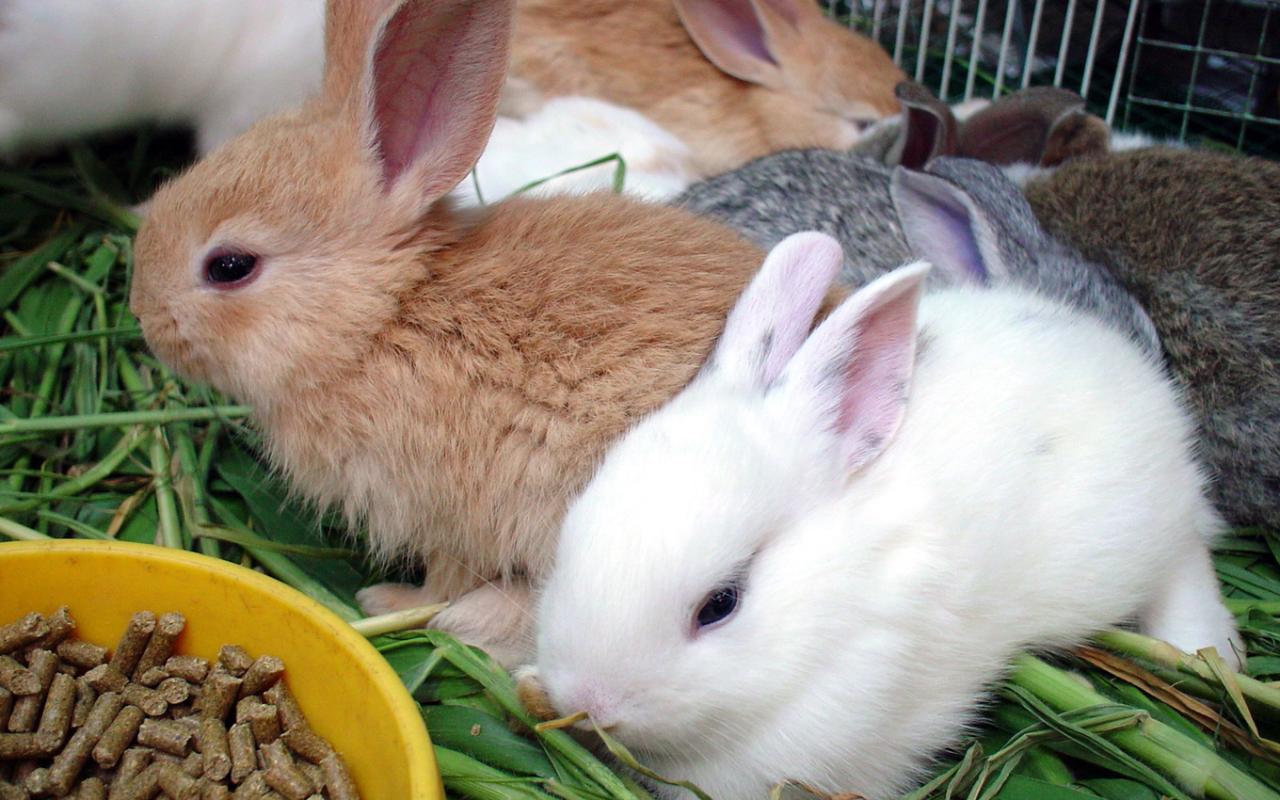
Recognizing when a rabbit needs rescuing is crucial for its well-being. Early intervention can significantly improve the chances of a positive outcome. A keen eye for subtle changes in behavior, appearance, and environment can signal potential distress or injury. This section provides a framework for identifying problem rabbits, outlining common signs and differentiating them from normal rabbit behavior.
Common Signs of Distress in Rabbits
Understanding normal rabbit behavior is essential for recognizing signs of distress. Rabbits are prey animals and often exhibit subtle cues when they are unwell or in danger. A change in any of these typical behaviors can indicate a need for immediate intervention.
- Changes in Activity Levels: A rabbit that is normally active may become lethargic or withdrawn. Conversely, a rabbit that is usually quiet might exhibit excessive restlessness or pacing. This change in activity level can be a significant indicator of discomfort or illness.
- Changes in Eating Habits: A rabbit that is typically eager to eat might lose its appetite or show a marked decrease in food consumption. Similarly, unusual eating habits, such as refusing specific types of food, or eating excessively, may indicate a health issue. An absence of defecation or urination may also be a cause for concern.
- Changes in Grooming Habits: Rabbits are meticulous groomers. A sudden or drastic decrease in grooming, or excessive grooming, can be indicative of pain or discomfort. Look for matted fur, soiled areas, or difficulty cleaning specific parts of their body.
- Changes in Vocalization: Rabbits communicate through a range of vocalizations. A sudden increase in vocalizations, such as incessant squeaking or whimpering, can signify pain or distress. Similarly, a complete absence of usual vocalizations may also indicate a serious problem.
Appearance-Based Indicators of Distress
Careful observation of a rabbit’s physical condition can provide crucial insights into its well-being. Visual cues can be significant indicators of distress, alongside behavioral changes.
- Changes in Body Condition: A significant loss of weight or an increase in body mass that is not expected can be concerning. Notice any unusual swelling, bumps, or wounds. A rabbit with a noticeably hunched posture or a visibly strained appearance may require immediate attention.
- Changes in Fur Condition: Rabbits’ fur is typically clean and well-maintained. Notice any matting, excessive shedding, or unusual discoloration of the fur. These signs can indicate underlying health problems or discomfort. Patches of missing fur or hair loss should be addressed promptly.
- Injuries and Wounds: Any visible injuries, such as cuts, abrasions, or bites, warrant immediate attention. Seek veterinary assistance if a rabbit has an open wound, bleeding, or a wound that shows signs of infection.
Environmental Factors Indicating Distress
The environment where a rabbit lives can reveal crucial information about its health. A rabbit’s surroundings should provide a safe and comfortable space for optimal well-being.
- Unhygienic Environment: A dirty cage or hutch with accumulated waste, soiled bedding, or a lack of fresh water can indicate a problem. A rabbit’s living space should be clean and well-maintained.
- Insufficient Space: A rabbit that is housed in an enclosure that is too small or cramped might display signs of stress or aggression. Ensure adequate space for movement and exploration.
- Lack of Enrichment: A rabbit that does not have sufficient enrichment, such as toys, tunnels, or branches, might show signs of boredom or stress. A stimulating environment is crucial for their physical and mental well-being.
Assessing a Rabbit’s Condition for Rescue
A systematic approach to assessing a rabbit’s condition is essential for proper rescue and subsequent care. A checklist can aid in identifying potential issues.
| Criteria | Assessment |
|---|---|
| Activity Level | Normal, lethargic, or excessively restless? |
| Appetite | Eating normally, decreased appetite, or refusing food? |
| Grooming | Grooming normally, excessive grooming, or decreased grooming? |
| Vocalization | Normal vocalizations, increased vocalizations, or absence of vocalizations? |
| Body Condition | Normal weight, loss of weight, or excessive weight gain? |
| Fur Condition | Clean and well-maintained, matted, or discolored? |
| Injuries/Wounds | Any visible injuries or wounds? |
| Environment | Clean and spacious, dirty, or lacking enrichment? |
Immediate Actions for Safety

Ensuring the safety of both the rabbit and the rescuer is paramount during a distressed rabbit situation. A calm and methodical approach is crucial to minimizing stress and maximizing the chances of a positive outcome. Understanding the rabbit’s behavior and the potential hazards involved is essential for a safe and effective rescue.A distressed rabbit may exhibit aggressive or defensive behaviors, potentially posing a threat to the rescuer.
This is why prioritising personal safety is critical. By implementing appropriate safety measures, rescuers can prevent injuries to themselves and the rabbit. These measures include the use of appropriate protective gear and the creation of a safe environment for handling the animal.
Importance of Personal Safety
Rabbit bites and scratches can transmit various diseases, and a distressed rabbit might react unpredictably. Protective measures are essential. Wear gloves to prevent the transmission of pathogens and potential injuries. Long sleeves and pants offer additional protection from scratches. Ensuring the rabbit is contained in a secure area and using a towel or blanket for handling will further mitigate risk.
It is crucial to understand that a distressed rabbit may exhibit unpredictable behavior.
Safe Approach and Containment
A gradual and controlled approach is vital. Never try to grab or pick up a distressed rabbit directly. Instead, create a secure space for the rabbit to feel contained. Use a large, soft towel or blanket to gently guide the rabbit into a secure carrier or container. Avoid sudden movements and maintain a calm demeanor.
If possible, use a barrier to avoid direct contact, like a cardboard box or a sturdy container. Gradually encourage the rabbit into the container. Never force the rabbit.
Keeping the Rabbit Calm
Distressed rabbits often react to sudden movements and loud noises. Speak in soft, reassuring tones and avoid making loud noises or sudden movements. Maintain a quiet and calm environment. Using a soft, calming touch and a gentle voice can reduce the rabbit’s stress level. Avoid shaking or rough handling.
Rabbit Restraint Methods Comparison
| Method | Description | Pros | Cons | Suitable for |
|---|---|---|---|---|
| Towel Wrap | Gently wrapping a towel around the rabbit to contain it. | Easy to implement, good for initial containment. | Can be stressful if not done correctly, might not be effective for all situations. | Rabbits exhibiting mild distress, those that are relatively docile. |
| Soft Container | Using a cardboard box or a secure container with soft lining. | Provides a secure enclosure, less stressful for the rabbit. | Requires careful handling to avoid the rabbit becoming trapped. | Rabbits showing mild to moderate distress, those that might feel threatened by direct handling. |
| Carrier | Using a rabbit carrier. | Provides a secure and familiar environment for the rabbit. | Can be difficult to use for very distressed or aggressive rabbits. | Rabbits that are accustomed to carriers or those exhibiting manageable distress. |
Assessing the Rabbit’s Condition
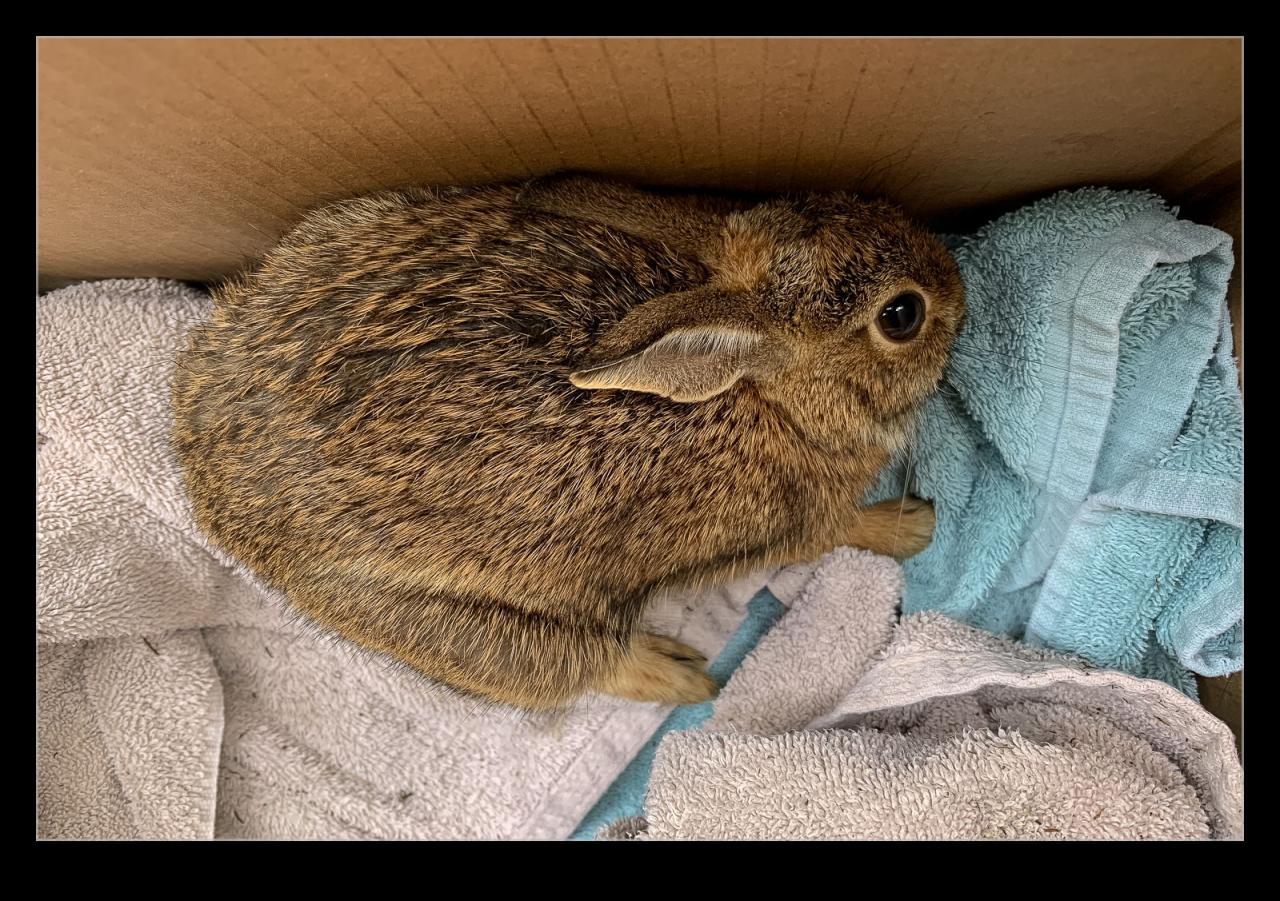
A crucial step in rescuing a rabbit is accurately assessing its condition. This involves a systematic evaluation of the rabbit’s overall health, identifying any injuries, and recognizing signs of illness. A thorough examination will help determine the appropriate course of action and ensure the rabbit receives the best possible care.Careful observation and a detailed checklist are essential for understanding the rabbit’s current state.
This information is vital for determining the appropriate treatment and care needed.
Physical Examination Checklist
Thorough physical examination is crucial for identifying potential problems. This checklist guides the rescuer through a systematic evaluation of the rabbit’s physical condition.
- General Appearance: Note the rabbit’s posture, alertness, and overall demeanor. A rabbit exhibiting signs of lethargy, weakness, or stiffness warrants immediate attention. Examples include a rabbit lying down more than usual, or a rabbit that is not actively interacting with its surroundings.
- Body Condition: Assess the rabbit’s body condition. Is it overweight, underweight, or healthy? Look for any abnormalities such as swellings, lumps, or unusual hair loss. A rabbit that is noticeably thin or obese might require immediate attention.
- Coat and Skin: Examine the rabbit’s coat for cleanliness, matting, parasites, or signs of skin irritation. Check for any redness, sores, or wounds. Observe the overall condition of the fur; if it appears matted or dirty, it could indicate poor care or illness.
- Eyes and Ears: Inspect the rabbit’s eyes and ears for any signs of discharge, redness, or swelling. Examine the ears for any mites or debris. Normal eyes should be clear and bright, with no visible discharge.
Injury Assessment
Identifying injuries is critical to providing appropriate care. Prompt identification and treatment of injuries can significantly improve the rabbit’s chances of recovery.
- Fractures: Carefully check for any signs of fractures, such as deformities, swelling, or pain. If you suspect a fracture, do not attempt to manipulate the injured area. Immobilize the rabbit and seek veterinary attention immediately.
- Bites and Cuts: Look for any bite wounds or cuts, noting their location, depth, and size. Clean the wound thoroughly with a saline solution, applying gentle pressure to stop any bleeding. If the injury is deep or extensive, veterinary care is essential.
Assessing for Illness
Recognizing signs of illness is crucial for appropriate treatment. Symptoms of illness in rabbits can vary, and early detection is key.
- Dehydration: Observe the rabbit’s skin elasticity by gently lifting a fold of skin on its back. If the skin takes a long time to return to its normal position, dehydration is a concern. Also, check the rabbit’s eyes; sunken eyes are a common sign of dehydration.
- Respiratory Issues: Listen carefully for any labored breathing, wheezing, or difficulty breathing. Observe the rabbit’s chest and abdomen for any unusual movements. Note if the rabbit is exhibiting rapid or shallow breathing. A distressed rabbit will often struggle to breathe.
- Parasites: Examine the rabbit’s fur and skin for signs of fleas, mites, or other parasites. Observe for itching, scratching, or unusual hair loss. Parasites can cause significant discomfort and weaken the rabbit.
Vital Signs Monitoring
Monitoring vital signs provides valuable information about the rabbit’s overall condition. This information is vital for assessing the severity of the situation and making informed decisions about the next steps.
- Heart Rate: Count the number of heartbeats per minute by placing your fingers on the rabbit’s chest near the ribs. A normal heart rate varies based on the rabbit’s size and activity level. A significant deviation from this rate can be a cause for concern.
- Temperature: Measure the rabbit’s rectal temperature using a digital thermometer. Normal rabbit temperature is typically between 101°F and 103°F. A significantly elevated or lowered temperature can indicate an underlying health issue.
- Respiration Rate: Observe the rabbit’s breathing rate by counting the number of breaths per minute. A normal respiration rate for rabbits varies, depending on activity level. Note any rapid or shallow breathing.
Transportation and Initial Care
Transporting a rescued rabbit requires careful consideration of its size and delicate nature. A safe and comfortable environment during transport and temporary care is paramount to minimizing stress and ensuring the rabbit’s well-being. Proper handling and a suitable enclosure will greatly contribute to a positive start for the animal.Ensuring the rabbit’s comfort and safety during transport and initial care is critical to its recovery and acclimation to its new surroundings.
A smooth transition can significantly reduce stress and anxiety, which are vital for the rabbit’s overall health and well-being. The temporary care environment will be the foundation for establishing a trusting relationship and a positive experience for the rabbit.
Safe Transportation
Proper transportation is crucial for the rabbit’s well-being. The method should prioritize safety and minimize stress. Avoid placing the rabbit directly on a hard surface, especially during transit. Use a secure carrier designed for small animals, ensuring it’s adequately sized to accommodate the rabbit without restricting movement. The carrier should be lined with soft bedding material, such as a towel or blanket, for added comfort.
A ventilated carrier is important to prevent overheating and maintain appropriate air circulation. Always keep the carrier away from direct sunlight and extreme temperatures during transport.
Creating a Safe Temporary Enclosure
A temporary enclosure should provide a safe and enriching environment for the rabbit during its initial care. A spacious, well-ventilated enclosure is crucial. A suitable temporary enclosure should replicate the rabbit’s natural environment as closely as possible to ensure the rabbit’s comfort and security. Avoid using materials that the rabbit may chew or ingest, potentially causing harm.
A large, sturdy cage or a spacious, well-secured pen would be an appropriate temporary enclosure. Ensure the floor of the enclosure is lined with a comfortable, absorbent material such as fleece, soft bedding, or paper towels.
Essential Supplies for Temporary Care
A suitable temporary enclosure requires specific supplies to meet the rabbit’s needs. These supplies are essential for maintaining the rabbit’s health and well-being during the initial period of care.
- Food and Water: Provide fresh, appropriate rabbit food and fresh, clean water. A dedicated water bottle or a shallow dish is essential. Avoid offering food that may not be suitable for rabbits.
- Bedding: A comfortable and absorbent bedding material is essential. Hay, paper towels, or fleece are suitable options. Ensure that the bedding is clean and changed regularly.
- Litter Box: A litter box with appropriate litter will help maintain cleanliness and promote good hygiene. The litter box should be placed in a convenient location within the enclosure.
- Housing: A safe and secure enclosure is crucial. The enclosure should be spacious enough to allow the rabbit to move around freely and safely. Ensure the enclosure is escape-proof and the material is non-toxic.
- Toys: Provide appropriate toys, such as cardboard tubes, hard chew toys, or branches, to stimulate the rabbit’s mental and physical well-being. Avoid materials that are potentially harmful to the rabbit.
Monitoring and Observation
Thorough observation of the rabbit’s behavior and condition is crucial. Pay attention to changes in appetite, activity levels, and overall demeanor. Regular monitoring allows for early detection of potential health issues. Regularly check for any signs of injury, discomfort, or illness. Document any observations, including the date, time, and specific details of the observed behavior.
Seeking Professional Veterinary Care
A crucial step in ensuring the well-being of a rescued rabbit is seeking prompt and specialized veterinary care. Rabbits have unique physiological needs and diseases that can quickly escalate if not addressed by a veterinarian experienced in exotic animal medicine. Prompt intervention often means the difference between recovery and lasting health complications.Veterinary expertise is paramount for accurate diagnosis and appropriate treatment plans.
Rabbits, unlike many other animals, require specific knowledge and care. A veterinarian specializing in exotic animals possesses the necessary knowledge to effectively manage the specific health issues rabbits face.
Finding a Qualified Exotic Animal Veterinarian
Locating a qualified veterinarian specializing in exotic animals, particularly rabbits, is essential. Begin by consulting online veterinary directories or contacting your local rabbit rescue organizations. These resources often have recommendations for experienced practitioners. Your local animal shelter or pet store may also offer valuable leads. Cross-referencing multiple sources ensures you find a vet with a strong track record and the experience needed.
Preparing for Transport to the Veterinarian
Proper transport is crucial for the rabbit’s safety and well-being during the journey to the veterinarian. A secure carrier, preferably one with ventilation and appropriate dimensions, should be used. Ensure the rabbit is comfortable and not exposed to stress or harm.
Information to Share with the Veterinarian
Thorough communication with the veterinarian is critical for providing them with essential information for diagnosis and treatment. Before transporting the rabbit, compile a detailed history of the animal. This should include the rabbit’s age, breed (if known), any prior health conditions, vaccinations, and medications.
- Pre-Transport Information: Include details about the rabbit’s recent diet, water intake, behavior changes, and any observed symptoms. Specific symptoms, such as difficulty breathing, lethargy, or unusual discharge, should be noted and described. Details of any recent events, such as environmental changes or potential exposure to toxins, are also important.
- During Transport: During transport, keep the rabbit calm and comfortable. Update the veterinarian with any changes in the rabbit’s condition, such as increased respiratory rate or changes in alertness. Provide real-time updates, particularly if the rabbit shows signs of distress.
Preparing the Rabbit for Transport
Thorough preparation is critical for minimizing stress during transport. Ensure the rabbit is familiar with the carrier, using positive reinforcement techniques to encourage comfort. A comfortable, familiar environment in the carrier will ease the stress of travel. Avoid placing the rabbit directly into the carrier if they are highly stressed.
Preventing Future Incidents
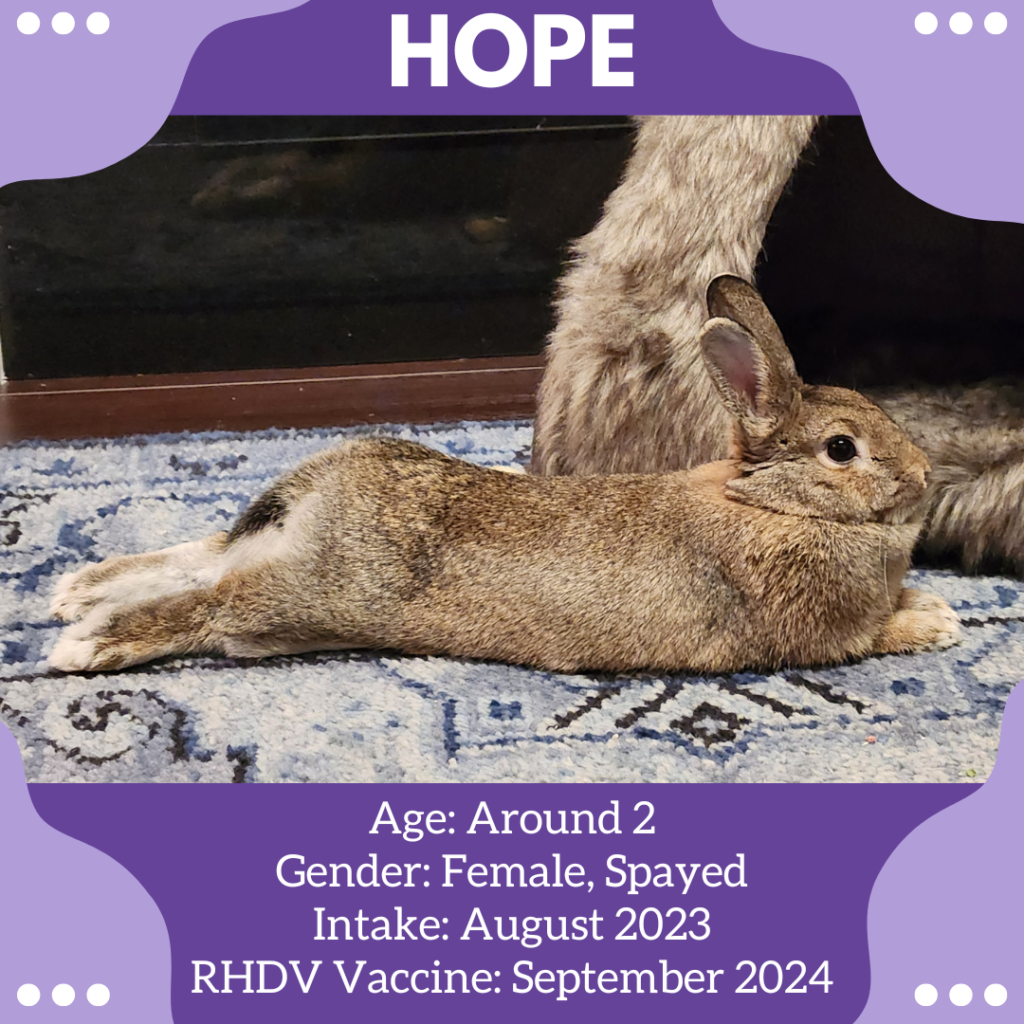
Understanding the potential causes of rabbit distress and injury is crucial for providing them with a safe and enriching environment. By recognizing these factors and implementing preventative measures, rabbit owners can significantly reduce the risk of future incidents. This section explores common causes, preventative strategies, and optimal housing options for rabbits.
Common Causes of Rabbit Distress and Injury
Recognizing the triggers behind rabbit distress and injury is the first step in proactive prevention. Rabbits, despite their seemingly docile nature, can experience a range of stressors that lead to injury or illness. These range from simple environmental factors to more complex behavioral issues. Understanding these causes allows owners to implement appropriate preventative measures.
- Inappropriate Housing: Insufficient space, inadequate ventilation, or unsuitable bedding can lead to stress and injury. A cramped enclosure can cause injuries from fighting or accidents. Inadequate ventilation can lead to respiratory issues, while inappropriate bedding can lead to skin irritation or digestive problems.
- Nutritional Deficiencies: A lack of essential nutrients in the diet can lead to various health problems, impacting the rabbit’s overall well-being and increasing their susceptibility to injury. Inadequate fiber intake can cause digestive issues, impacting the rabbit’s ability to absorb nutrients and leading to stress and injury.
- Predation Risk: Exposure to predators, such as cats, dogs, or birds of prey, poses a significant threat to rabbits. A lack of secure enclosure can expose rabbits to immediate danger. External threats can cause injury or even death.
- Unfamiliar Surroundings and Handling: Rabbits can experience stress from sudden changes in their environment, such as moving to a new home or being handled by unfamiliar individuals. Sudden changes in routine can lead to stress, causing injury.
- Behavioral Issues: Territorial disputes, aggression, or obsessive-compulsive behaviors can lead to injuries from fights or repetitive actions. These behaviors often stem from underlying issues, such as inadequate socialization or stress from their environment.
Strategies for Preventing Future Incidents
Implementing preventative strategies is vital in safeguarding rabbits from potential distress and injury. A proactive approach focuses on identifying potential hazards and mitigating them.
- Secure Housing: Providing a safe and spacious enclosure that is inaccessible to predators is paramount. The enclosure should be sturdy enough to prevent escape and injuries, with adequate ventilation and appropriate bedding.
- Balanced Diet: Ensuring a diet rich in hay, fresh vegetables, and a small amount of appropriate pellets is essential. A balanced diet supports a healthy digestive system and overall well-being, preventing nutritional deficiencies.
- Predator Control: Taking steps to eliminate or deter predators is crucial. This could involve securing the rabbit enclosure, using motion-activated deterrents, or other appropriate measures. Regularly inspecting the enclosure for any signs of damage is essential.
- Consistent Handling: Gradual introduction to new environments and people, combined with gentle and consistent handling, reduces stress. Familiarizing the rabbit with different environments and individuals in a gradual and safe manner can reduce stress.
- Early Intervention for Behavioral Issues: Identifying and addressing behavioral issues early on can prevent escalation and potential injuries. Identifying and addressing behavioral issues early on is crucial in preventing escalation and potential injuries.
Creating a Safe and Enriching Environment
A rabbit’s environment should be designed to meet their physical and psychological needs, promoting their overall well-being and reducing the risk of stress-related issues. A positive and enriching environment minimizes the chances of stress and injury.
- Appropriate Space: Rabbits require ample space for movement and exploration. A larger enclosure allows for more natural behaviors and reduces stress from confinement. Adequate space is crucial for preventing injuries due to confinement.
- Enrichment Activities: Providing toys, tunnels, and other enrichment items stimulates the rabbit’s mind and body, reducing boredom and stress. These items promote natural behaviors, preventing stress and boredom.
- Socialization: Appropriate socialization with other rabbits or humans can help reduce stress and promote a positive outlook. This promotes a sense of community and reduces the risk of aggressive behaviors. Socialization can prevent issues arising from isolation.
- Routine and Predictability: A consistent daily routine can reduce stress and anxiety in rabbits. Consistency in feeding times, handling, and other routines can reduce the stress caused by uncertainty.
Rabbit Housing Options
Various housing options are available, each with its own advantages and disadvantages regarding preventing distress and injury.
| Housing Option | Suitability for Preventing Distress | Advantages | Disadvantages |
|---|---|---|---|
| Cages | Good if well-designed | Relatively affordable, readily available | Can be confining if not spacious enough, may not provide adequate enrichment |
| Hutches | Better for outdoor use with modifications | Provides more space than cages, often more aesthetically pleasing | May be more vulnerable to predators if not secure, can be challenging to maintain hygiene |
| Outdoor Runs | Excellent if secure and well-protected | Offers maximum space and freedom, allows for natural behaviors | Requires significant space, must be protected from predators, can be challenging to maintain hygiene |
Rabbit Specific First Aid
Providing appropriate first aid for a rabbit injury is crucial for their well-being. Understanding common rabbit injuries and how to treat them safely minimizes potential complications and promotes a speedy recovery. This section focuses on the specifics of rabbit first aid, emphasizing the importance of seeking veterinary care when necessary.
Common Rabbit Injuries and Their Treatment
Rabbits are prone to various injuries, including bites, cuts, abrasions, and even fractures. Prompt and appropriate care is essential to ensure the rabbit’s comfort and prevent further complications. A thorough understanding of the different types of injuries and their appropriate management is critical for successful treatment.
- Bites: Rabbits can sustain bites from other animals or even humans. Clean the wound thoroughly with saline solution and apply a gentle pressure bandage to control bleeding. If the bite is deep or involves significant tissue damage, veterinary care is strongly recommended.
- Cuts and Abrasions: These are common injuries, especially in rabbits that are active and explore their environment. Gently clean the wound with a sterile saline solution or a mild antiseptic solution. Apply gentle pressure to stop bleeding. A small, clean bandage can be applied to protect the wound and promote healing. Ensure the bandage is not too tight, which can restrict blood flow.
- Fractures: Fractures, particularly in the limbs, can occur due to falls or trauma. Immobilizing the affected limb is crucial. Do not attempt to manipulate the fracture; instead, carefully wrap the injured limb with a soft, supportive material. Veterinary care is absolutely essential for fracture diagnosis and treatment.
- Eye Injuries: Injuries to the eyes are sensitive and require immediate attention. Gently flush the eye with a sterile saline solution, avoiding direct pressure on the eye itself. Never attempt to remove any foreign objects from the eye. Seek veterinary care immediately.
- Ear Infections: Ear infections can be painful and require professional veterinary care. Do not attempt to treat these infections at home. Veterinary diagnosis and treatment are essential to prevent further complications.
Applying First Aid for Minor Injuries
Applying first aid for minor injuries, such as cuts or abrasions, requires careful attention to detail. Cleaning and bandaging are crucial steps in promoting healing and preventing infection.
- Cleaning the Wound: Use a sterile saline solution or a mild antiseptic solution to gently clean the wound. Avoid using harsh chemicals or strong disinfectants, as these can irritate the rabbit’s skin. The goal is to remove any dirt or debris, not to scrub the wound vigorously.
- Applying a Bandage: Use a clean, non-adhesive bandage or a clean gauze pad to protect the wound. The bandage should be snug but not tight. A too-tight bandage can restrict blood flow, while a loose bandage will not provide adequate protection. Ensure the bandage is not irritating the rabbit’s fur or skin.
- Monitoring the Wound: Regularly monitor the wound for any signs of infection, such as redness, swelling, or pus. If you observe any concerning changes, consult a veterinarian immediately.
Importance of Not Attempting Advanced Procedures
While basic first aid can be beneficial, attempting advanced or complex procedures can cause more harm than good. Professional veterinary care is essential for many rabbit injuries, particularly those involving fractures, internal injuries, or severe infections. Rabbit anatomy and physiology are unique, and a veterinarian has the expertise to diagnose and treat specific conditions accurately.
Suitable Materials for Cleaning and Bandaging
Using appropriate materials for cleaning and bandaging is essential to ensure proper wound care. Sterile saline solution, clean gauze pads, and non-adhesive bandages are recommended. Sterile cotton swabs can also be helpful in cleaning smaller wounds.
Emergency Situations
Rabbits, like all animals, can experience life-threatening emergencies. Understanding these situations and knowing how to respond promptly can significantly increase the chances of a positive outcome. Immediate action and a calm demeanor are crucial during these critical moments.
Life-Threatening Symptoms Requiring Immediate Veterinary Attention
A rapid response to certain symptoms is essential for rabbit survival. The following conditions necessitate immediate veterinary care:
- Loss of consciousness or unresponsiveness.
- Difficulty breathing, including rapid or labored breathing, open-mouth breathing, or gasping.
- Seizures or convulsions.
- Severe bleeding or internal injuries (e.g., from a fall or trauma).
- Paralysis or sudden weakness in limbs.
- Inability to urinate or defecate.
- Severe, persistent pain or distress, such as constant vocalization or unusual posture.
- Sudden changes in appetite or water intake, particularly a complete cessation of eating or drinking.
- Significant swelling or discoloration of the body, especially in the face, eyes, or limbs.
- Visible injuries, such as broken bones, deep wounds, or head trauma.
Performing CPR on a Rabbit (Limitations)
While CPR can be attempted in life-threatening situations, the effectiveness is often limited in rabbits due to their unique physiology. Direct chest compressions are generally ineffective and can cause more harm than good. There is no standardized rabbit CPR protocol, and any attempt should be guided by a veterinarian.
- Do not attempt chest compressions, as these are likely to be harmful and ineffective.
- Focus on maintaining open airways and ensuring adequate oxygen flow. Clearing the nose and mouth of any obstructions is a priority.
- If the rabbit is not breathing, gently try to stimulate breathing by gently blowing air into the nostrils, but be very cautious and use minimal force.
- Only use these techniques as a temporary measure until professional help arrives.
Calling Emergency Veterinary Services
In an emergency, swift action is critical. A clear and concise explanation of the situation is essential for emergency personnel.
- Contact your local emergency veterinary service or animal hospital immediately. Do not delay.
- Provide as much detail as possible about the rabbit’s condition, including the symptoms observed, the time of onset, and any recent events that might have triggered the crisis.
- Describe the rabbit’s breed, age, and any relevant medical history.
- Be prepared to answer questions about the rabbit’s condition and actions taken.
- Follow the instructions provided by the veterinary professionals regarding the location and timing of the arrival of the veterinarian.
Final Thoughts

In conclusion, rescuing a rabbit involves a multi-faceted approach requiring careful assessment, swift action, and expert consultation. By understanding the signs of distress, practicing safe handling, and providing appropriate initial care, you can make a significant difference in the life of a distressed rabbit. Remember, the key to success is prompt action and seeking professional veterinary care. This guide provides a comprehensive framework for a successful rescue.